As the Lobito Corridor project reshapes trade routes in Southern Africa, will South Africa adapt to maintain its industrial relevance?
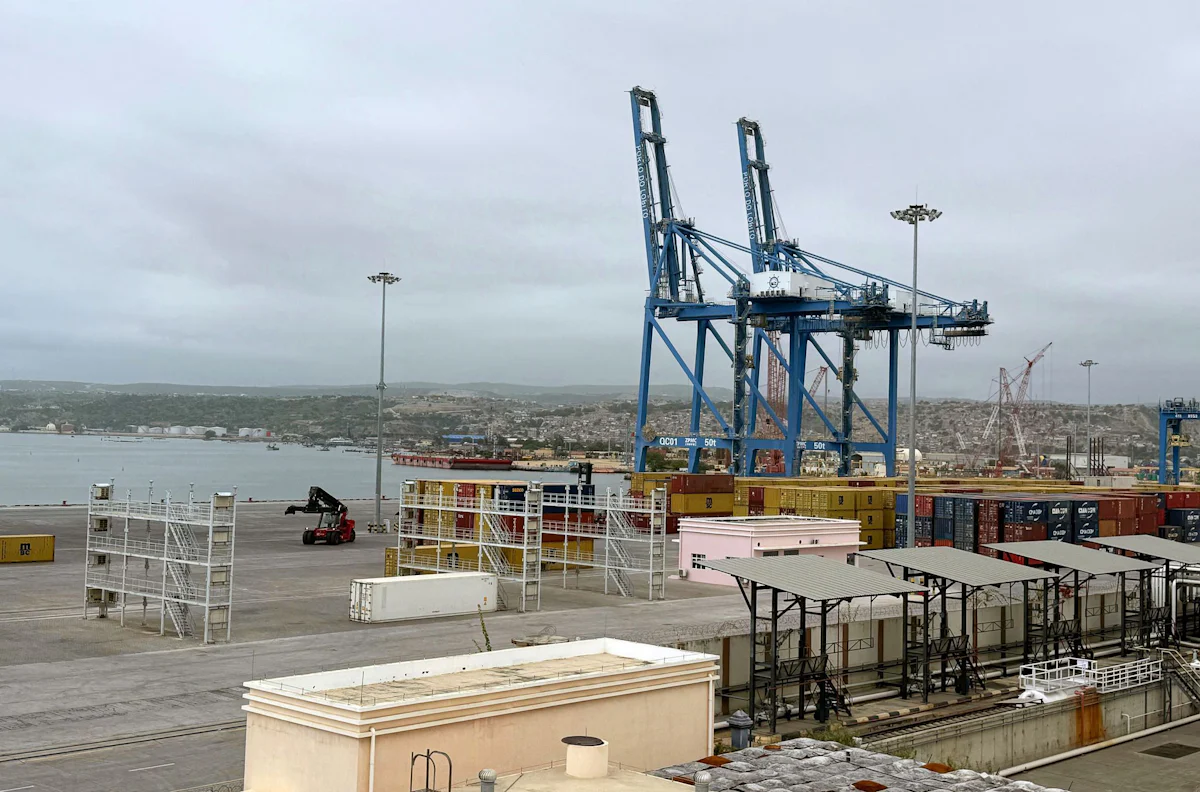
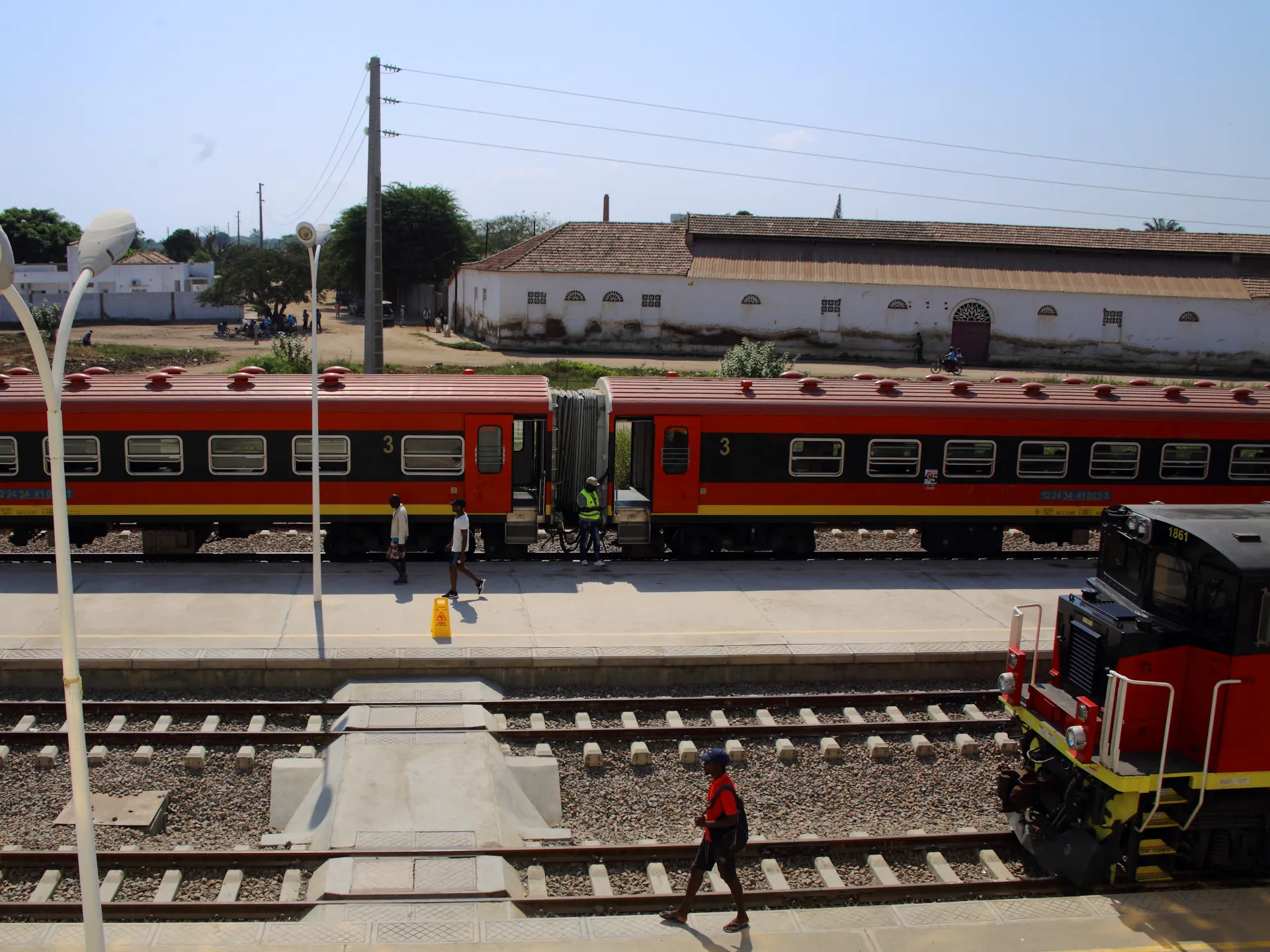
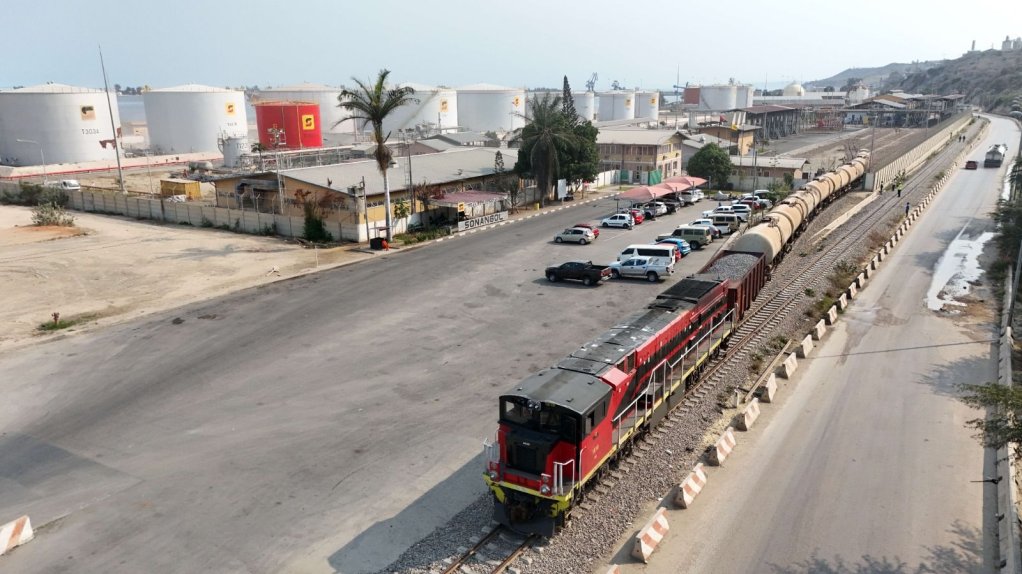
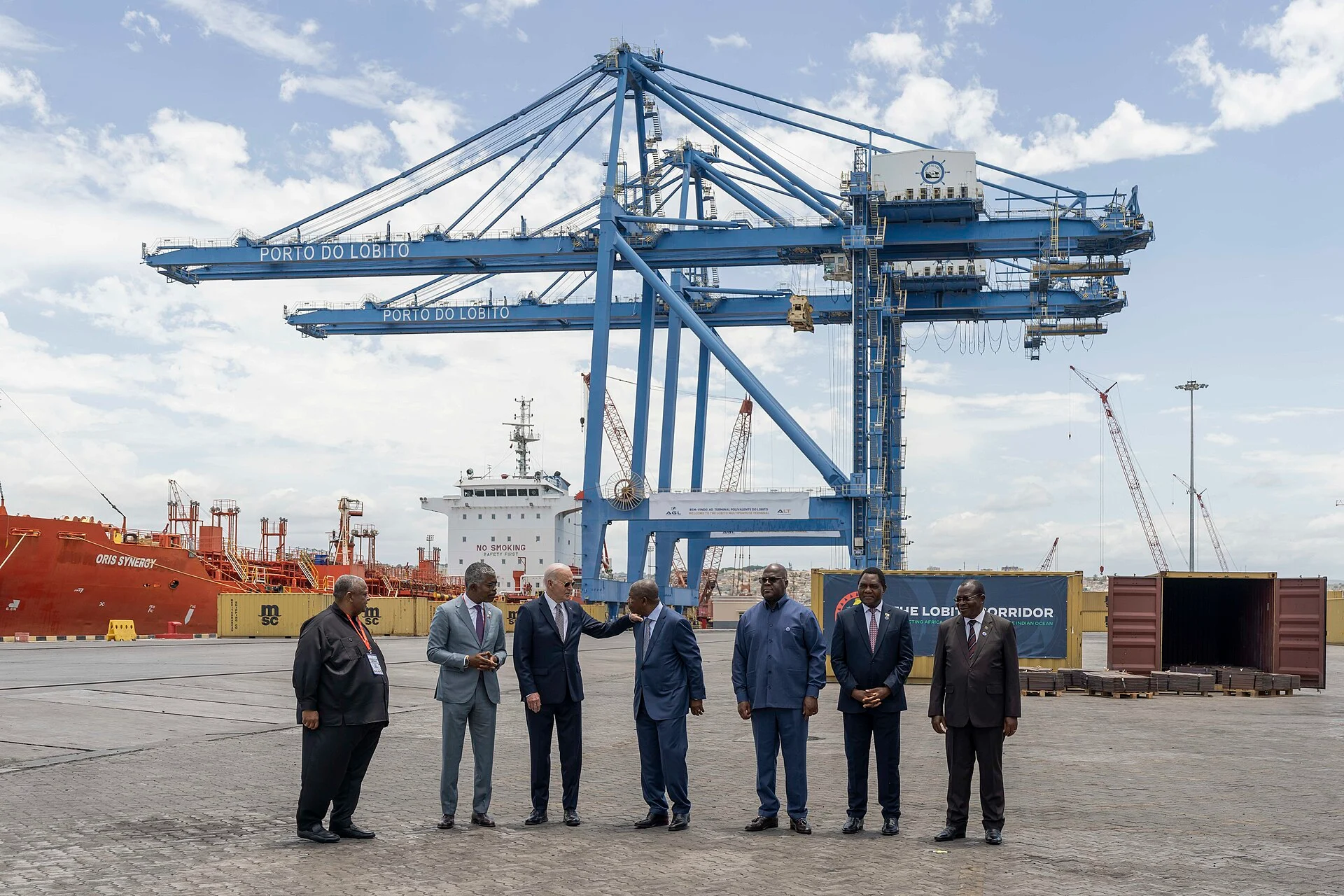
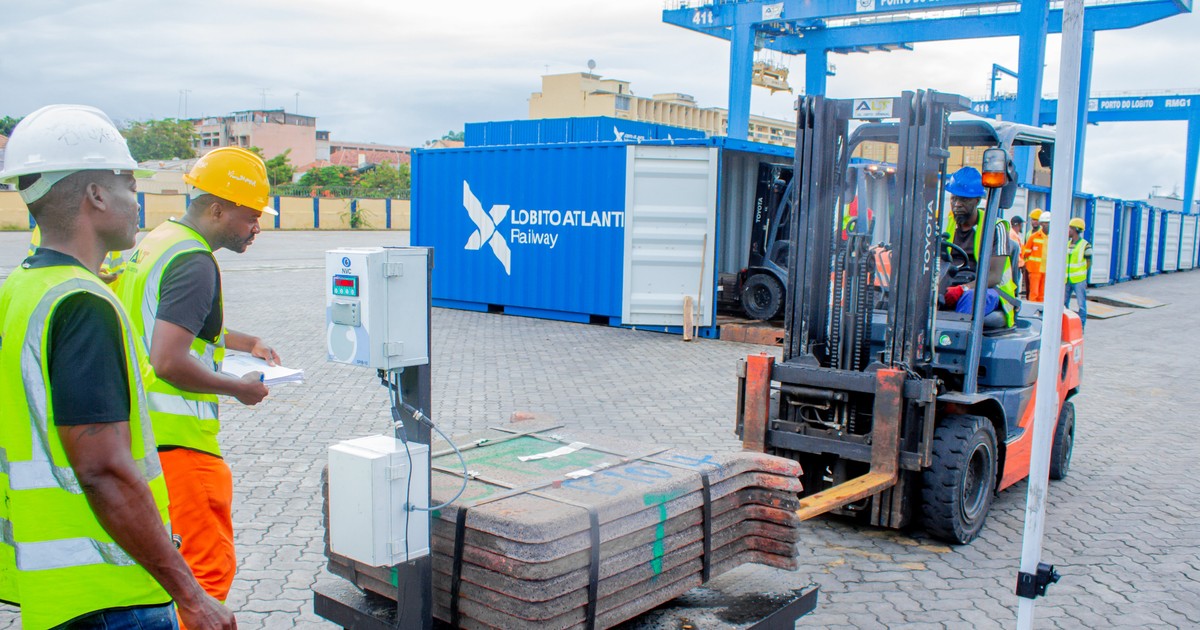
The Lobito Corridor project, the multibillion-dollar, 1 300km railway development connecting Angola’s Atlantic port of Lobito to the mineral-rich DRC and Zambia, has highlighted the urgent need for South Africa to ramp up its status as a value-added industrial hub.
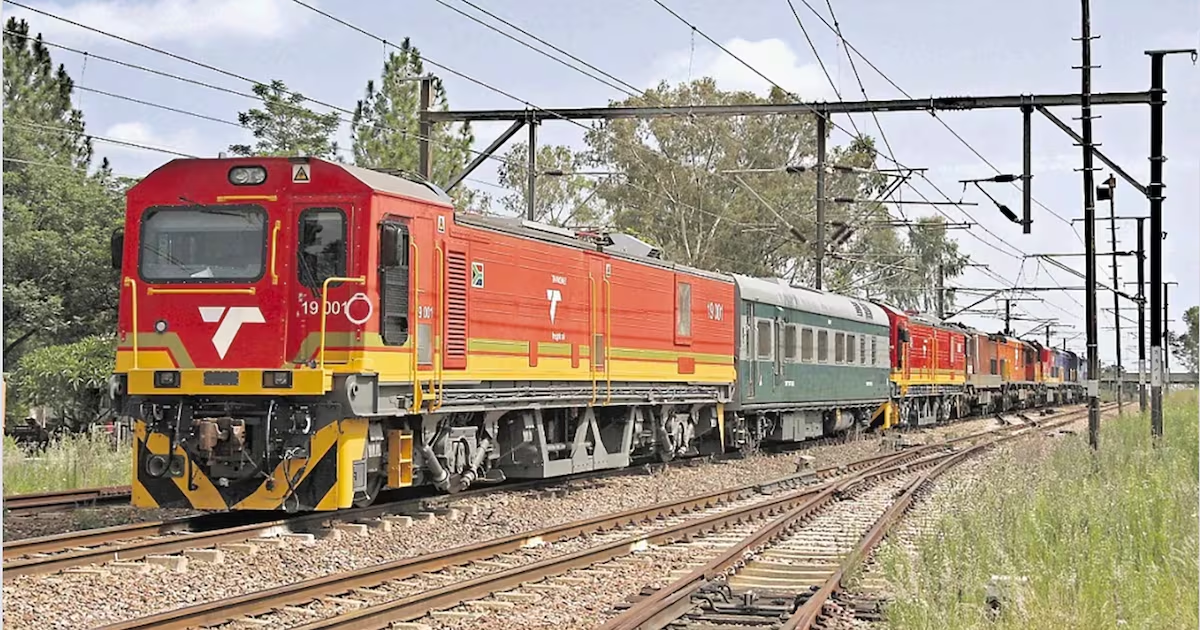
South Africa’s dominance of exports from Africa’s Copperbelt has eroded dramatically over the years and the Lobito project places further pressure on the country to reassess its role as trade routes shift in southern and central Africa.
According to well-known South African cross-border logistics consultant Kage Barnett, the republic now handles less than 20% of copper exports from these regions. With the Lobito Corridor scheduled for completion by 2030, costs will be about 30-40% cheaper than exporting through South African ports.
70% of the DRC’s exports currently go to China, and 70% of that goes through the Port of Dar Es Salaam in Tanzania. Some 40% of minerals from Zambia and surrounds is exported through Walvis Bay in Namibia.