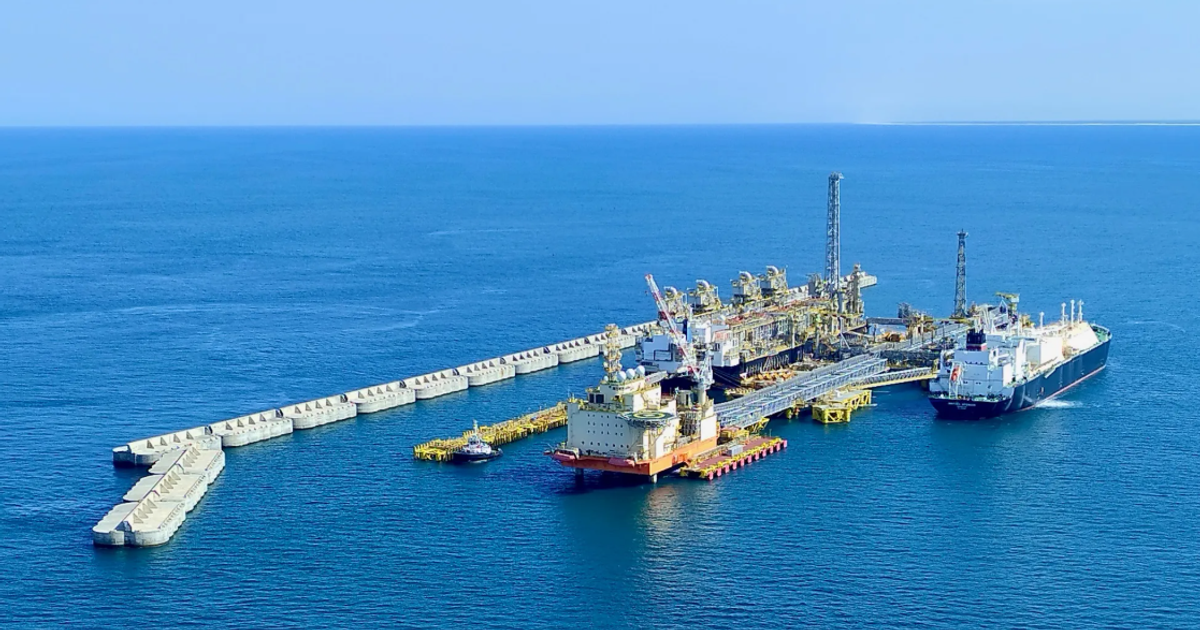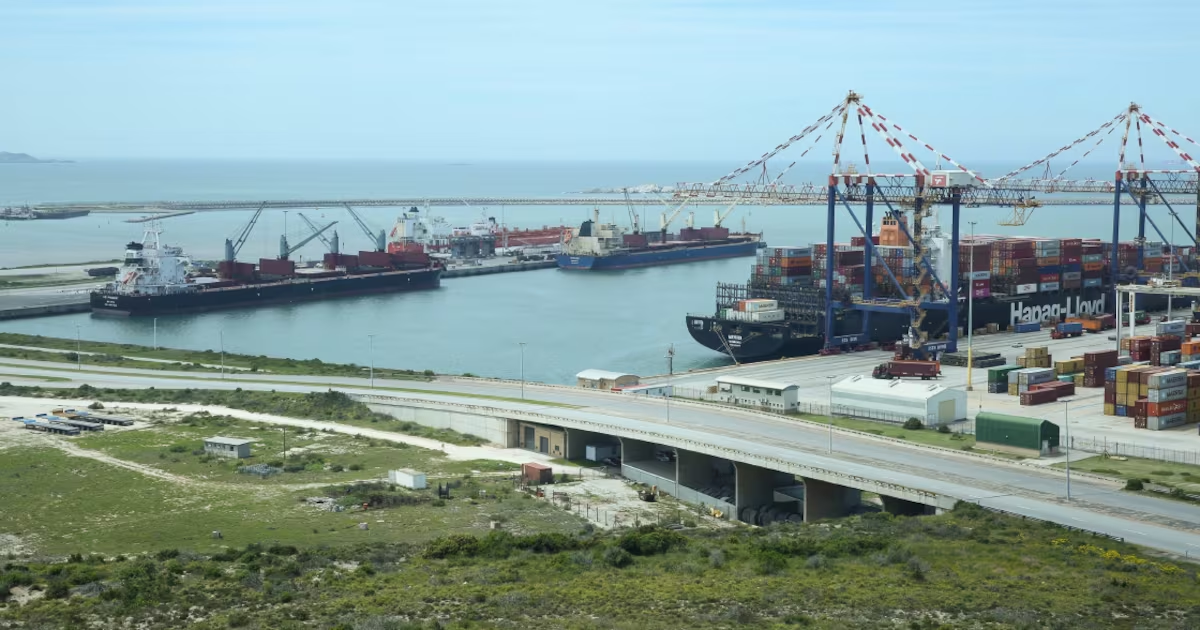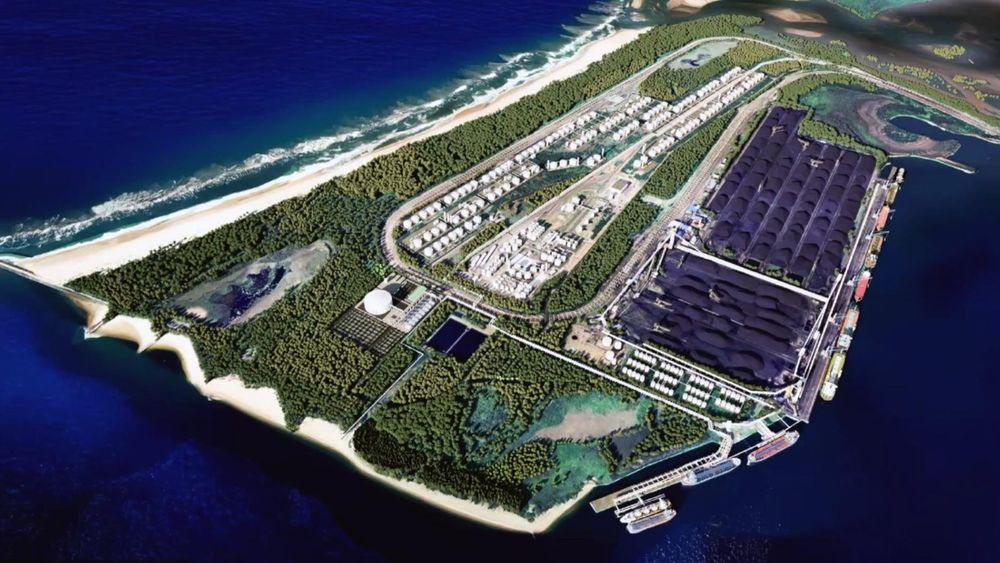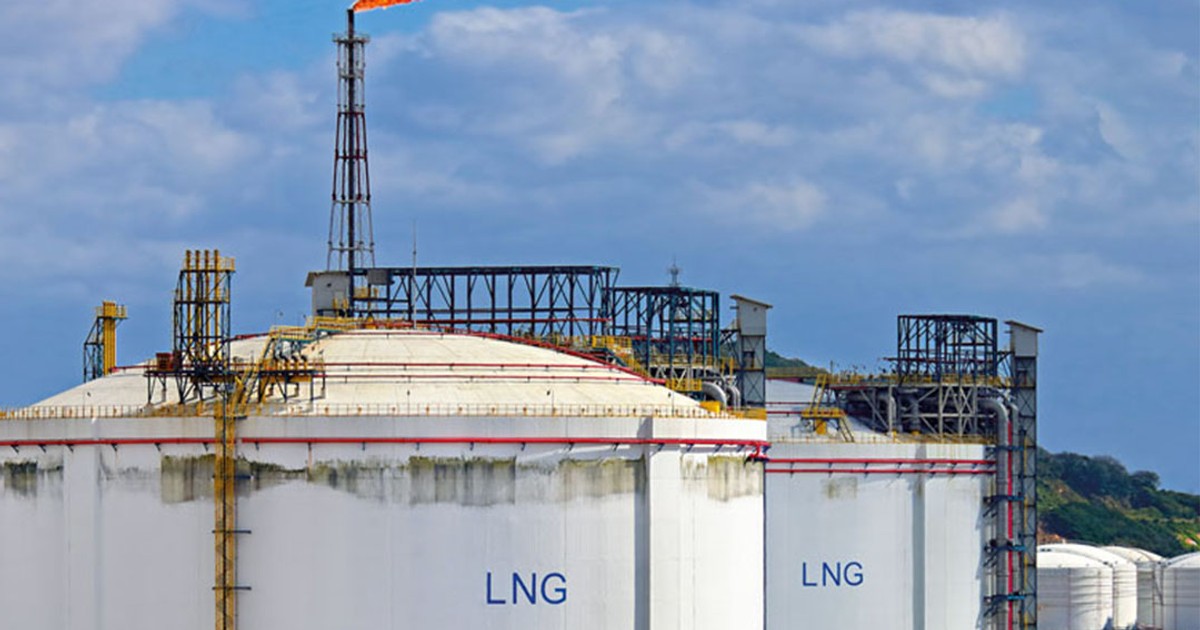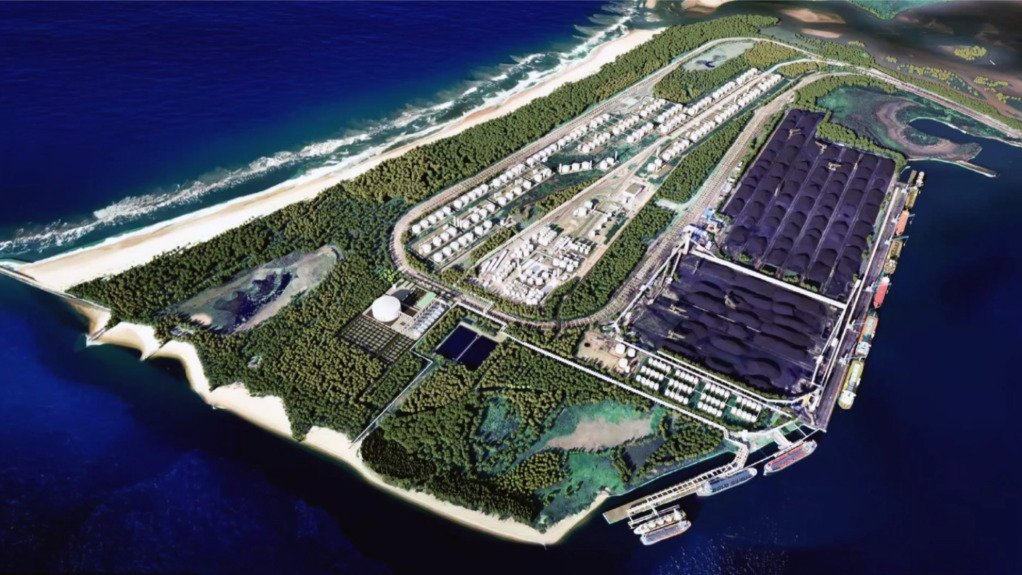
The emerging liquefied natural gas (LNG) corridor linking northern Mozambique’s Rovuma Basin with South Africa’s coastal import terminals at Richards Bay and Ngqura represents one of the most consequential structural transformations in contemporary African political economy. More than discrete infrastructure investments, the developments signal a transnational energy–industrial system capable of reshaping production, trade and technology across Southern Africa.At one end of the corridor lies Mozambique, on the cusp of becoming a globally significant gas-exporting economy. At the other stands South Africa, a historically energy-constrained industrial base advancing towards a diversified, gas-enabled power system. Together, the developments signal the emergence of a regional growth model in which upstream resource extraction and downstream industrialisation are structurally integrated.ExxonMobil is the lead developer and operator of the Rovuma LNG project (Area 4) offshore in northern Mozambique, which constitutes the anchor of the transformation. With reserves exceeding 2.41-trillion cubic metres in the block and more than 2.83-trillion cubic metres nationally, Mozambique has rapidly emerged as one of the most strategically positioned gas economies globally. These reserves are not merely geological assets; they represent the basis for a fundamental reconfiguration of the country’s economic structure.A Standard Bank macroeconomic study (2026) estimated the Rovuma LNG project could contribute about $11bn a year to Mozambique’s GDP once fully operational. Mozambique’s GDP is about $18bn, meaning the project could add about 60% of today’s GDP annually. Fiscal revenues estimated at roughly $4bn per year, alongside a projected sovereign wealth accumulation exceeding $80bn over time, underscore the magnitude of the macroeconomic transition underway. This makes Rovuma LNG potentially one of the most transformative economic projects in Africa.For Mozambique, the significance of Rovuma LNG extends beyond output. With employment creation estimated at more than 150,000 direct and indirect jobs, the project can catalyse skills development, enterprise formation and human capital accumulation. In a national context where about 60% of the Mozambican population has access to electricity, these effects intersect with poverty reduction and social inclusion. The project thus shows how resource extraction can drive structural transformation rather than remain an isolated enclave sector.The LNG corridor creates a mutually reinforcing interdependence in which upstream extraction and downstream industrial use are linked across bordersIf Mozambique represents the upstream pillar of this emerging system, South Africa constitutes its downstream industrial counterpart. The development of LNG import and gas-to-power infrastructure at Richards Bay and Ngqura reflects a strategic pivot in South Africa’s energy policy, away from overwhelming dependence on coal assets toward a more diversified energy mix.With an estimated cost between R70bn and R88bn, Richards Bay integrates LNG import capacity with a 3,000MW combined-cycle gas turbine plant designed to operate over a 25-year horizon. In terms of operational trajectory, Richards Bay is expected to follow a phased development model, with initial LNG import infrastructure and floating storage regasification units targeted for commissioning around 2027–2028, while full combined-cycle generation capacity is projected to come online progressively toward the end of the decade, likely between 2028 and 2030. This reliability shift has far-reaching implications. South Africa’s energy-intensive sectors — including aluminium smelting, ferroalloys, steel and petrochemicals — have long been constrained by an unstable electricity supply. Scalable gas-fired generation reduces energy risk premiums and creates conditions for renewed industrial competitiveness. For the Richards Bay Industrial Development Zone, reliable baseload and mid-merit power could attract investment in smelting, electric arc furnaces and advanced materials processing.Moreover, the availability of competitively priced power opens pathways for downstream industrial diversification. Chemical processing, fertiliser production and gas-to-liquids industries are particularly well-positioned to benefit from stable gas supply. These sectors generate significant multiplier effects, extending the economic impact of LNG far beyond electricity generation into broader manufacturing ecosystems.A parallel dynamic is unfolding at the Ngqura LNG terminal within the Coega special economic zone. Though smaller in capital scale at about R22bn, Ngqura plays an equally strategic role in anchoring the Eastern Cape’s industrial future. Designed to support up to 3,500MW, the project enhances regional energy reliability and reinforces the special economic zone’s attractiveness as a hub for energy-intensive investment. Operationally, Ngqura is expected to come online slightly ahead of or in parallel with Richards Bay, with initial import and regasification capability anticipated around 2026–2027.One of the most forward-looking dimensions of the LNG corridor lies in digital infrastructure. Data centres require uninterrupted, high-density power and increasingly locate where reliability is assured. Gas-fired generation provides the stable baseload and flexible ramping needed by hyperscale facilities, positioning South Africa as a regional hub for digital services, cloud computing and artificial intelligence processing.Simultaneously, metallurgical sectors — including manganese beneficiation, aluminium refining and steel production — stand to benefit from a reduction in systemic energy risk. Historically, the unpredictability of electricity supply has deterred investment in these industries. The addition of about 6.5GW of gas-enabled capacity across Richards Bay and Ngqura fundamentally alters this constraint, creating conditions conducive to reindustrialisation.Mozambique’s gas resources could become a shared regional asset, supporting industrial recovery, mineral beneficiation and deeper economic integration rather than remaining only a national export commodityThe LNG corridor creates a mutually reinforcing interdependence in which upstream extraction and downstream industrial use are linked across borders. This departs from traditional resource export dependence. Rather than exporting hydrocarbons in isolation, Mozambique becomes embedded in a regional value chain that supports industrialisation in neighbouring economies. South Africa, in turn, uses imported gas to strengthen domestic production, creating a transnational growth dynamic built on trade, investment and shared infrastructure.Mozambique’s LNG development has strong regional significance, especially for landlocked economies such as Zimbabwe, Zambia and Malawi. For Zimbabwe, expanded gas-to-power trade, regional electricity imports and stronger integration into Southern African power markets could improve energy security and reduce disruptions in mining, ferrochrome, platinum, lithium, steel, manufacturing and other power-intensive sectors. Zambia and Malawi could benefit in similar ways. In this sense, Mozambique’s gas resources could become a shared regional asset, supporting industrial recovery, mineral beneficiation and deeper economic integration rather than remaining only a national export commodity.Despite its transformative potential, the LNG corridor is not without risks. Security instability in northern Mozambique, regulatory uncertainty and the potential for resource dependency pose significant challenges. Without effective governance, the economic gains from LNG could be unevenly distributed or undermined by institutional weaknesses. Equally, the sustainability of gas as a transitional energy source must be considered within the broader context of global decarbonisation. While LNG offers a lower-emissions alternative to coal, its long-term viability will depend on alignment with emerging climate policies and technological transitions.Collectively, the Rovuma, Richards Bay and Ngqura LNG projects define a new economic geography for Southern Africa. They signal a transition from energy-constrained growth to one in which energy availability becomes a comparative advantage. By enabling heavy industry, supporting digital infrastructure and fostering regional integration, the LNG corridor lays the foundation for a new industrial era.However, its success will ultimately depend on the extent to which energy infrastructure is complemented by effective policy, institutional capacity and regional co-operation. If these conditions are met, the corridor has the potential not merely to supply energy but to reshape the region’s economic trajectory for decades to come.• Dr Tshitereke is an honorary professor at Unisa’s Thabo Mbeki School of Public and International Affairs and is chief of staff at the minerals & petroleum resources ministry.
CLARENCE TSHITEREKE | Emerging LNG corridor set to rewire Southern Africa’s economic future
New energy corridor promises jobs, investment and industrial resurgence, writes Clarence Tshitereke.
1,199 words~5 min read