Story audio is generated using AI
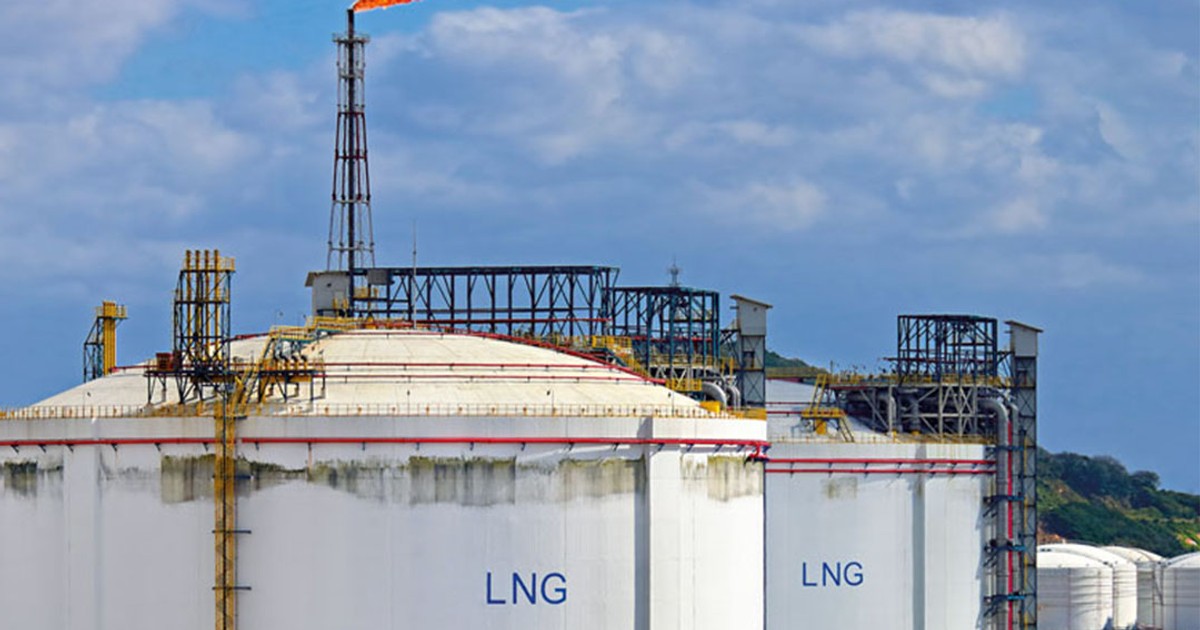
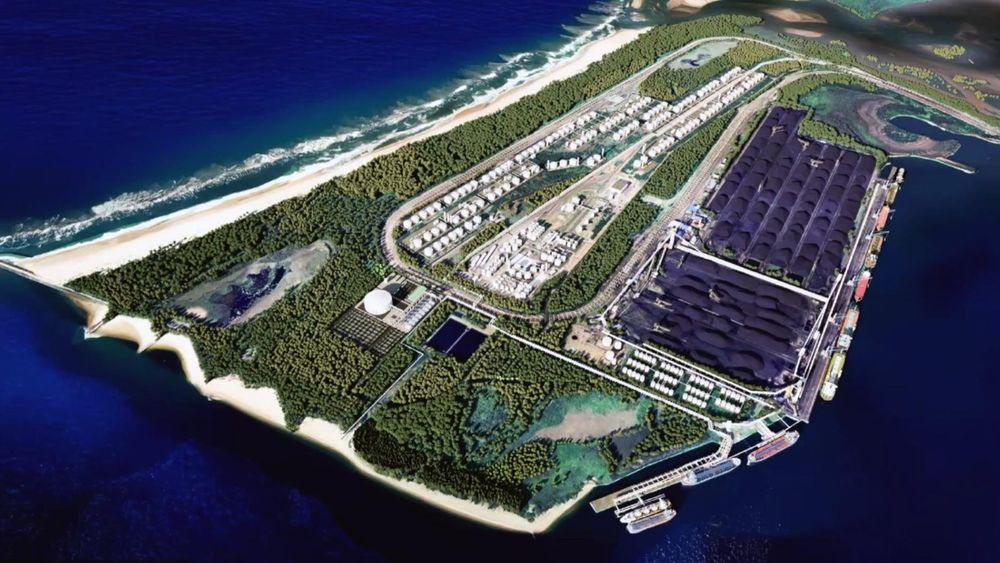
Mozambique’s drive to develop one of the world’s largest liquefied natural gas (LNG) projects could create wider opportunities for Southern Africa, with a Standard Bank-backed macroeconomic study saying the development could become a catalyst for a growing LNG, domestic gas and regional gas industry.The study, prepared by the Pretoria-based consulting firm Conningarth Economists for Standard Bank, assessed the proposed Rovuma LNG project, an 18-million tonne a year development planned for northern Mozambique that aims to commercialise part of the country’s vast offshore gas resources.According to the report, the project’s vision extends beyond LNG exports and includes the development of domestic and regional gas opportunities as part of a broader industrialisation strategy.The study says the project could become “a catalyst for a growing Mozambique LNG industry”, with gas being used domestically and regionally to support wider economic development.Under the study’s long-term vision, Mozambique could ultimately position itself as the world’s fourth-largest LNG supplier after the US, Qatar and Australia.Mozambique’s development comes as South Africa is positioning gas as part of its electricity planning, with LNG imports emerging as a near-term option to support planned gas-to-power capacity.On Friday, Eskom signed an agreement with Zululand Energy Terminal for LNG import infrastructure at Richards Bay, in support of its gas-to-power development linked to a 3,000MW expansion plan as per the Integrated Resource Plan 2025.This is the clearest indication that South Africa’s gas-to-power plans are leaning towards LNG imports as a key input for future generation capacity, given limited domestic gas availability. However, the practical pathways for securing LNG supply are unclear, with details about sourcing arrangements, pricing frameworks and import logistics yet to be defined.While Mozambique advances plans to develop a large-scale LNG export and domestic gas industry, South Africa’s gas sector has seen uneven progress. Regulatory uncertainty and legal challenges across parts of the value chain have delayed offshore exploration and development projects, with court action halting or slowing activities. This has weakened momentum in bringing domestic resources into production despite confirmed discoveries such as Brulpadda and Luiperd.Industry stakeholders warn of a policy vacuum in South Africa’s gas sector, citing fragmented policy frameworks and legislative constraints that have slowed investment decisions. Concerns include the effectiveness of existing upstream petroleum legislation in supporting bankable projects, as well as environmental approval processes that have, in some cases, led to legal disputes, delays or project stoppages. This has contributed to slow progress in developing new domestic gas supply ahead of an expected gas shortfall.