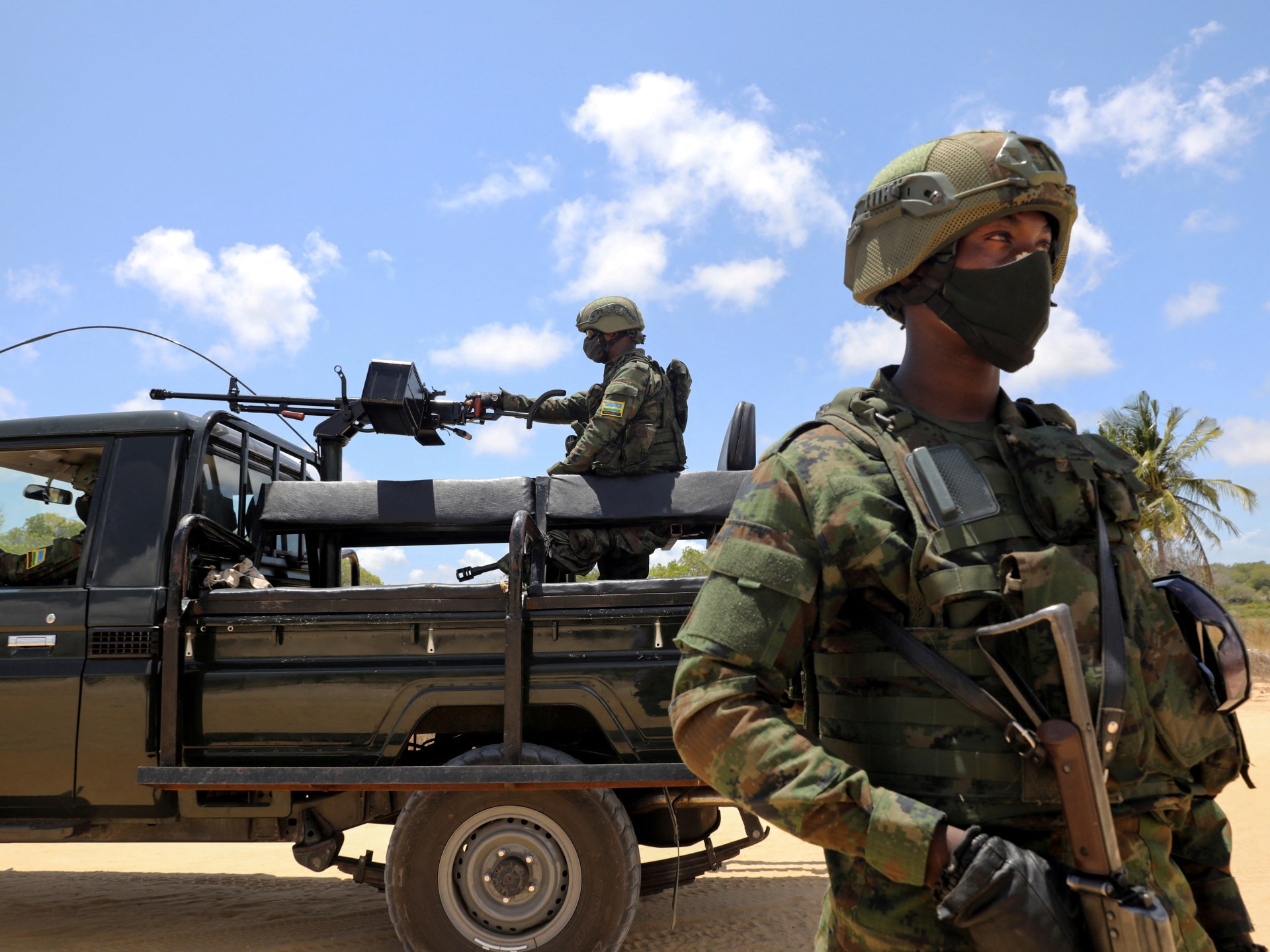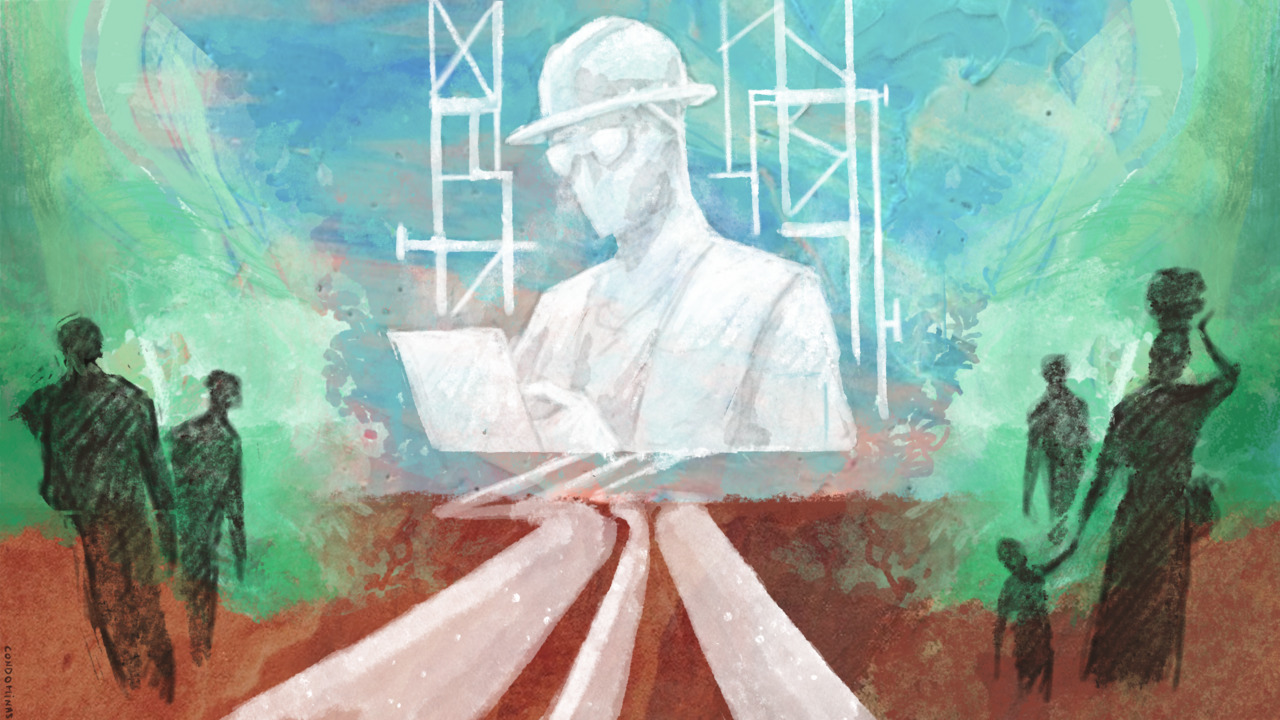
The resumption of one of the world's biggest gas projects by French energy giant TotalEnergies, after a five-year suspension following a deadly jihadist attack, has raised hopes of jobs and prosperity in northern Mozambique. But this second instalment of Mozambique Exposed – an investigation coordinated by Forbidden Stories, to which RFI contributed – questions whether the country's vast gas wealth will benefit local communities.
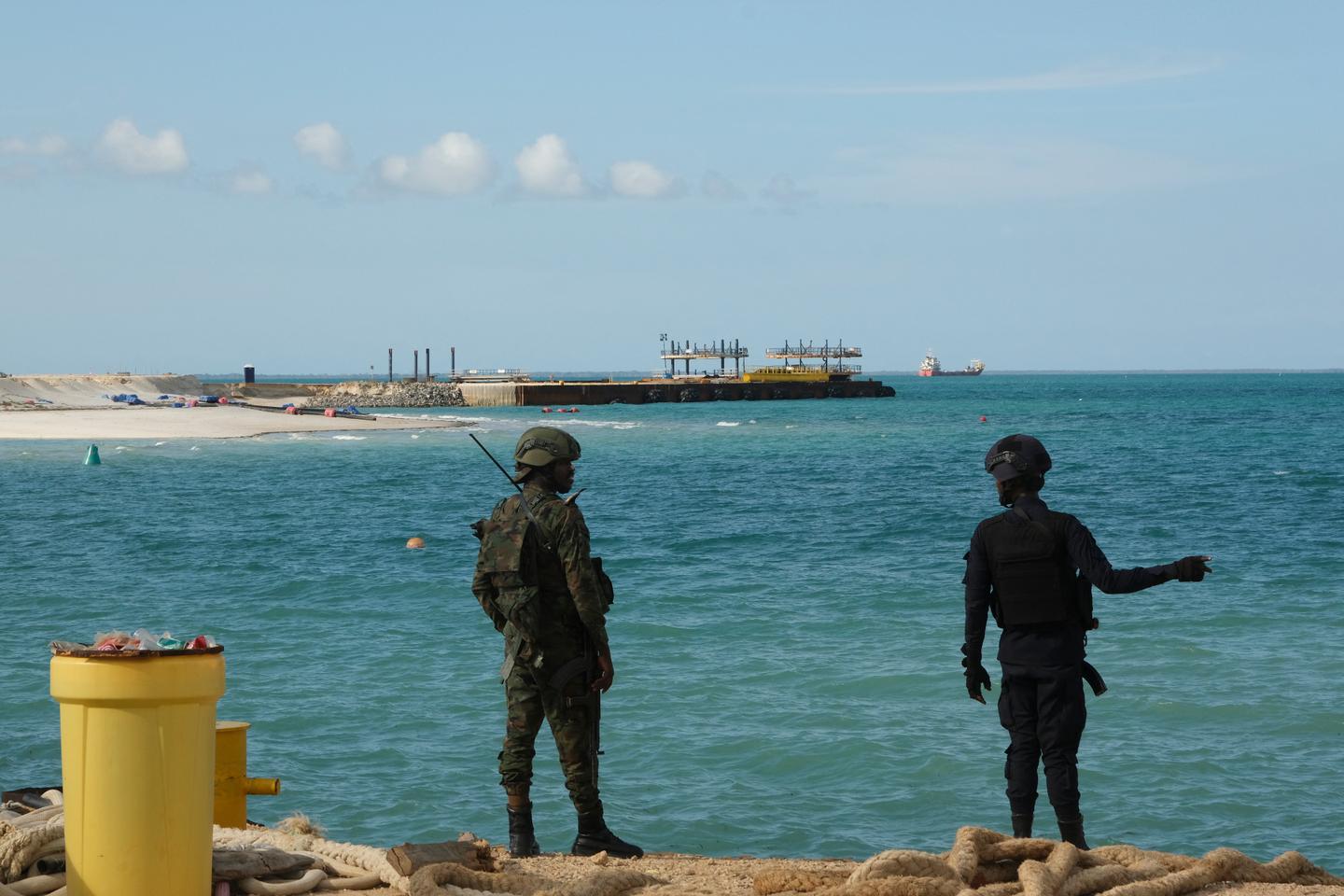
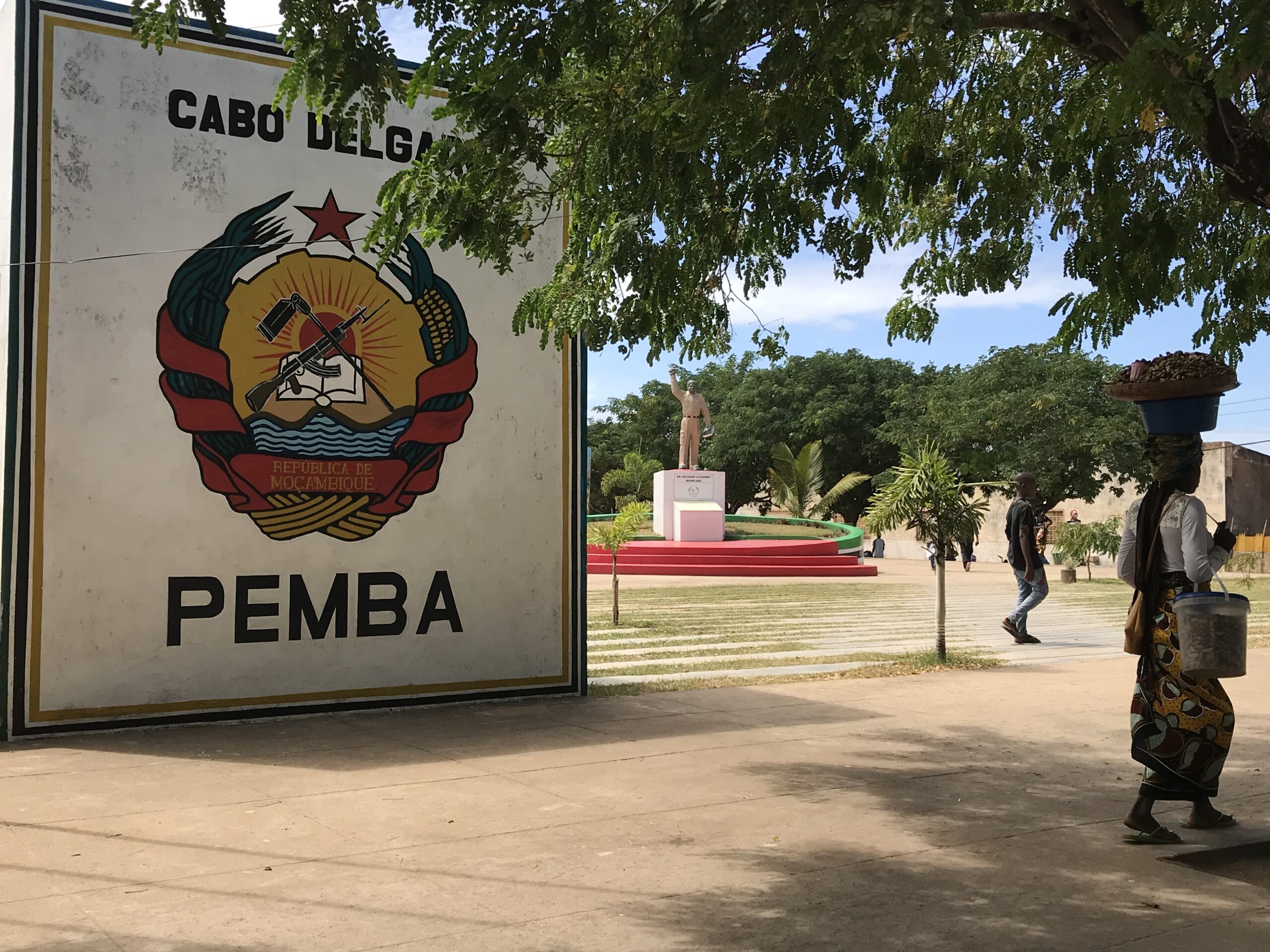
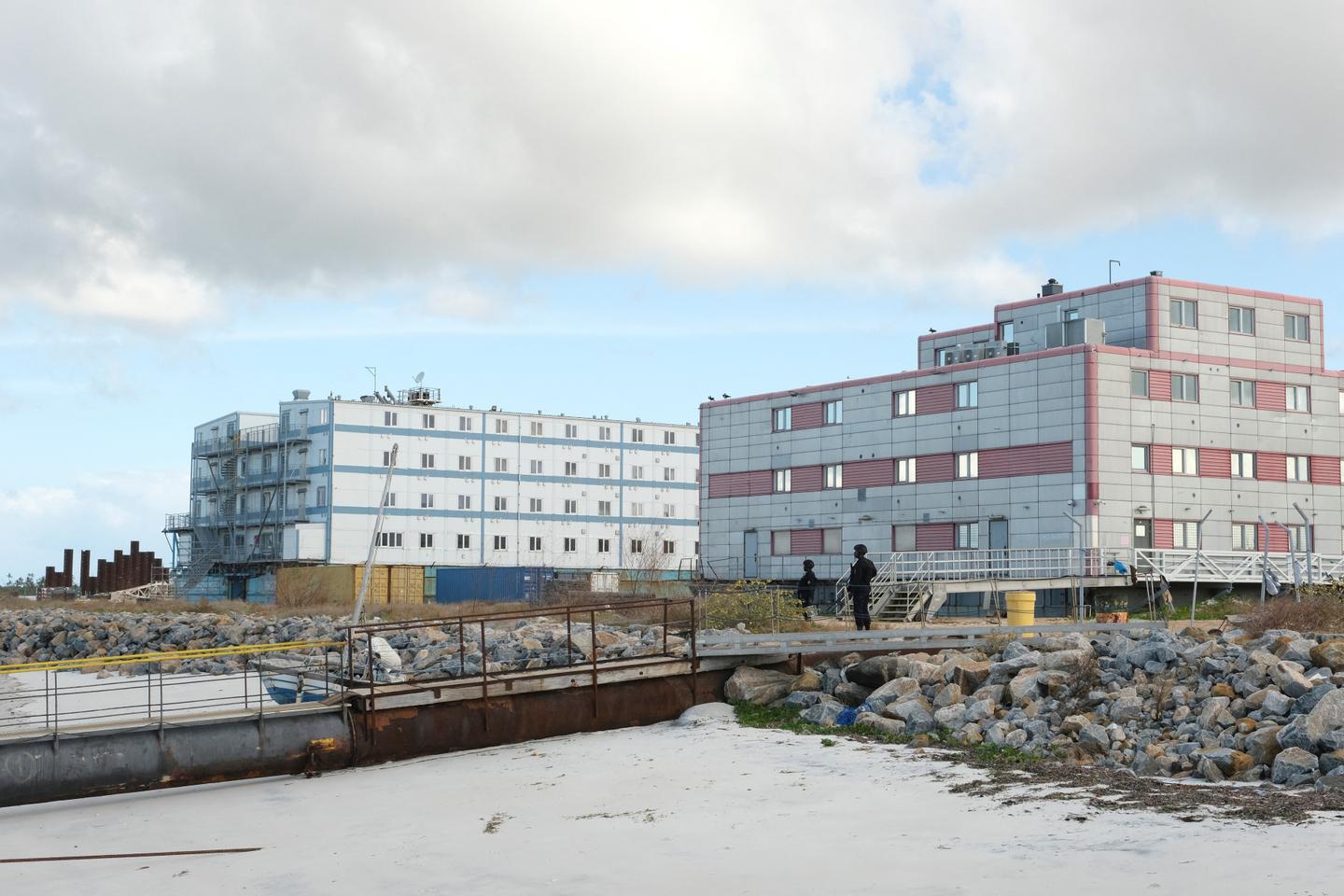
It is barely 7am in the departure lounge at Pemba airport in northern Mozambique, on a day in early May. Around a dozen passengers sit quietly, some trying to recover from a short night's sleep. Most are aid workers waiting for a United Nations-chartered flight to Mueda, Mocímboa da Praia or Palma, several hundred kilometres north of Pemba. Suddenly, four heavily built men stand up. A pilot hands them unusual flat, brightly coloured life jackets. The group walks across the tarmac towards a helicopter. "They're going to Afungi," one aid worker remarks. "A direct landing at the Total base." A closed-off enclave Afungi is a peninsula near the town of Palma in Mozambique's far north, in the Cabo Delgado province close to the border with Tanzania, whereTotalEnergies and its partners have established the Mozambique LNG (liquid natural gas) project. The $20 billion project involves developing an offshore gas field in the Rovuma Basin and building facilities onshore to liquefy methane for export. The reserves, estimated at 5,000 billion cubic metres, are among the largest ever discovered. For this vast undertaking, TotalEnergies is being joined by several international partners, including three Indian oil companies, Japan's Mitsui and the Mozambican state, which holds a 15 percent stake. The Afungi site covers 7,000 hectares behind perimeter fencing. At its centre is a paved airstrip surrounded by accommodation blocks and a maze of warehouses. "Foreign companies isolate their workers. It does nothing for local development," says Abudo Gafuro, an activist with the human rights group Kundeleya. Since 2017, Cabo Delgado has been gripped by an Islamist insurgency. Militants from the group Ansar al-Sunna (locally known as al-Shabaab), claim to be seeking to implement Sharia law and a new social order that would deliver a fairer distribution of wealth in the province. According to the conflict-monitoring organisation Acled, more than 6,500 people have been killed, and a UN agency estimates at least 1 million people have been displaced. TotalEnergies decided to suspend the Mozambique LNG project in 2020 due to security concerns. In April 2021 it officially announced the suspension after a series of deadly coordinated jihadist attacks. Work resumed only in January this year.