Story audio is generated using AI
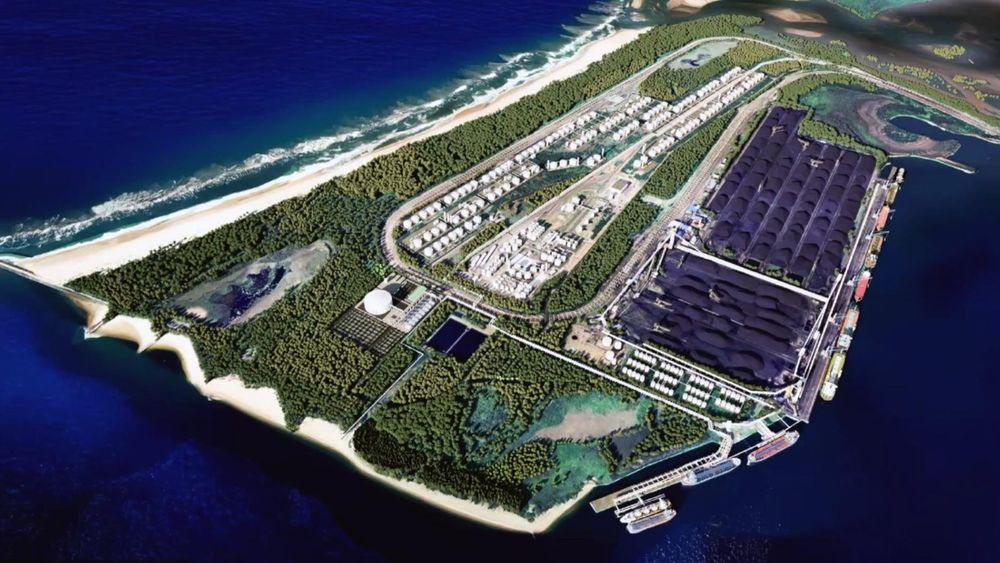
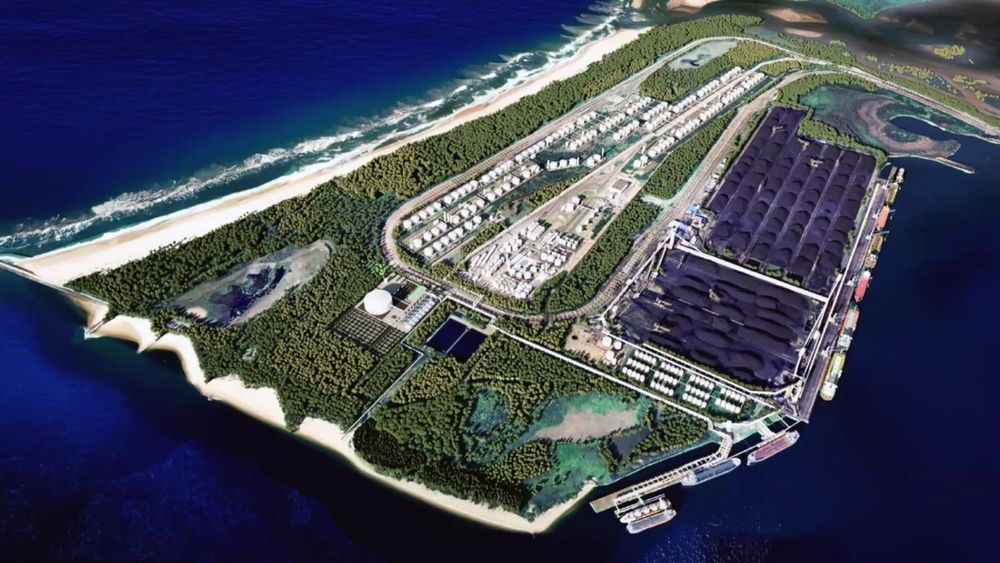
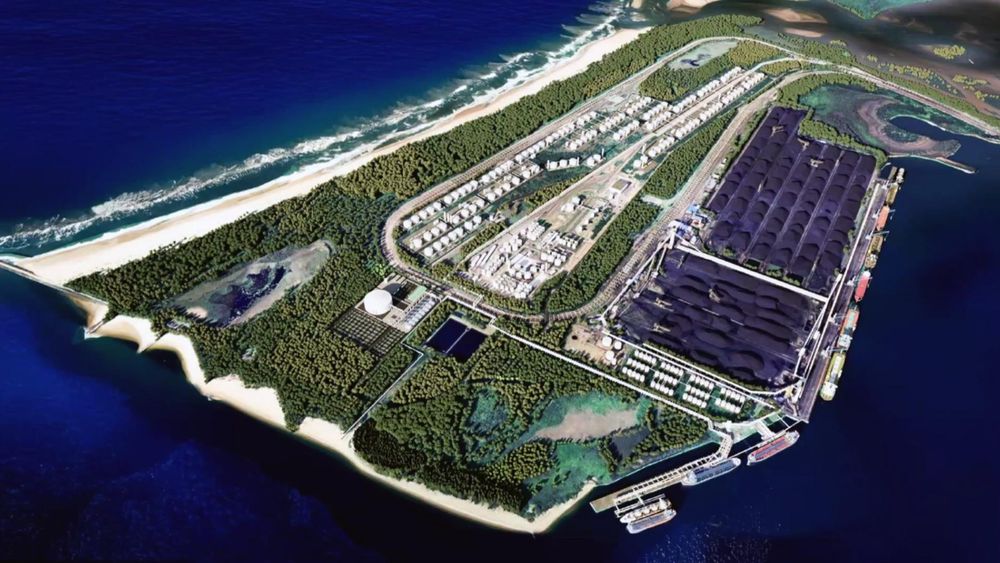
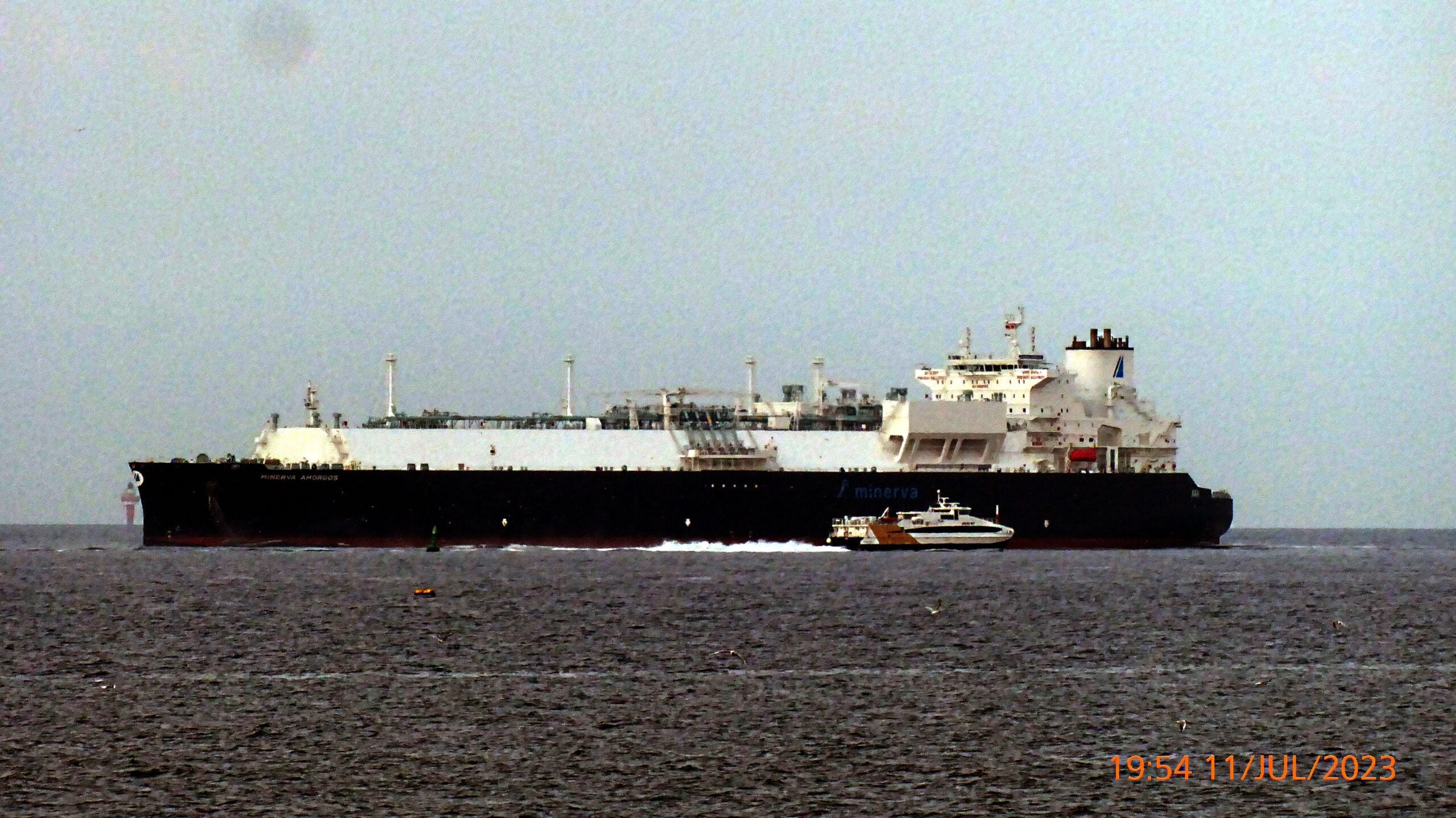
Eskom’s agreement with Zululand Energy Terminal for planned liquefied natural gas (LNG) import infrastructure indicates how South Africa’s gas-to-power ambitions are taking shape.The heads of agreement, signed on Friday, sets out plans for an LNG import facility at the Port of Richards Bay that would bring gas into the country by ship, store it onshore and convert it back into gas for use in electricity generation and other industries.The development comes as uncertainty continues around South Africa’s domestic gas supply outlook, with limited progress on local exploration and delays in bringing new regional gas projects online. Under the agreement, Eskom is expected to become a major long-term buyer of imported LNG, providing the initial demand needed to support development of the import facility. That demand commitment is expected to improve the project’s viability.The LNG import facility is intended to supply Eskom’s planned gas-fired power station at the Richards Bay Industrial Development Zone in KwaZulu-Natal, which is in the development stage. If it proceeds, the plant is expected to use imported LNG as its main fuel source.South Africa’s Integrated Resource Plan (IRP) 2025, the country’s roadmap for how electricity will be generated as it seeks to diversify its energy mix while maintaining energy security, sets out plans for 6,000MW of gas-to-power capacity by 2030, split between Eskom and independent power producers. Eskom’s planned LNG-linked project is part of its expected contribution to the 3,000MW allocation set aside for the utility under the plan.The country has for some time been considering LNG imports as part of its long-term gas strategy, as domestic gas supplies continue to tighten and new regional sources remain uncertain. Imported LNG is typically more expensive than locally produced gas as it must be liquefied in the exporting country, shipped to the importing country, stored, and converted back into gas before being used. Natural gas is widely regarded as a transition fuel because it can be used to generate electricity with lower emissions than traditional coal-fired generation. Gas-to-power, the use of natural gas to generate electricity, provides the flexibility and reliability needed to support the integration of renewable energy into the grid.The Richards Bay power station is planned to operate as a mid-merit plant, meaning it would not run continuously but would be brought online during periods of higher electricity demand or when renewable output is low. In simple terms, it is intended to provide electricity when it is needed most, supporting overall grid reliability.Eskom said the Richards Bay project will be developed through a private sector participation model, involving external investors, project finance, and long-term contracts for electricity sales and LNG supply.Zululand Energy Terminal is a joint venture between Vopak Terminal Durban, Reatile Group and Transnet Pipelines and has been awarded a concession by the Transnet National Ports Authority to develop and operate the LNG import facility at the Port of Richards Bay on an open access basis. ‘Gas cliff’Open access means the facility will not be reserved for a single user but will be available for use by multiple customers on agreed commercial terms, subject to available capacity.A heads of agreement is an early-stage framework outlining the main terms of a deal. It is not a final contract but sets out broad principles while detailed negotiations continue on pricing, supply volumes, financing and timelines.This has raised concerns among industrial users about longer-term supply availability, often referred to as the country’s “gas cliff”, where existing supply sources are expected to taper off before new alternatives are firmly in place.