South Africa is taking steps to strengthen its energy security and reduce its reliance on imported fuel.
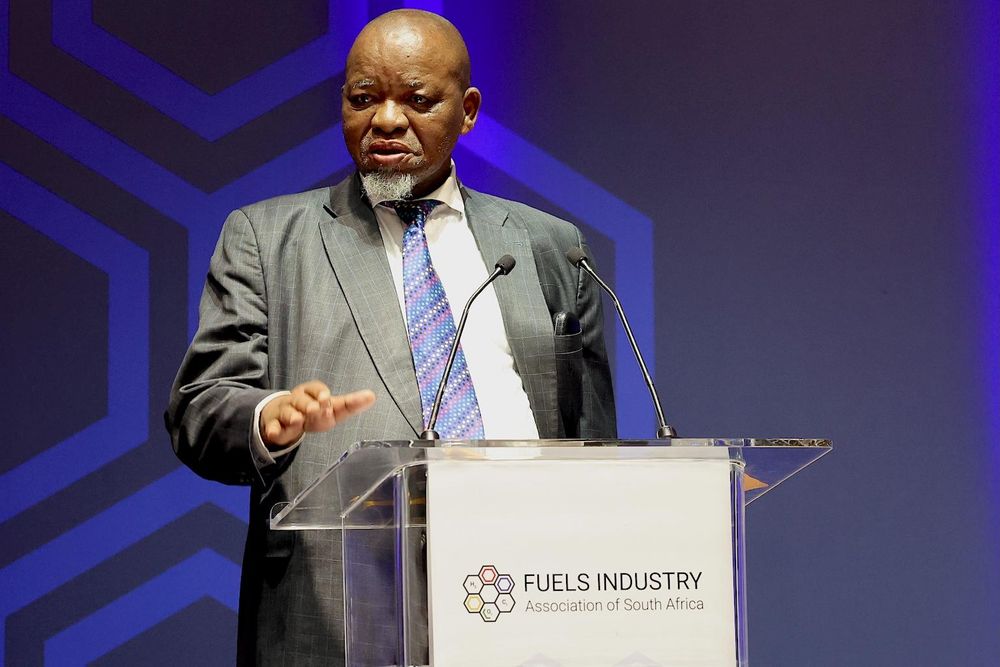
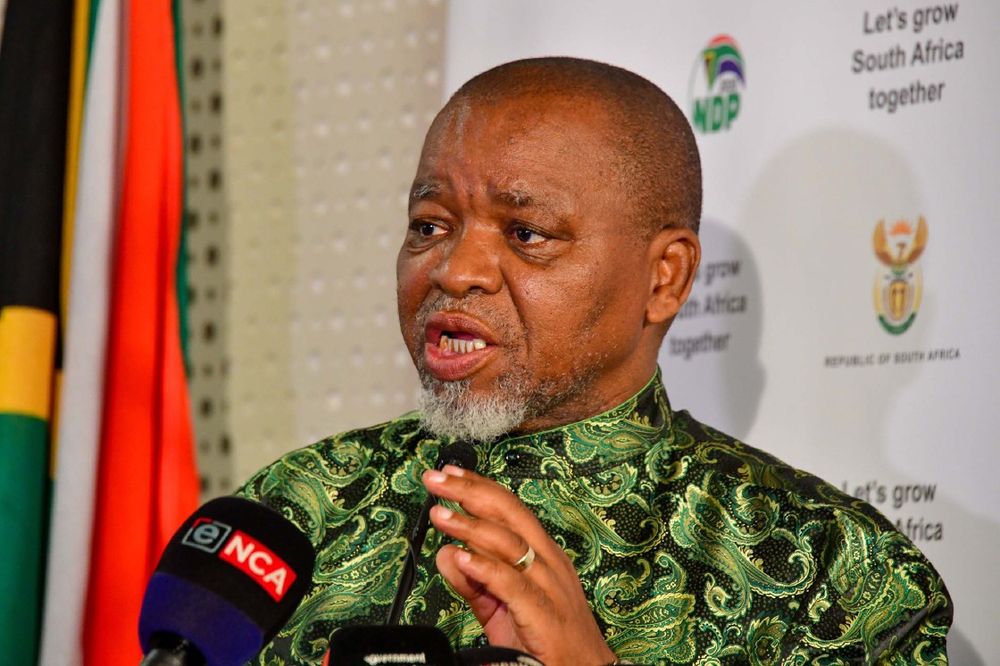
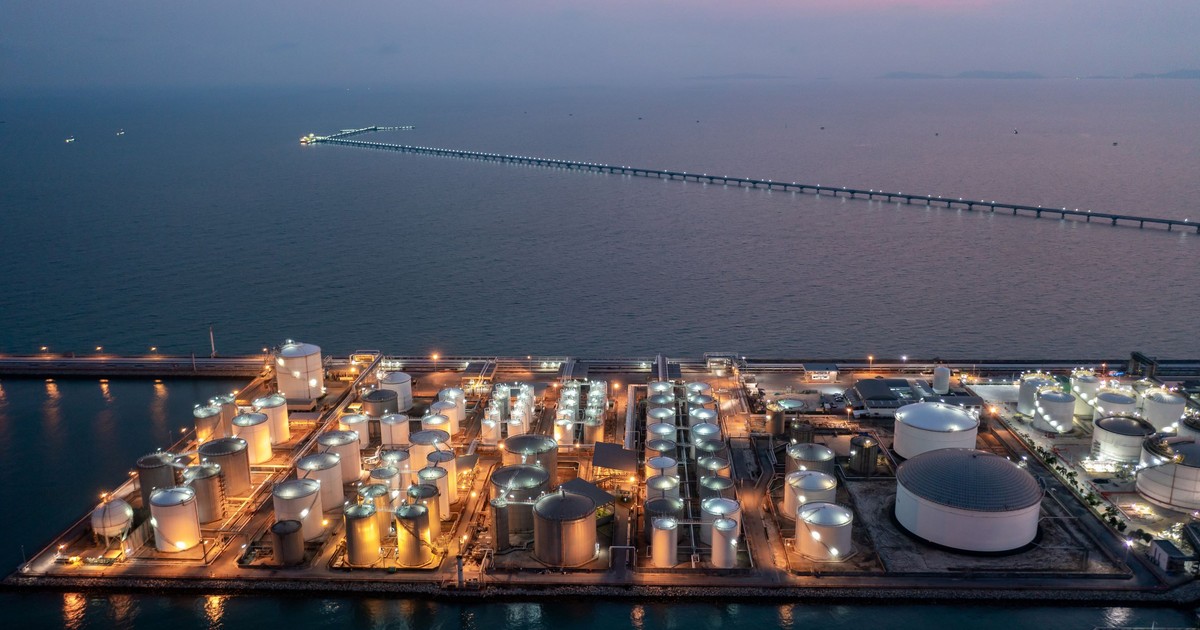
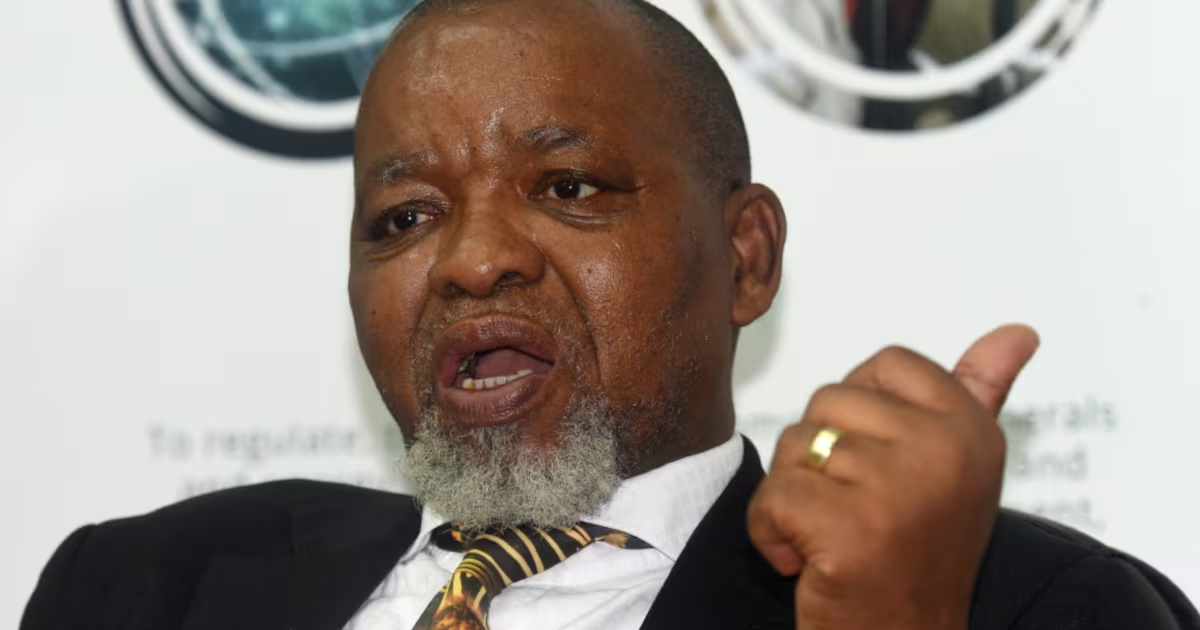
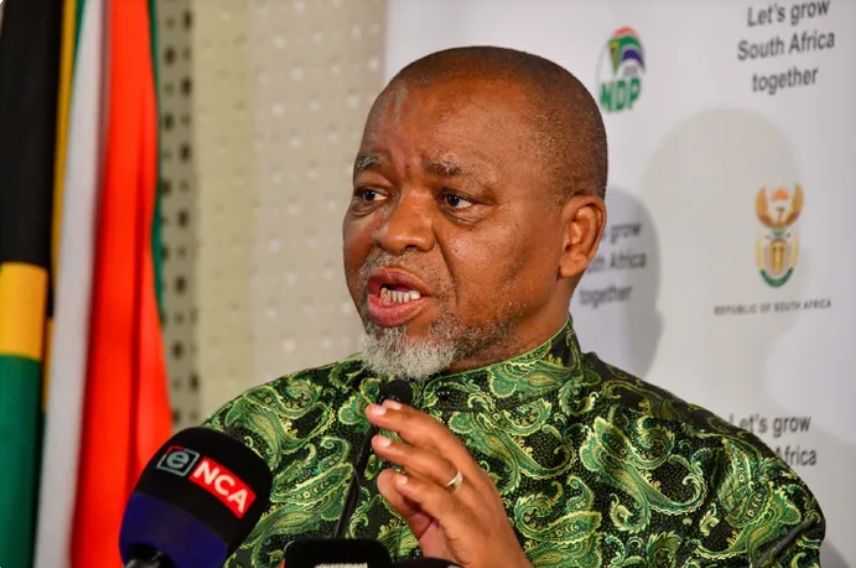
Now, Mineral and Petroleum Resources Minister Gwede Mantashe has made an announcement that the government intends to change this. A draft Strategic Petroleum Stocks Policy, to be submitted to Cabinet, proposes that the South African National Petroleum Company maintain reserves equivalent to 60 days of net imports of crude oil and refined products. The announcement, made at the Fuels Industry Association of South Africa Annual Imbizo in Sandton on 10 June 2026, is the first formal policy signal in years that Pretoria is serious about closing what has become a dangerous gap between capacity and reality.
The inadequacy of South Africa's current reserve position did not reveal itself gradually. It was exposed suddenly and brutally, more than once.
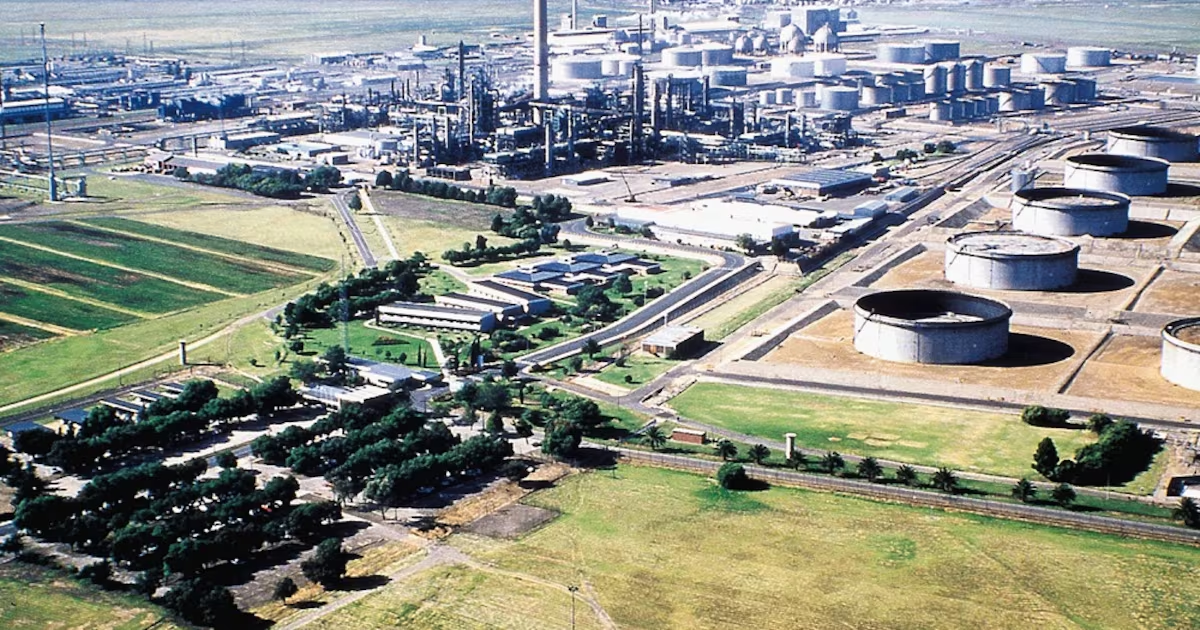
In July 2022, Sasol was forced to declare force majeure on refined product deliveries after delays in crude shipments brought the Natref refinery in Sasolburg to a complete halt. At that point, every conventional oil refinery in the country was effectively out of service simultaneously. More recently, in early 2026, an unplanned Natref shutdown forced the industry to reroute jet fuel supplies through Mozambique's Matola terminal, which was a workaround that required a special temporary customs licence and took nearly three weeks to implement. In the interim, jet fuel stocks at OR Tambo International Airport dropped to levels that, by industry accounts, were genuinely alarming.