South Africa is taking decisive steps to reduce its reliance on imported refined petroleum products
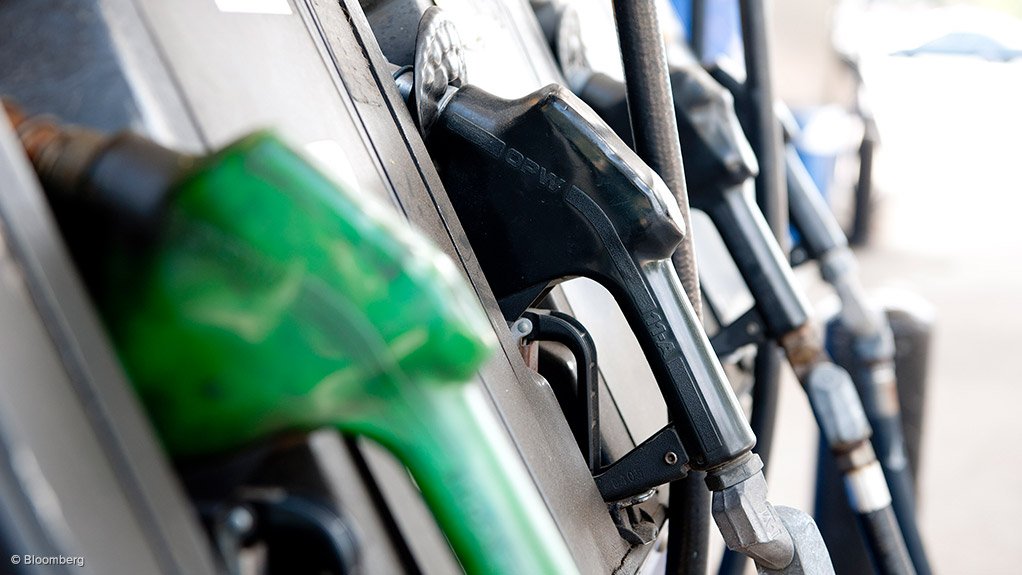
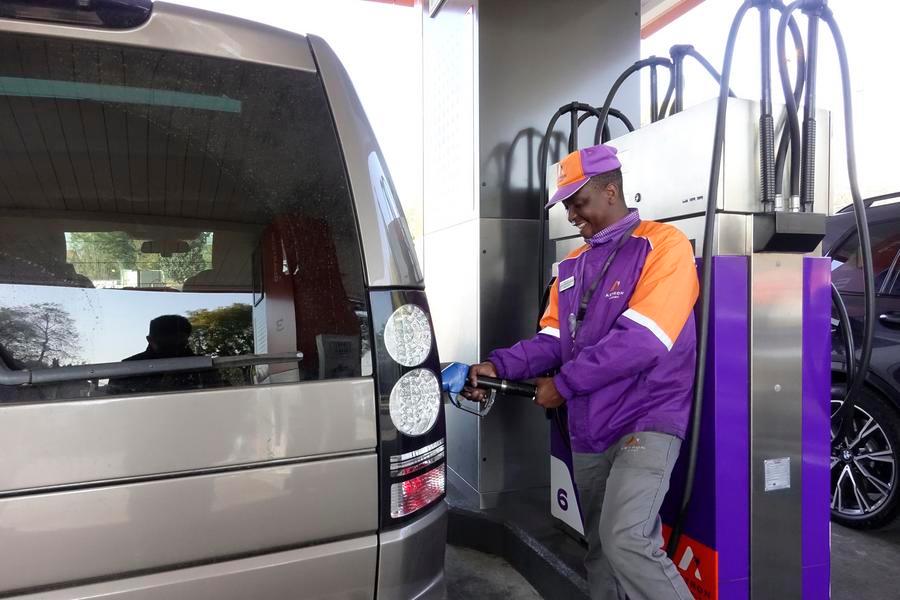
It is forgivable to think that an oil shock mainly hurts at the petrol pump. After all, that is where households feel it first. But when my colleagues and I at the Bureau for Economic Research started digging through South Africa’s fuel data, a different story emerged – one that says as much about the country’s infrastructure failures as it does about global geopolitics.
As we began modelling the likely impact on the South African economy, it quickly became clear that diesel would inflict even more pain on the economy than petrol. (Our insights are based on ongoing analysis that has not yet been published.)
There are two reasons for this.
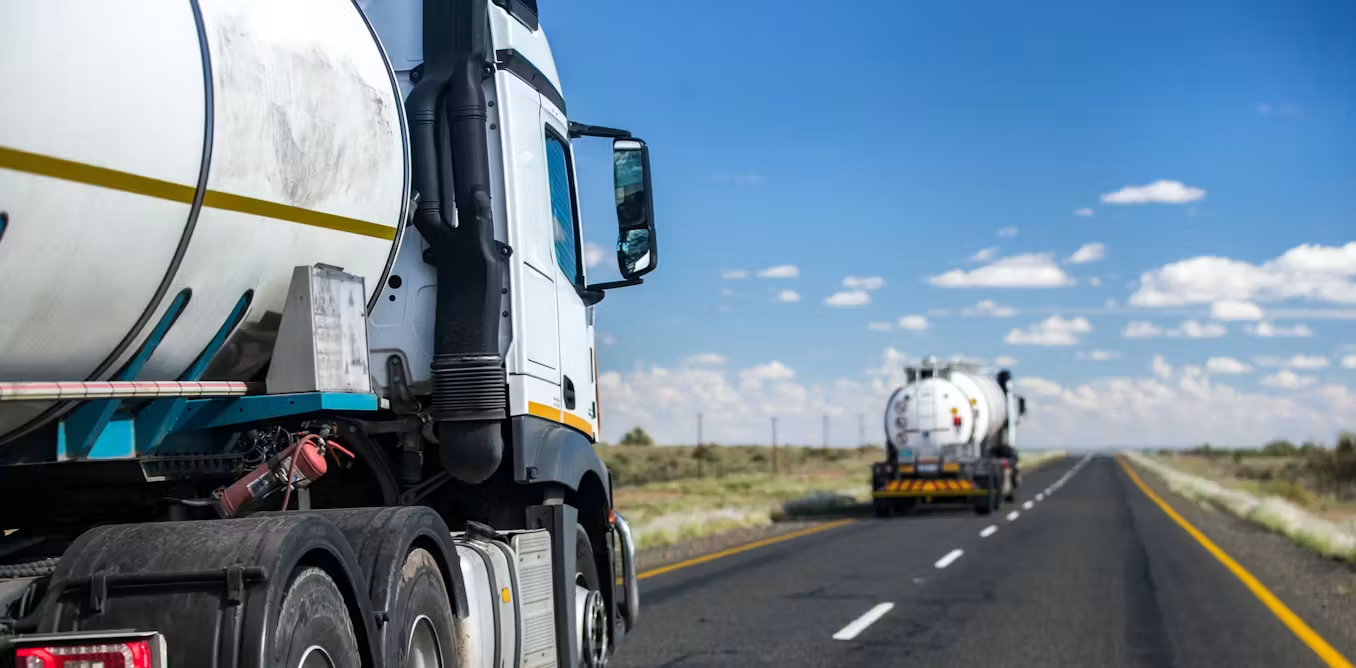
Firstly, diesel underpins the South African economy’s cost structure. It powers the systems that keep the economy functioning: freight transport, food distribution, mining operations, agricultural machinery, generators and large parts of the country’s logistics network. Higher diesel prices therefore raise the cost of transporting goods, distributing food, operating mines and running backup generators during electricity disruptions.