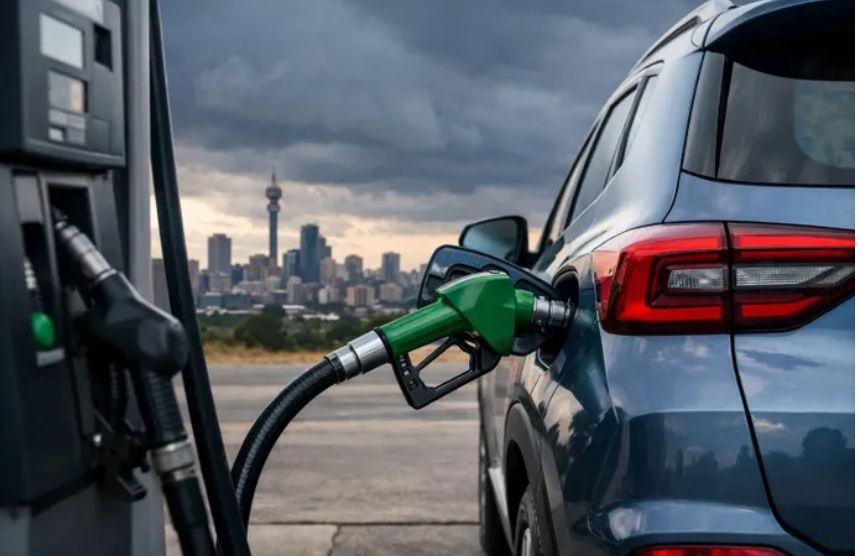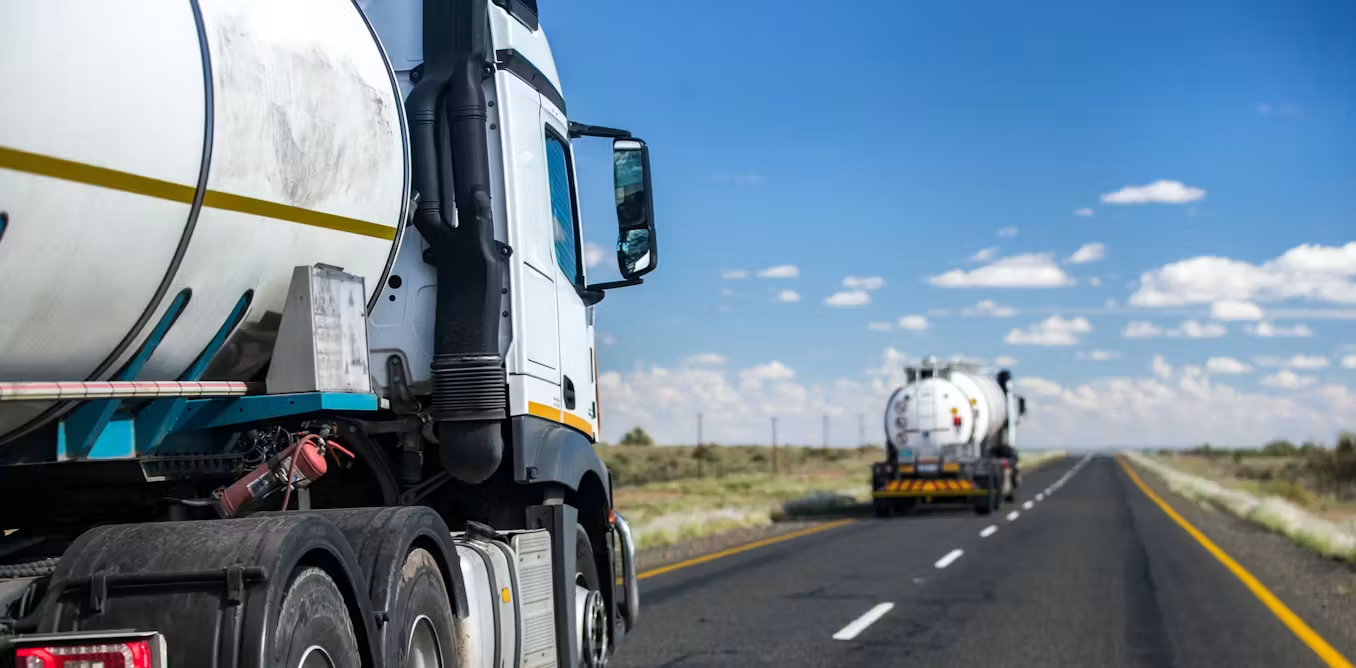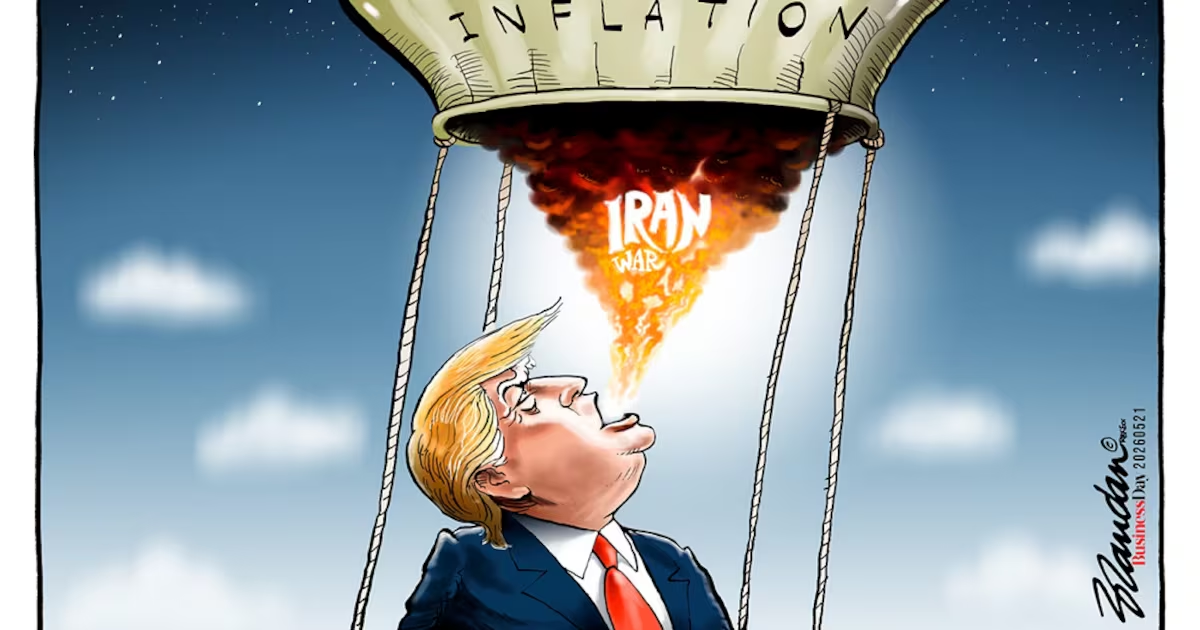
A war thousands of kilometres away is hitting South African motorists and industries at the pump and the government's response reveals just how exposed the country truly is.
Over the past two months, petrol prices have surged by R6.29 per litre and diesel by a staggering R12.60 per litre, a direct consequence of chaos in global oil markets triggered by the US-Iran war that erupted on 28 February 2026. The conflict's most economically damaging consequence has been the closure of the Strait of Hormuz (the narrow waterway through which 20% of the world's oil supply normally flows). With the war now entering its fourth month, global oil prices have broken and held above $100 a barrel, reaching $125 at points, and economists are revising their forecasts upward for the rest of the year. For South Africa, a country that imports the vast majority of its refined petroleum, the fallout has been immediate and severe.
The government's short-term response has been a fuel tax cut, a R3.00 per litre reduction on petrol and R3.93 per litre on diesel, announced jointly by the Department of Mineral and Petroleum Resources and National Treasury. It is a meaningful intervention, and consumers will feel the relief. But the key word is "temporary." At least half of those tax cuts are scheduled to be reversed from July, meaning the relief window is narrow and the underlying pain will return. Minister Gwede Mantashe, in his budget vote speech on Tuesday, was candid about this limitation. The tax relief buys time. It does not buy solutions.