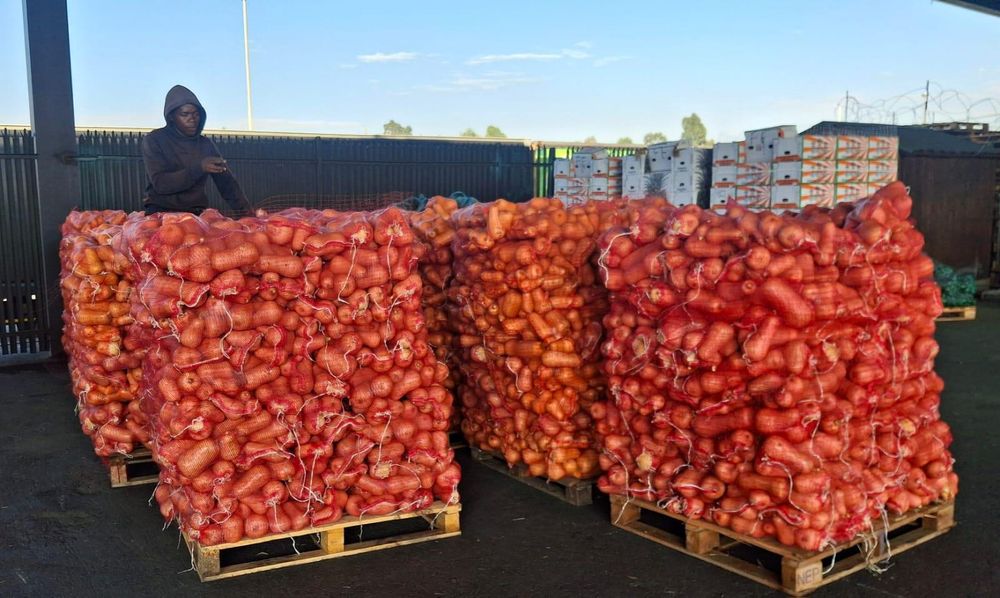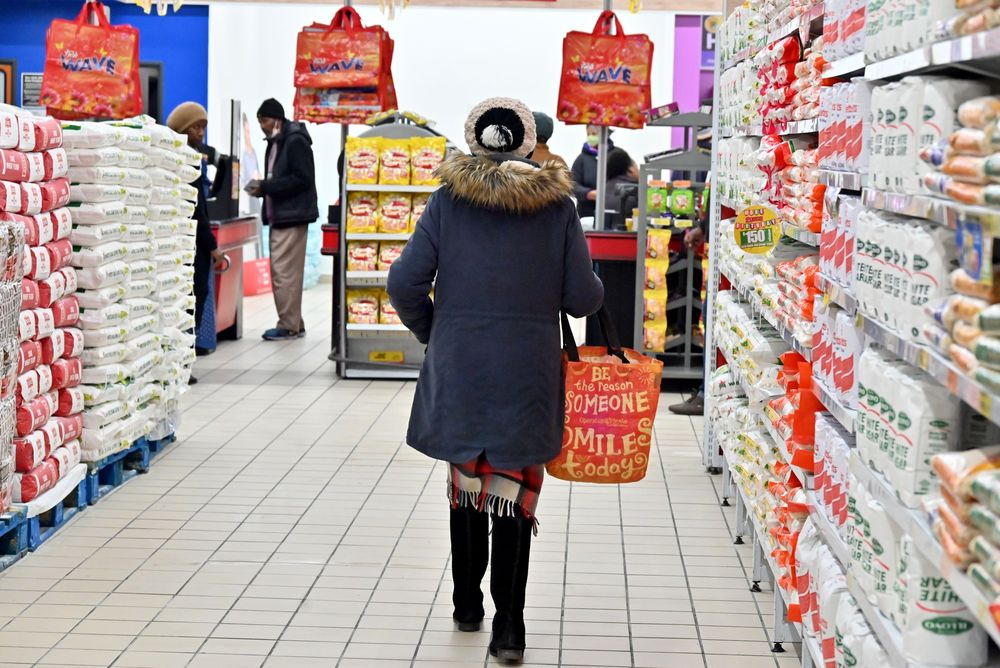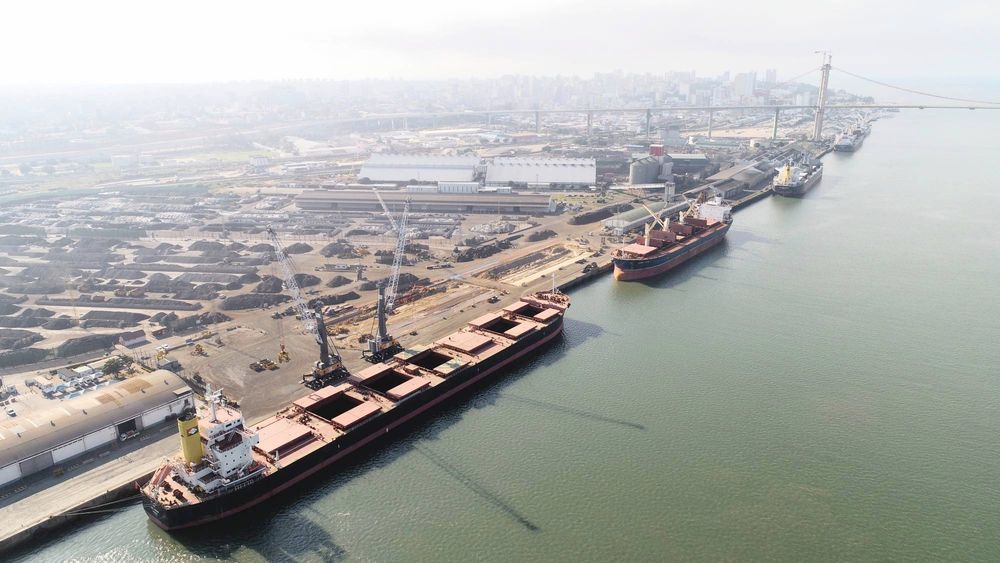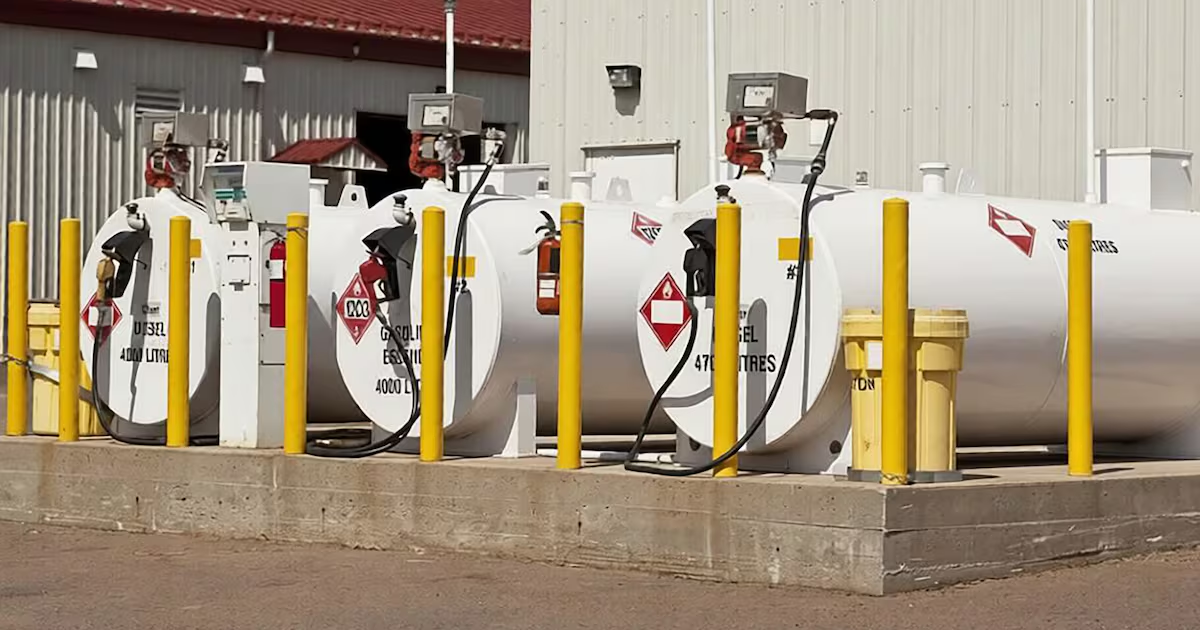
The trading environment in South Africa has deteriorated and is set to worsen over the next six months as rising fuel prices linked to the Middle East conflict drive input costs prohibitively higher for businesses, according to a survey published on Thursday.The latest trade conditions survey by the South African Chamber of Commerce and Industry (Sacci) shows that all industries are vulnerable to job losses and company closures should the war between the US and Iran be prolonged, according to CEO Alan Mukoki.“People are definitely concerned. The economy was beginning to shape up better, things were improving, the global situation was under some kind of control, at least in so far as our own South African markets are concerned, and then now we get hit by this [war] that’s hitting value chains, logistics, the price of oil and this huge level of uncertainty, because we don’t know where it’s headed,” Mukoki said.South Africa’s GDP growth for 2026 is likely to undershoot the Treasury’s February forecast of 1.6% as the Middle East war adds to headwinds for the economy. The IMF has slashed its forecast to 1% from 1.4%, citing weaker global demand, higher energy prices linked to the conflict and tighter financial conditions.The South African Reserve Bank has signalled it will hike interest rates, if need be, to rein in inflation, which soared to 4% in April from 3.1% in March. The bank will hold its third policy meeting of the year next week. Widespread gloomThree-quarters of respondents in Sacci’s April survey reported that their production costs had risen, while 95% said they expect costs to increase over the next six months.The trade conditions index tumbled to 43 points from 50 the previous month, with all components of activity worsening, except for backlog on orders. Just 35% of respondents said conditions were better than in April last year.“Trade conditions are expected to move further into negative territory in the next six months based on the April survey. The gap between present and expected trade conditions narrowed as trade expectations copy current trade conditions,” Sacci said.“The notable depressed expectations for trade conditions were present in all elements of trade. Rising input prices are, however, the largest impeding factor to expected trade conditions.”Most survey respondents also employed fewer workers in April, though 40% managed to increase staff numbers in April. Given the pressure on profit margins and uncertain trade conditions, respondents said they intend to employ fewer people over the next six months. That was clear from the expected employment index, which slumped to 40 points from 56.The fallout from the Middle East war poses the real risk of local business failures if the conflict is prolonged, Mukoki warned.There is a risk of company closures, unemployment, retrenchments, and “of the government itself as a fiscus getting less money out of taxes because companies are not generating enough”, he said.“GDP growth is going to be affected, because it is a function of people who are buying things, generating revenue. All those things coming together impact the business cycle and business growth. They also affect the ability of the state to attract the money that is required for social services.” Agribusiness in the crosshairsAgribusiness, which is likely to take a big knock, is already dealing with sharply higher diesel and fertiliser prices as the war continues to choke the flow of cargo through the crucial Strait of Hormuz.“Fertiliser is going to be a big story, because it can’t go through the strait, so our entire agribusiness is actually affected. The food businesses are also affected, because that means you can’t fertilise the plants [and] the yields are much lower,” Mukoki said.A report published by Oxford Economics forecasts fertiliser prices could rise by more than 30% this year compared with 2025 assuming a prolonged disruption to shipping through the strait.“However, the impact across countries and crops will vary, while historically low, fertiliser affordability, as measured by the grains-to-fertiliser price ratio, will result in a bigger impact on the agriculture sector than otherwise in terms of yields and margins,” the report states.Farmers in the least developed countries typically are hit the hardest by high fertiliser prices because they are less able, financially, to maintain fertiliser usage, while their governments have little fiscal space to provide policy support, Oxford Economics’ lead economist Kiran Ahmed writes in the report.
Jobs carnage looms as business costs rocket on Middle East war
Higher fuel, fertiliser prices threaten recovery, with agriculture especially at risk
721 words~3 min read