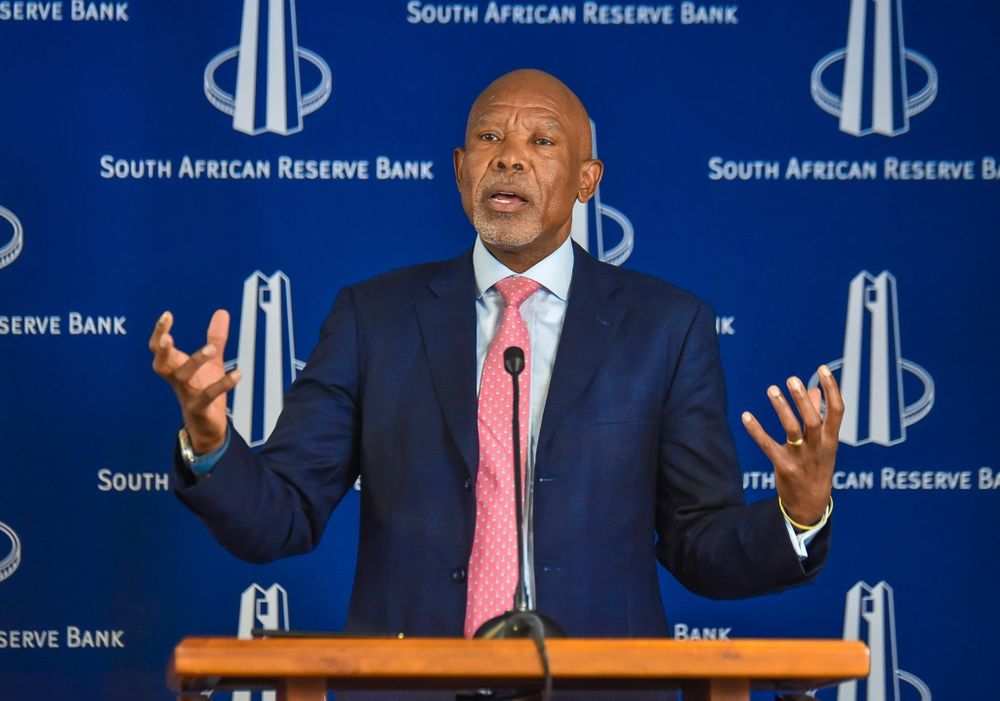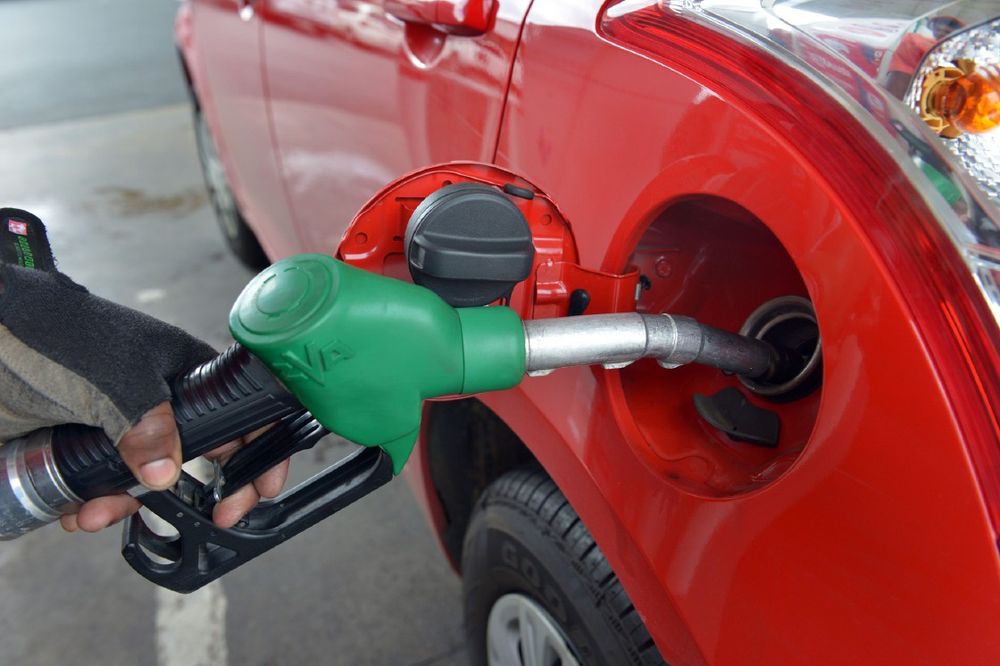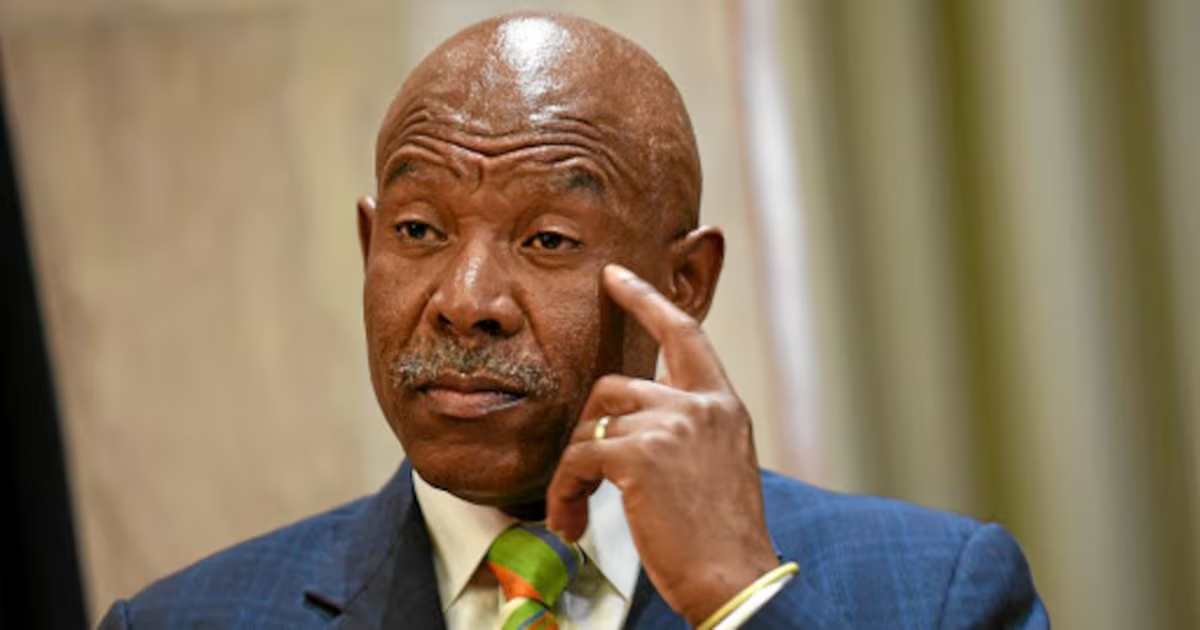
The South African Reserve Bank (SARB) is increasingly likely to raise interest rates next week after April inflation accelerated, partly driven by higher transport costs linked to global oil supply disruptions caused by the US-Iran war.Consumer inflation accelerated to 4% year on year in April from 3.1% in March, the highest print since August 2024. It was within the 3.7%-4.4% range predicted by economists and at the top end of the 2%-4% tolerance band the central bank has signalled for its new 3% target.The main contributors to the annual increase were housing and utilities, which registered 5.2%, and transport, which was at 4.9%, Stats SA said. Month on month, the consumer price index (CPI) was up 1.1% in April after a 0.6% increase in March.Earlier this month, SARB governor Lesetja Kganyago said in a public lecture that given the risks to inflation and the uncertainty about the effect of the war in the Middle East, its monetary policy committee (MPC) would have to “make tough decisions” in its next few meetings about whether second-round effects from the fuel price shock are looming.He noted that there was not much the committee could do about the first-round effects, which are directly linked to the shock and happen fast, with the oil price increase immediately making fuel and transport more expensive.The problem, Kganyago said, is that inflation does not always ease when the shock passes and can instead be persistently higher as the shock broadens out into the economy — referred to as “second-round effects”, which tend to be most visible in inflation expectations and wages.“For central banks facing a price shock, the key is to manage the second-round effects. If a central bank has strong credibility — if everyone trusts inflation will revert to target soon — it can be possible to look through a shock without raising rates,” the governor said at the time.“First, policymakers should look through first-round effects but not second-round effects. Second, policymakers should respond pre-emptively. This requires a judgment call about whether second-round effects are likely.”The Reserve Bank may be willing to look through the immediate effect of the oil price shock that has shown up in fuel prices but will want to get ahead of the second-round effect the same way it did in 2022 when the Russia-Ukraine war triggered a similar spiral, FNB senior economist Koketso Mano said on Wednesday.“So we think that the next move is up. We predict a 25 basis point hike, but we cannot ignore the possibility that the MPC may want to move by a greater magnitude,” she said.“With inflation risks becoming more persistent and expectations not yet fully anchored at target, the policy stance is expected to retain a cautious, slightly hawkish bias, with limited tolerance for any further upside surprises.”Though the April report shows that core inflation, which excludes food and energy costs, was lower at 3.6% year on year, the central bank will be concerned that the spike in fuel prices will ultimately spur broader inflation pressure, Standard Bank head of macroeconomic research Elna Moolman said.“We have already seen a notable increase in transport costs ranging from taxi fares to e-hailing services to airfares to long-distance bus fares, and these costs may very well increase further given the subsequent hikes in fuel prices,” she said. “The Reserve Bank may hike interest rates in response to the rise under way in inflation, mainly to help ensure that it doesn’t feed second-round inflation pressure.”South Africa is a net importer of oil and petroleum products, making it vulnerable to the turmoil that has roiled markets since the war erupted at end-February.On Wednesday, major commuter bus operator Putco, which ferries thousands of passengers daily in Gauteng, Limpopo and Mpumalanga, said it will have to implement an average 10% fuel-related fare increase effective from June 1 as unprecedentedly high diesel prices are “placing severe pressure on the operational sustainability of the company”.“The implementation of the fuel-related fare adjustment has therefore become a necessary measure to ensure the continued provision of reliable transport services across Putco’s operating regions,” it said in a statement.An interest rate hike might not necessarily be a done deal next week, Investec Treasury economist Tertia Jacobs said, predicting that the decision among the six MPC members will probably not be unanimous. But higher rates by the end of the July policy meeting are a near certainty, she told Business Day.“There are not many central banks that have responded to the first print of high inflation coming in, but I’m a bit concerned that the SARB is going to raise its inflation forecast and it’s going to go outside the tolerance band,” Jacobs said.“It’s a difficult call. I do think there will be a repo rate hike. I’m just not sure if it’s going to be May or July. The way that I would look at it is that by July rates will be 25 basis points higher. It’s more just a question of timing.”Looming higher costs across the board are likely to exert pressure on consumer demand in coming months, despite stronger growth in retail trade sales of 2.6% year on year in March compared with 1.6% in February as reflected in Stats SA data on Wednesday.“Consumers entered 2026 on a firmer footing, supported by improving purchasing power, stronger balance sheets, and lower borrowing and debt-servicing costs. This backdrop helped lift consumer sentiment, particularly among higher-income households,” said FNB economist Siphamandla Mkhwanazi.“Looking ahead, however, a less supportive external environment and tighter financial conditions are likely to weigh increasingly on domestic demand.”
SARB rate hike odds rise as war-driven inflation accelerates
War-linked fuel shock lifts inflation and boosts rate hike bets further
922 words~4 min read