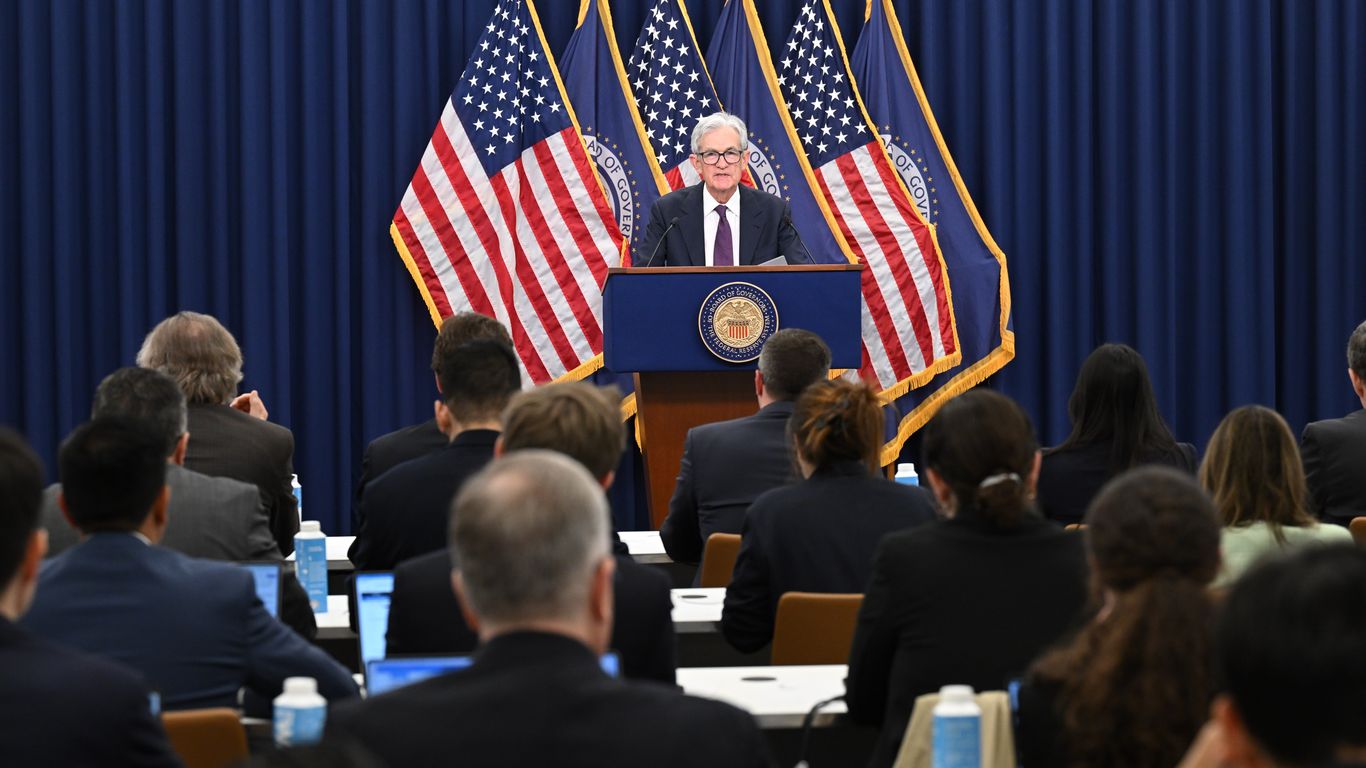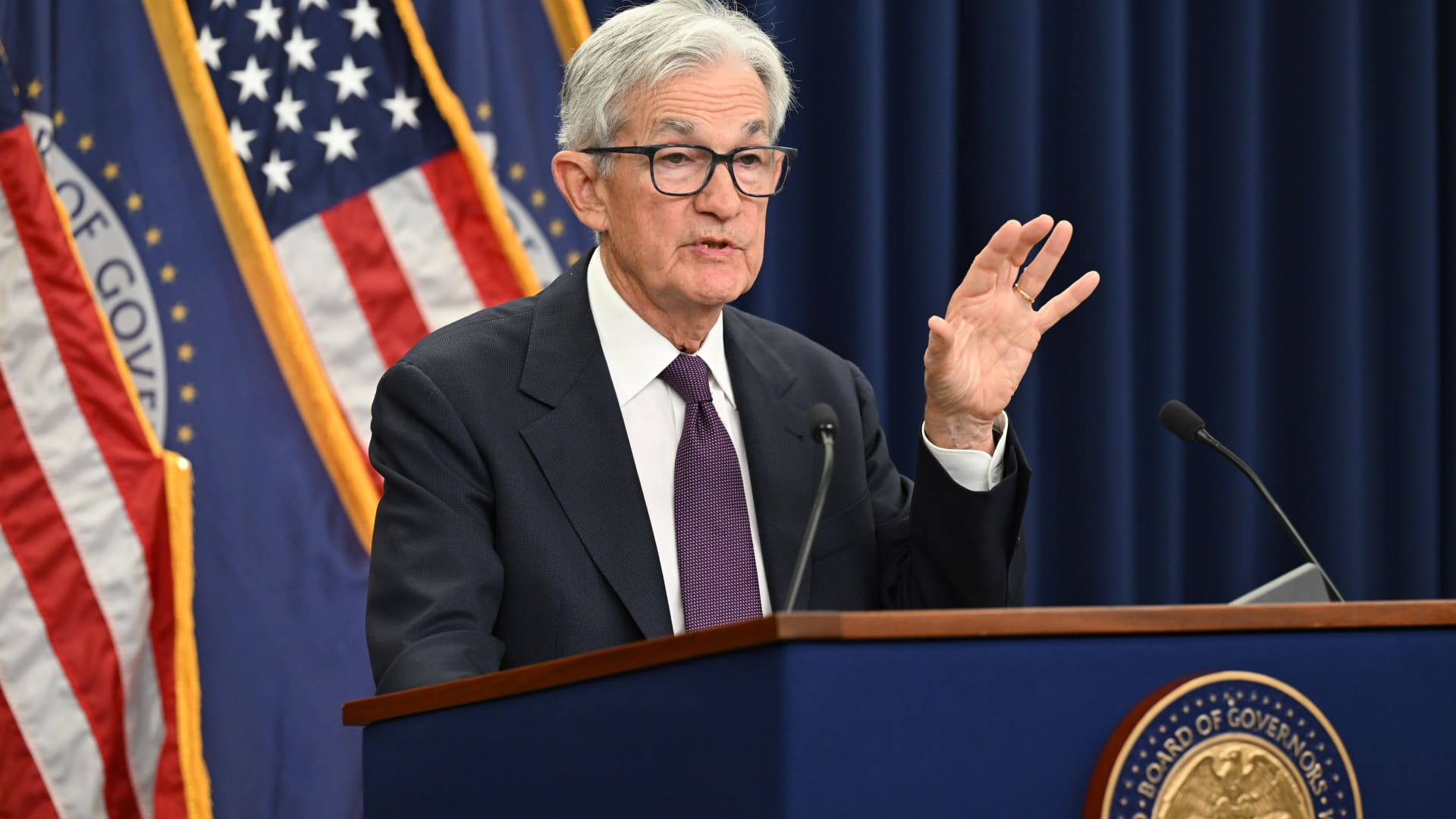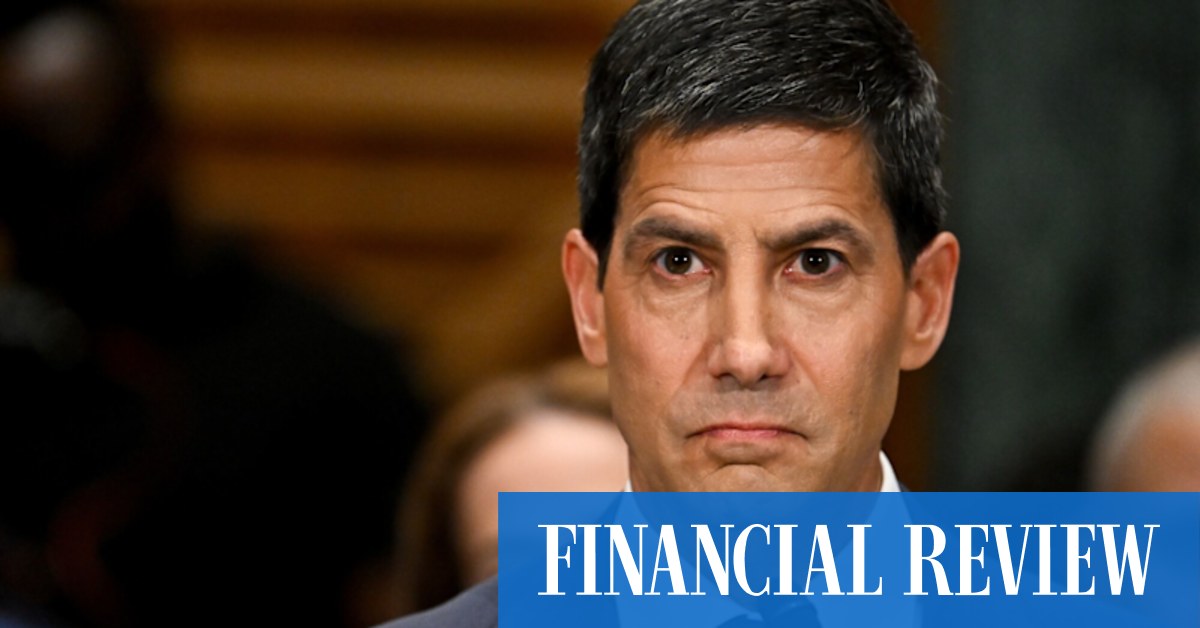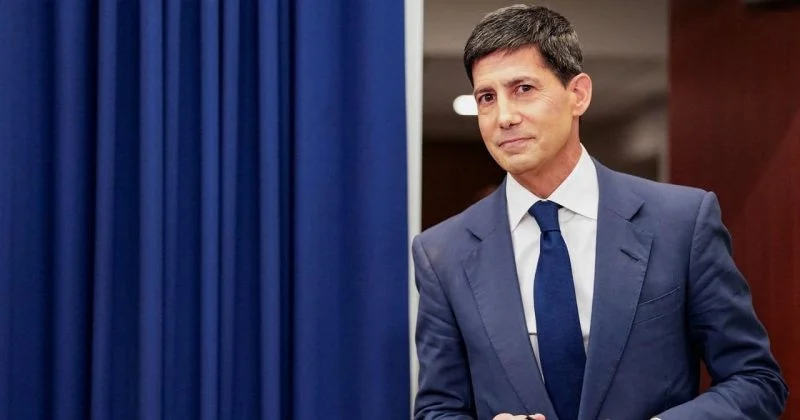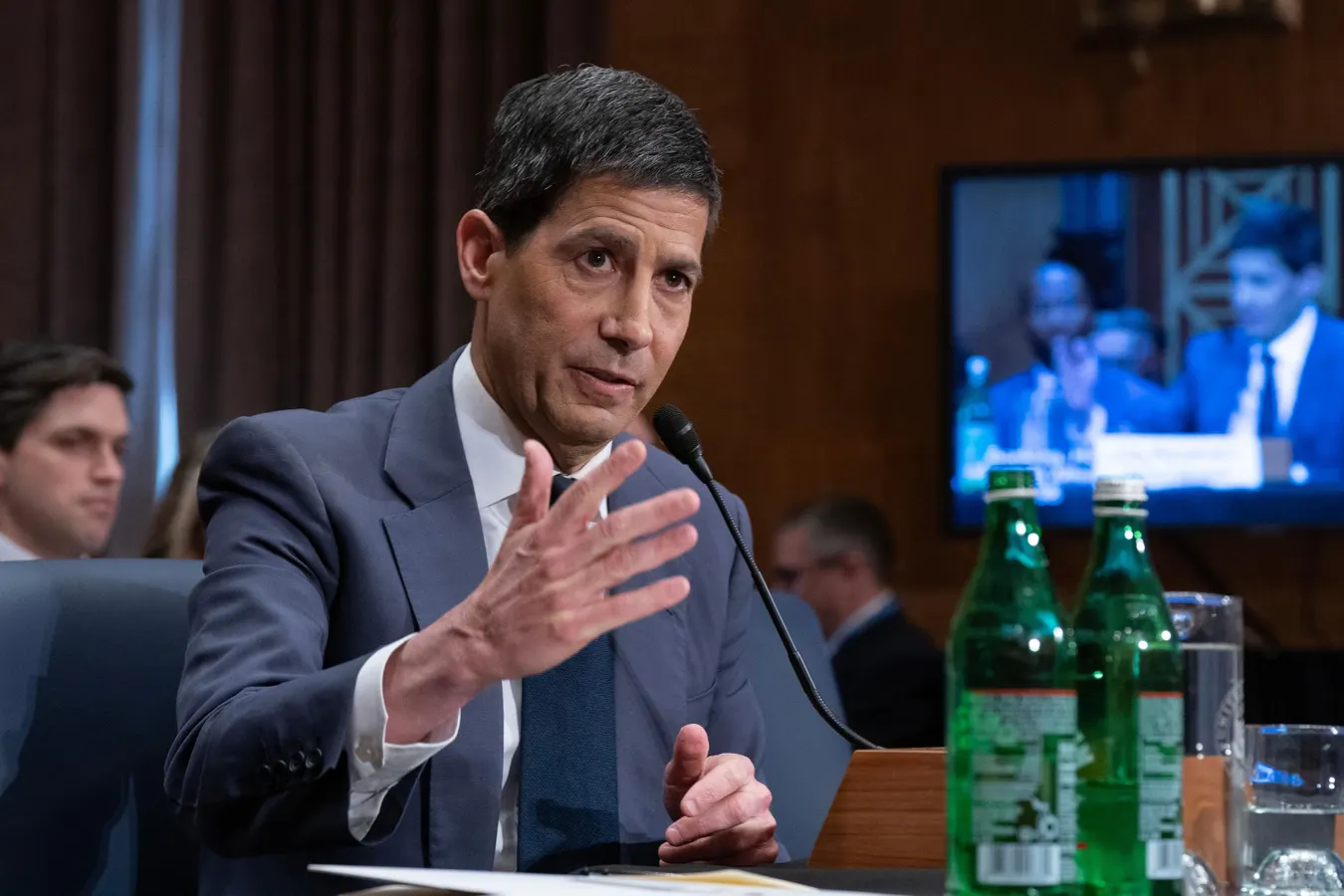
Kevin Warsh answers questions during his nomination hearing in April 2026 (AP foto/Jose Luis Magana)Associated PressInflation is rising again, and fixed income markets are now pricing in rate hikes instead of cuts as the energy shock from the Strait of Hormuz closure ripples through the economy. Before the conflict with Iran, inflation had been easing and moving closer to the Fed’s 2% target, and markets expected rates could fall. But with the Strait still effectively closed and energy shipments constrained, prices have jumped sharply. Consumer Price Inflation hit a 3.8% annual rate in April, up from 2.4% in February, and those increases are now feeding through to broader categories across the economy.That shift matters because when inflation accelerates, the Federal Open Market Committee is typically more inclined to raise interest rates to keep price pressures in check. Higher rates remain the Fed’s primary tool for cooling demand and slowing inflation.Even so, the Fed entered 2026 expecting to cut rates, not raise them. And because energy prices can be volatile, a rapid reopening of the Strait of Hormuz could ease some of the recent inflation pressure. But with shipping traffic still blocked and energy costs elevated for weeks, markets are now reassessing the likelihood that the FOMC will need to respond with higher rates.Markets Now Expect Higher RatesFixed income markets now expect the FOMC to potentially raise interest rates in 2026. That’s a recent development. A month ago, expectations were for interest rates to remain broadly flat. Now, markets see rates rising from their current level of 3.5% to 3.75% to 4% by the end of the calendar year, and perhaps higher still.In terms of timing, markets don’t expect the FOMC to act immediately. The consensus for the first scheduled meeting that Kevin Warsh will chair in June is for rates to be held steady. However, expectations for a rate increase rise at subsequent meetings. A hike is more likely than not at the FOMC’s final scheduled meeting of the year in December and may come sooner, according to the CME’s FedWatch Tool.MORE FOR YOUCurrently, there are no meaningful expectations for rate cuts. The question is whether the FOMC holds rates constant or increases them slightly, according to fixed income markets. Even if the Strait of Hormuz were to reopen tomorrow, the FOMC may still need to manage the inflation that resulted from its effective closure for many weeks.Jobs Market Remains SolidThe FOMC is also accountable for maintaining full employment with monetary policy. Although jobs data has been volatile, the most recent reports from the Bureau of Labor Statistics show relatively robust nonfarm payroll growth in both March and April. That gives the FOMC more flexibility in potentially raising rates since, for now, there is limited evidence that the Fed needs to lower rates to support the jobs market.What Comes NextFor much of 2026, the debate centered on how soon and how much the FOMC might ultimately cut rates. Now that narrative has flipped, and the question for fixed income markets is whether the FOMC will hold rates steady or choose to raise them. If the current wave of inflation persists or accelerates, the FOMC may have to raise rates sooner. Warsh’s initial meetings as Fed chair may prove more complex than previously anticipated.
Accelerating Inflation May Prompt Higher Interest Rates Later This Year
Inflation is rising again as energy shocks push markets to price in potential Fed rate hikes in 2026, shifting expectations away from cuts.
543 words~2 min read