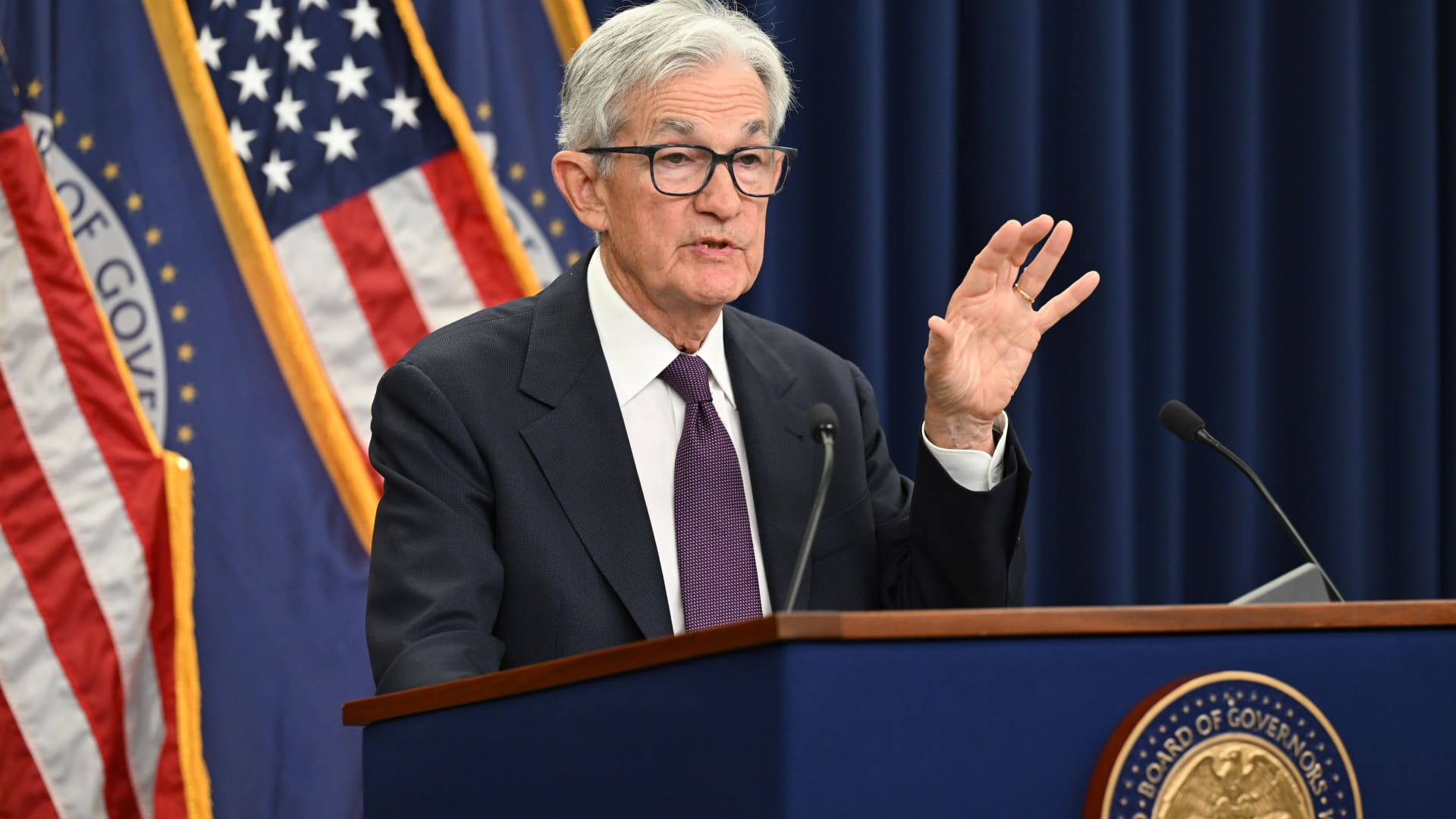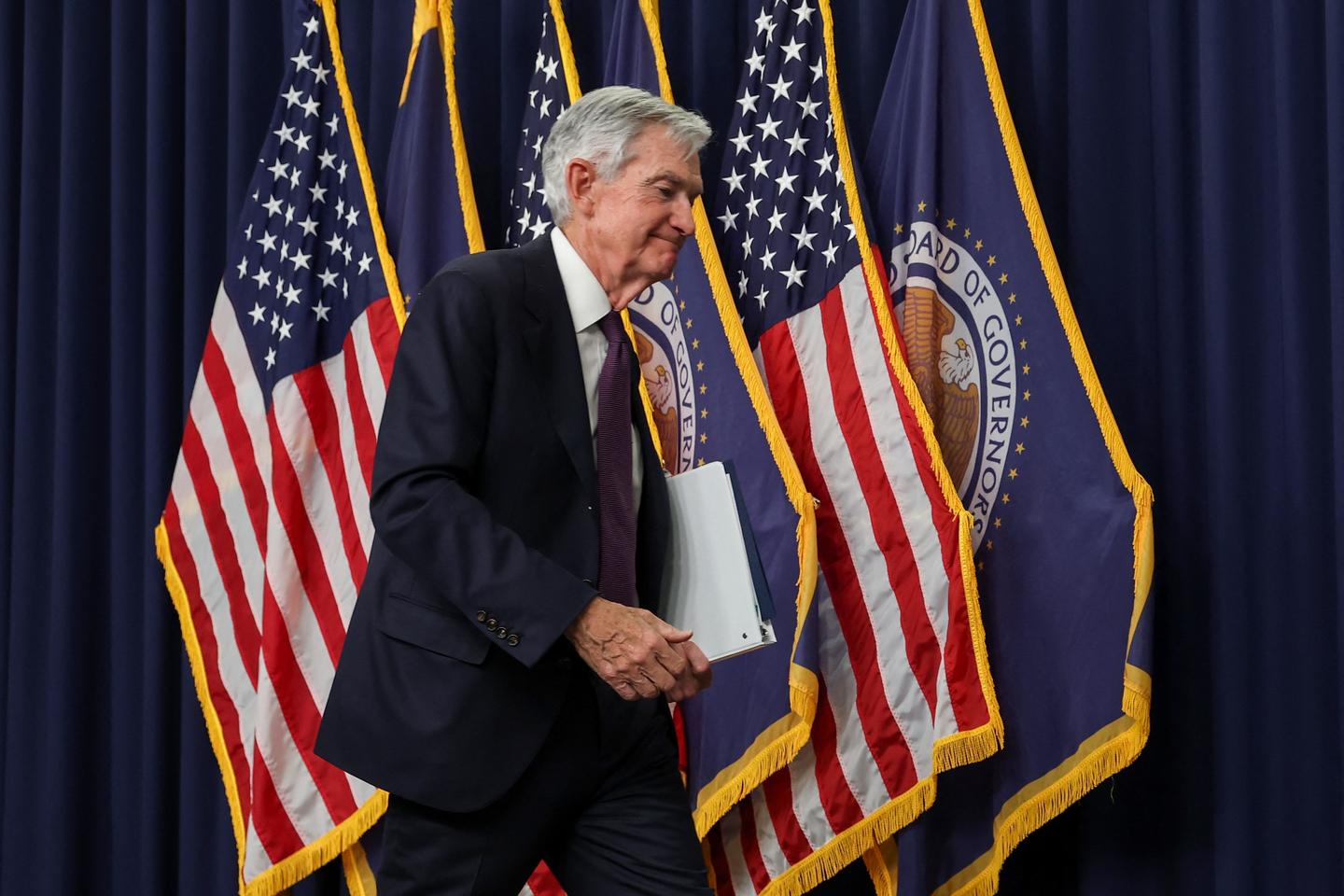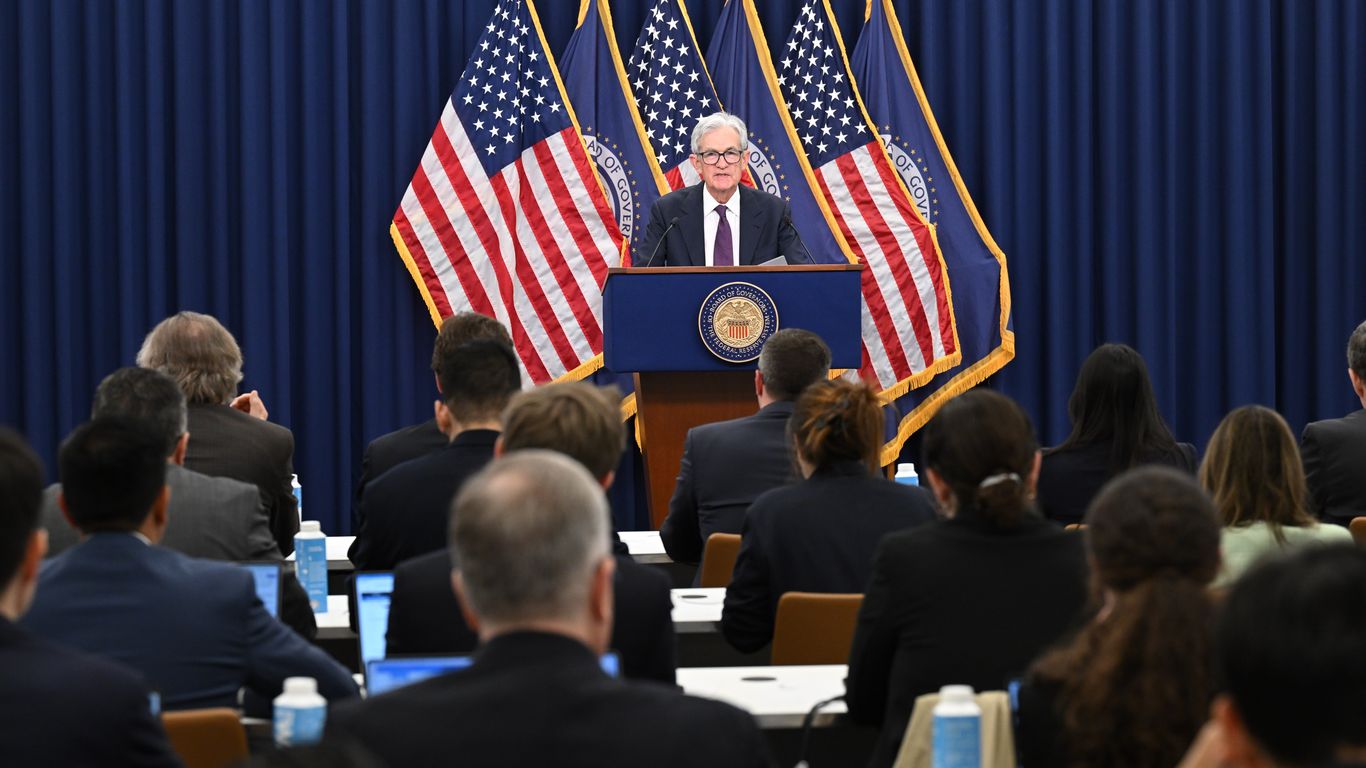
A "majority" of Federal Reserve officials believed the central bank could raise interest rates if inflation stays high, according to the minutes from the central bank's April 28-29 policy meeting. Why it matters: It suggests that a larger constituency than previously known is backing the possibility of higher interest rates, with the fallout from the Iran war stoking quicker price increases ahead of Kevin Warsh becoming Fed chair. Between the lines: The Fed held rates steady last month, though much of the disagreement was about language in the closely watched policy statement, which indicated that the next move could be a cut. Four officials on the Fed's rotating roster of voting members dissented, three of whom preferred a more "two-sided characterization" that suggested the Fed's next move could be up or down. What they're saying: "A majority of participants highlighted … that some policy firming would likely become appropriate if inflation were to continue to run persistently above 2 percent," the minutes show, referring to tighter monetary policy if inflation remained above its target.The minutes did not specify how long those Fed officials would need to see sticky inflation before backing a hike.The big picture: The war has caused energy prices and costs of other affected commodities to soar in recent months, with economists unsure about how those price pressures might spill over into other parts of the economy.That question is at the heart of what the Fed does next, as it is about to be led by Warsh, who has supported rate cuts. The late April policy meeting was expected to be the last for Jerome Powell as Fed chair. "Several participants indicated that, in a scenario in which the conflict was resolved soon, rate reductions would be warranted later this year if the effects of higher tariffs and energy prices on inflation were to dissipate in line with their expectations," the minutes show. Yes, but: "Some," a qualifier that suggests a slightly larger group than "several," raised "concerns … about a scenario in which sustained elevated energy prices, combined with the effects of tariffs, could result in inflation pressures becoming embedded more broadly, potentially de-anchoring inflation expectations." What to watch: The minutes show that "many" Fed officials raised the importance of addressing cybersecurity risks, especially with respect to AI. "Several" of those officials specifically called out the rapid development of AI technologies, warning that "hostile cyber intrusions at systemically important financial firms or essential market infrastructure could materially impair financial system operations."The intrigue: The Fed meeting was held weeks after AI company Anthropic held its Mythos model from public release, for fear of its abilities to find and exploit security flaws. Some large banks have received access. Axios confirmed reporting that Treasury Secretary Scott Bessent and then-Fed chair Jerome Powell last month met with Wall Street banks to discuss the risks of AI-powered attacks on bank systems.
Most Fed officials see rate hikes if inflation stays high, minutes show
The fallout from the Iran war is stoking quicker price increases just as Kevin Warsh is about become Fed chair.
479 words~2 min read