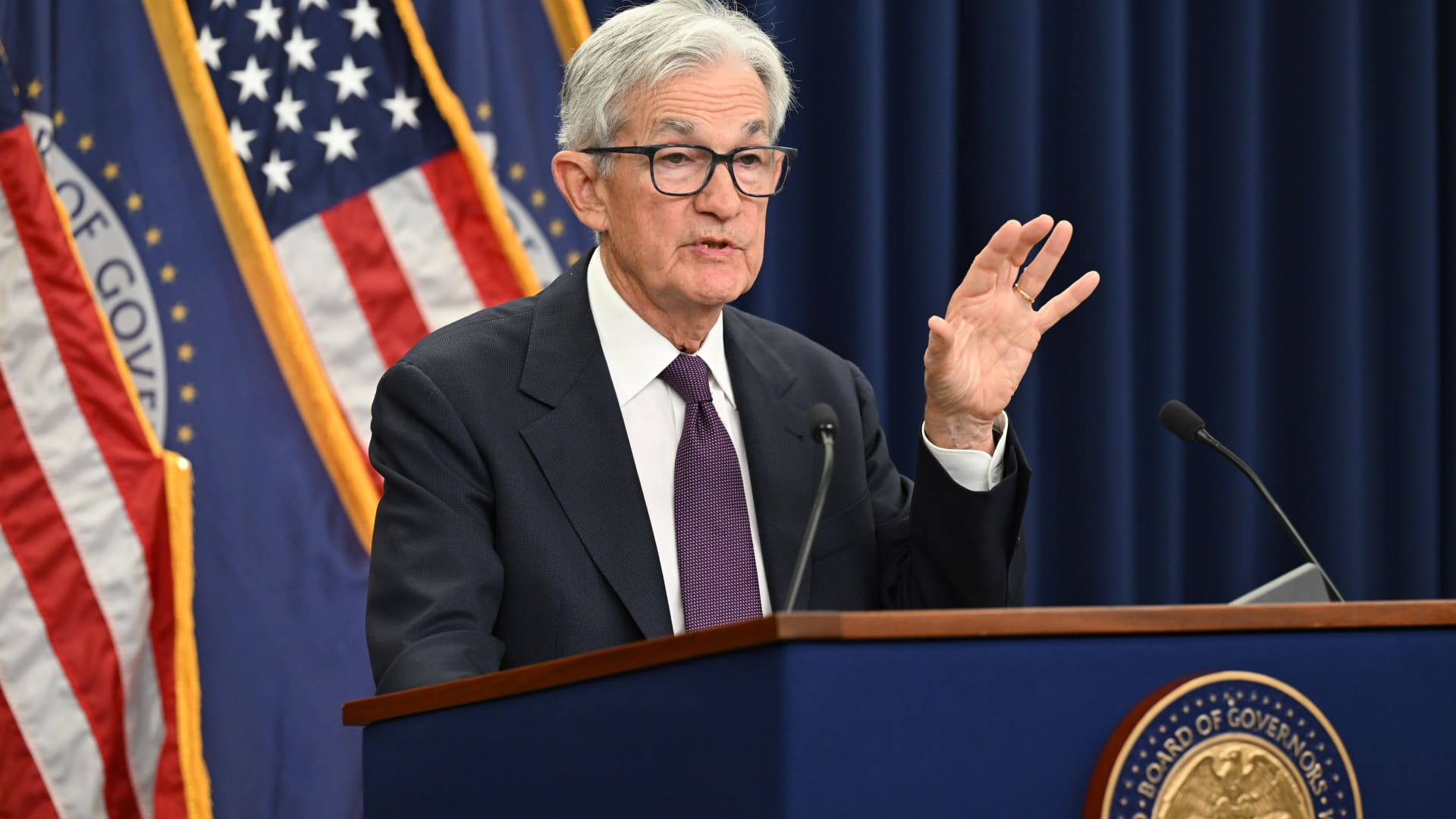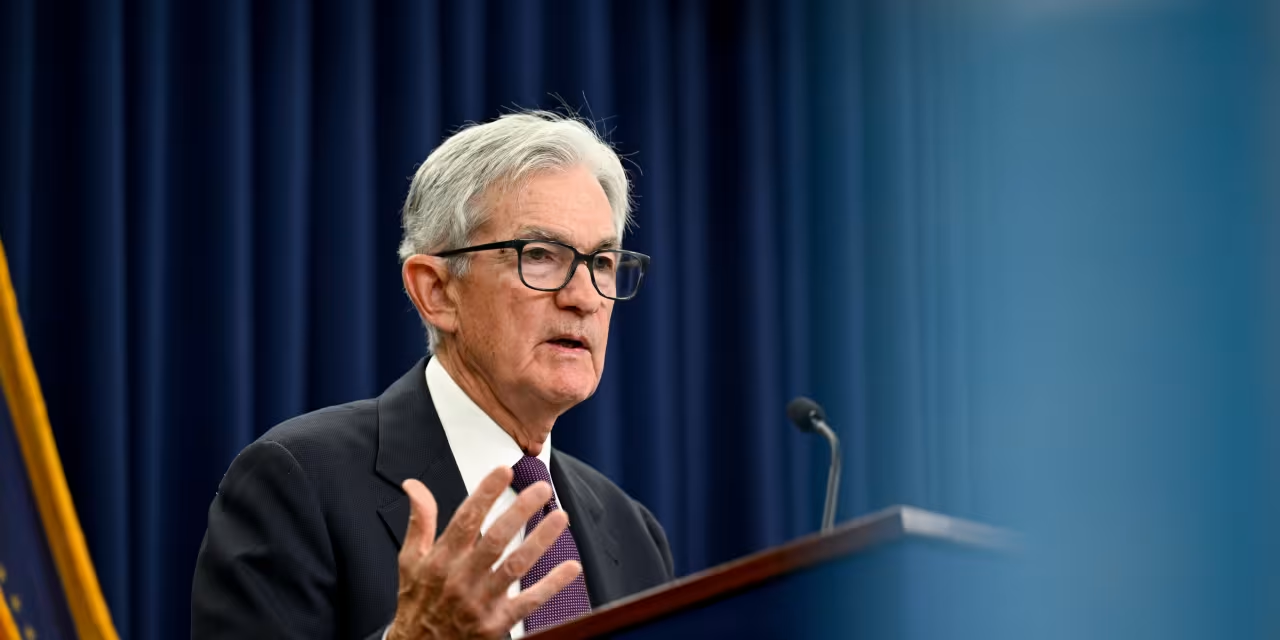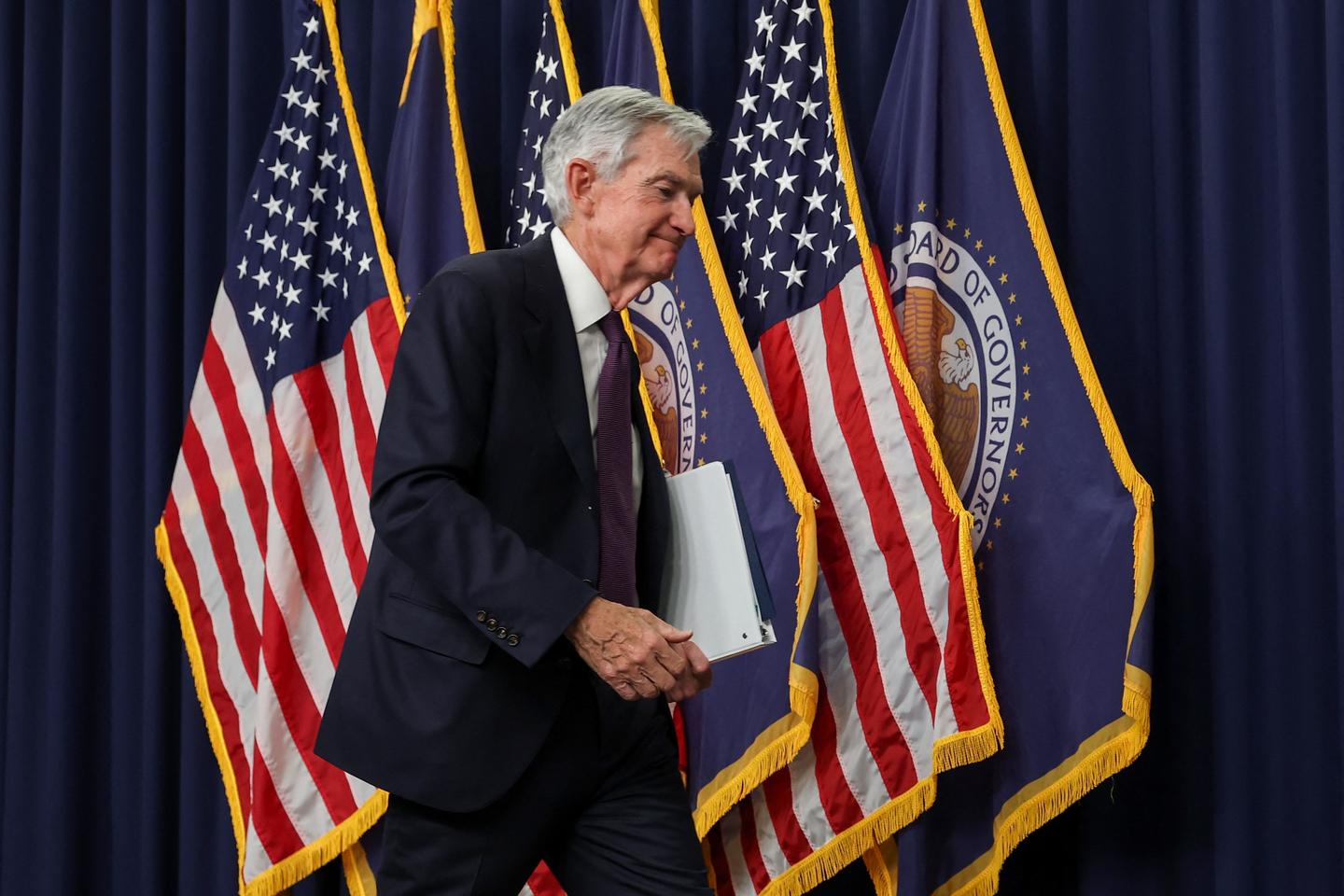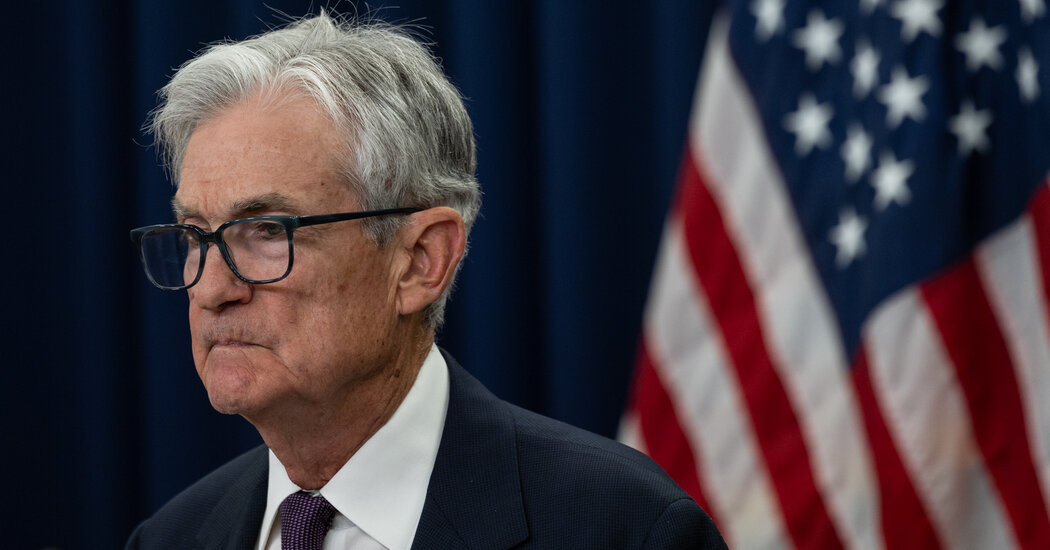
AdvertisementSKIP ADVERTISEMENTYou have a preview view of this article while we are checking your access. When we have confirmed access, the full article content will load.A record of the April meeting, Jerome H. Powell’s last as chair, underscored the extent to which the war with Iran has upended the economic outlook.Listen · 4:18 min The Federal Reserve meeting in April was Jerome H. Powell’s last as chair.Credit...Anna Rose Layden for The New York TimesMay 20, 2026Updated 2:40 p.m. ETA majority of officials at the Federal Reserve thought higher interest rates might become necessary to combat resurgent inflation, according to minutes from the central bank’s April meeting.The record of the most recent gathering, released on Wednesday, underscored the extent to which the war with Iran has upended the economic outlook and the policy options in front of a central bank that is on the cusp of a leadership transition. April’s gathering was Jerome H. Powell’s last as chair. On Friday, his replacement, Kevin M. Warsh, is set to be sworn in at the White House.At the start of 2026, most Fed officials saw a path to lower rates this year based on their expectation that inflation would decelerate as the impact of President Trump’s tariffs faded.But the energy shock stemming from the war has pushed inflation further away from the Fed’s 2 percent target, stoking concerns about a more persistent problem just as the labor market has stabilized. This backdrop has dimmed the prospects of any immediate relief in borrowing costs, with traders in federal funds futures markets now penciling in a rate increase in early 2027.According to the minutes, a majority of the participants highlighted that “some policy firming would likely become appropriate if inflation were to continue to run persistently above 2 percent.”April’s meeting was one of the most divisive in decades. Most policymakers agreed with the Fed’s decision to hold rates steady at a range of 3.5 percent to 3.75 percent. But three members of the policy-setting Federal Open Market Committee voted against what they described as an “easing bias” in the central bank’s policy statement. They wanted the Fed to make clear that the next move could just as likely be a rate increase as a rate reduction.Thank you for your patience while we verify access. If you are in Reader mode please exit and log into your Times account, or subscribe for all of The Times.Thank you for your patience while we verify access.Already a subscriber? Log in.Want all of The Times? Subscribe.AdvertisementSKIP ADVERTISEMENT
Majority of Fed Officials Embraced Possibility of Higher Rates at Latest Meeting
A record of the April meeting, Jerome H. Powell’s last as chair, underscored the extent to which the war with Iran has upended the economic outlook.
418 words~2 min read