The Federal Reserve is likely to stay in wait-and-see mode and leave interest rates alone at the end of its two-day meeting on April 29, as the Iran war risks driving up inflation and concerns about the job market linger.
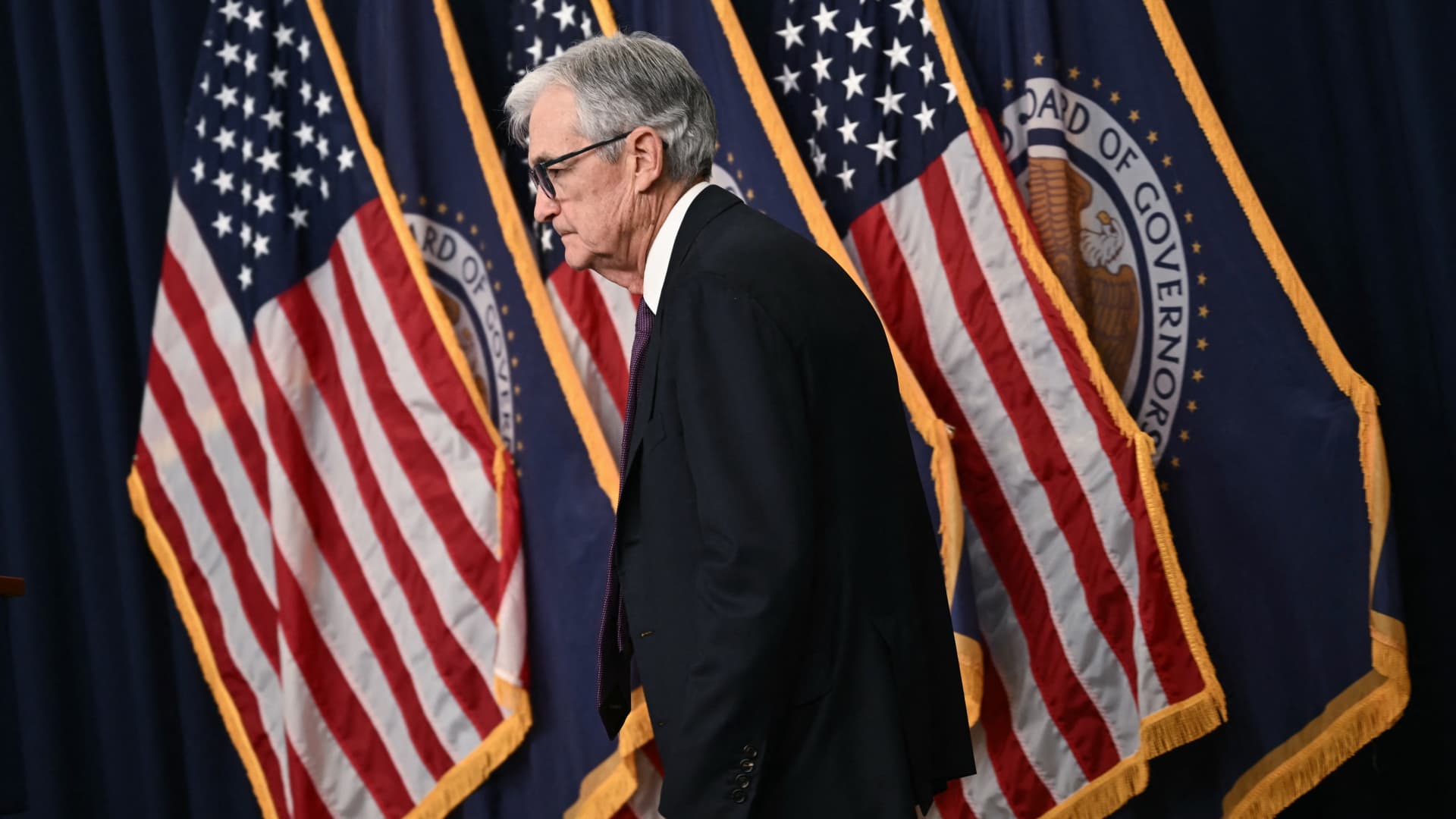
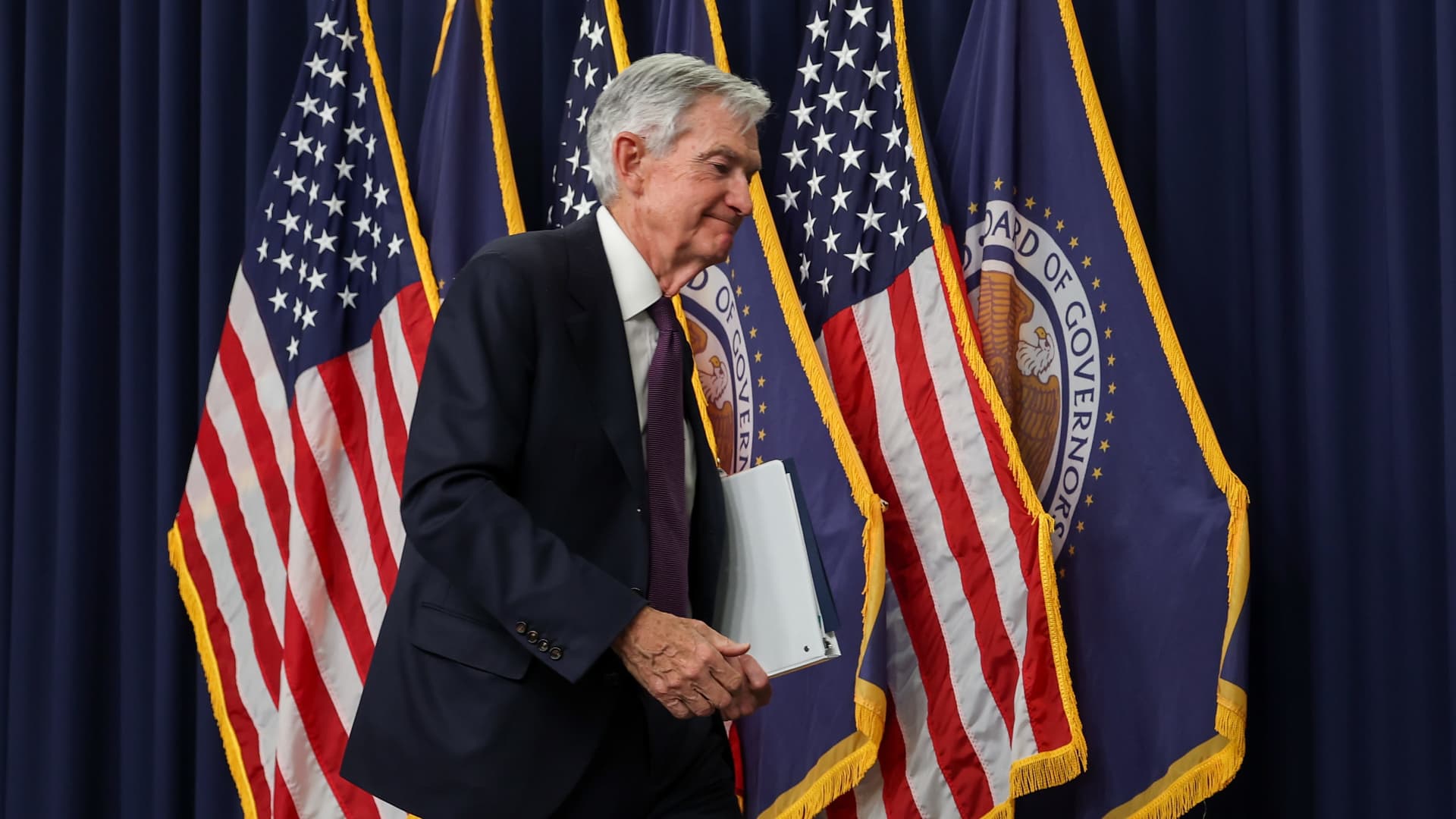
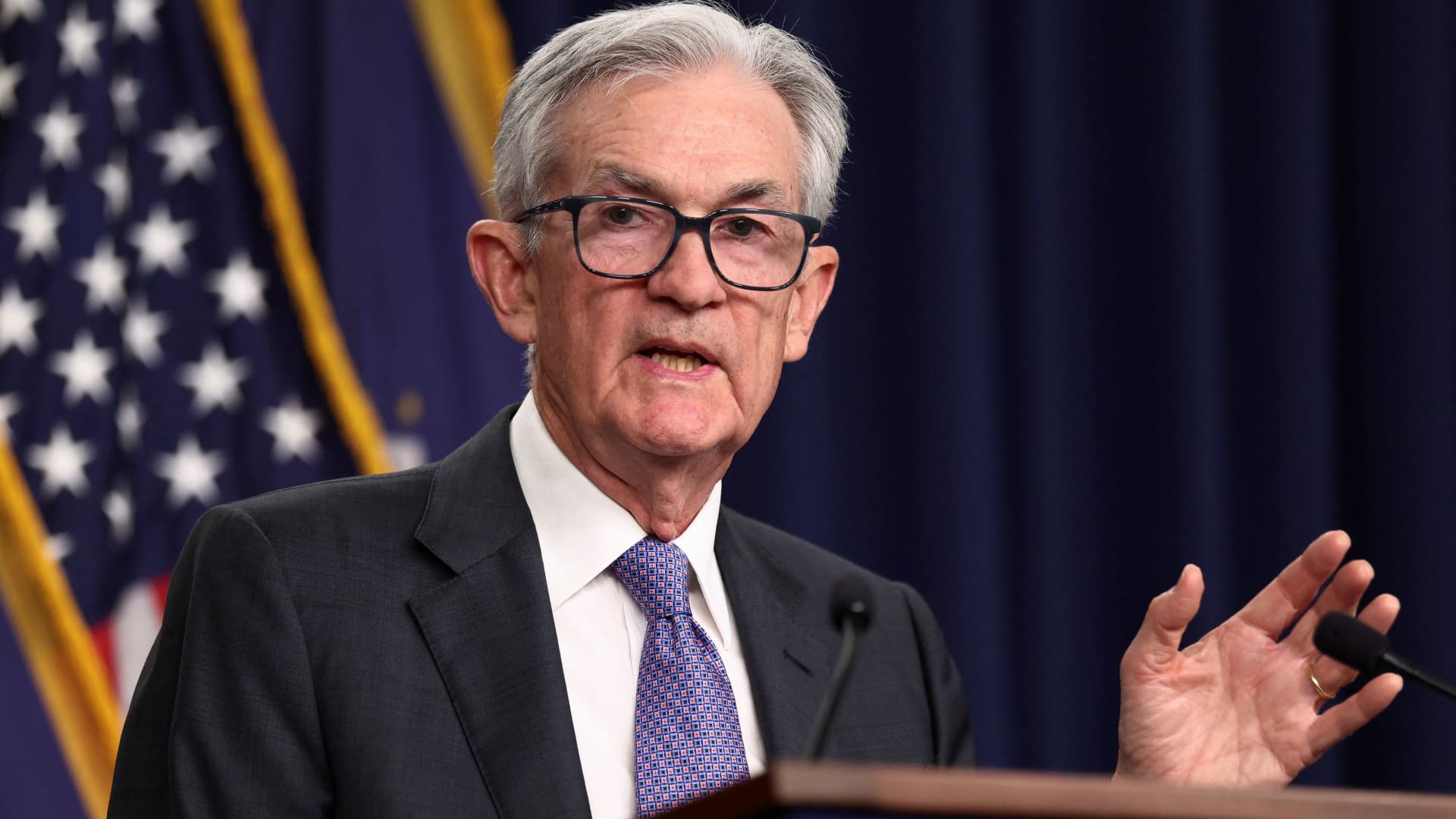
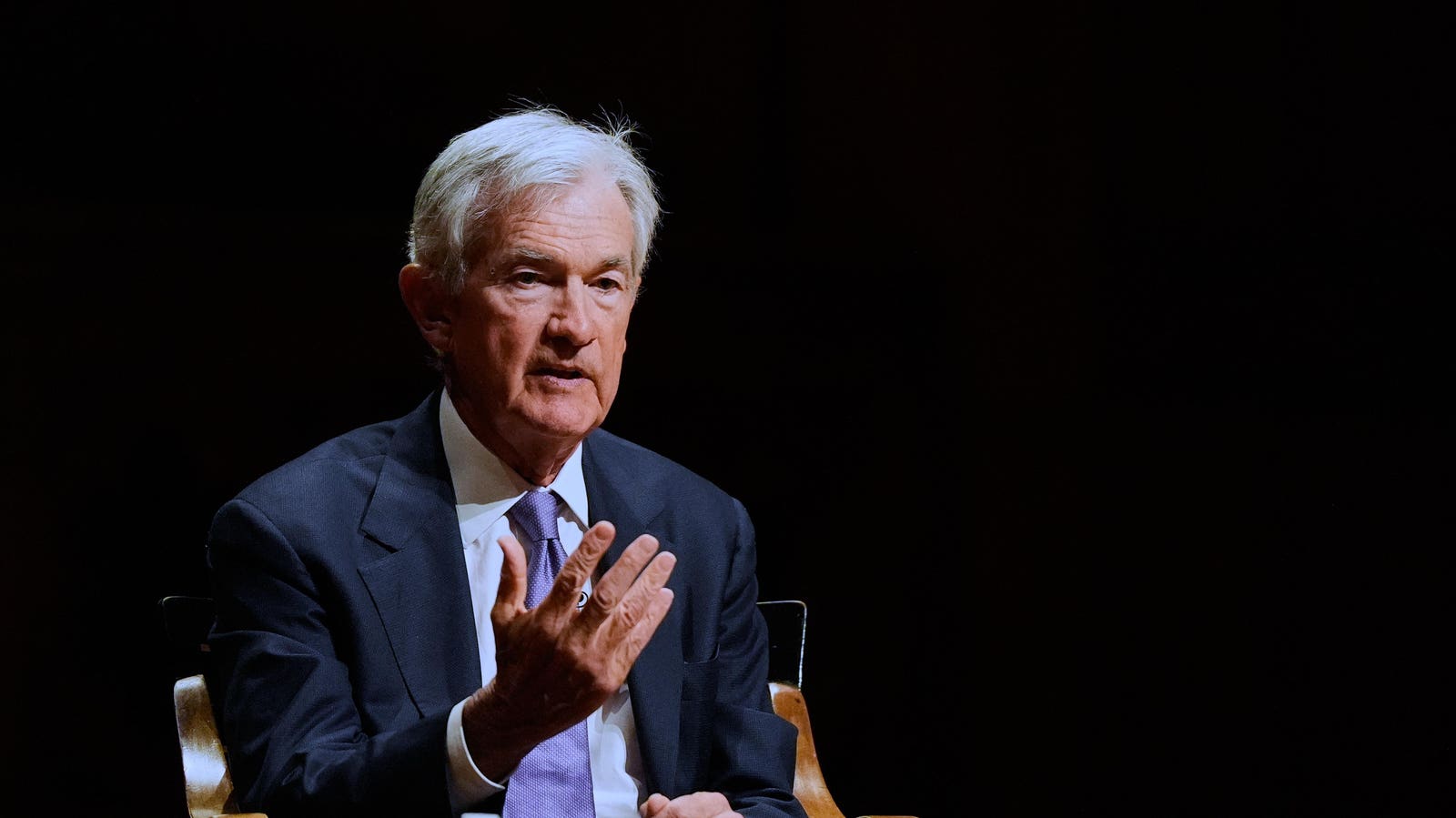
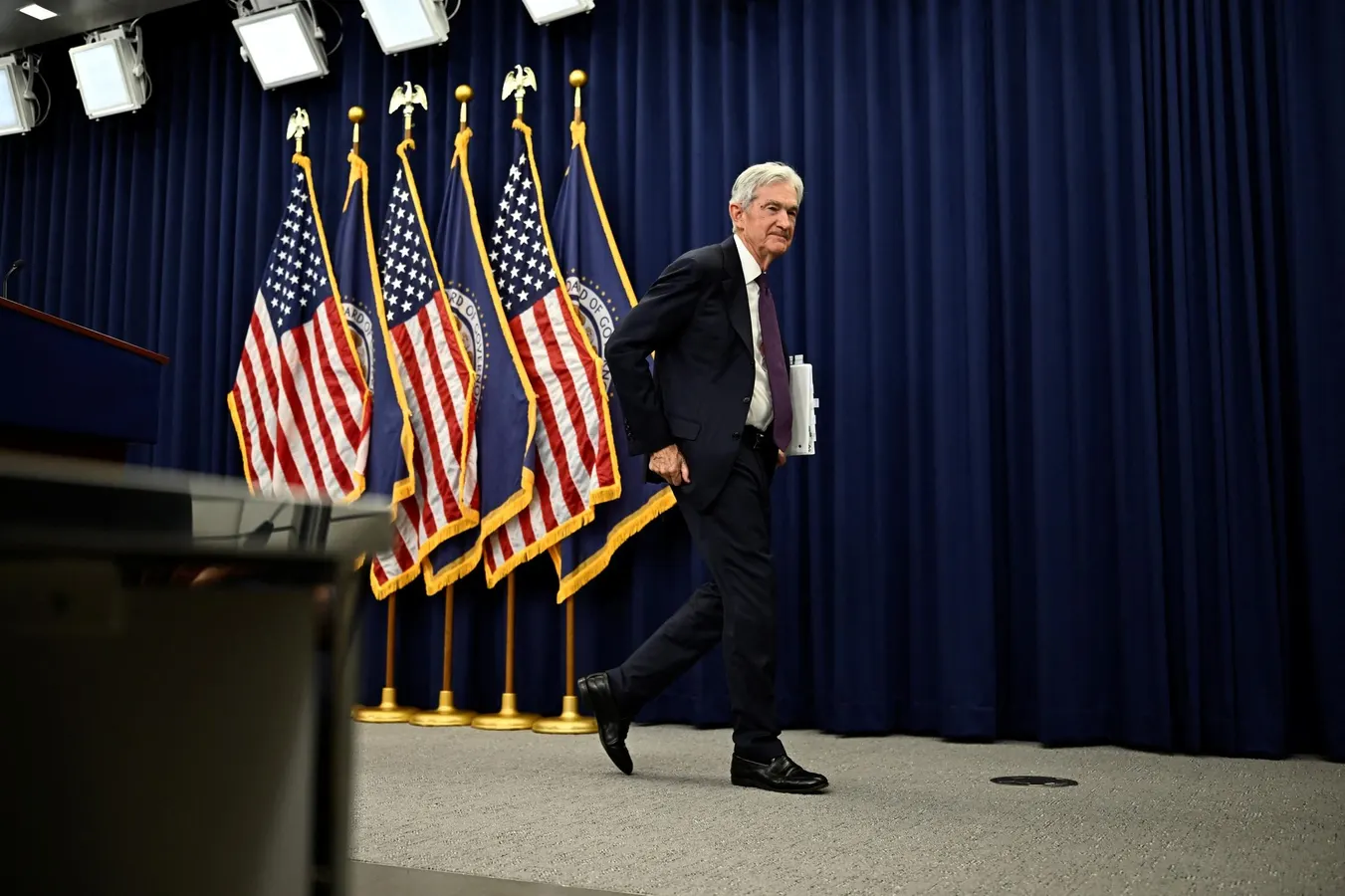
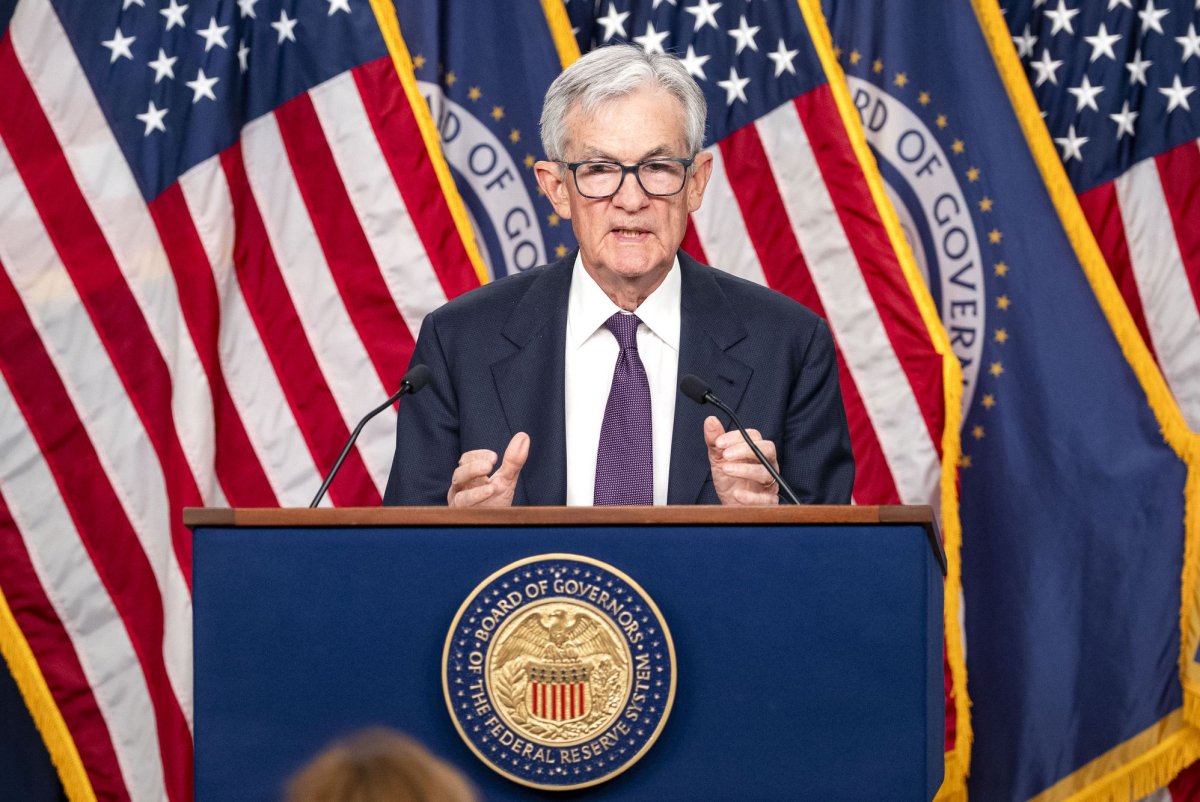
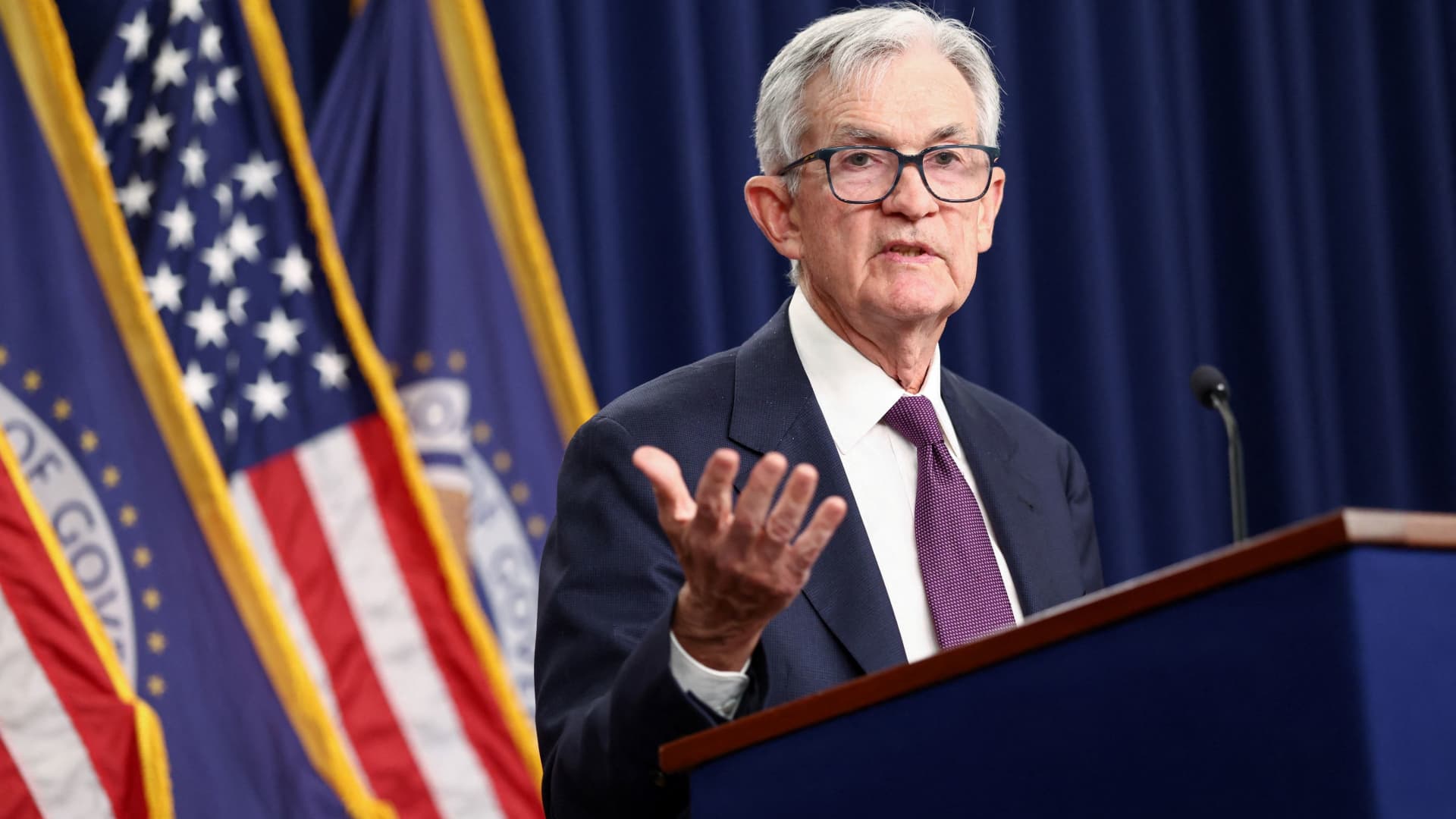
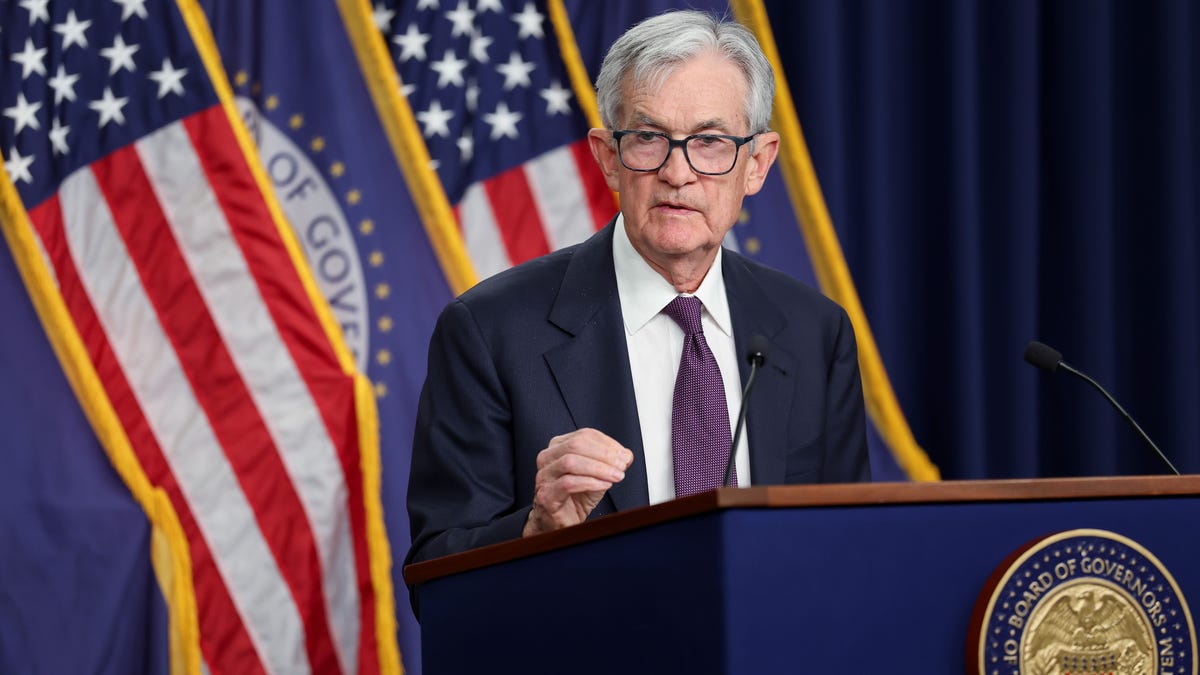
Rather than the rate decision, focus may be on Jerome Powell’s news conference, which could be his last as chair. Fed watchers will be looking for clues in his language about whether officials see inflation or weakness in the job market as the bigger threat.
Concerns about a slowing labor market and a low-hire environment drove the Federal Open Market Committee to cut rates three times late last year. Those concerns haven’t gone away, but were somewhat alleviated by the Labor Department’s estimate U.S. employers added 178,000 jobs in March. Meanwhile, the department’s Consumer Price Index – its measure of inflation over the year – shot up from 2.4% in February to 3.3% in March.
New tariffs from the Trump administration, along with higher oil prices and supply chain disruptions tied to the war, are likely to keep prices elevated in the near future. The key question is whether those inflationary shocks will be temporary or persistent, a distinction that depends on how long the war lasts.