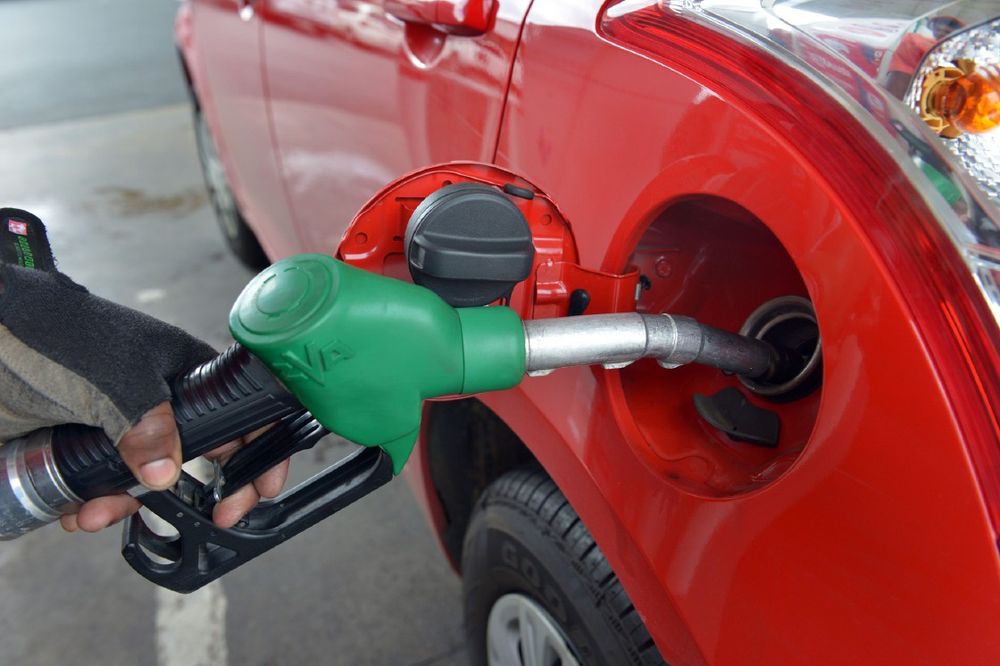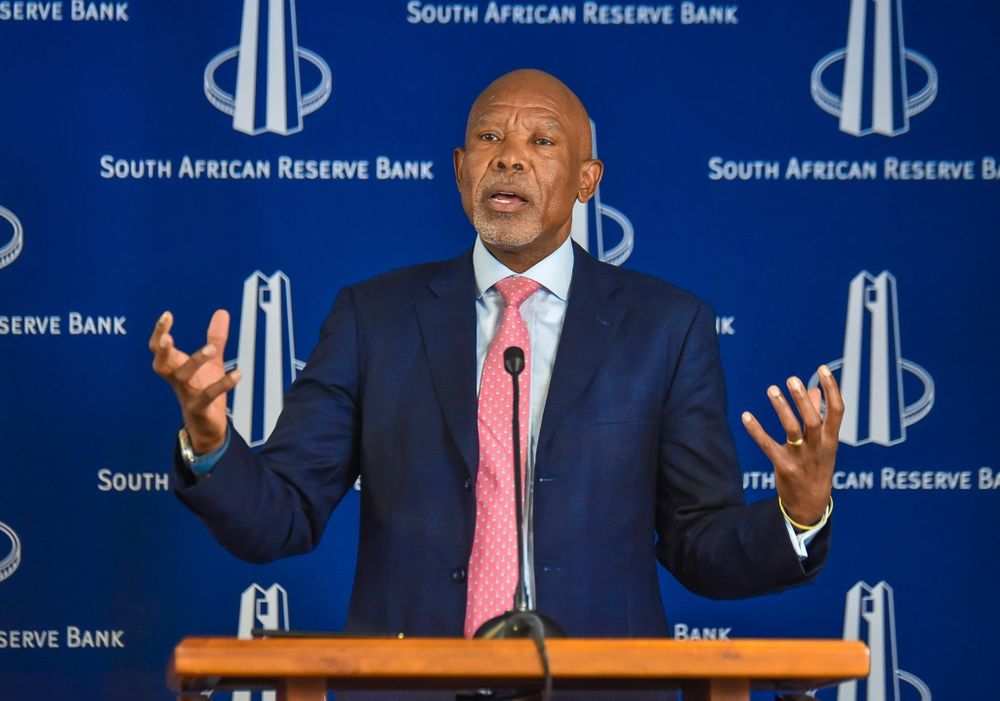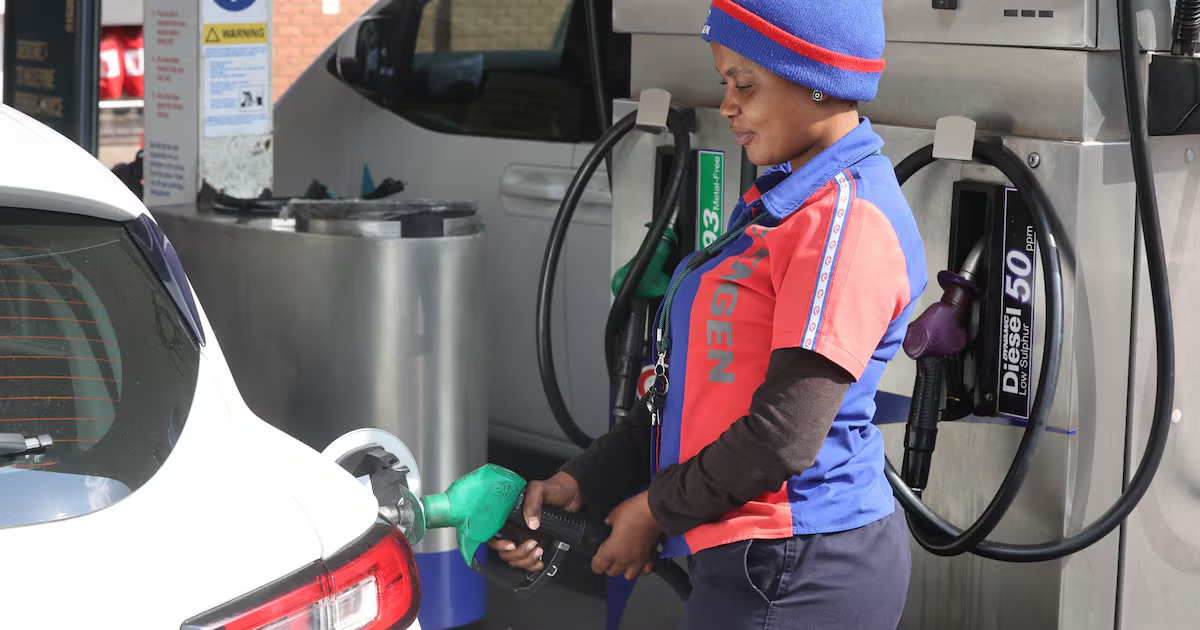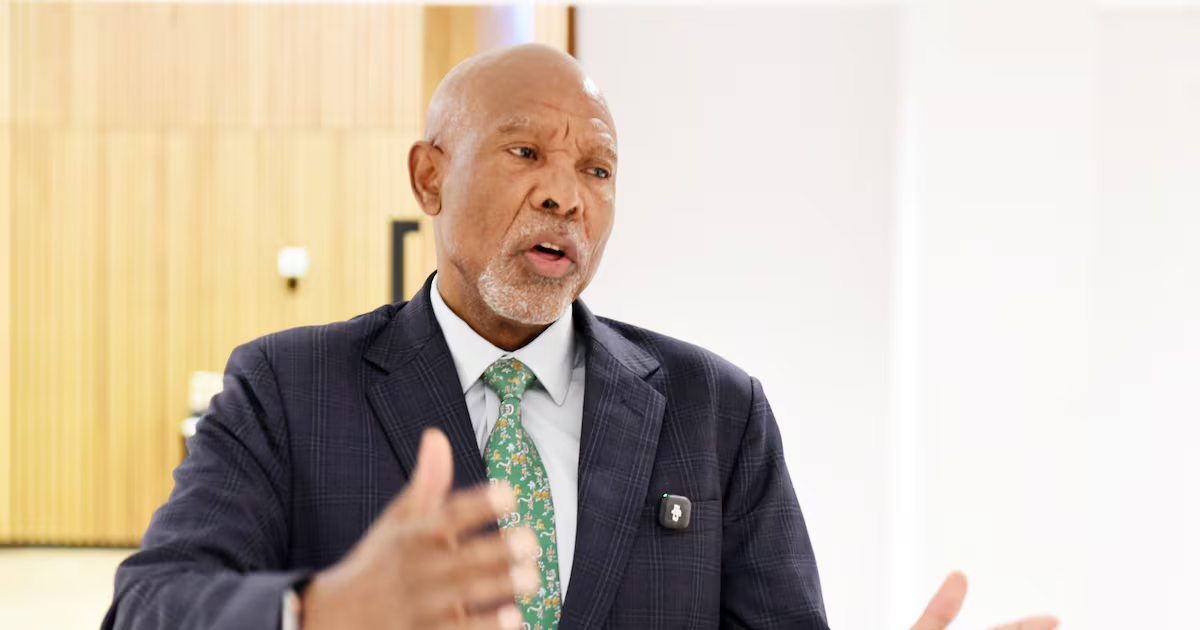
Consumer inflation accelerated as expected to 4% year on year in April from from 3.1% in March, partly driven by higher transport costs after steep fuel prices took effect at the start of the month as a result of global oil supply constraints.The April rate, the highest print since August 2024, falls within the 3.7% and 4.4% range predicted by economists and backs the case for the South African Reserve Bank (SARB) to hike interest rates when it concludes its third policy meeting of the year next week, to keep price pressures in check.The main contributors to the annual increase were housing and utilities, which registered 5.2% and contributed 1.2 percentage points to the headline number, as well as transport, which came in at 4.9% and accounted for 0.7 percentage points, Stats SA said on Wednesday.Given that South Africa is a net importer of oil and petroleum products and particularly vulnerable to global market turmoil, the price of fuel is set to rise even more steeply in coming months as the government phases out a general fuel levy reprieve that has partially cushioned consumers since April.On Wednesday major commuter bus operator Putco, which ferries thousands of passengers daily in Gauteng, Limpopo and Mpumalanga, said it would implement an average 10% fuel-related fare increase effective from June 1 in response to the recent fuel hikes “that have pushed diesel prices in South Africa to unprecedented levels”.“Following the latest increase implemented on May 6, diesel prices rose to approximately R32/l, placing severe pressure on the operational sustainability of the company,” it said in a statement.“In the current circumstances, internal projections revealed that a fuel-related adjustment of at least 35% would ordinarily have been required to fully offset the impact of the diesel price increases on operations. However, in line with its continued commitment to affordable public transport, Putco has once again taken the decision to implement a significantly lower adjustment in order to cushion passengers from the full financial impact of the escalating fuel costs.”Month on month, the consumer price index was up 1.1% in April following a 0.6% increase in March, Stats SA’s data showed.Earlier this month, SARB governor Lesetja Kganyago said in a public lecture that given the risks to inflation and the uncertainty about the effect of the war in the Middle East between the US and Iran, its monetary policy committee would have to “make tough decisions” in its next few meetings about whether second-round effects from the fuel price shock were coming and if it had enough space to look through them.“If we do have to raise rates, it will be to sustain low and stable inflation and all the benefits that brings,” Kganyago said.
Inflation quickens in April, backing case for rate hike next week
SA is a net importer of oil and is particularly vulnerable to global market turmoil
448 words~2 min read