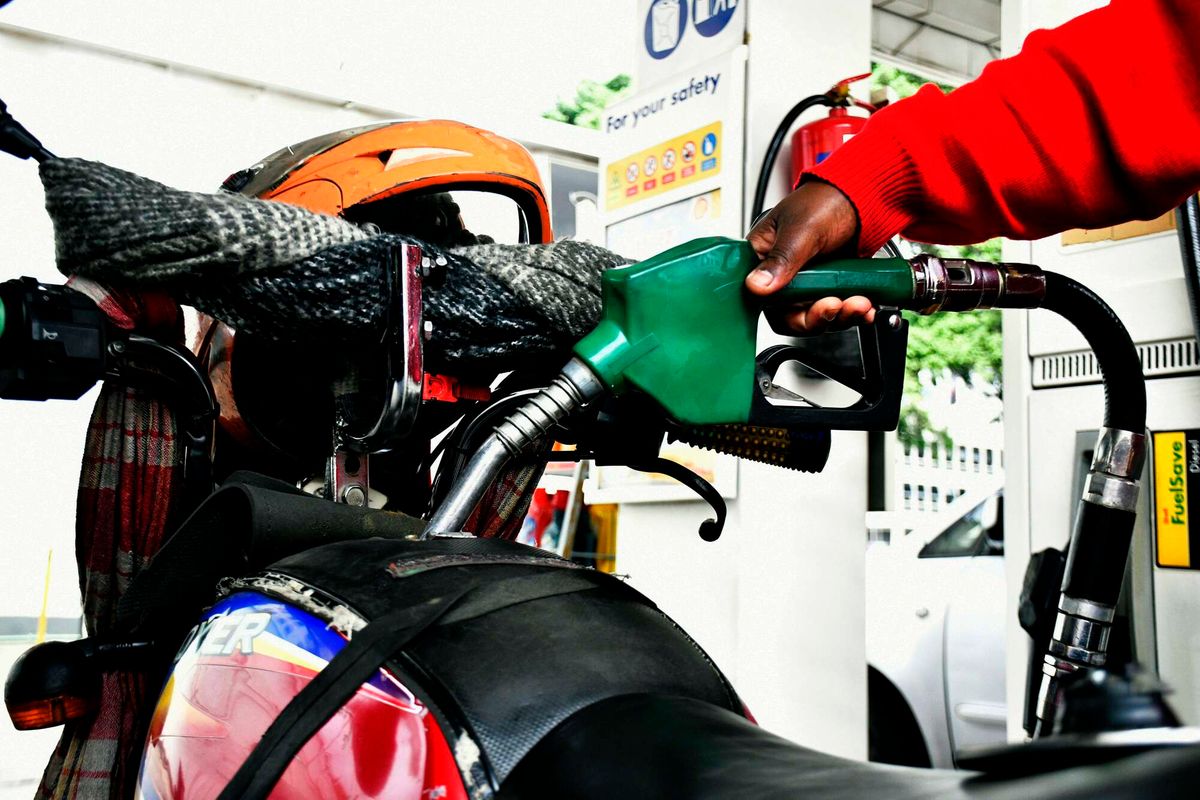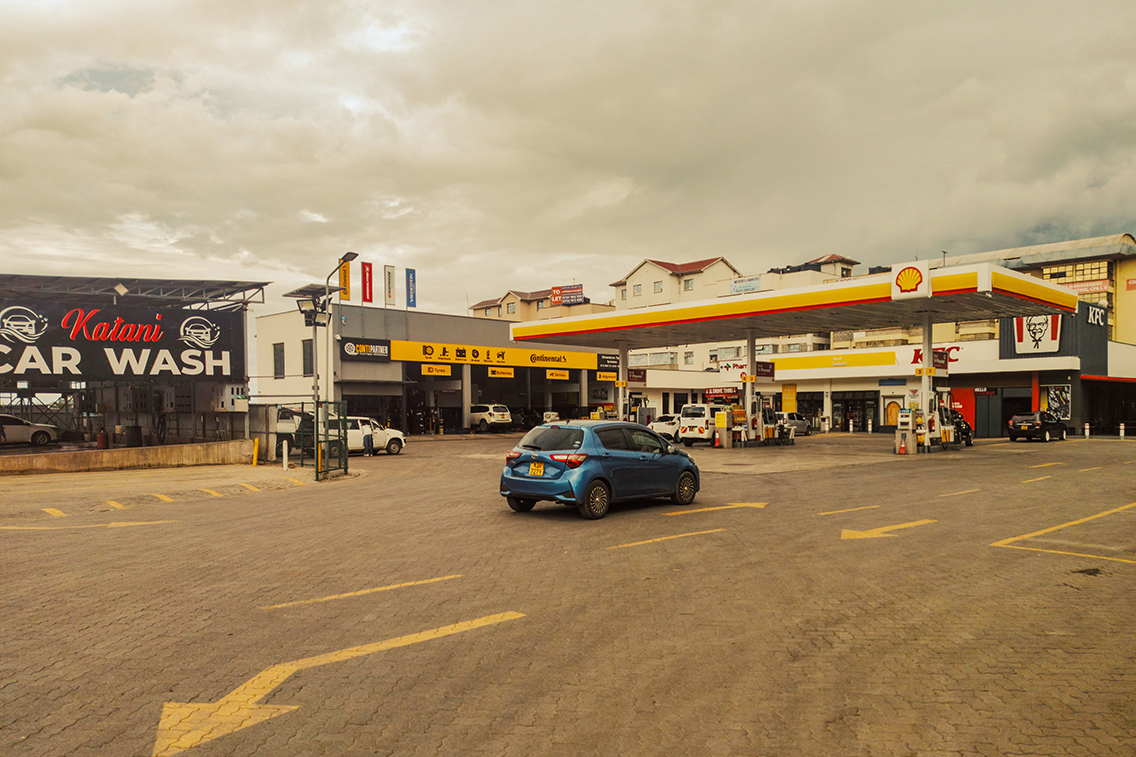
Every time instability grips the Gulf, African governments are reminded of an uncomfortable fact: many of their fuel systems still depend on assumptions that hold only in calm conditions. When a strategic waterway such as the Strait of Hormuz comes under pressure, supply chains tighten, shipping grows more expensive, and traders become more selective. By the time that pressure reaches the pump, the economic and political damage is already underway.
That pattern plays out differently across the continent, but the underlying vulnerability is the same. In West Africa, global shocks expose a familiar contradiction: being an oil producer is not the same thing as having a resilient downstream market. Nigeria remains the clearest case. Despite producing crude at scale, the country spent record sums on imported refined petroleum in 2024, with official data from the National Bureau of Statistics showing import costs more than doubling in a single year. According to the US Energy Information Administration, Nigeria’s refined petroleum product imports averaged around 376,000 barrels per day between 2020 and 2024, a striking figure for Africa’s largest crude producer. Import dependence and foreign exchange pressure can quickly erase the advantages that crude production ought to confer.