Support CleanTechnica's work through a Substack subscription or on Stripe.
By Wanjiru Kamotho-Mureithi
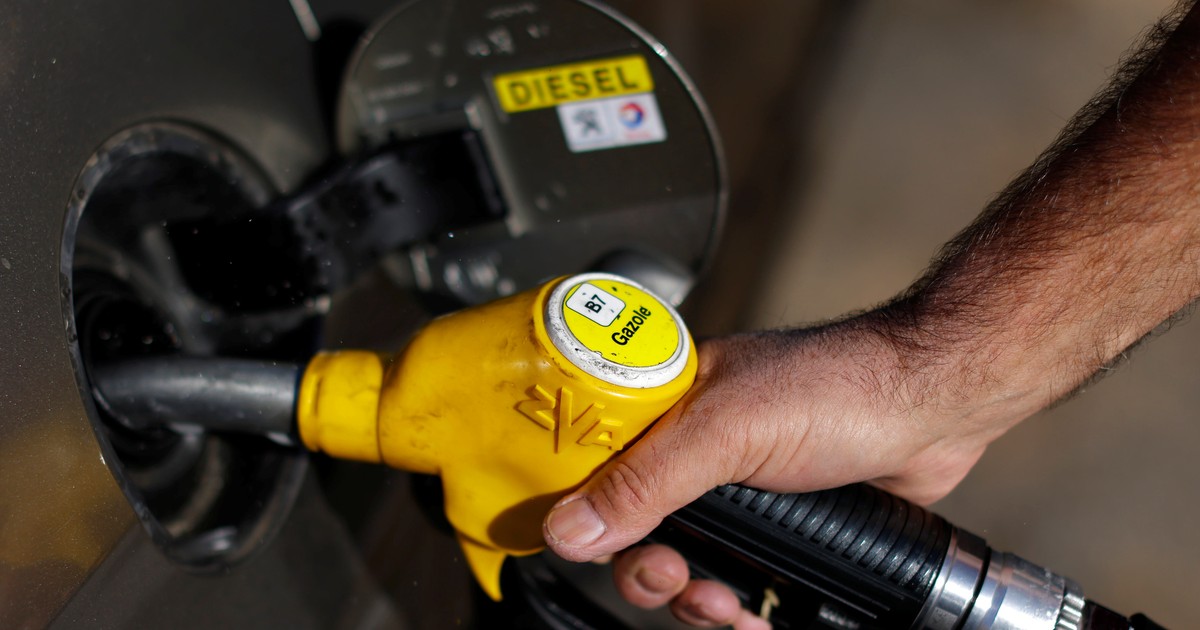
The recent instability in the Gulf region has reminded African countries and the world of a familiar yet painful vulnerability; oil-dependent economies face recurring crises they cannot control.
Kenya offers a clear illustration of this dynamic. Nearly all the country’s fuel is imported, with the nation spending approximately $5 billion annually, making it one of the largest uses of the country’s foreign exchange reserves. This dependence creates sustained pressure on the shilling and leaves the economy highly exposed to global oil price volatility.
When geopolitical tensions disrupt shipping routes, fuel prices spike within days. In Nairobi, where buses are the primary mode of transport, and millions rely on them daily, fares increase, the cost of living goes up, and household budgets come under pressure.