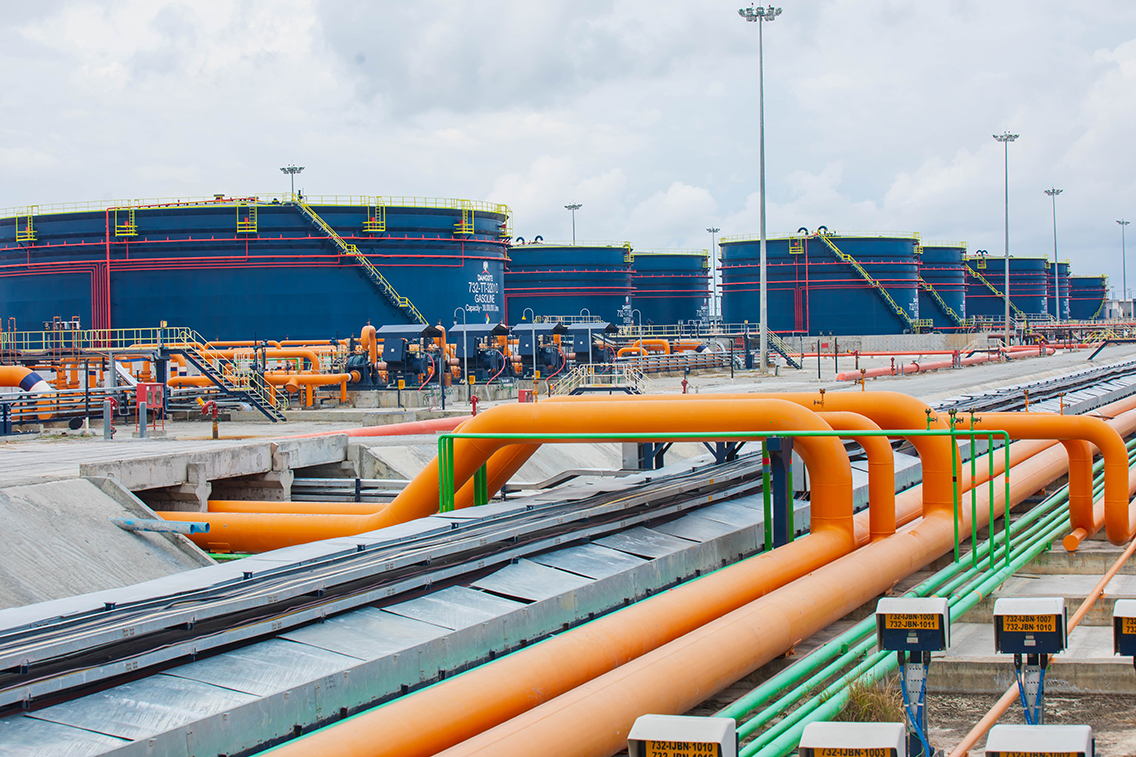
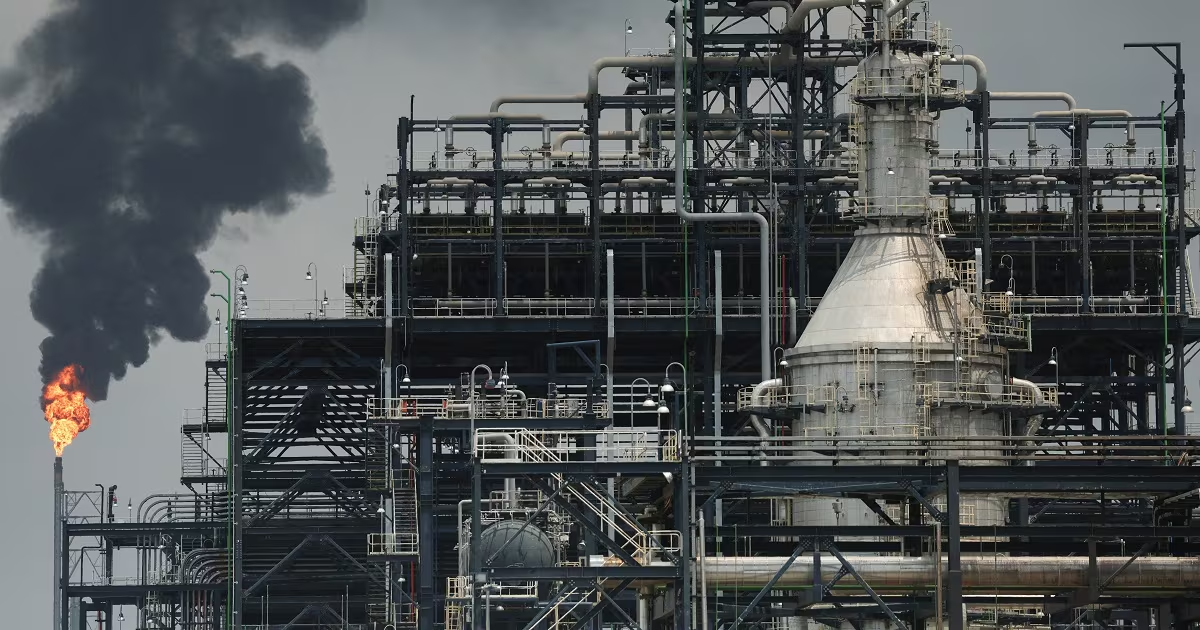
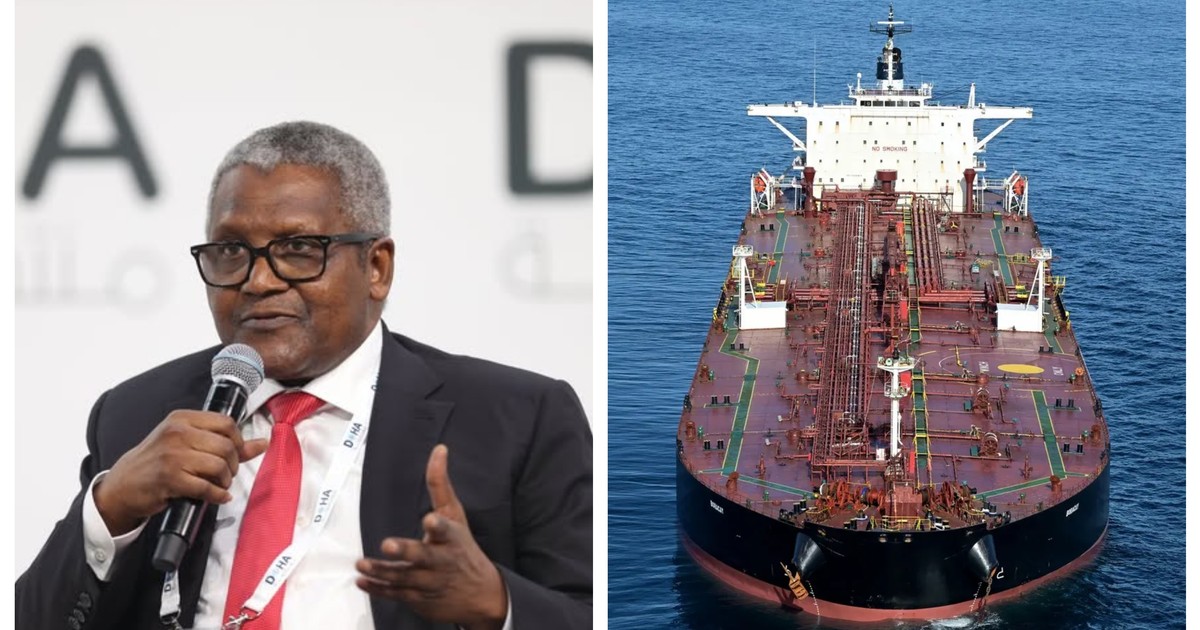
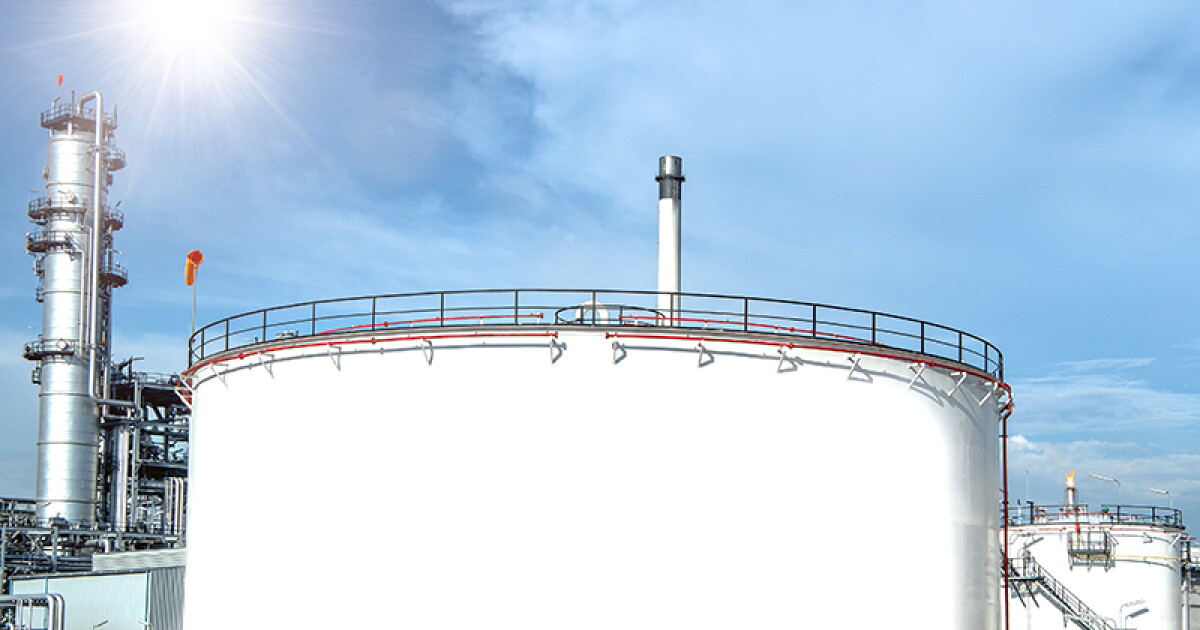
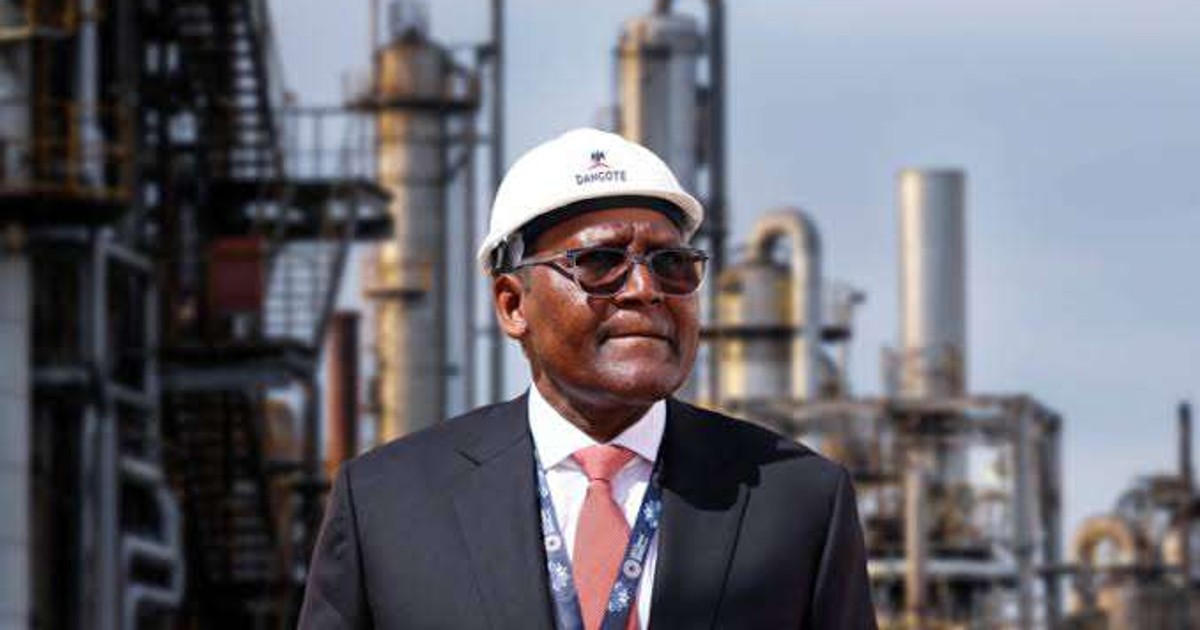
The Dangote Refinery has reportedly increased production and supply given the increase in global demand, thereby making Nigeria a net fuel exporter of refined petroleum as of March 2026. (LinkedIn)
As we approach the second half of the year, it is important to reflect on the busy first half. After a hectic 2025, most observers would have expected some form of respite. Unfortunately, respite will not likely be a word associated with the first half of 2026.
The oil and gas sector and the broader energy sector, an industry I have worked in for decades, have seen some of the worst turbulence, as prices react to the conflict and geopolitical tensions in the Middle East.
This turmoil has inflicted unintended knock-on adverse impacts on the price and availability of key energy products and important goods and services such as fertiliser, shipping and logistics services as a result of the closure of the Strait of Hormuz. From an inflation monitoring perspective, we have gone from anticipating interest rate cuts to predicting increases to curb the impacts on the population and protect the value of the rand (ZAR). The protagonists of the ongoing conflict may be limited in number, but the impact of their clash has been widespread, and its reverberations are sure to continue for some time to come.