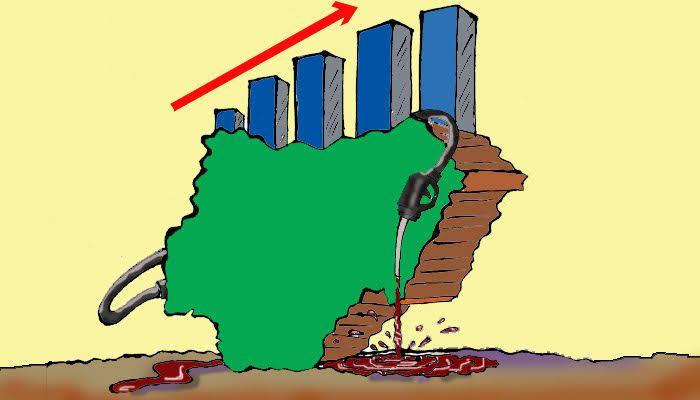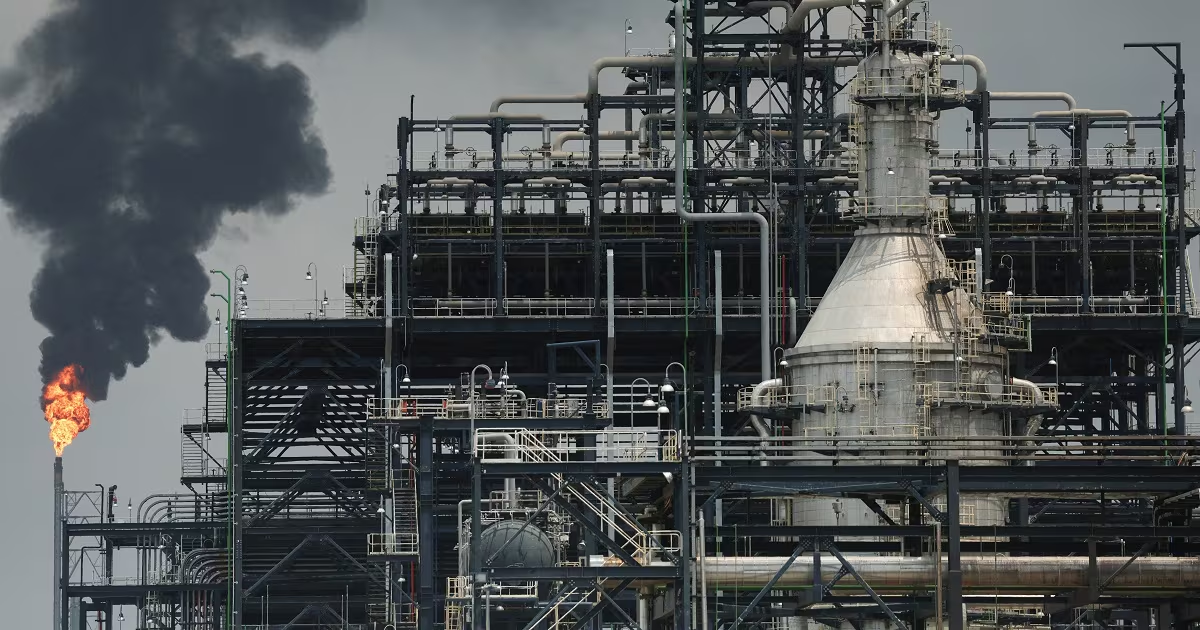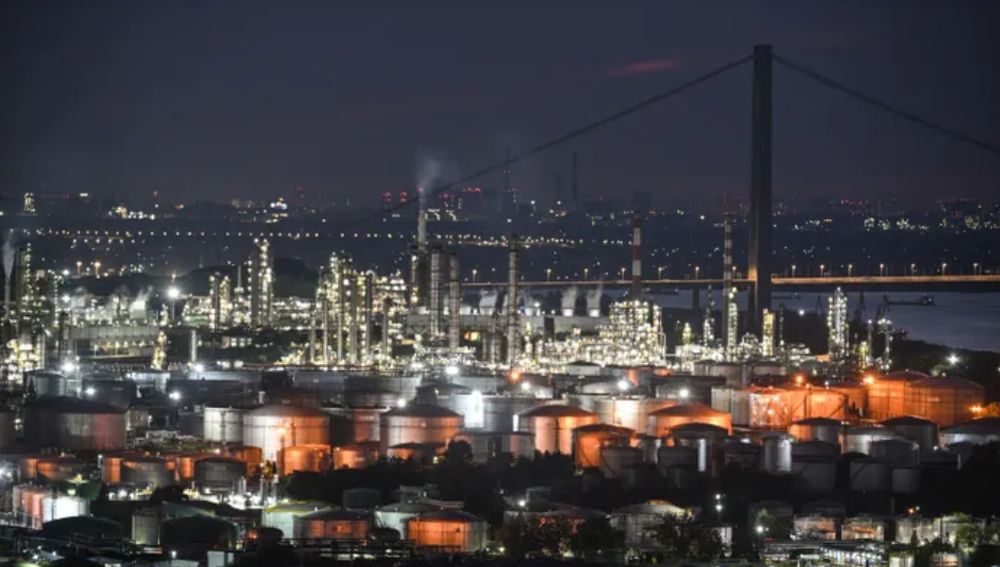
Africa's largest crude oil producer spent decades importing the very fuel refined from its own earth, crude pumped from the Niger Delta, shipped to European refineries, then sold back to Nigerians at a premium the country could barely sustain.
For sixty-six years, Nigeria lived one of the most bewildering contradictions in global economics. Africa's largest crude oil producer spent decades importing the very fuel refined from its own earth, crude pumped from the Niger Delta, shipped to European refineries, then sold back to Nigerians at a premium the country could barely sustain. A dysfunction that survived oil booms, military regimes, and four spectacularly failed rehabilitation programmes.
That era ended in March 2026.
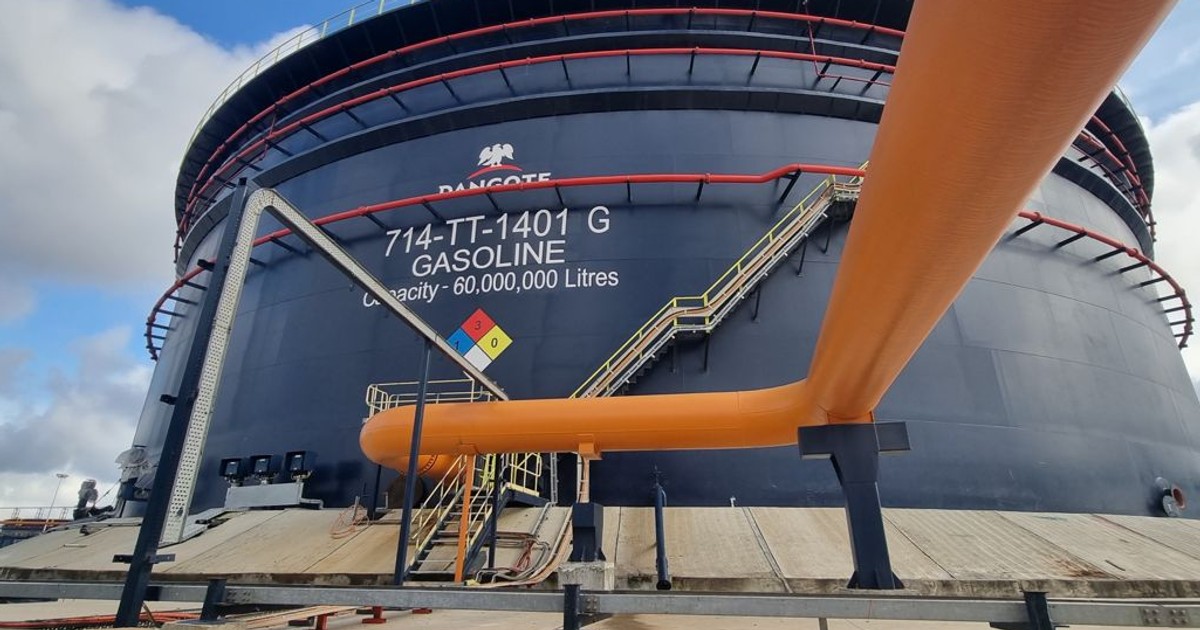
In March 2026, the Dangote Petroleum Refinery exported 44,000 barrels per day of gasoline set against imports of 41,000 bpd, Nigeria produced a net surplus of approximately 3,000 bpd. The margin was slim. The symbolism was seismic. For the first time in post-independence history, Nigeria had exported more refined petroleum than it imported.
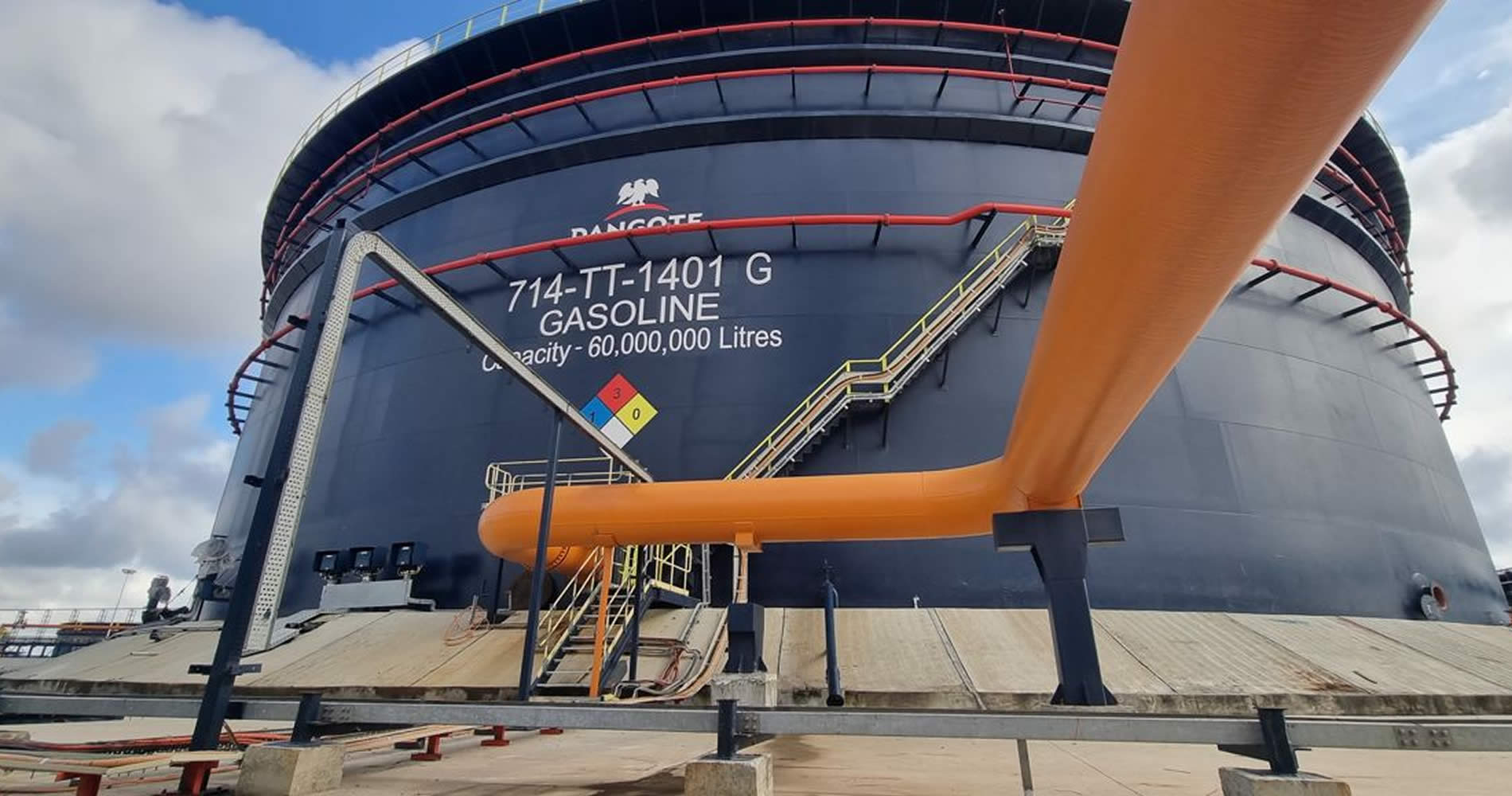
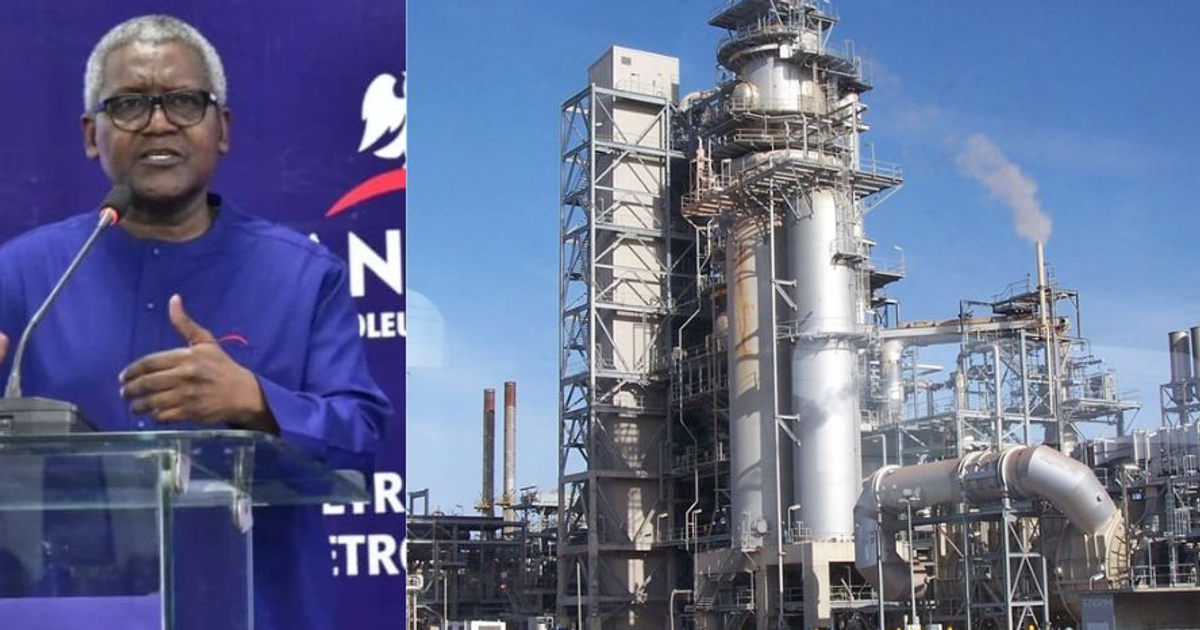
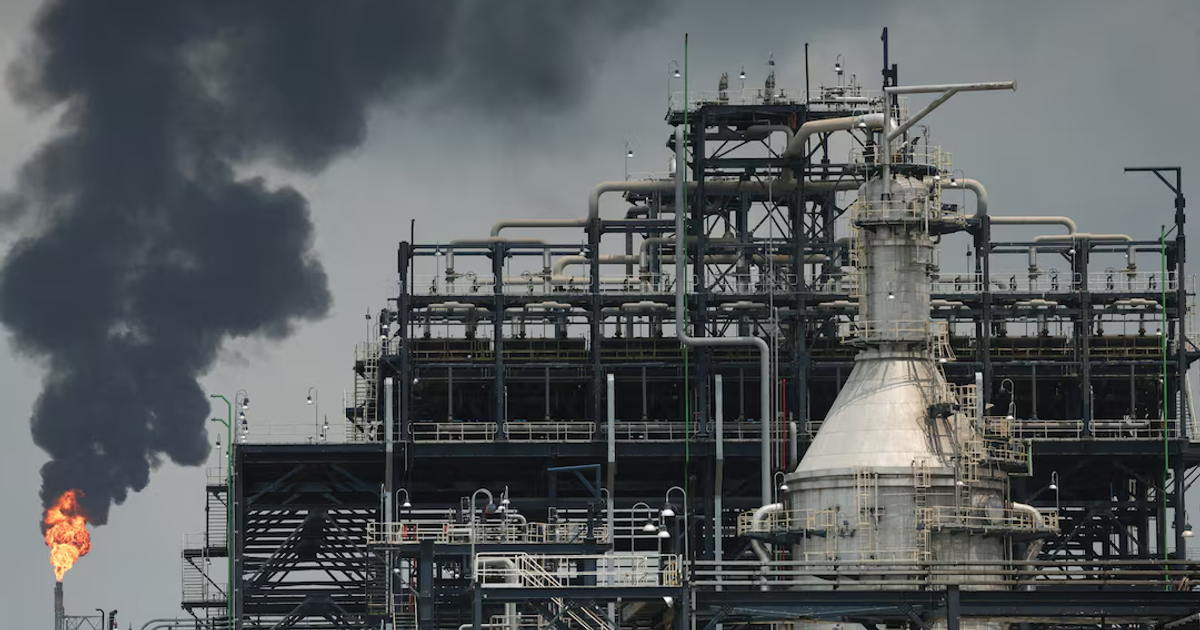
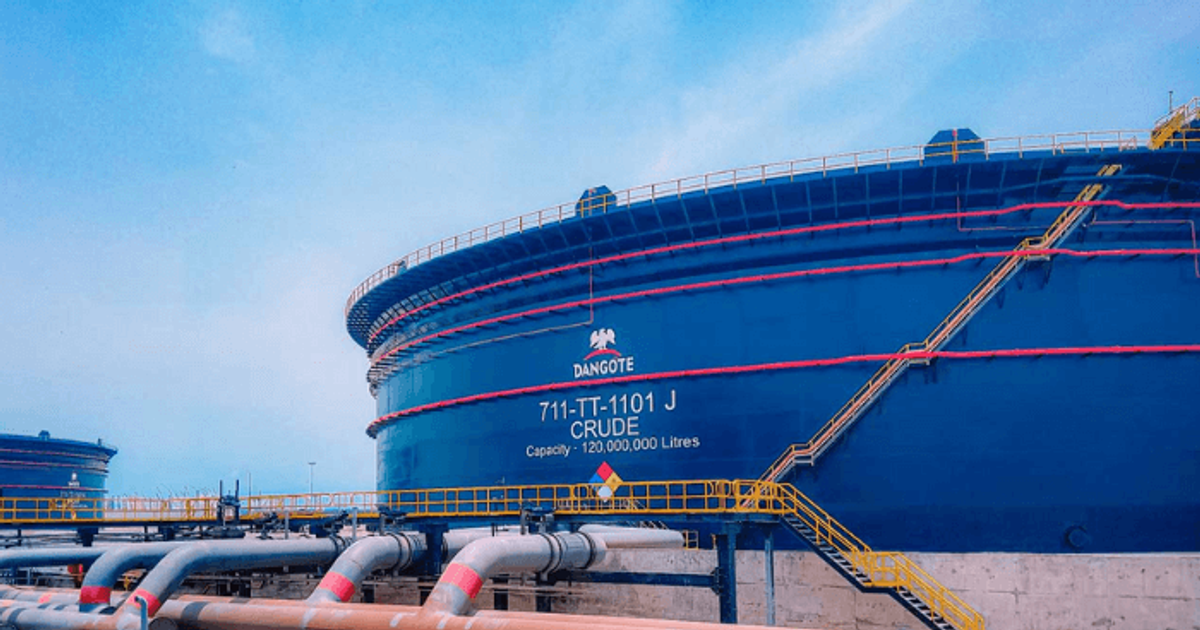
By February 2026, the plant had reached its full nameplate capacity of 650,000 barrels per day the world's largest single-train refinery, sitting on a 2,635-hectare site in Lagos's Lekki Free Trade Zone. As of May 2026, it is operating at 99.4% capacity utilisation. For comparison, Saudi Arabia's Ras Tanura refinery processes around 550,000 bpd, making what Dangote has achieved in a single train virtually without parallel.