By Prof. Yinka Omorogbe SAN
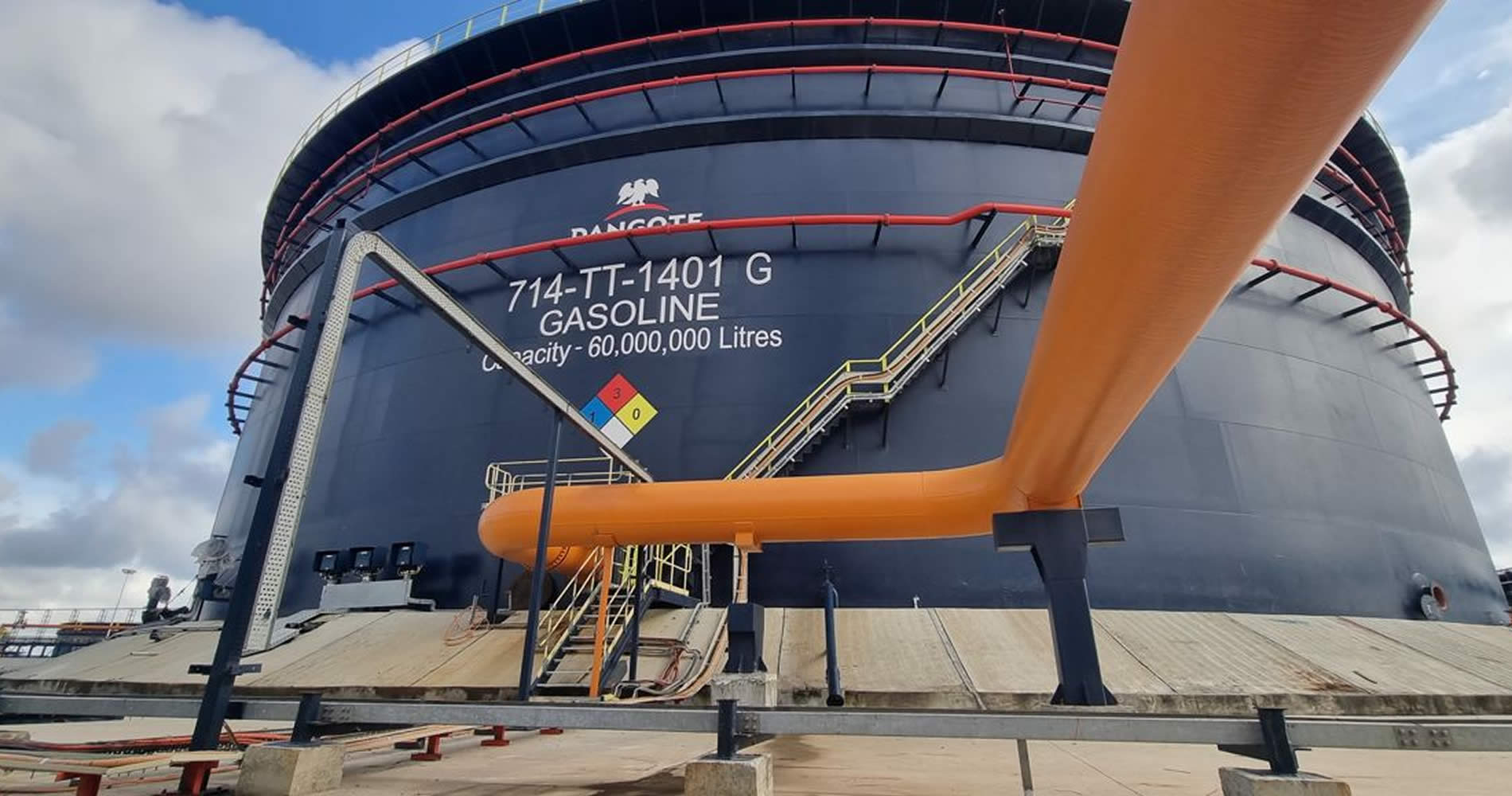
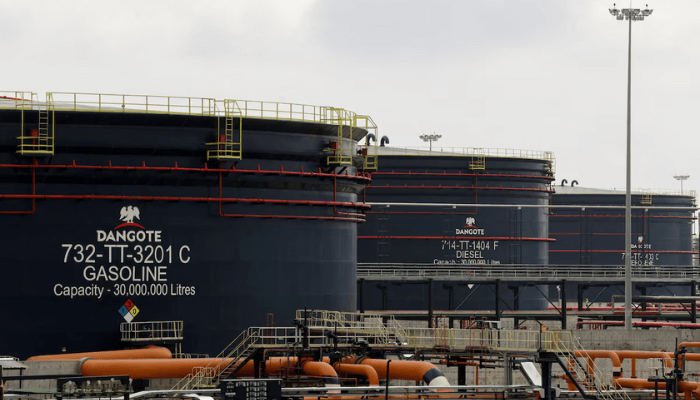
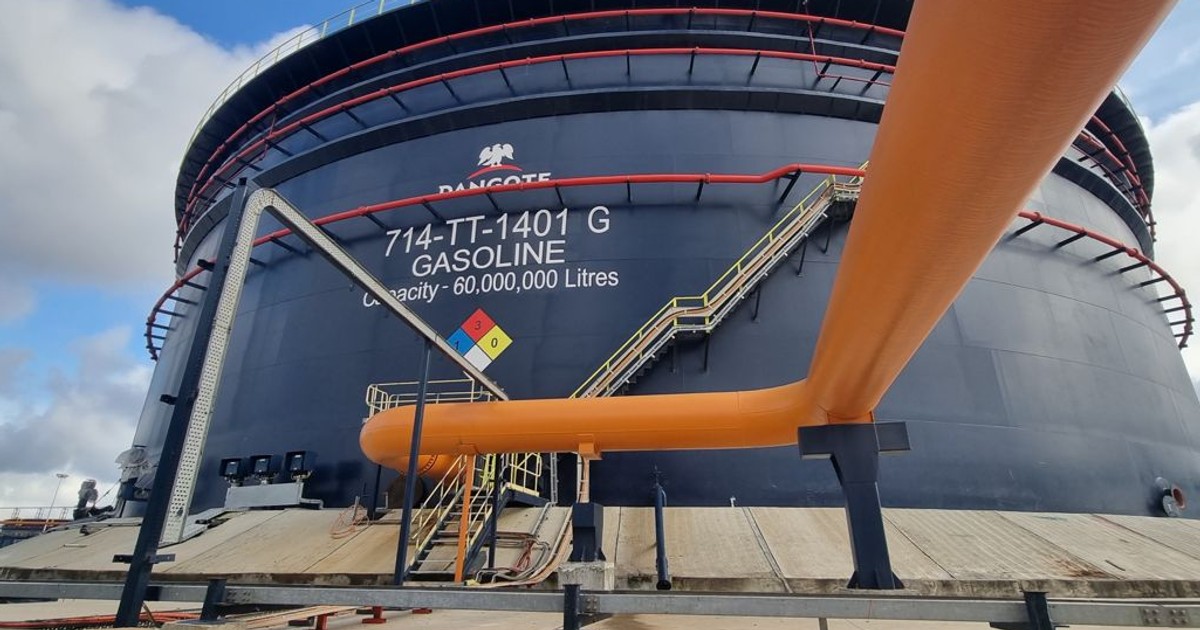
In Lekki, Lagos, the Dangote Refinery is not merely refining crude oil. It is refining the meaning of sovereignty in a world where nations are judged by what they can produce, secure and supply.
For decades, Nigeria lived with one of the most painful contradictions in modern economic history: a major crude oil producer that exported crude and imported refined dependence through a downstream sector distorted by opacity, subsidy pressures, regulatory uncertainty and recurrent supply irregularities. Nigeria’s downstream crises were never only petrol, diesel, aviation fuel, margins, price disputes or market share, but whether Nigeria could convert its natural endowment into industrial power, strategic security and shared prosperity.
This is why the Dangote Refinery must be assessed beyond the narrow language of downstream economics. It is an existential and developmental project for Nigeria and Africa, and a strategic asset in an unstable global energy order. It speaks to a larger question: can an African country long trapped in the paradox of exporting crude oil and importing refined products finally move from extraction to transformation?
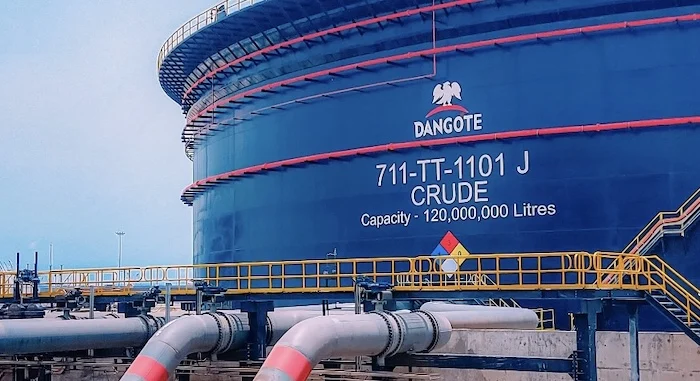
Yet, a refinery cannot run on symbolism. It needs crude oil, reliable feedstock, and an enabling environment.