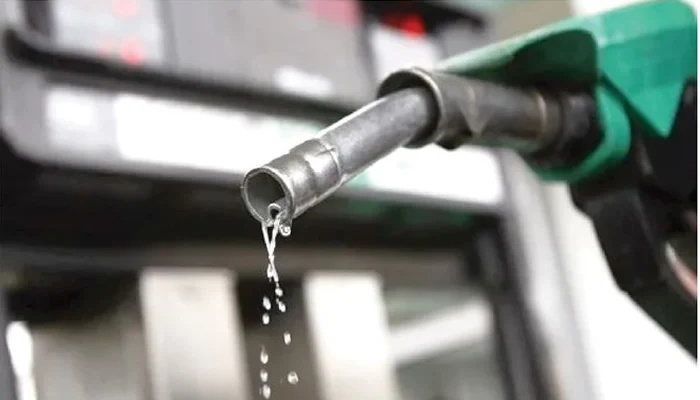
For decades, Nigeria embodied one of the oil industry’s greatest contradictions. Africa’s largest crude producer exported millions of barrels of crude oil every day while importing much of the petrol, diesel and aviation fuel consumed at home.
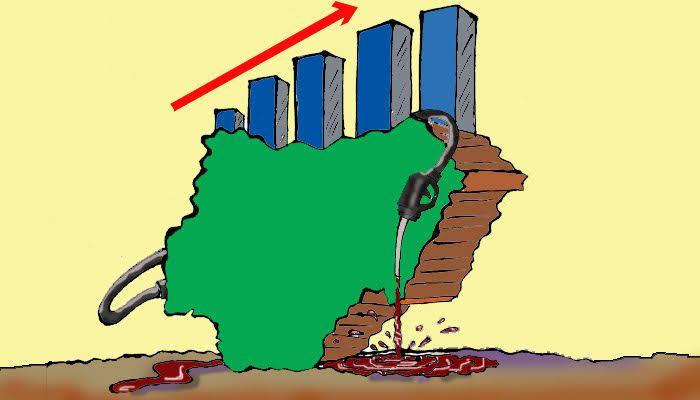
Despite producing crude, the country depended on foreign refineries to satisfy domestic demand, exposing the economy to fuel shortages, foreign exchange volatility and one of the world’s most expensive fuel subsidy regimes.
Successive governments sought to break that cycle. Billions of dollars were spent rehabilitating the country’s four state-owned refineries in Port Harcourt, Warri and Kaduna, whose combined installed capacity stands at 445,000 barrels per day (bpd).
Refinery turnaround maintenance became a recurring feature of government budgets, yet utilisation remained negligible for years. For context, over the past two decades, Nigeria has spent an estimated $18 billion to $25 billion on rehabilitating and maintaining its state-owned refineries, with some estimates citing total spending over the last 30 years surpassing $20 billion.
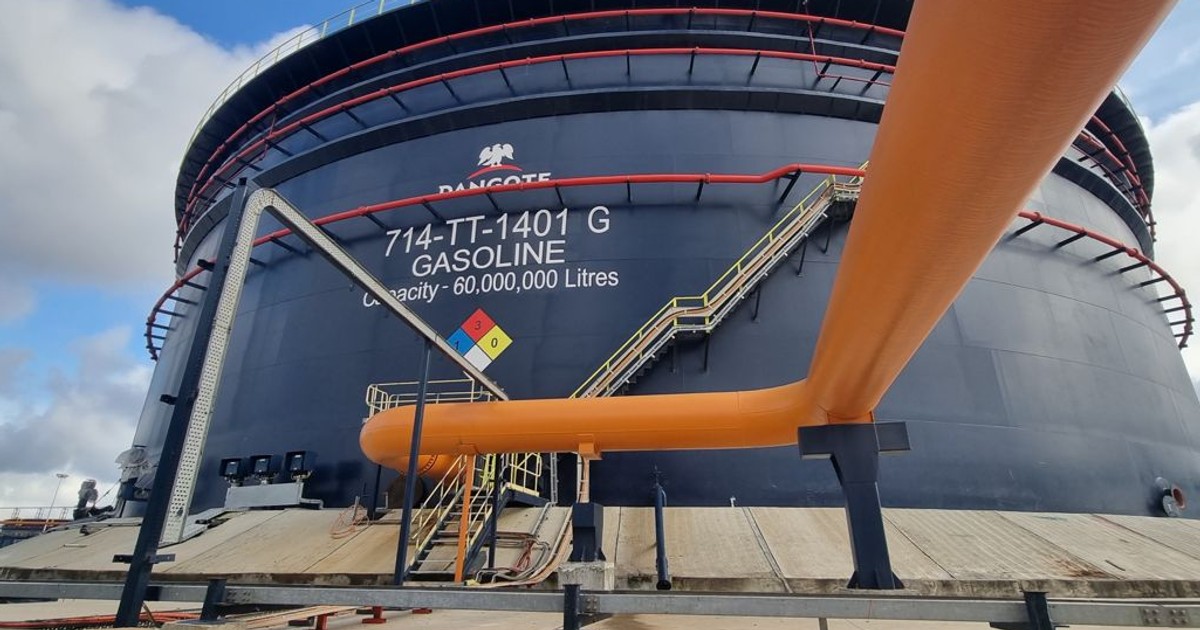
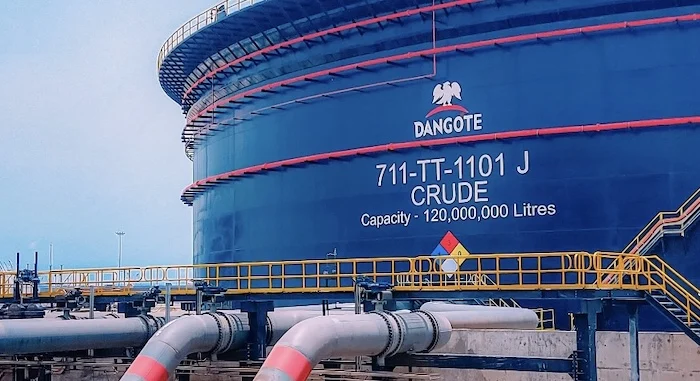
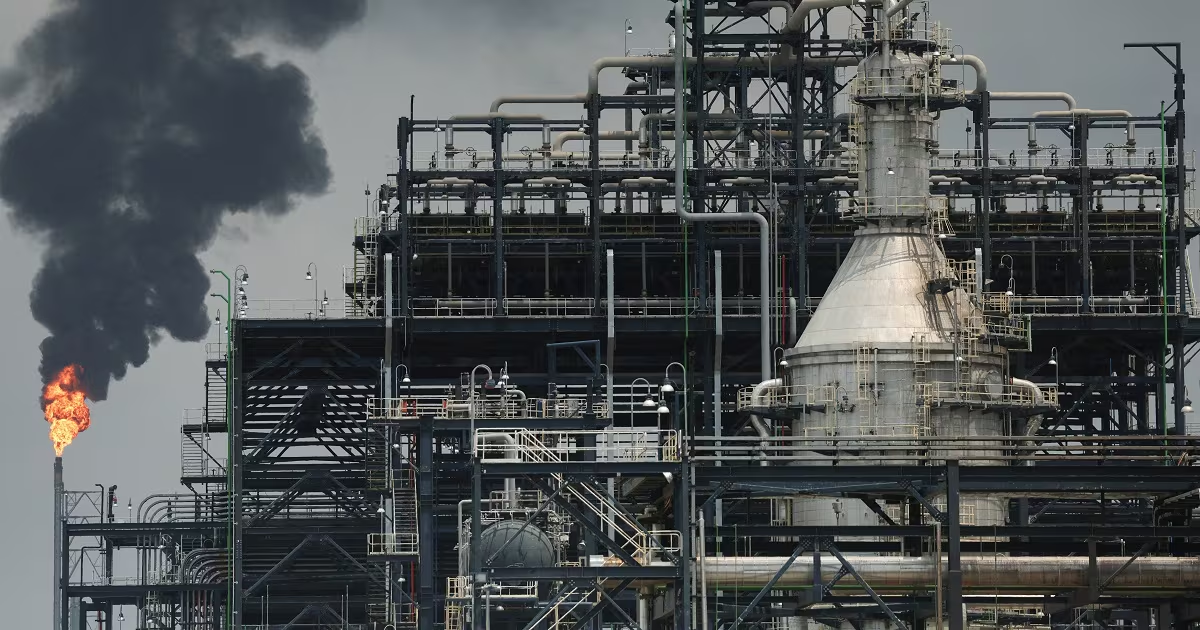
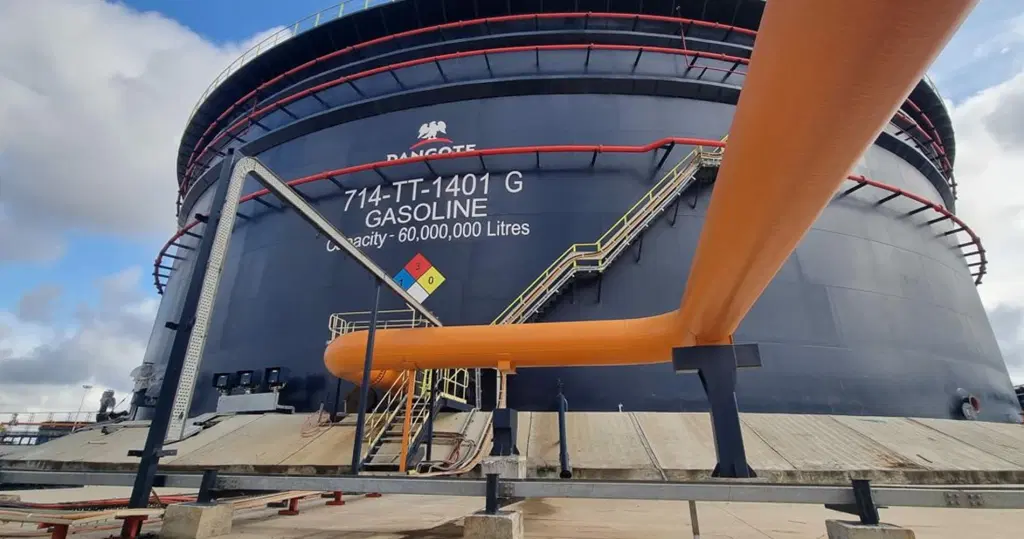
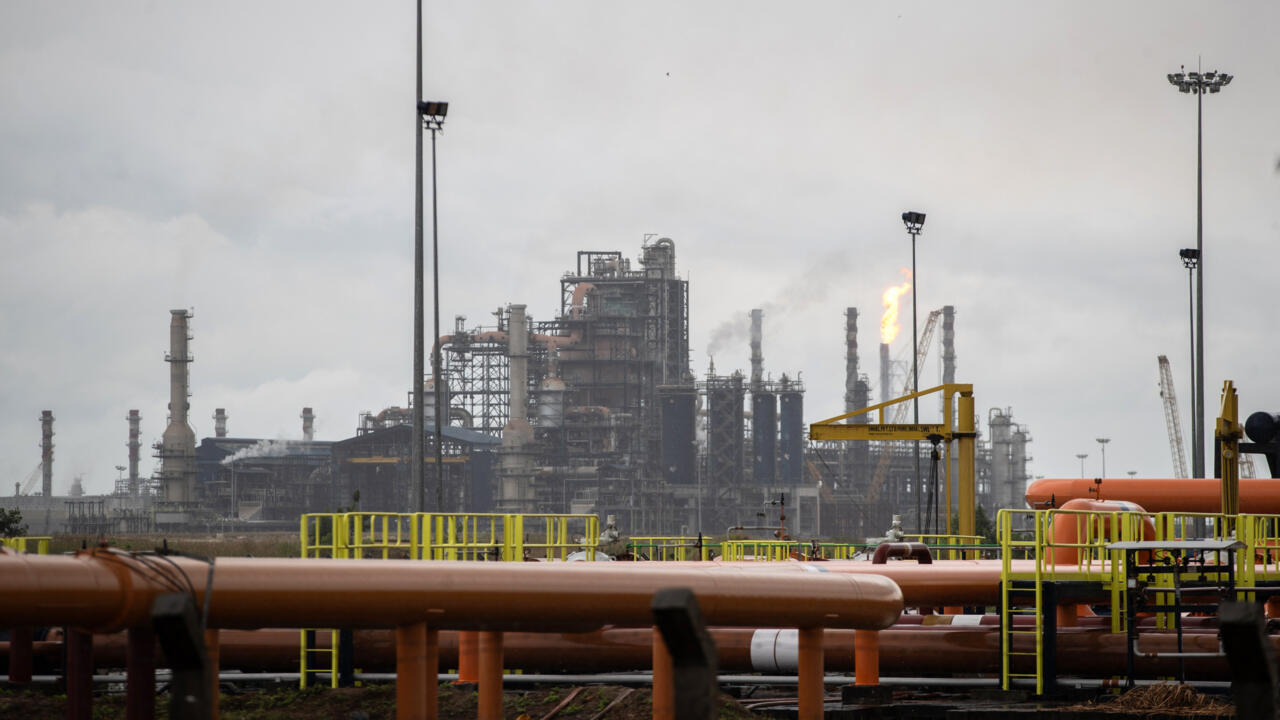
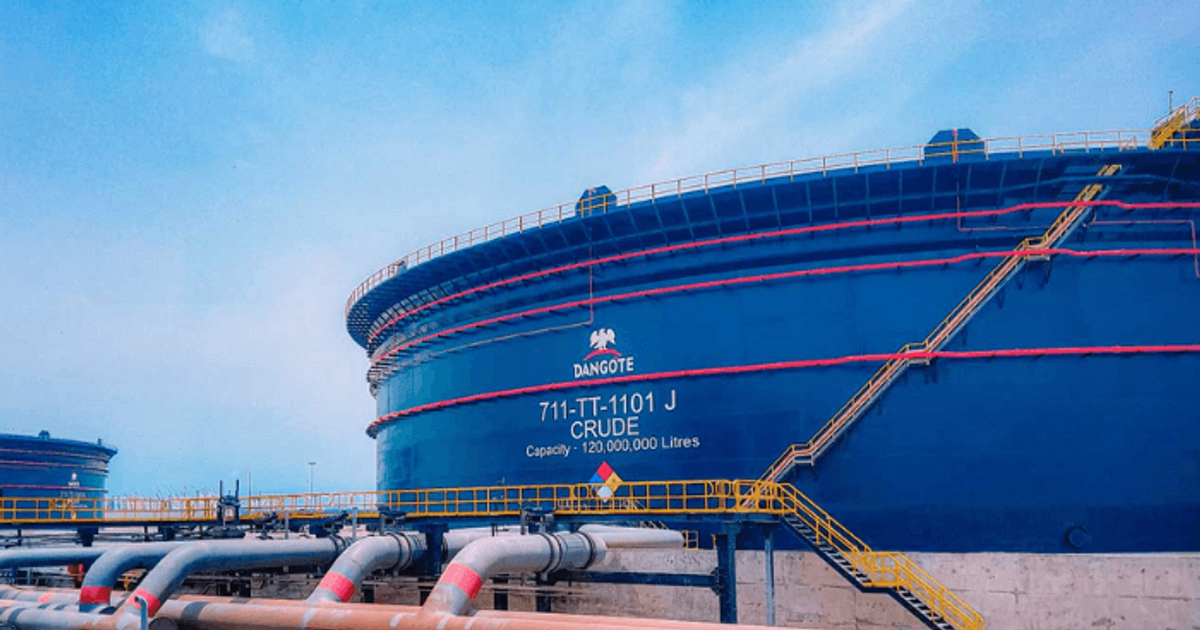
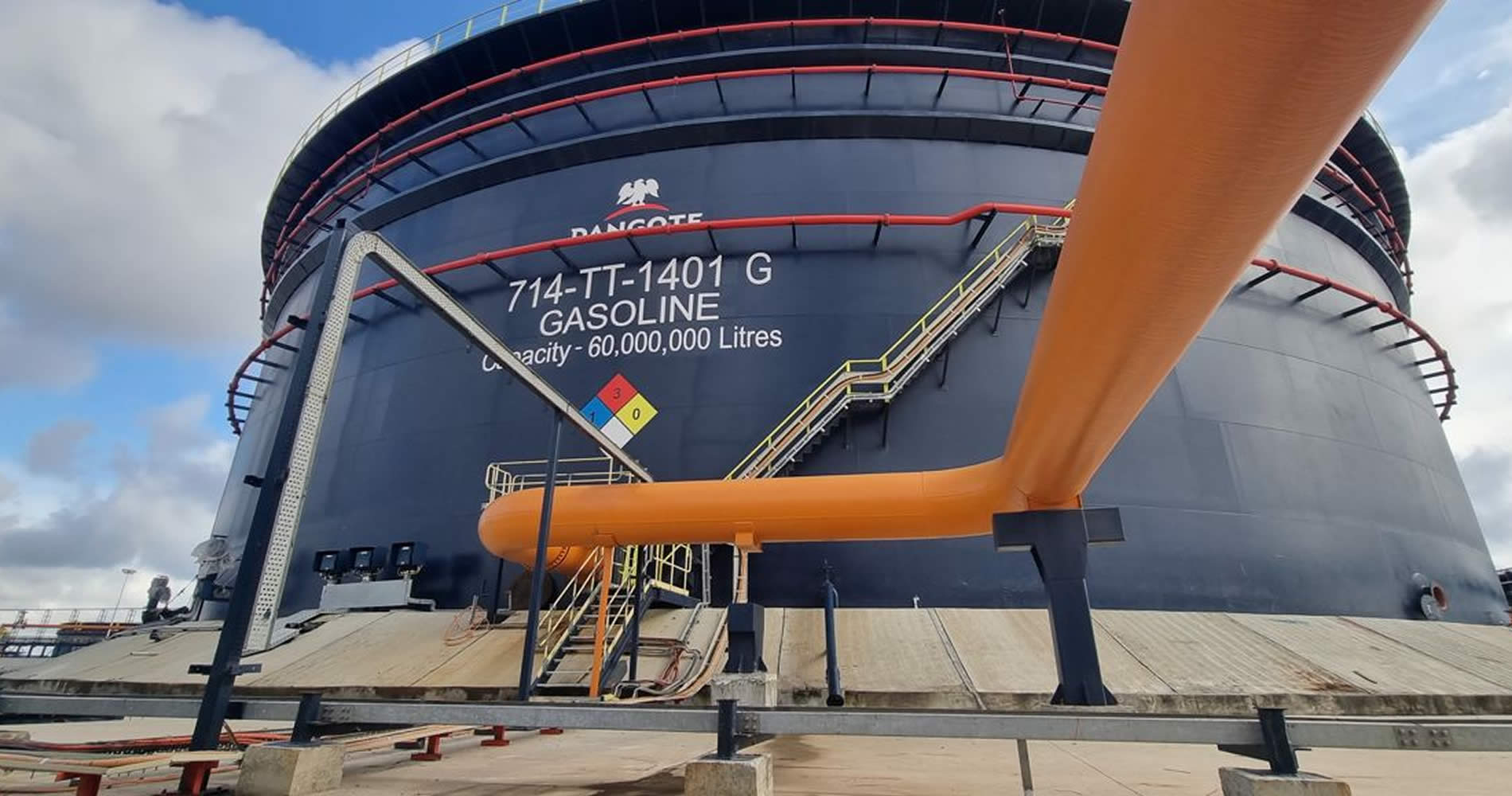
The commissioning of the 650,000-bpd Dangote Petroleum Refinery has begun to change that equation. More than simply ending Nigeria’s dependence on imported fuel, the refinery is reshaping trade flows across Africa, creating new export opportunities, strengthening energy security and repositioning Nigeria within the global refining industry.