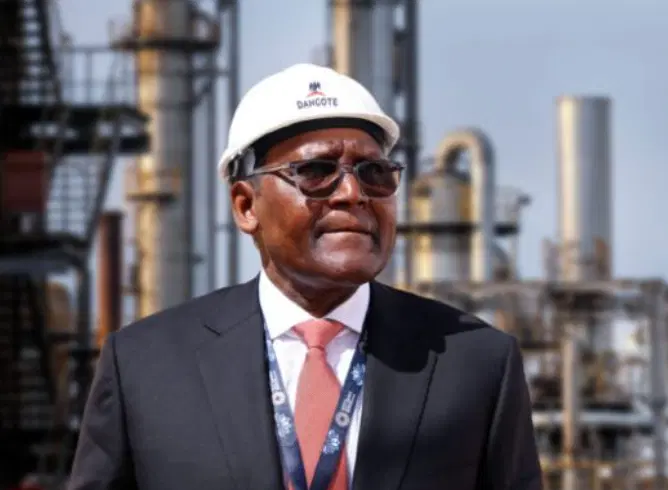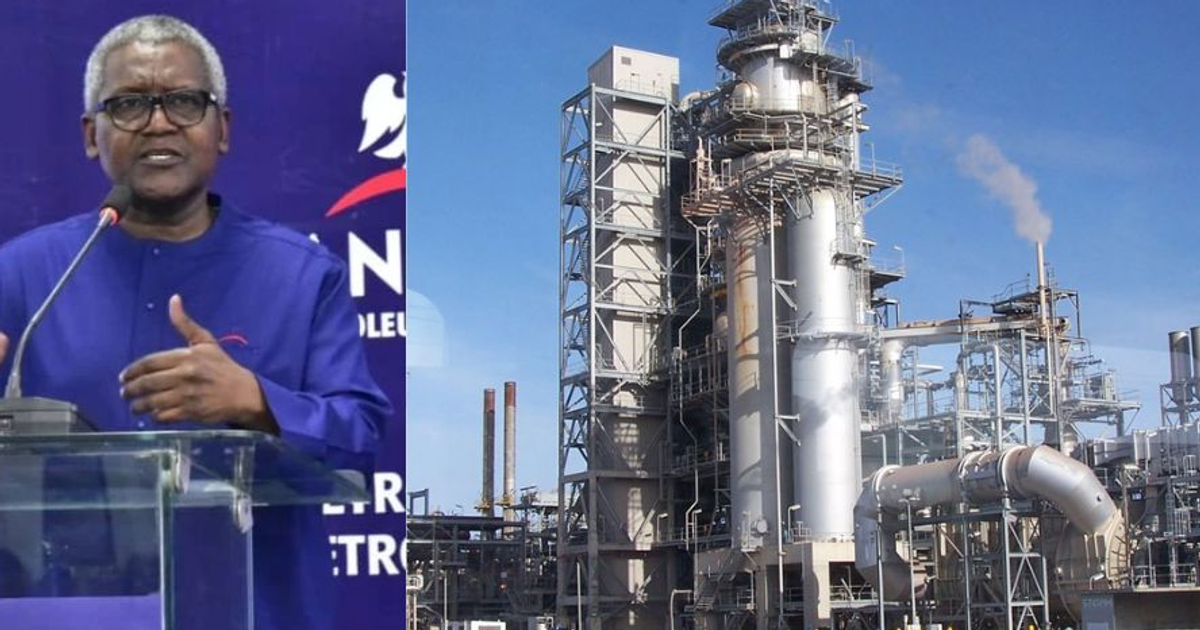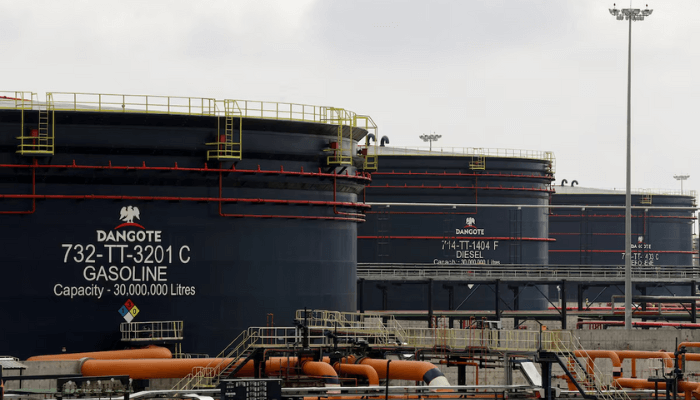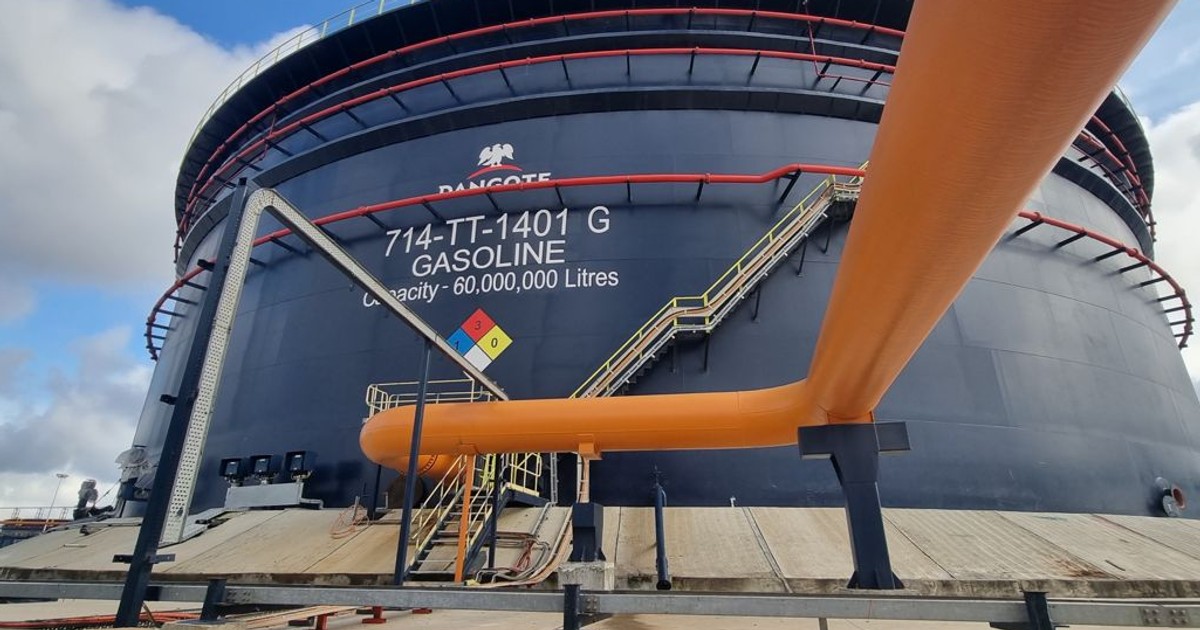
Nigeria’s dependence on imported refined petroleum products has long placed pressure on foreign exchange and left the economy vulnerable to global supply disruptions. With the Dangote refinery operating at scale, stakeholders say its impact could span fuel prices, industrial growth, energy security and exports, DARE OLAWIN reports
For decades, Nigeria’s status as a major global crude oil producer contrasted sharply with its heavy dependence on imported refined petroleum products. The country produced crude for export but relied heavily on foreign refineries to meet domestic demand for petrol, diesel and aviation fuel.
The arrangement placed pressure on the nation’s foreign exchange market, exposed consumers and businesses to international supply disruptions and left a major part of the value chain outside the country. For decades, Nigerians endured excruciating fuel scarcity, wasting productive days and nights in queues at filling stations.
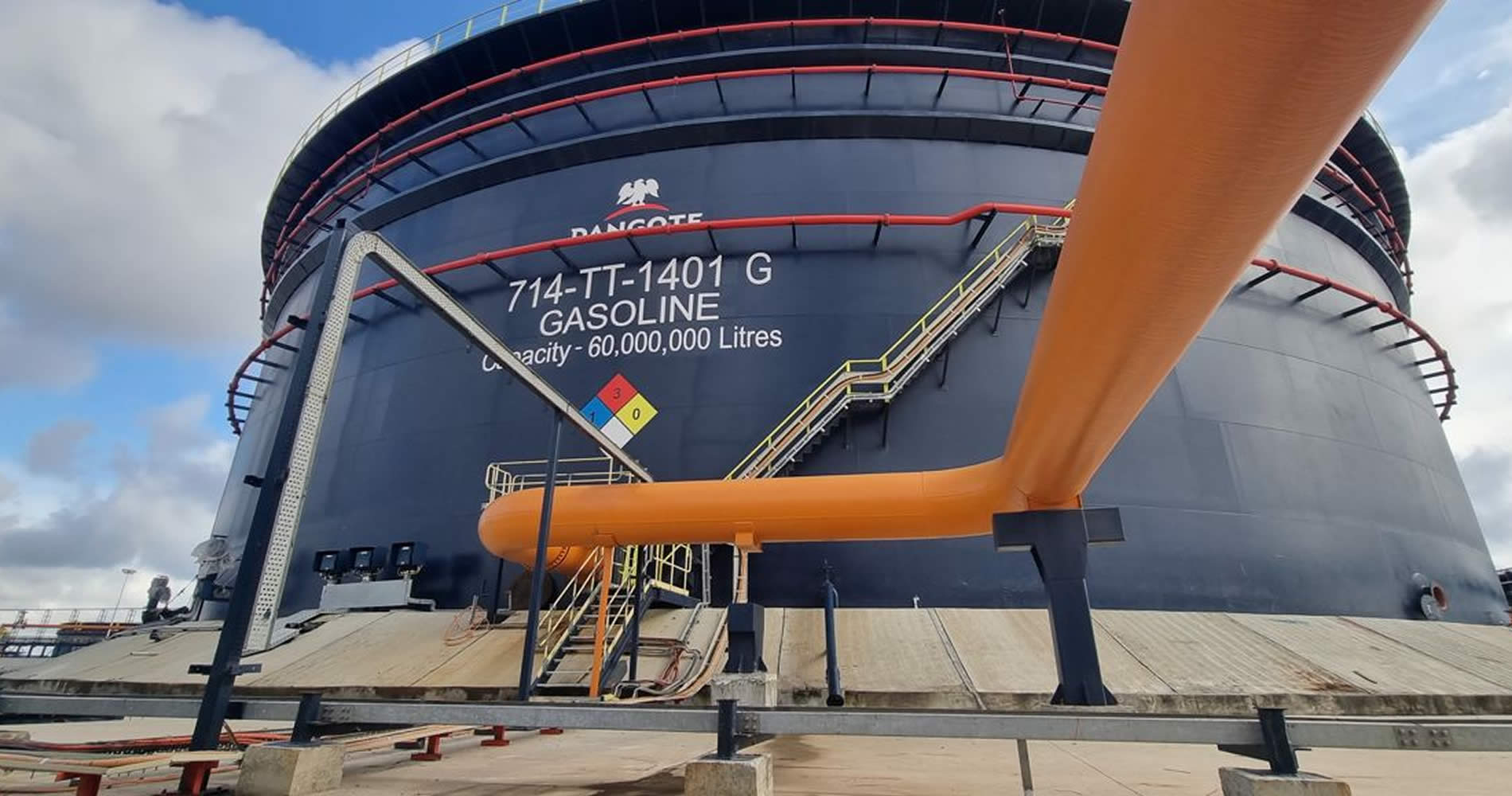
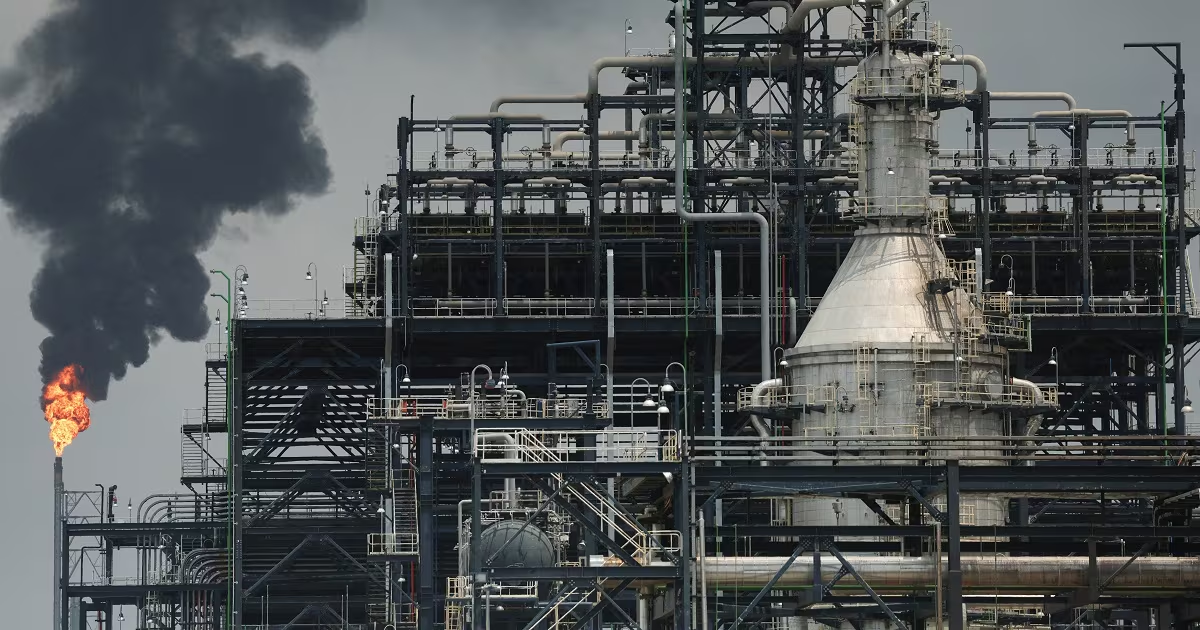
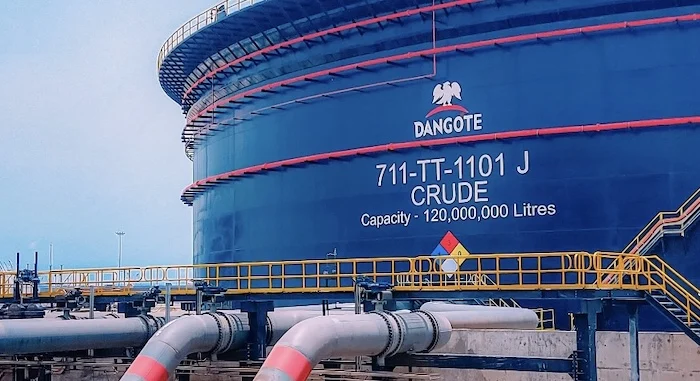
However, experts argue that the emergence of the Dangote Petroleum Refinery and Petrochemicals is changing that equation. With its processing capacity now reaching 700,000 barrels per day, above its original 650,000 bpd nameplate capacity, the Lekki-based refinery is said to have moved beyond being simply a large industrial project. Its growing production and export activities are increasingly putting Nigeria in a different position within the global petroleum products market.