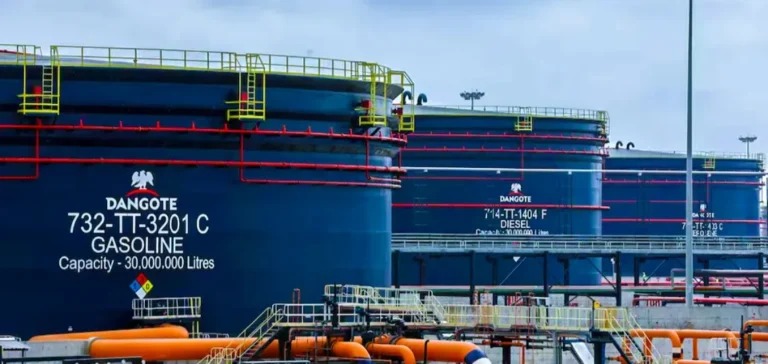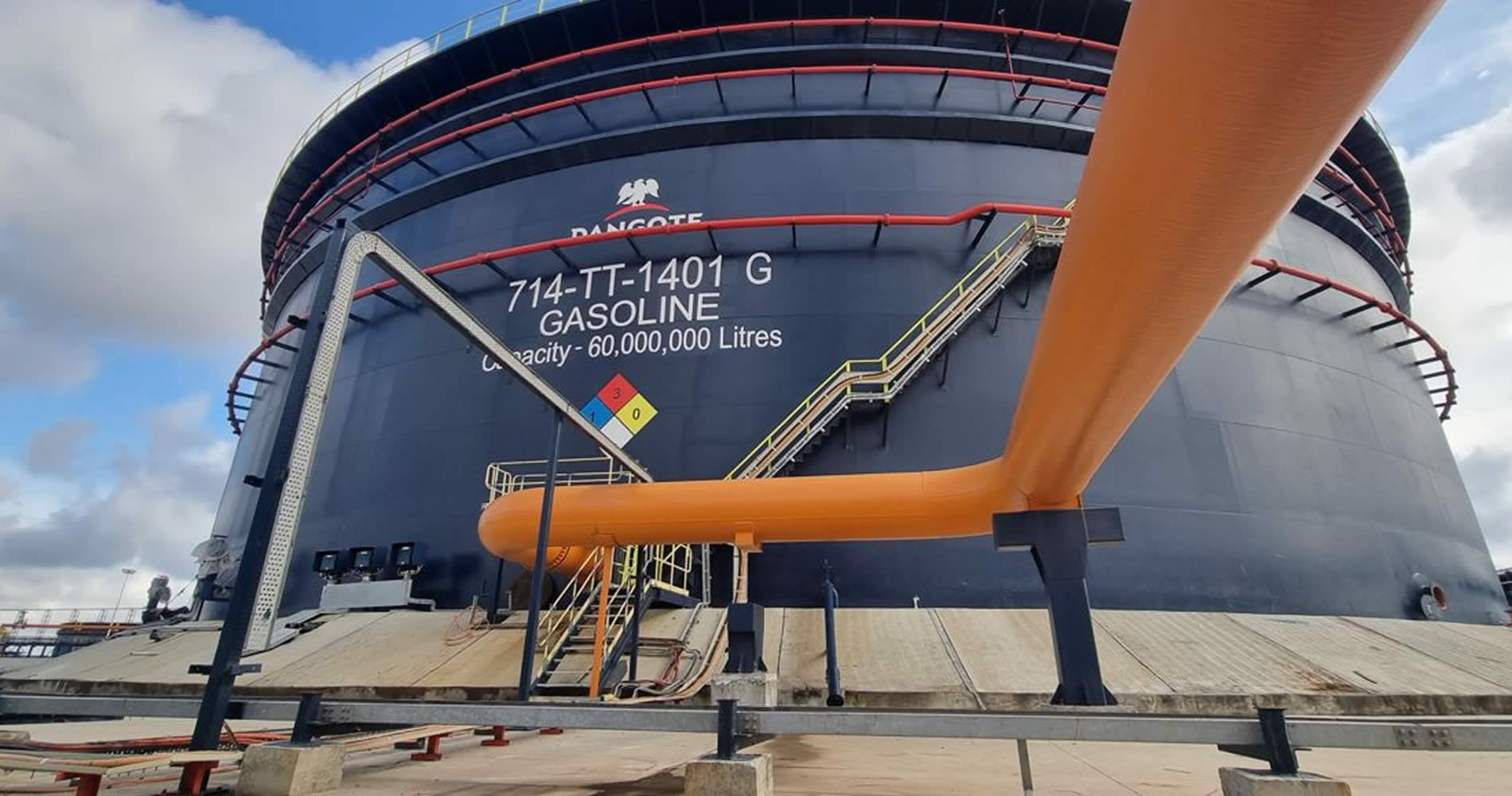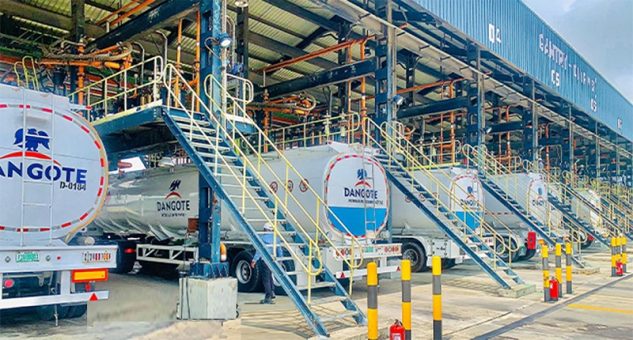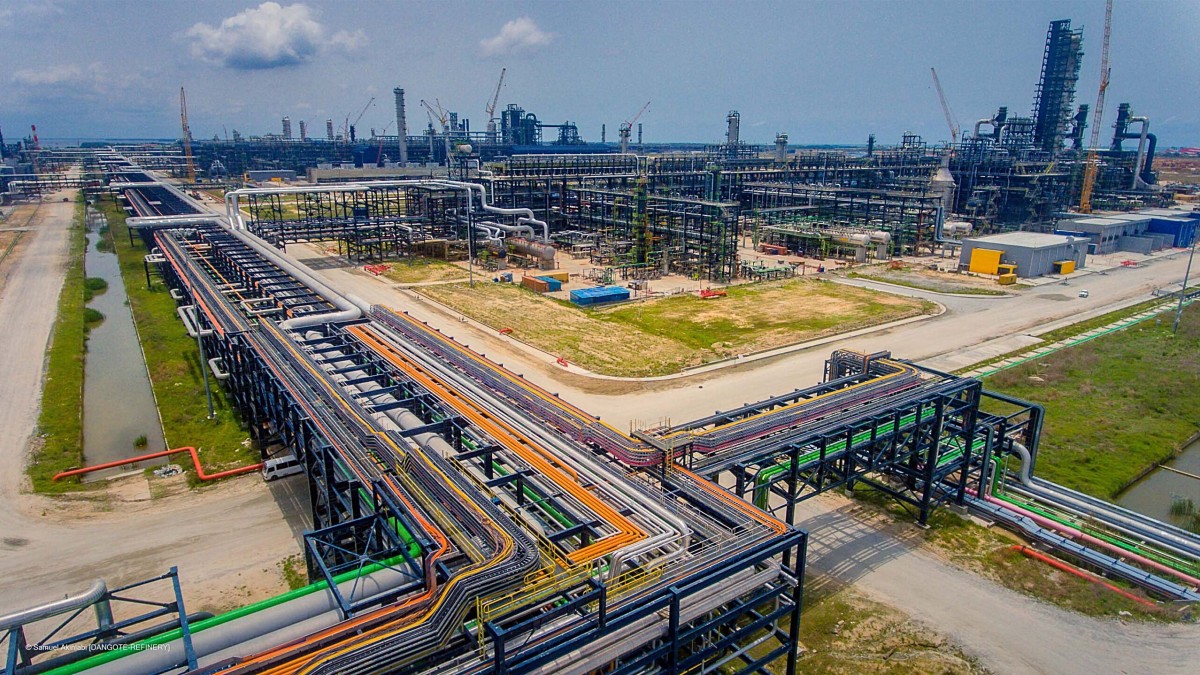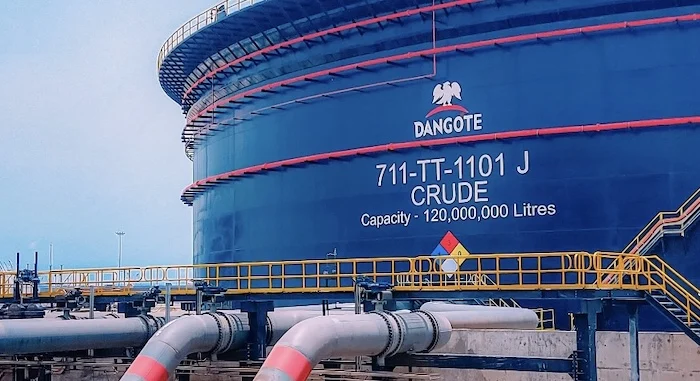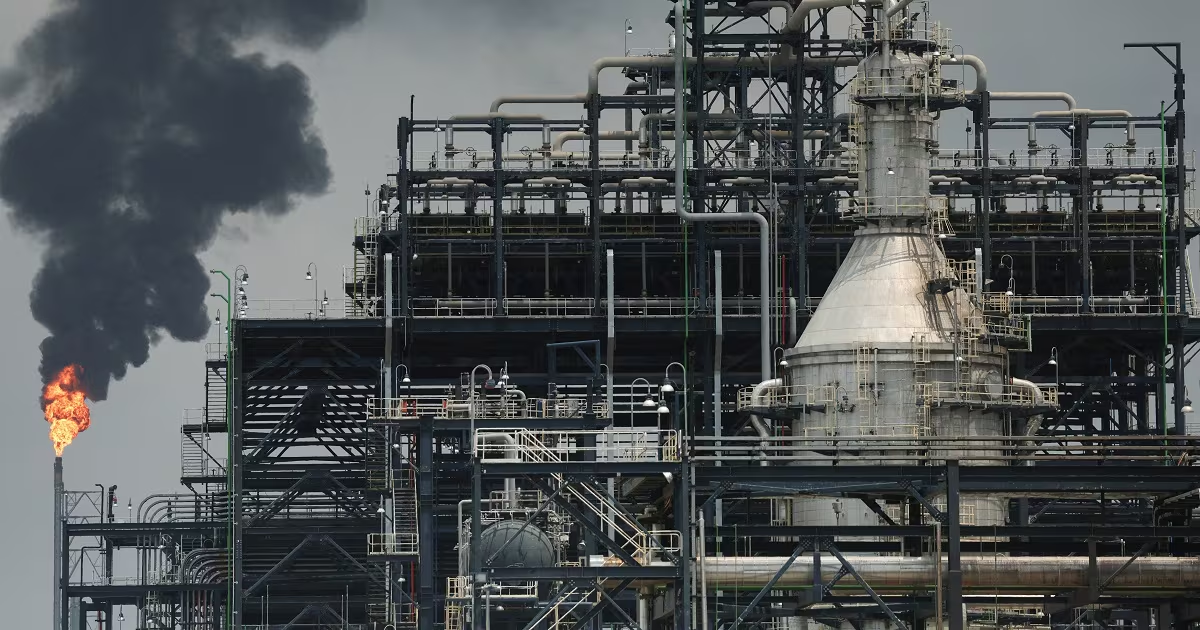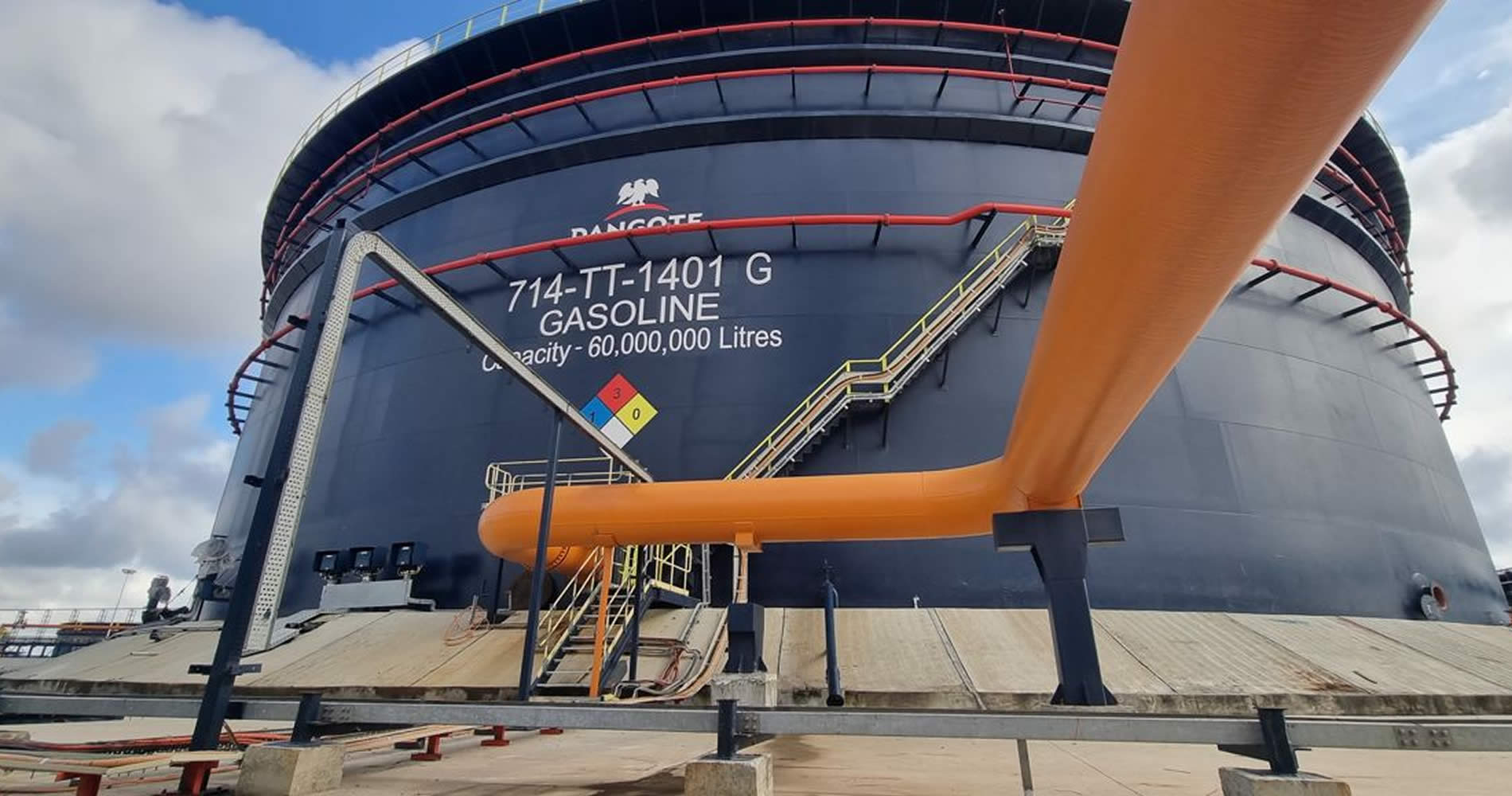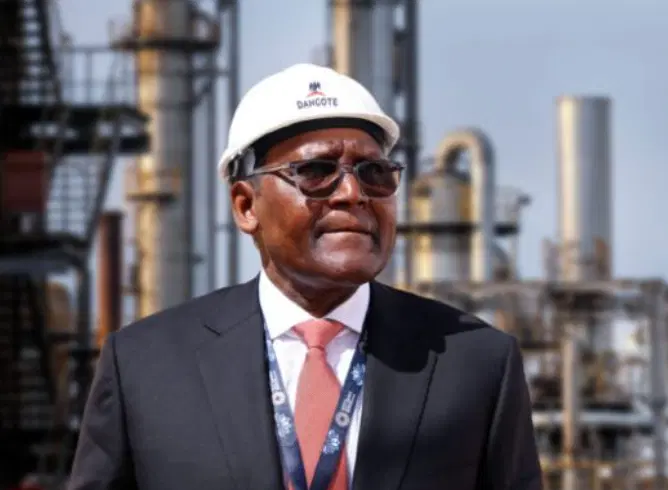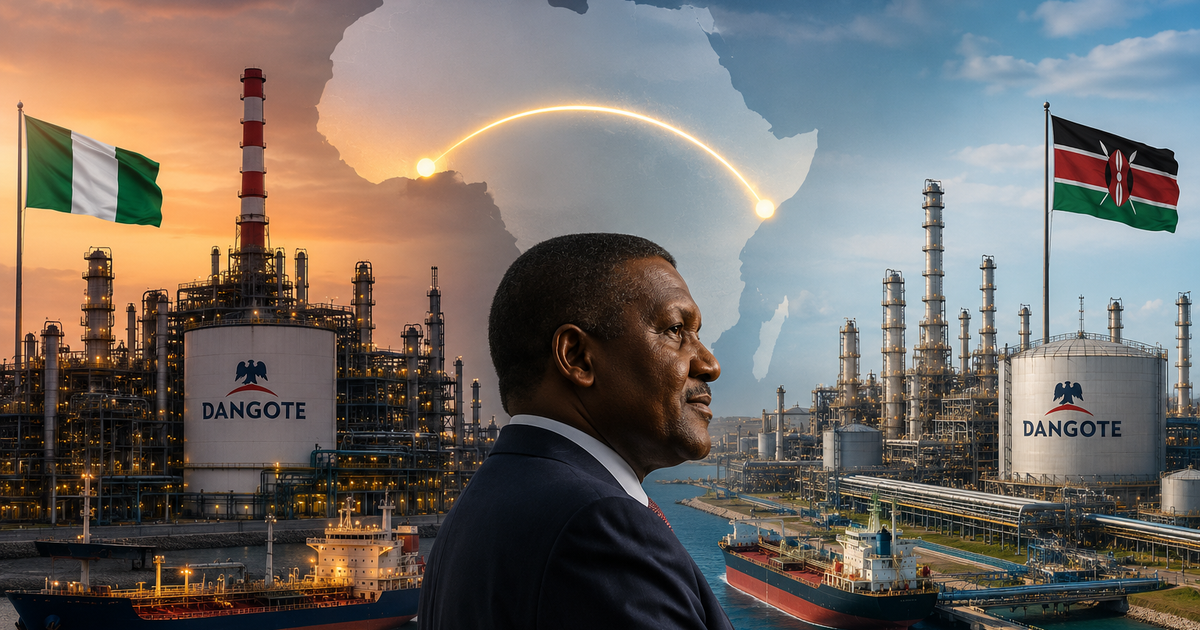
For decades, Nigeria exported crude oil, imported fuel and watched global refining hubs capture much of the value in between. Now, Africa’s richest industrialist wants to change that.
Its goal is to transform Lagos into a major global energy hub capable of competing with established refining and trading centres in Singapore, the Middle East and parts of Europe.
The clearest sign of that ambition emerged this week when refinery chief executive David Bird revealed that the facility plans to expand its crude-processing flexibility from around 40 crude grades today to as many as 130 in the future.
At first glance, that may sound like a technical refinery upgrade. In reality, it points to something much bigger.
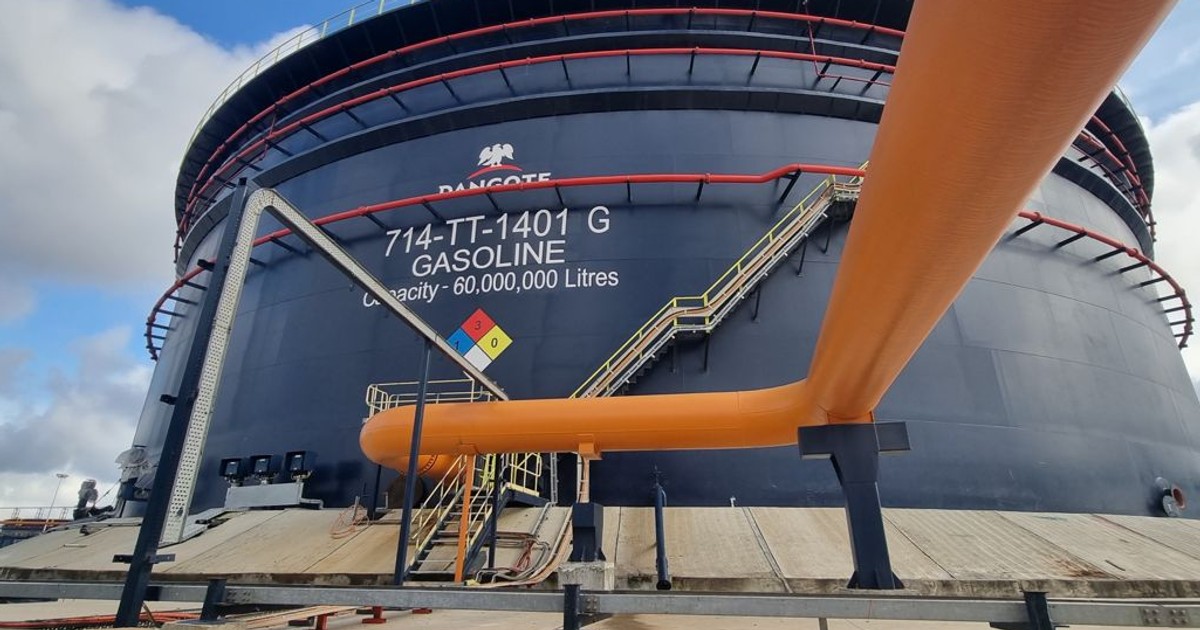
It is the blueprint for turning Africa’s largest refinery into a global crude trading, blending and fuel-export powerhouse.