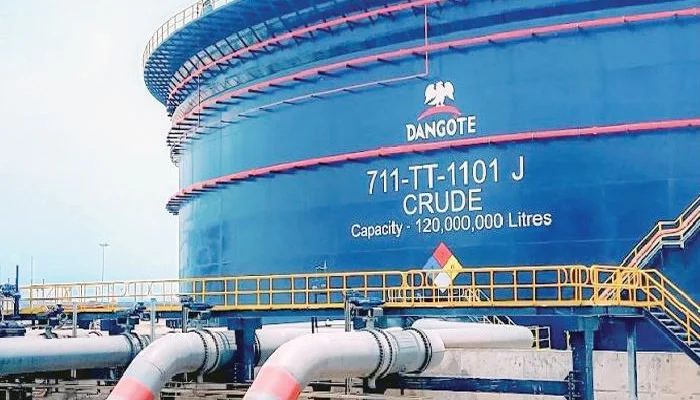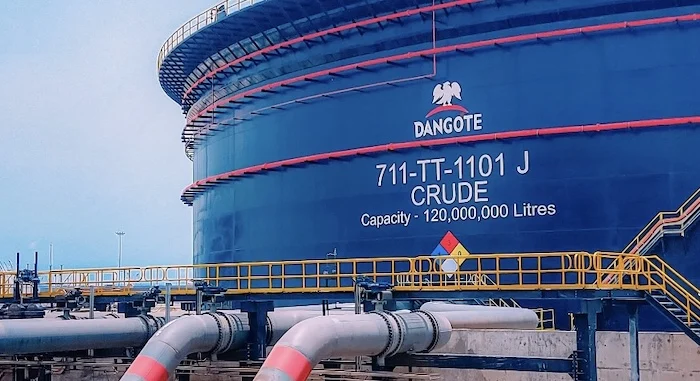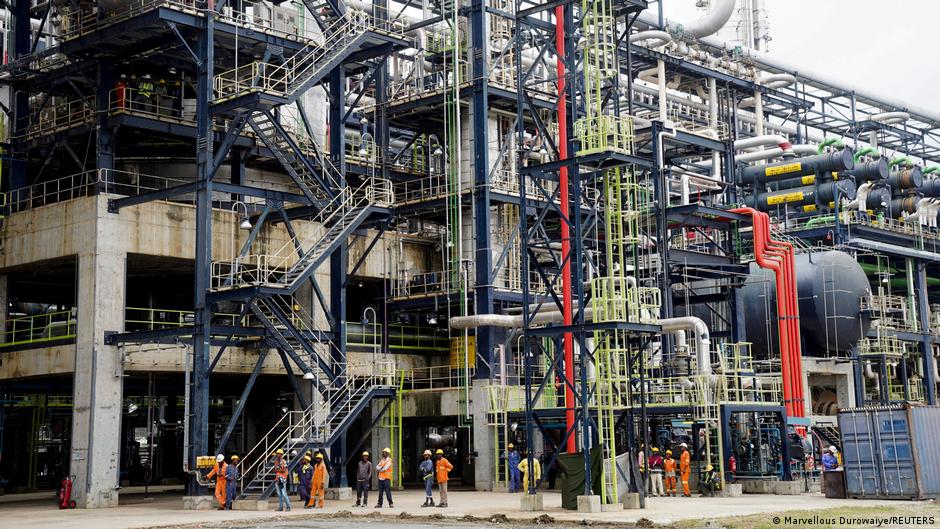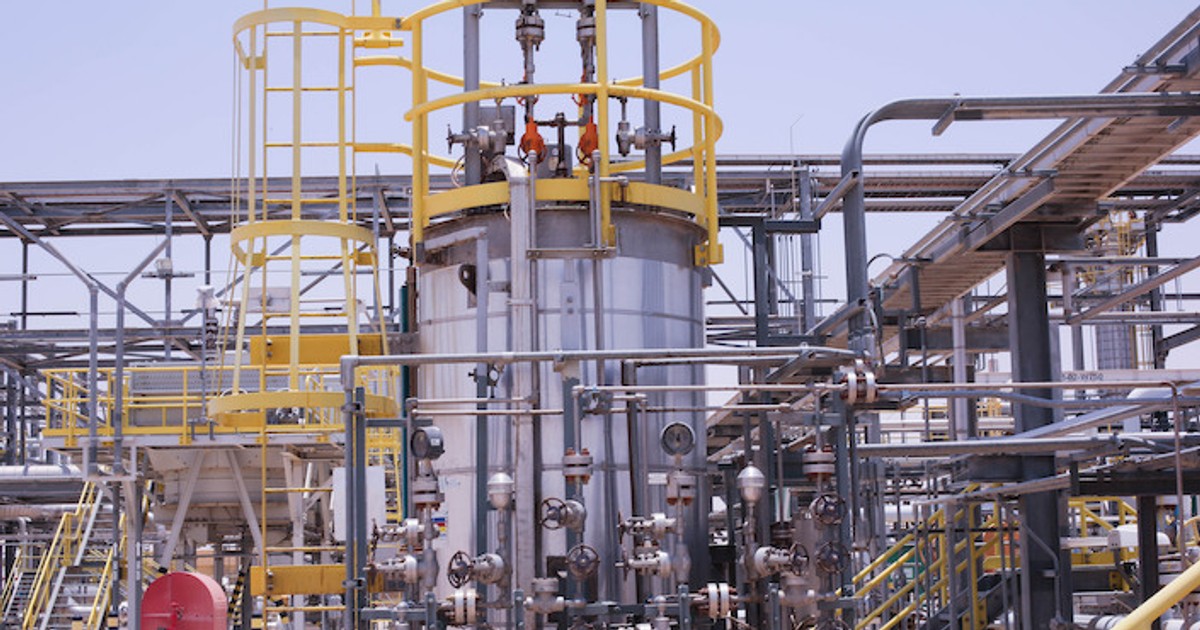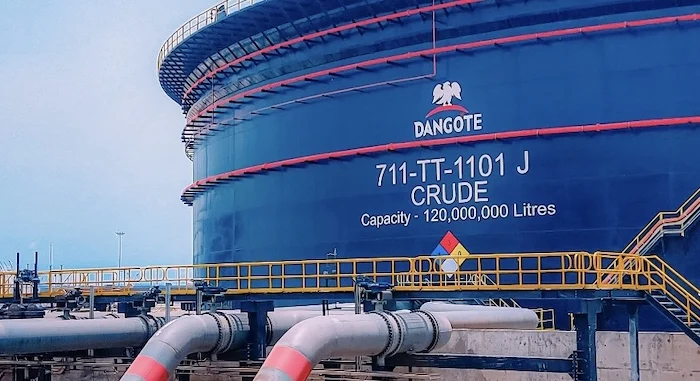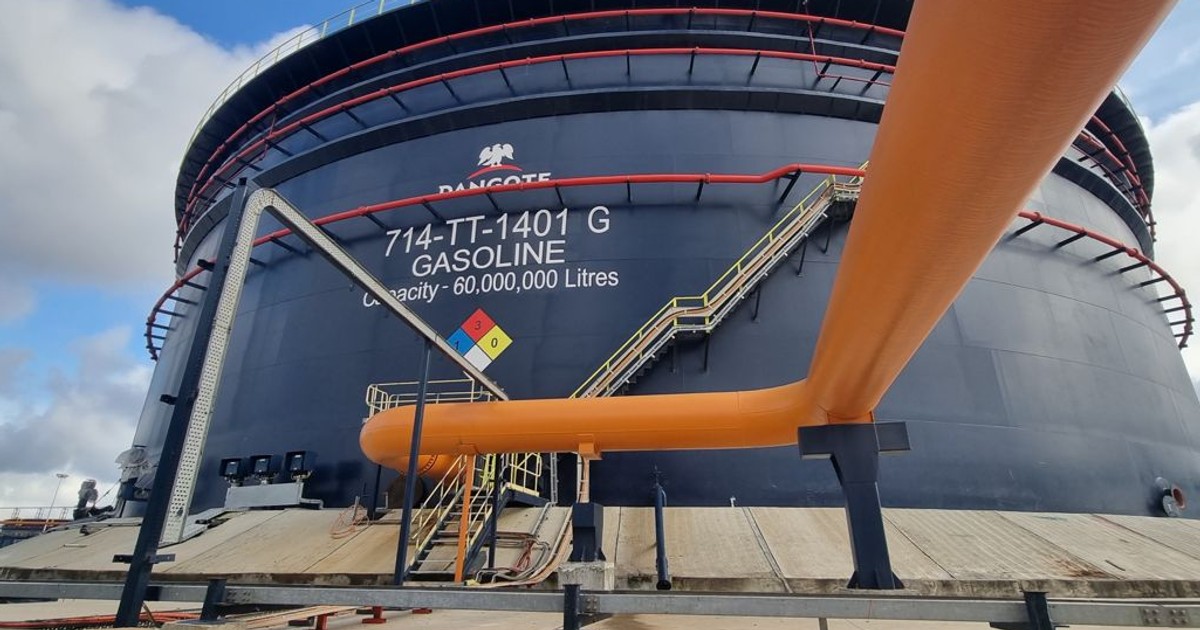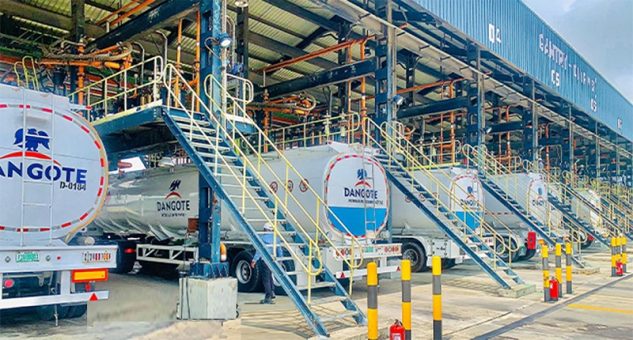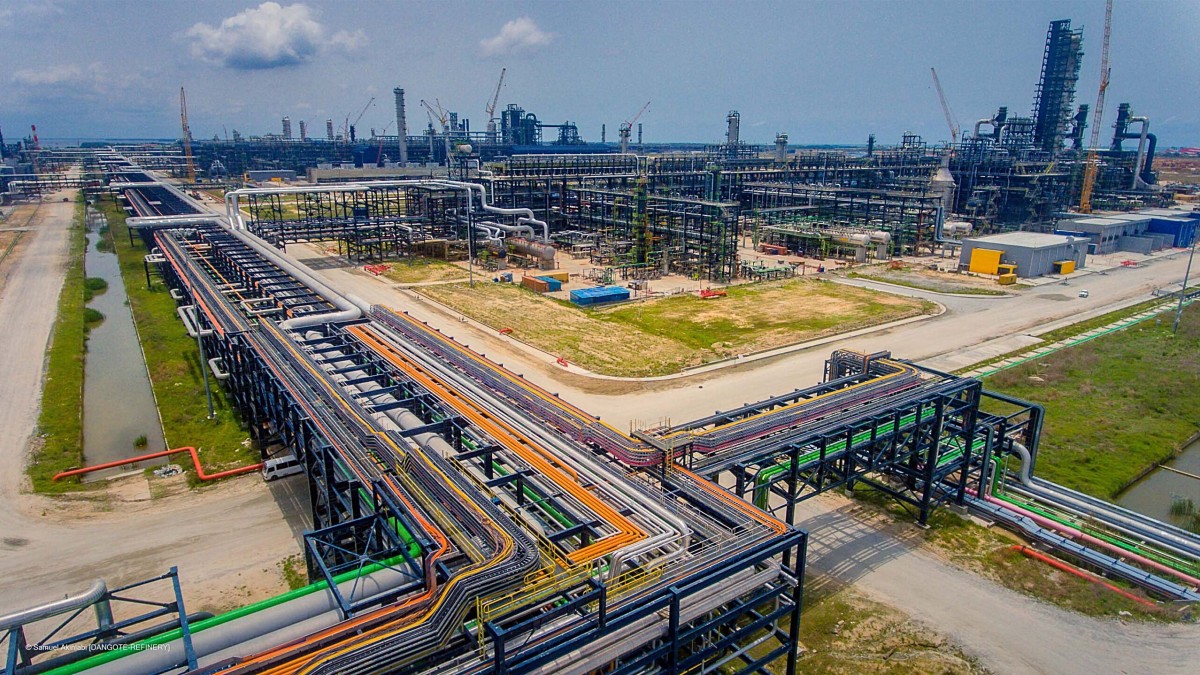
Dangote’s 700,000 b/d Lekki refinery has been running at full capacity over the past two months, pushing product exports to Europe to record levels and overtaking traditional suppliers from the Gulf and the US. Its rise has already reshaped the West African fuel trade: imports of clean products from outside the region fell by almost 25% year-on-year in the second quarter. Yet Dangote is treating this only as a starting point. The group plans to add another crude distillation unit (CDU), lift total capacity to 1.45 million b/d and build a wider network of product-storage and distribution infrastructure across Africa. The ambition is vast, but so are the challenges.The refinery’s latest maintenance and upgrade programme lifted capacity from 650,000 b/d to 700,000 b/d by de-bottlenecking the existing crude distillation unit. That increase took roughly 2.5 years to deliver, with regular crude purchases beginning in March 2024. The next phase is larger. Dangote is targeting mechanical completion of a new 750,000 b/d CDU and additional secondary units by December 2028, potentially including another vacuum distillation unit as well as expanded polypropylene, base-oil and linear alkyl benzene capacity. If completed, the project would make Lekki the world’s largest refinery at 1.45 million b/d, narrowly ahead of Reliance Industries’ 1.4 million b/d Jamnagar complex in India. However, the construction of Dangote’s first CDU took eight years, roughly in line with the pace of other recent refinery projects. India’s newly commissioned Barmer refinery in Rajasthan, for example, also took around eight years to build, despite being far smaller at 180,000 b/d. That makes Dangote’s target of completing a second CDU by 2028 look highly unrealistic.Yet the timeline may be less important than the signal. While state-owned NNPC is still trying to rehabilitate its three refineries, with a combined capacity of 445,000 b/d, by attracting outside investors, Dangote’s promise to build the world’s largest refinery sends a clear message to both NNPC and potential investors: the competition is likely to become too difficult to withstand, regardless of when the second CDU is ultimately completed. The refinery has largely relied on Nigerian crude, but domestic supply has not been sufficient to cover its full needs. Crude receipts peaked near 650,000 b/d in May before easing to 575,000 b/d in June. Nigeria’s very own Bonny Light has remained central, while WTI Midland from the US Gulf Coast provided an average of 120,000 b/d in 2025 and as much as 300,000 b/d in some months. The very light slate supported high jet and diesel yields but left too little residue to fully feed the refinery’s residual fluid catalytic cracker, constraining gasoline output. Dangote has therefore widened its slate to include somewhat heavier Nigerian grades such as Escravos, Forcados and Bonga, alongside occasional cargoes from Libya, Cameroon, Ghana and Guyana. The shift toward a more balanced mix of light and medium grades allows for more gasoline and diesel production, with a prospect of an increase in its exports.Product exports have so far been the refinery’s clearest success. Almost half of Dangote’s product loadings in June were jet fuel, reaching a record 145,000 b/d. Nearly all of that volume went to Europe, and 67%, or around 96,000 b/d, was directed to the Netherlands and the wider Amsterdam-Rotterdam-Antwerp hub. The destination mix also shifted sharply. The month before, it was the UK who took about half of Dangote’s jet exports, equivalent to seven cargoes or some 60,000 b/d. Once a pioneer in jet imports from Dangote, UK-bound flows fell to only two cargoes, or around 10,000 b/d, as ARA became the refinery’s dominant outlet.That matters because ARA has historically relied primarily on Gulf suppliers, particularly Kuwait, as well as India. During the crisis period in April and May, the US briefly became Europe’s largest jet-fuel supplier, sending around 135,000 b/d in April and 155,000 b/d in May. Those flows dropped in June as the jet-fuel crack against ICE Brent collapsed from around $90/bbl in April to $40/bbl by late June. Apparently, the European market has swung from shortage toward oversupply. Exceptionally high cracks attracted more production from refiners within and beyond the region, while some plants delayed maintenance and maximised runs. That has left the summer market well supplied. Dangote’s relatively low production costs, however, have left it comfortable with lower margins so far and should allow it to continue exporting even as product cracks normalise. August is historically the peak month for jet-fuel demand in ARA, so at least within this summer season, Dangote should remain a big jet fuel supplier to the region.Diesel exports have been more regionally focused, moving mainly to neighbouring African markets. Together with other Dangote clean-product flows, they have helped cut West Africa’s dependence on external suppliers. In 2024 and 2025, Belgium, the Netherlands, Spain, India, and Russia were among the region’s leading sources of imported clean products. Over the past six months, that pattern has been reconfigured, with Nigeria gaining prominence in the region.The commercial logic for further regional expansion is compelling. Eleven West African countries have no refineries, while Ghana’s effective capacity is only around 68,000 b/d, but it currently operates at only half of its nameplate capacity, and Senegal’s SAR refinery produces mainly for the domestic market. The deeper constraint is distribution. Storage is limited, road transport dominates, and long inland transit times raise costs. Dangote’s proposed 1.6-million barrel-gasoline and diesel storage hub at Walvis Bay in Namibia is designed to address that problem, potentially feeding Botswana, Zimbabwe and Zambia. The Dangote Group’s authorities even reportedly consider it eventually reaching South Africa.South Africa would be the prize. Its roughly 405,000 b/d fuel market is only about 25% supplied by domestic production, leaving imports from India, Oman and Saudi Arabia to cover most demand. A stable southern African clean products demand would give Dangote a durable customer base while potentially lowering regional fuel costs. Yet the planned pipeline network faces the same security and execution risks that have complicated infrastructure projects elsewhere on the continent. Dangote itself has rejected domestic Nigerian product pipelines on security grounds, relying instead on CNG-powered trucks. Sea-based distribution from Lekki or a future Walvis Bay hub may therefore prove more realistic than an extensive cross-border pipeline system.The group is also considering a 700,000 b/d refinery in Mombasa, Kenya, a project estimated at $17 billion and expected to take about 5 years to build. Whether that development, the second Lekki CDU and the regional logistics network can all advance on schedule is uncertain. Dangote has shown that one refinery can redraw African fuel flows and challenge established suppliers in Europe. The next stage will test whether Aliko Dangote can turn that operating success into a continent-wide refining and distribution system without being derailed by security risks, uneven infrastructure and volatile product demand.By Natalia Katona for Oilprice.comMore Top Reads From Oilprice.comUS Crude Oil, Product Inventories Fall Even As Hormuz Traffic Begins to FlowTrump Targets California Again In SpaceX FeudOil Prices Surge 6% Even as Tankers Push Through Hormuz
Dangote’s Next Move Could Create the World’s Largest Refinery | OilPrice.com
Nigeria’s Dangote refinery ran at a record 660,000 b/d in May-June, helping slash West Africa’s extra-regional clean-product imports by almost 25% year-on-year and displacing Gulf and US barrels in Europe.
1,158 words~5 min read