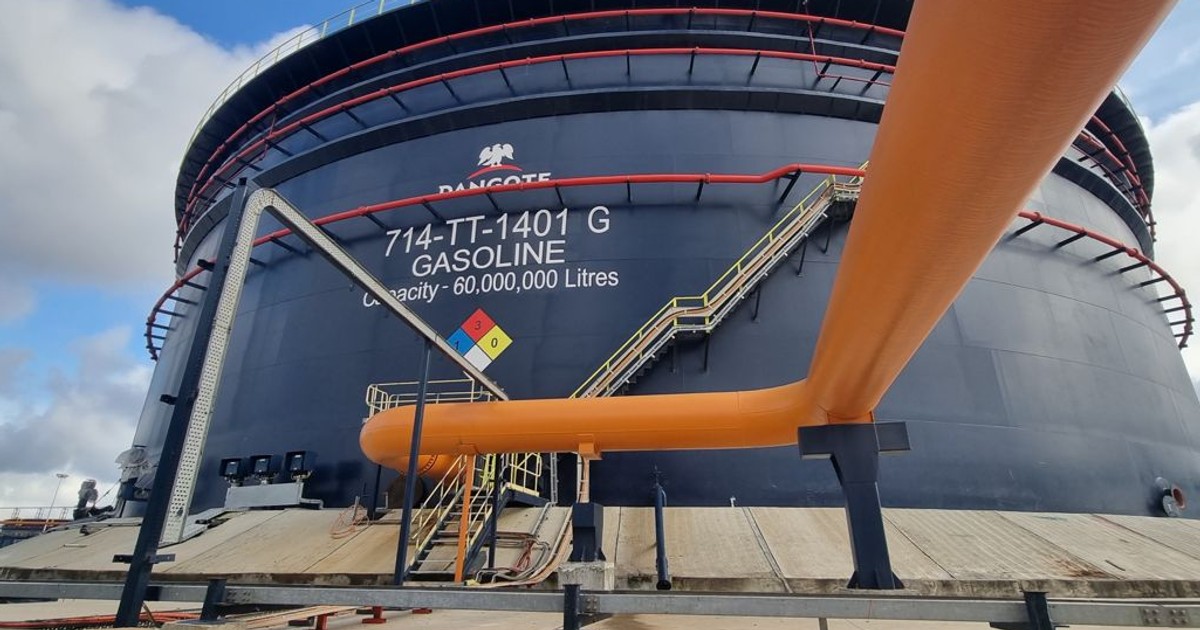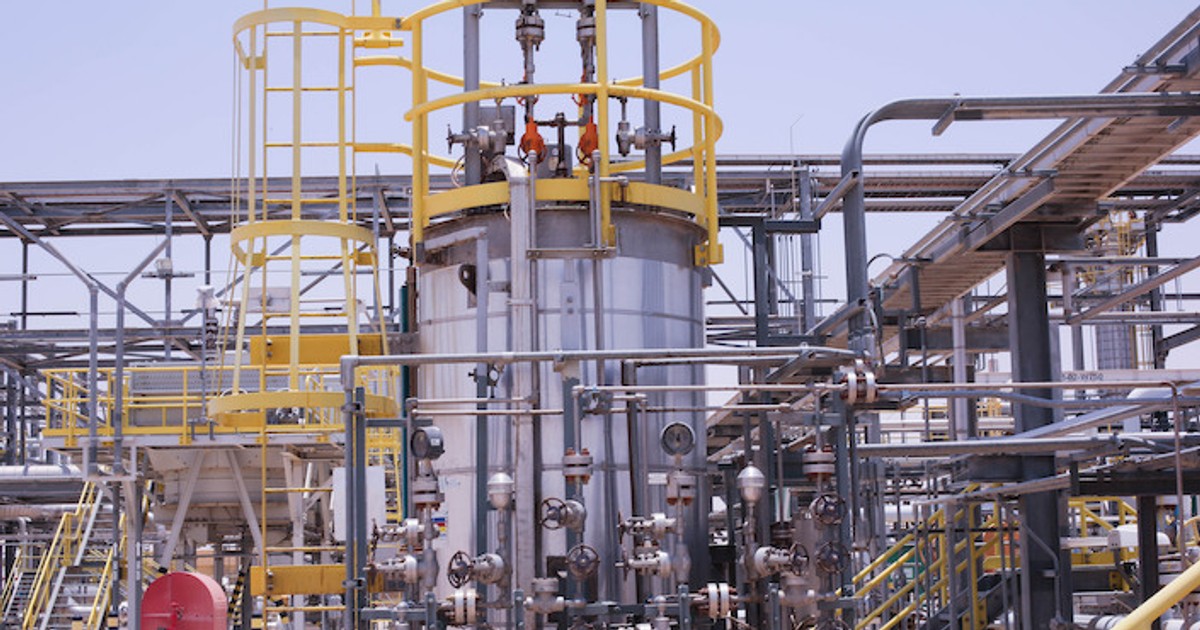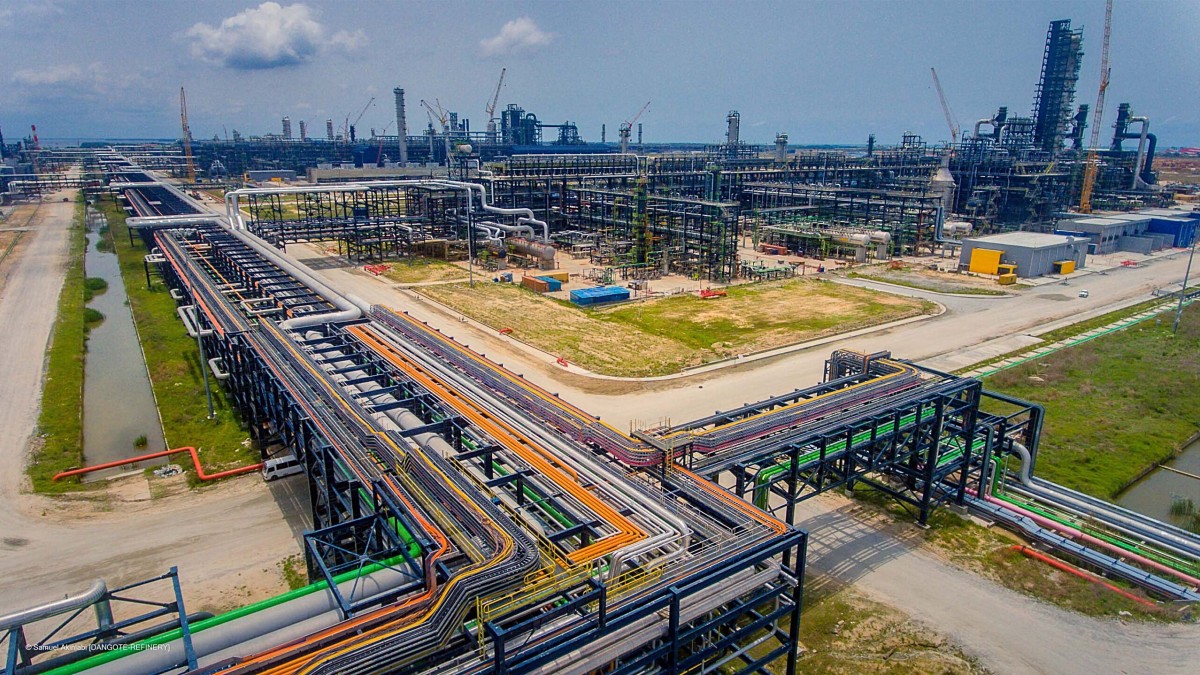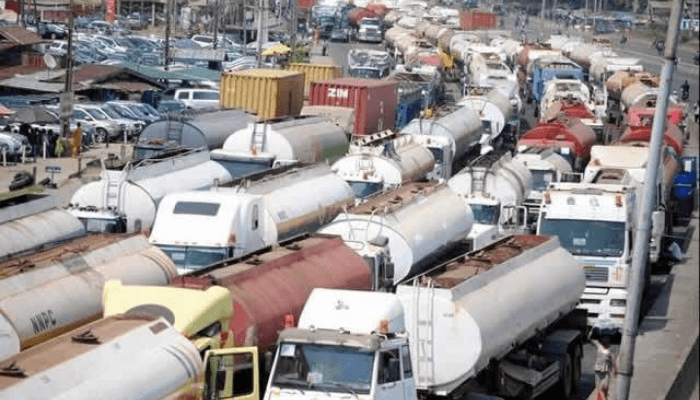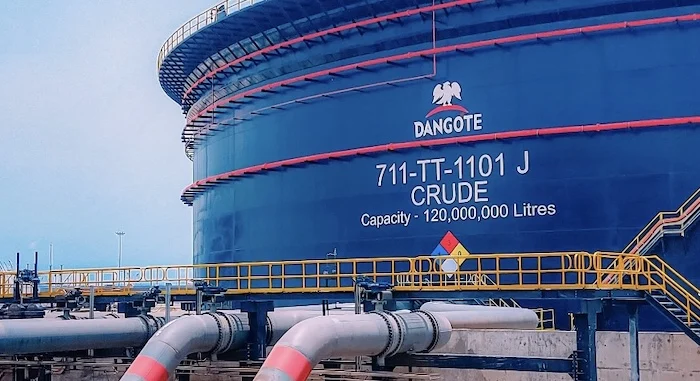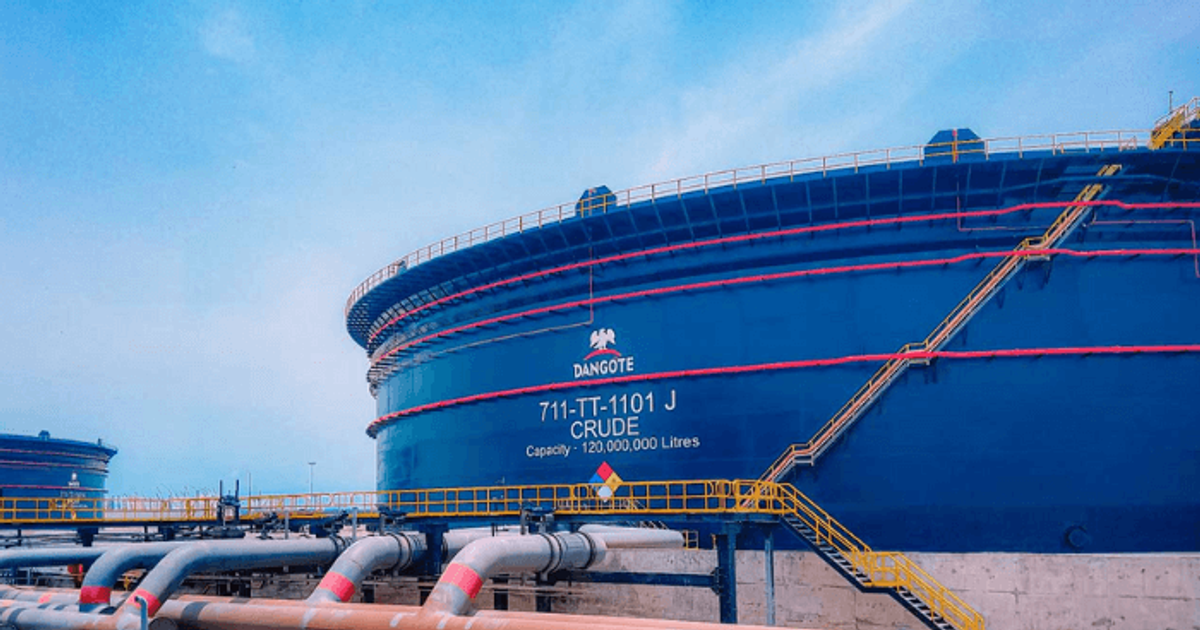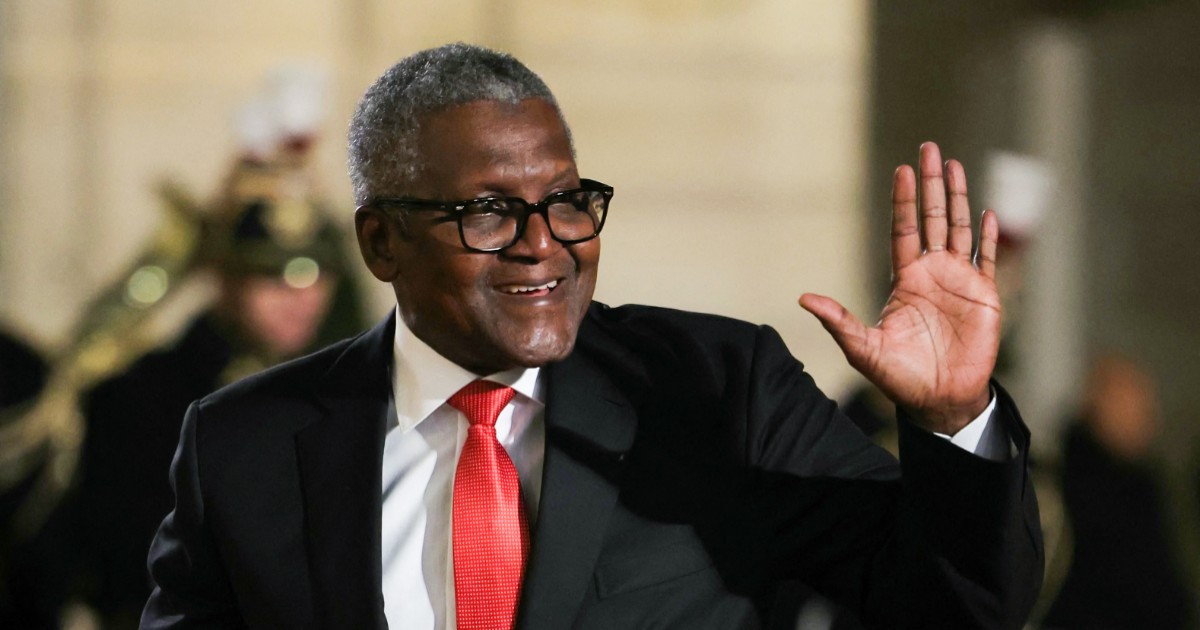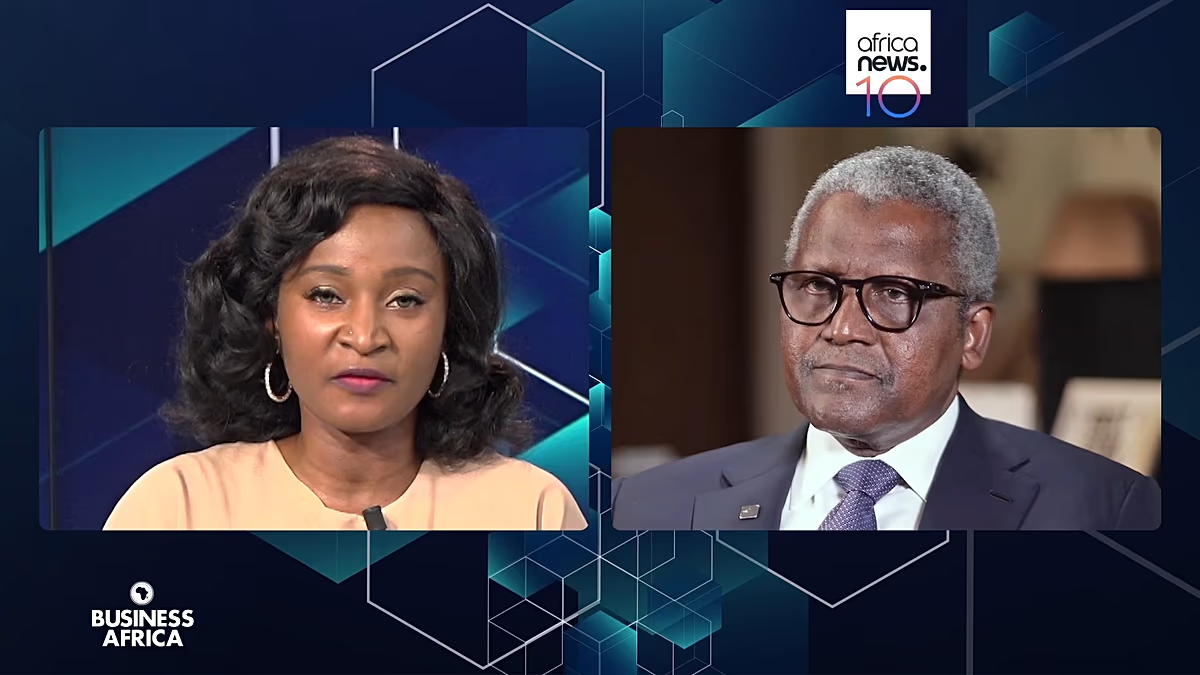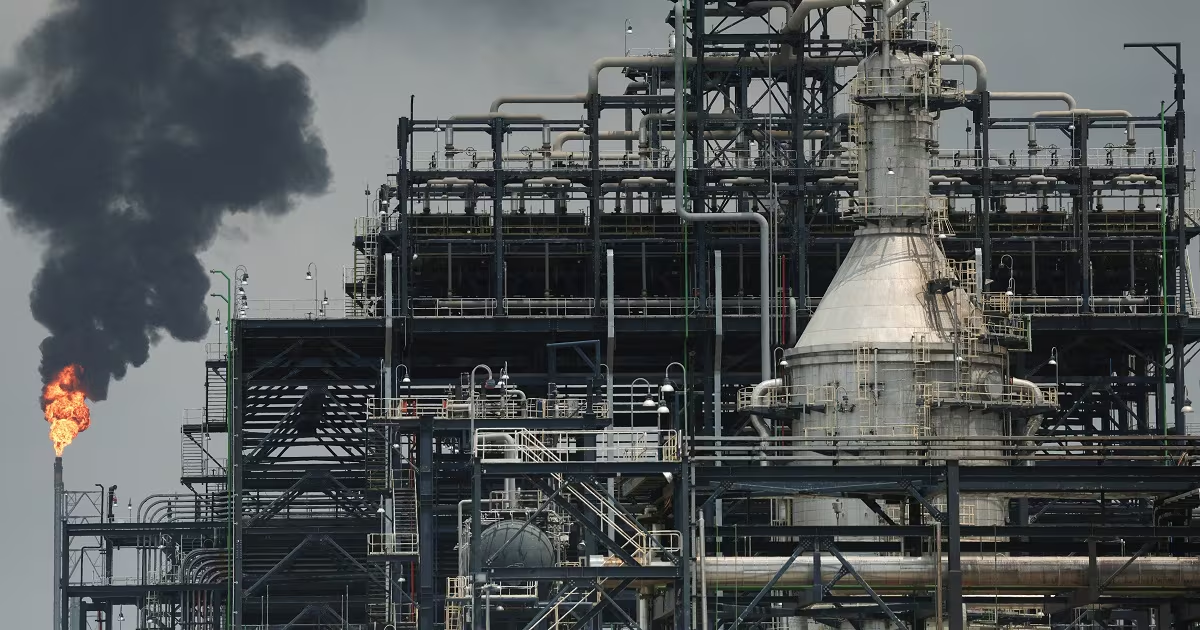
Africa’s role in energy supply chains is undergoing a visible shift, with Dangote Petroleum Refinery and Petrochemicals emerging as one of the clearest signals of how geopolitical disruption is reshaping global fuel flows.Completed in 2024, the Dangote refinery has a capacity of 650,000 barrels of crude oil a day and is reshaping Nigeria’s position in global energy trade, contributing to its emergence as a net exporter of refined petroleum products amid renewed volatility in the Middle East and growing uncertainty around traditional supply routes.Dele Kuti, global head of energy at Standard Bank Corporate & Investment Banking, said the refinery has emerged as a clear game-changer amid ongoing geopolitical disruption.“Uncertainty around the duration and trajectory of the Middle East conflict has shifted investor focus toward assets and supply chains that offer more predictable outcomes. In this environment, the Dangote refinery stands out as one of the key beneficiaries of the unintended consequences of conflict-driven market volatility,” he said.Dele Kuti, global head energy at Standard Bank Corporate and Investment Banking. (sup) He said increased refining capacity and stronger global demand from Nigeria are changing global trade flows, with refined product availability rising and import dependence easing in markets previously exposed to global price and logistics disruptions.As of March, Nigeria has emerged as a net exporter of refined petroleum products. He said exports from Nigeria, particularly “much-needed” aviation and jet fuel, are increasingly reaching markets across West Africa and Europe, pointing to the growing importance of refined products in Africa’s evolving energy trade position.Dangote plans to double the processing capacity of the refinery to 1.3-million barrels a day and add a third fertiliser plant.The growth of the Dangote refinery and the broader global energy disruption come at a time when global investors are increasingly viewing Africa as a destination for energy diversification, with shifting supply chains and geopolitical uncertainty prompting a reassessment of where future energy supply can be secured and scaled.Andrew Herring, head of energy and power at UK-based risk advisory firm Marsh, told Business Day Africa is increasingly being viewed as a potential diversification anchor within a more fragmented global energy system, where traditional supply routes are under pressure and markets are searching for greater stability and optionality.“Africa can position itself as a reliable provider of energy as global supply chains diversify,” he said. He added that the continent’s geography allows it to trade across many regions, including east and west, while maintaining proximity to European demand centres.Herring said while the opportunity is significant, the ability to deliver projects at scale and pace will ultimately determine how fully Africa can capitalise on the shift underway in global energy dynamics.Taken together, these developments point to a broader reordering of global energy flows, where supply diversification, regional integration and downstream capacity are becoming increasingly important in shaping trade patterns.
Africa moves into focus as Dangote refinery reshapes fuel trade flows
Standard Bank’s Kuti says refineary positions Nigeria as net exporter
TL;DRAI
Dangote Refinery (650,000 bbl/day, operational 2024) has turned Nigeria into a net exporter of refined products including jet fuel, reshaping West African and European supply chains amid Middle East instability. For energy and infrastructure budget owners, Africa's refining capacity is becoming a credible hedge against fragile traditional supply routes — a signal to reassess procurement and logistics exposure to Middle East-dependent chains.
466 words~2 min read