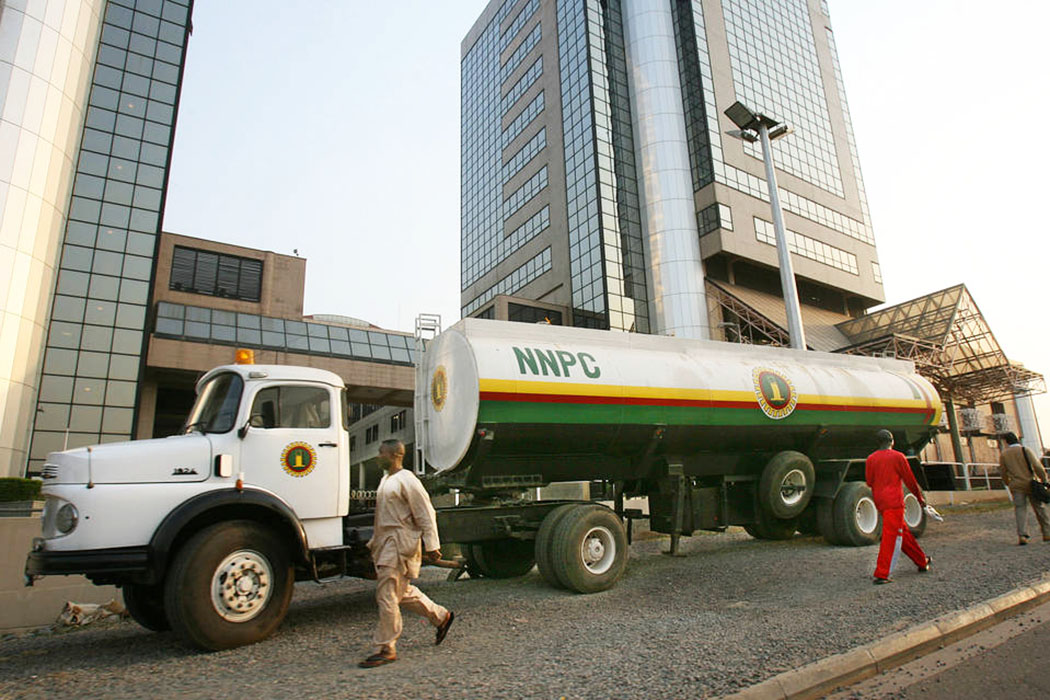
As public refineries struggle, the NNPC-Dangote legal war is reshaping Nigeria’s downstream oil sector, writes Festus Akanbi
As public refineries remain largely dormant, the legal confrontation between the Nigerian National Petroleum Company Limited (NNPCL) and the Dangote Petroleum Refinery is rapidly becoming a defining moment for Nigeria’s industrial policy, energy security and investment climate.
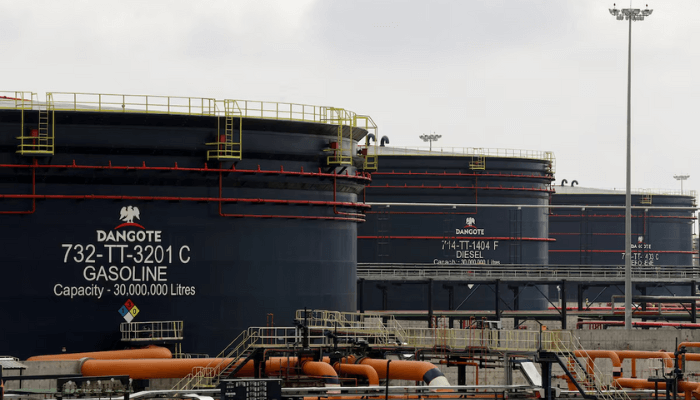
At the centre of the dispute is Dangote Refinery’s challenge to fuel import licences issued by the Nigerian Midstream and Downstream Petroleum Regulatory Authority (NMDPRA) to rival marketers. The refinery argues that continued importation undermines local refining capacity and runs counter to the spirit of the Petroleum Industry Act (PIA), which encourages backward integration and domestic production.
NNPCL, however, warned the Federal High Court in Lagos that restricting imports could expose Nigeria to supply disruptions, fuel shortages and potential monopoly risks. Yet many observers find it difficult to reconcile the national oil company’s legal position with its continued ownership of the Dangote Refinery project.
The contradiction has become more pronounced because NNPCL’s refineries in Port Harcourt, Warri and Kaduna have failed to deliver sustainable production despite billions of dollars committed to rehabilitation. Industry data indicate that over $3.1 billion was spent on refinery repairs, including $1.5 billion for Port Harcourt, $897.6 million for Warri, and $740.7 million for Kaduna. Yet the facilities remain largely ineffective.