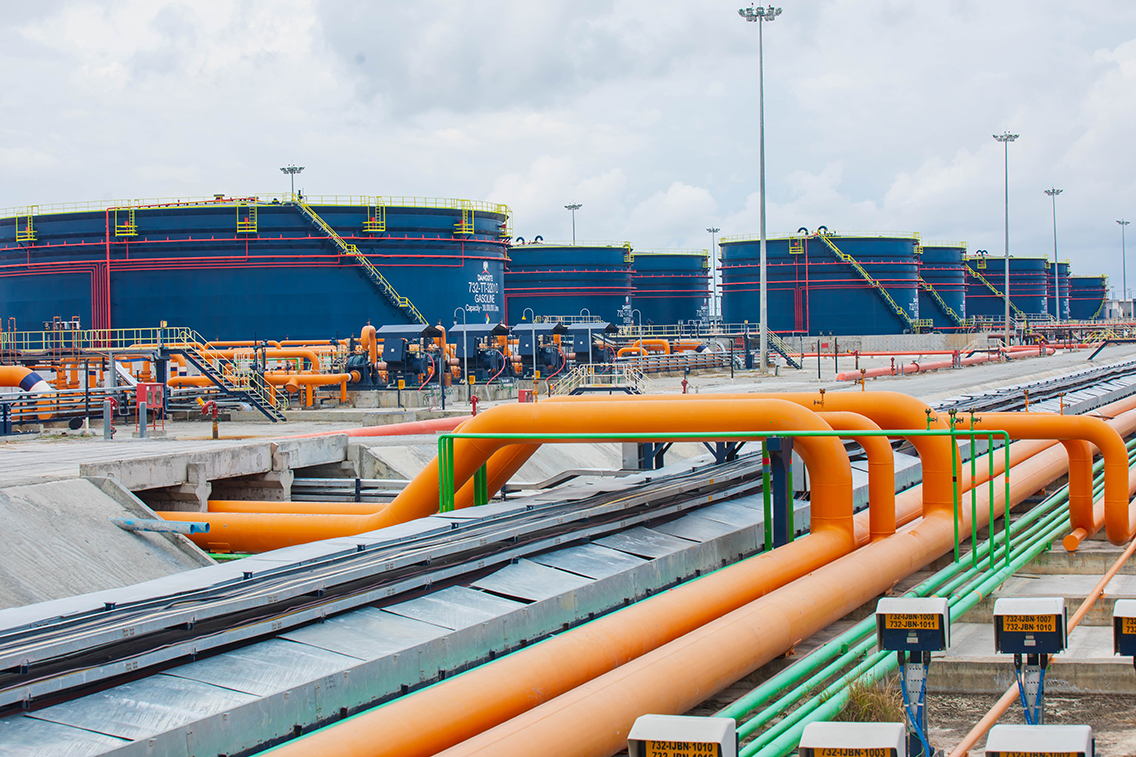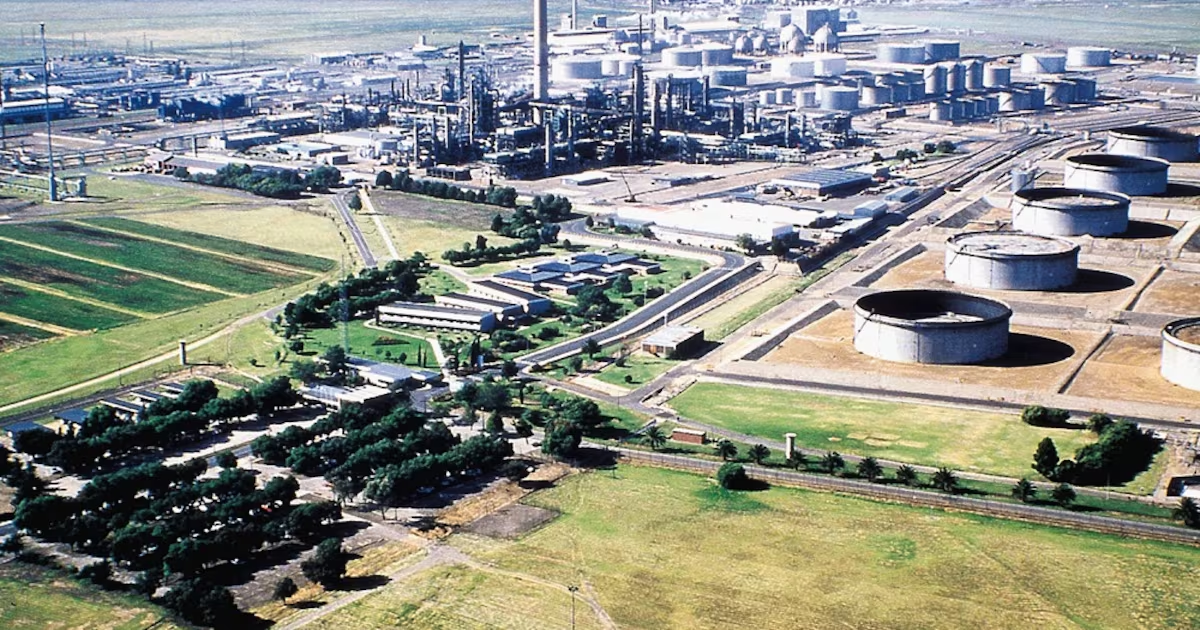
South Africa’s energy debate has understandably focused on electricity in recent years. Liquid fuels have received far less consideration despite being equally central to economic continuity. Fuel underpins logistics, manufacturing, mining, agriculture and aviation; without it the economy slows regardless of whether the grid holds. The question that now deserves greater attention is whether the system that delivers fuel is resilient enough, as disruptions become more frequent.The structural shift behind the resilience question is South Africa’s loss of domestic refining capacity, which has transferred pressure from production to logistics. We now import the bulk of our refined petroleum products and the critical nodes are no longer inside refineries; they are at ports, along pipelines, inside storage terminals and across inland distribution networks. Where a domestic refinery once provided a predictable buffer against supply shocks, each external node now carries its own failure mode and no single authority owns the whole chain.None of this undermines the case for protecting the remaining refining capacity. Its value extends beyond barrels produced to sustaining specialised skills, anchoring industrial development and advancing clean fuel upgrades that would place their output among the highest-quality petroleum products on the continent.Switching to an import-dependent model introduces product-specific complexities that are often underestimated. Jet fuel is a clear example: aviation fuel requires dedicated logistics and storage that cannot be improvised, and a refinery turnaround that supplies a major airport can create acute pressure within days. Reliability has become at least as important as aggregate availability; the gap between a tight market and a genuine disruption is often no wider than a few weeks of buffer stock at a critical terminal.Port congestion compounds every other vulnerability. A vessel waiting offshore incurs demurrage, which is borne by every downstream buyer. South Africa’s import dependency has also concentrated geographic exposure; domestic refining relies on West African crude from diversified origins, whereas imported products come overwhelmingly from the Middle East and India.Switching to an import-dependent model introduces product-specific complexities that are often underestimated. Rand volatility adds a further dimension, while the Russia-Ukraine conflict, the Middle East conflict and Covid-19 supply shocks have arrived in rapid succession. What once qualified as a tail risk now describes the operating environment.What is true of ports and pipelines is equally true of the financing architecture behind each cargo. Sellers typically require payment or an acceptable letter of credit before discharge, and when an importer’s banking infrastructure is stretched or force majeure necessitates a supplier change, commodities can stall for reasons entirely unconnected to ships or storage. A bank that issues instruments promptly and restructures them quickly is not peripheral to the supply chain – it’s part of it.Businesses exposed to these pressures have responded sensibly, though the cost has been real. Companies hold larger contingency stocks than once considered necessary, sizing on-site volumes against a fortnight or more of disruption. A manufacturer whose diesel supply is cut cannot simply idle. The product cannot move, metal accumulates in the yard, agricultural output cannot reach port, and the disruption propagates through supply chains far removed from the original shortage.Banks active in commodity finance have seen the implications for their clients. Facilities calibrated when crude traded at $60 a barrel can leave companies dangerously tight on liquidity almost overnight when prices spike. Financing requirements are a function of price, volume and inventory days; when all three rise together a facility adequate in January can be exhausted by March. What is required is genuine flexibility: borrowing bases that move with inventory values, extended tenor as supply chains lengthen, and instruments that can be restructured when force majeure necessitates supplier substitution. That scenario has occurred and the banks that performed were those that could reissue documentation within days.What clients expect from banking relationships has shifted as much as supply conditions. The conversation revolved on pricing and facility size two or three years ago. Today the question is whether the bank understands the supply chain, carries relationships from supplier to end buyer and can respond quickly when conditions change. Even so, investor interest in South Africa’s downstream fuel sector has remained firm. As major oil companies divest operations across Africa international capital has followed, with global trading houses acquiring terminals, tank farms, and distribution networks outright. Ownership of infrastructure is a stronger position than trading through it. Mergers and acquisition activity across the value chain remains sustained. The challenges do not arrive in neat compartments. Nor should the response.• Coetzee is principal: structured commodity finance, and Baglioni head of structured commodity finance, at Nedbank CIB.
JADEE COETZEE AND MARIE BAGLIONI | Why fuel resilience defines SA energy security
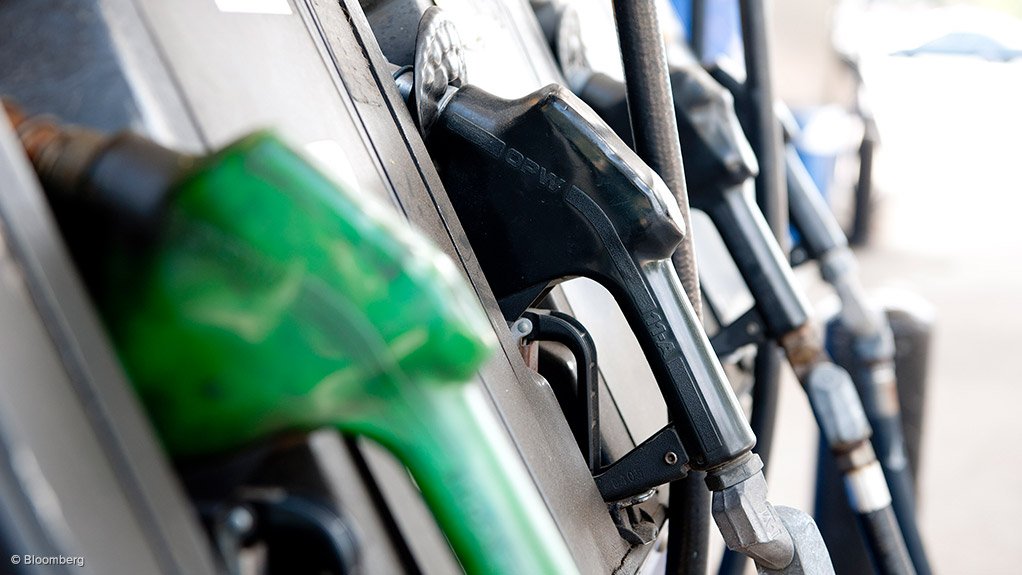
Fuel underpins logistics, manufacturing, mining, agriculture and aviation
752 words~3 min read