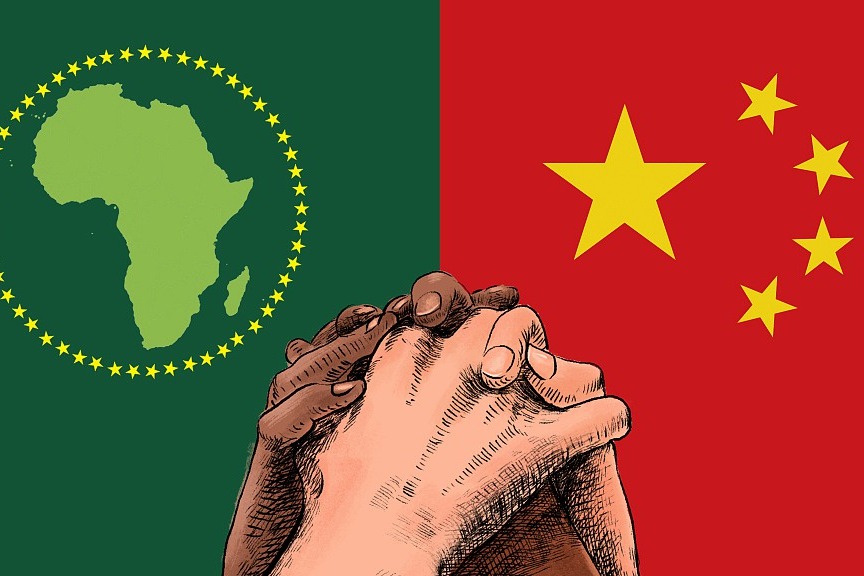
China is the first major economy in history to grant unilateral, full-coverage zero-tariff treatment to 53 African nations.
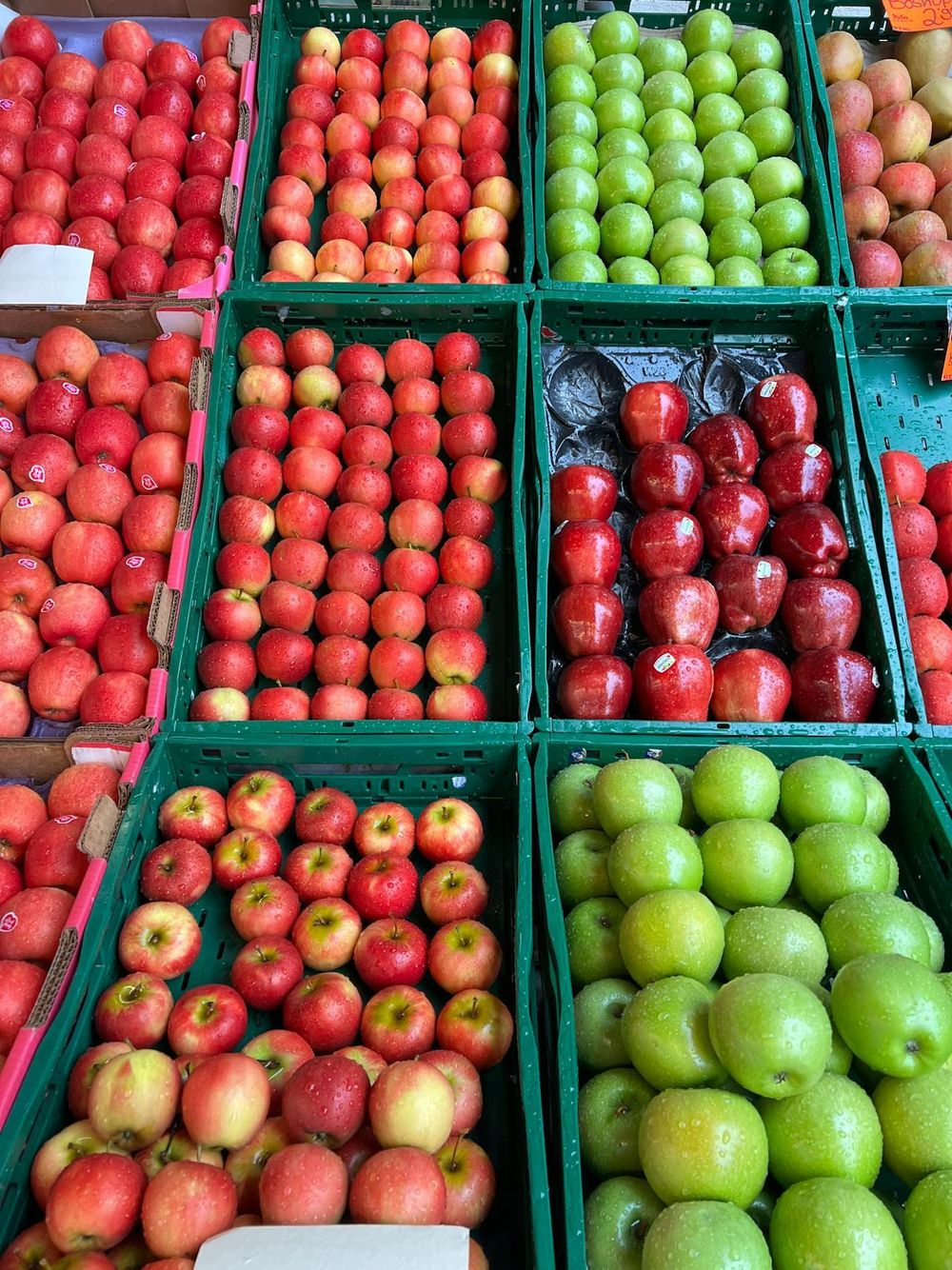
China's zero-tariff policy on a range of African goods is often characterised as a straightforward trade incentive. However, its impact on South Africa's apple and pear exports reveals a more complex story that extends beyond trade volumes to encompass the restructuring of agricultural value chains, market diversification, and long-term resilience.
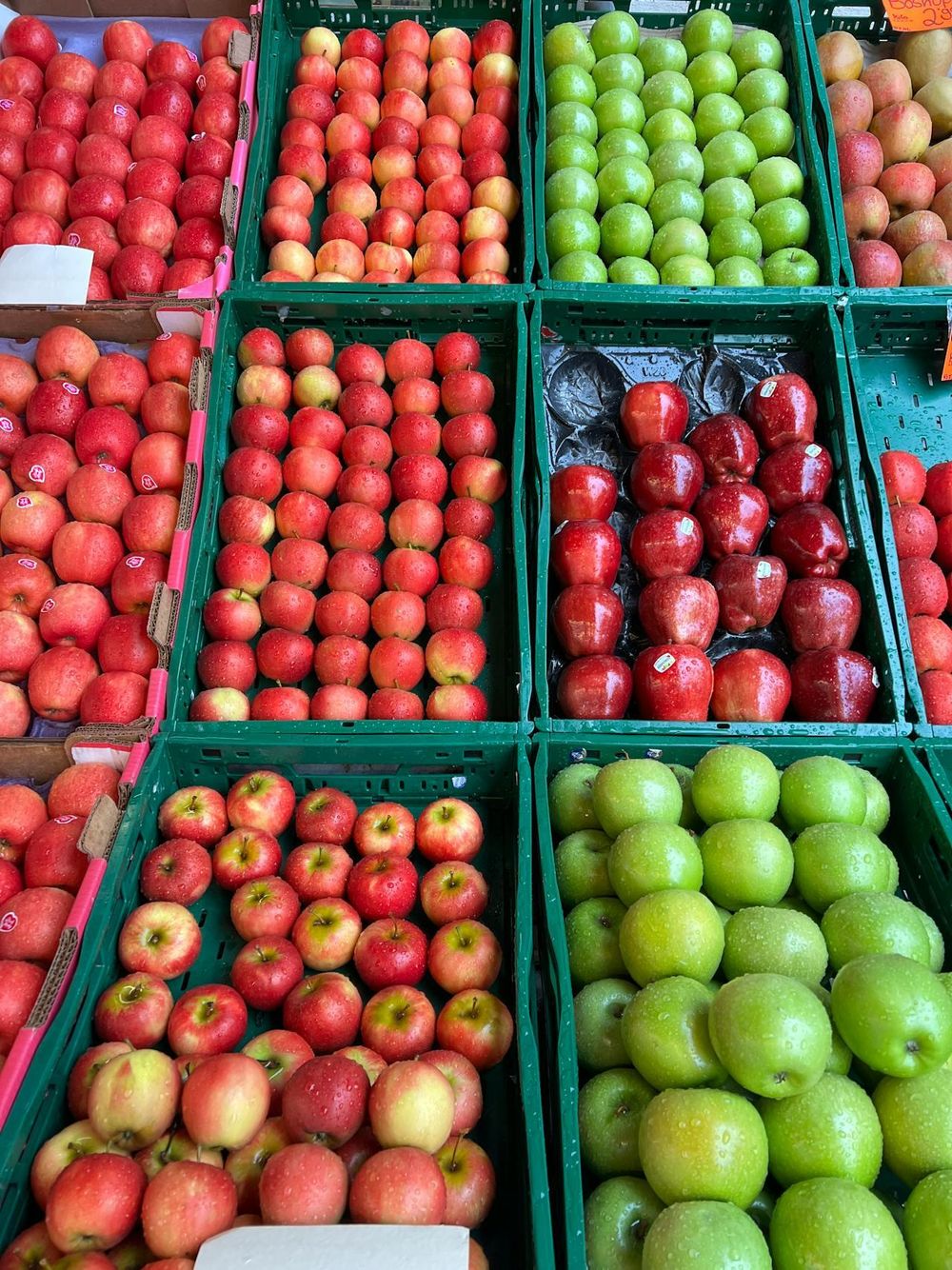
South Africa has long been a major global exporter of deciduous fruits, particularly apples and pears, with established markets in Europe, the Middle East, and parts of Asia. The introduction of zero-tariff access to China has created new opportunities, prompting exporters to reconsider their scale and strategies. Although shipments to China have already surged, the deeper transformation lies in how producers are adapting to meet the demands of a rapidly evolving consumer base.
China's growing middle class, with its increasing appetite for high-quality imported fruit, has created an opportunity for higher export volumes and greater product differentiation. South African exporters are now focusing more on premium varieties, improved packaging, and stricter quality control to align with Chinese consumer preferences. This shift is gradually moving the industry away from bulk commodity exports toward higher-value, brand-oriented offerings.