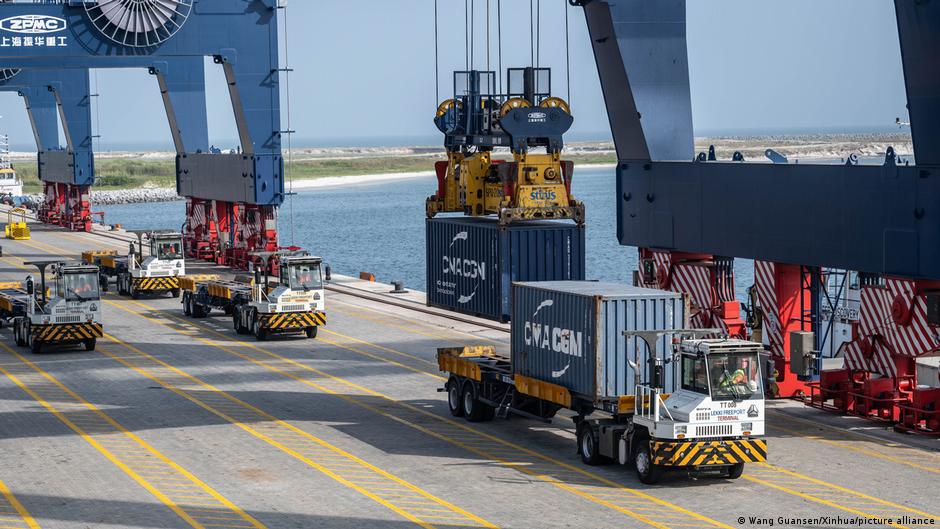
Experts have described China's expanded zero-tariff arrangement for African exports as more than a trade measure, saying the initiative signals a broader shift toward long-term South-South cooperation aimed at strengthening Africa's industrial capacity, regional integration and its role in global value chains.
The zero-tariff measures, which came into effect on May 1 and apply to the 53 African countries with which China has diplomatic relations, could provide new opportunities for African economies to diversify exports, expand manufacturing and deepen trade cooperation with Beijing, said experts during an online seminar held by the Africa-China Centre for Policy and Advisory in Ghana last week.
However, they have stressed that long-term success will depend on Africa's ability to strengthen industrial capacity, logistics systems, skills development and regional value chains.
China had previously implemented a zero-tariff policy for the 33 least developed African countries starting December 2024.
Tang Xiaoyang, chair and professor in the Department of International Relations at Beijing's Tsinghua University, said the policy should be viewed as a long-term framework for economic cooperation among developing countries rather than a short-term aid program.