China is the first major economy in history to grant unilateral, full-coverage zero-tariff treatment to 53 African.
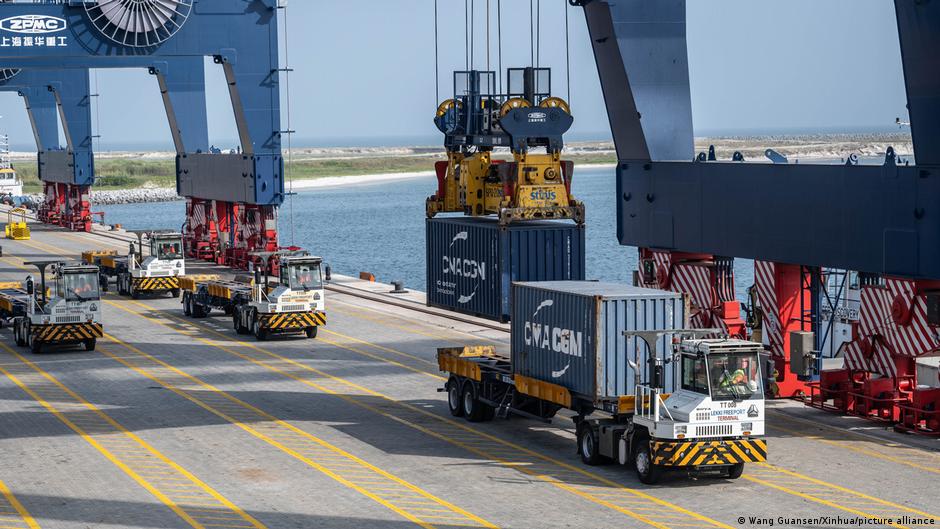
Last month, a truck carrying 24 tonnes of South African apples crossed into Shenzhen at midnight, the first cargo to clear Chinese customs under a policy that intends to rewrite the rules of trade between China and an entire continent. China is the first major economy in history to grant unilateral, full-coverage zero-tariff treatment to 53 African countries with which it maintains diplomatic relations. Goods ranging from agricultural produce to minerals, textiles, and manufactured items can now enter the world’s second-largest economy duty-free.
In Africa, the offer has been widely welcomed and has generated optimism. However, the policy requires careful unpacking and critical analysis. African governments, businesses, and institutions must clearly understand the practical requirements of complying with export standards, packaging and processing costs, infrastructure and logistical demands, as well as the financial and technical support required for local industries to compete effectively in international markets. Without sufficient preparation and industrial capacity, preferential market access alone may not necessarily translate into meaningful economic transformation.