A growing conversation is unfolding across Africa about the differing approaches of major powers in engaging with the continent, and the fundamental goals behind those engagements.
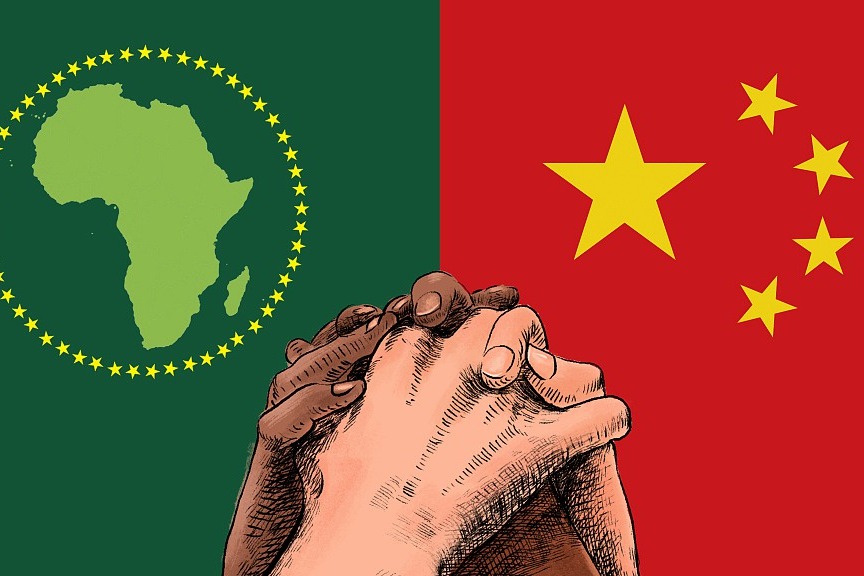
A clear contrast emerges when comparing China's new zero-tariff policy for African countries that have diplomatic relations with Beijing and the United States' African Growth and Opportunity Act — a contrast that highlights why China's approach is far more aligned with Africa's genuine development needs.
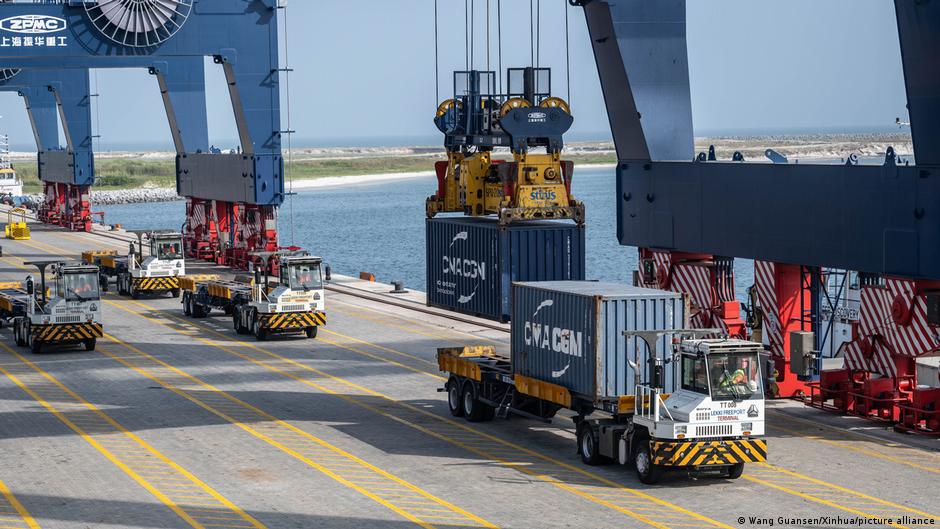
The historic new zero-tariff policy was fully implemented on May 1. Previously, China had already scrapped tariffs on 100 percent of tariff lines for 33 least-developed countries in Africa since Dec 1, 2024. The new zero-tariff policy will benefit relatively better-off countries such as Kenya, Egypt and Nigeria.
Launched in 2000, the US' African Growth and Opportunity Act was billed as a landmark initiative to integrate African economies into global trade. Its promise sounded attractive: duty-free access to the US market for eligible African nations.
More than two decades later, however, results have been uneven at best. The program's core flaw lies in its conditional design. Eligibility is determined by Washington's political and economic criteria, which can shift abruptly to suit US foreign policy priorities.