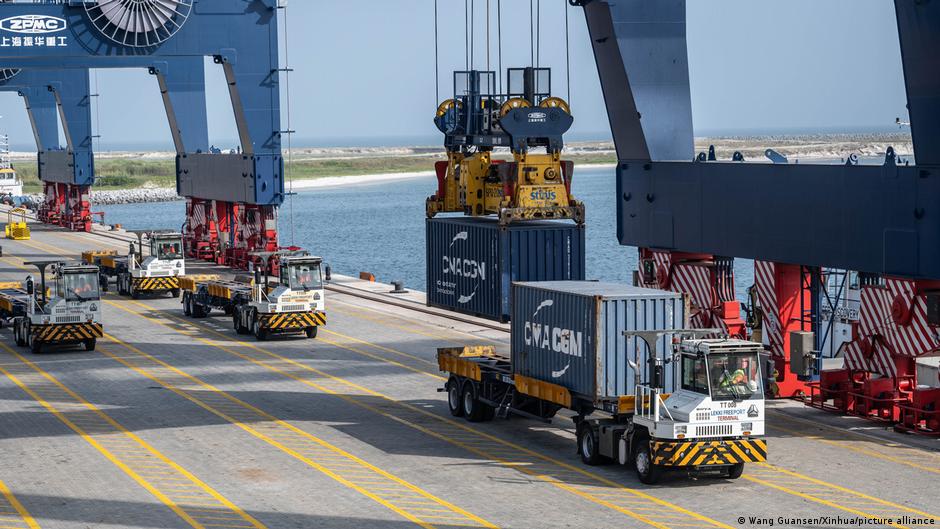
China's decision to grant zero-tariff access to exports from 53 African countries has been welcomed as a landmark step in strengthening Africa-China economic ties. The policy promises to improve market access for African goods and potentially boost exports, investment, and industrial development across the continent.
However, the reality on the ground tells a more complex story.
In Zambia, small-scale farmers and producers say they continue to face significant barriers to entering international markets. Strict quality standards, certification requirements, limited access to credit, and inadequate logistics infrastructure remain major obstacles preventing many businesses from fully benefiting from the new trade framework.
Economists argue that tariff-free access alone is not enough. African countries must invest in value addition, industrial capacity, transportation networks, and financing mechanisms to ensure local enterprises can compete globally and capture greater value from exports.
Nigeria's Electric Vehicle Sector Gains Momentum Despite Power Challenges