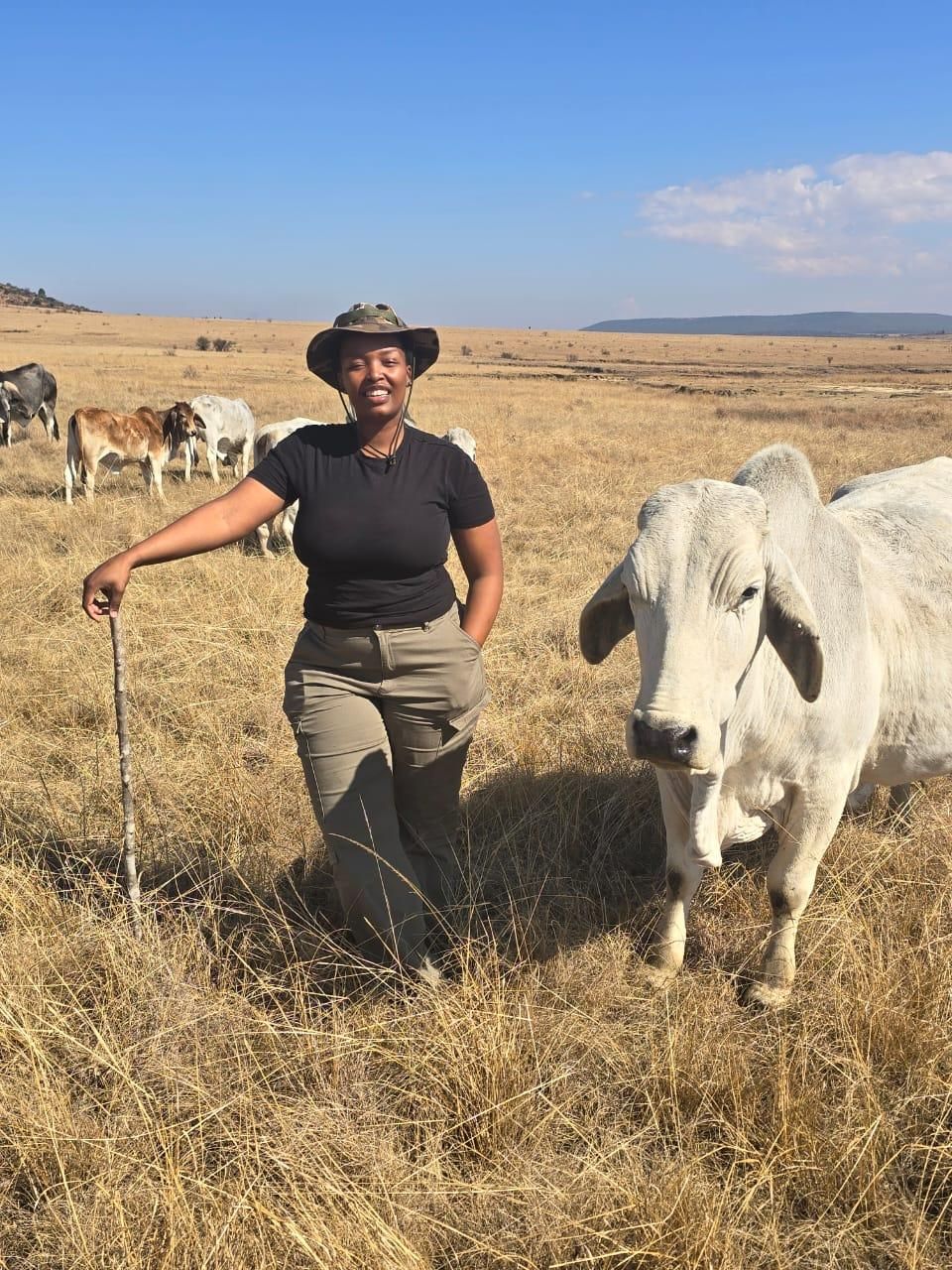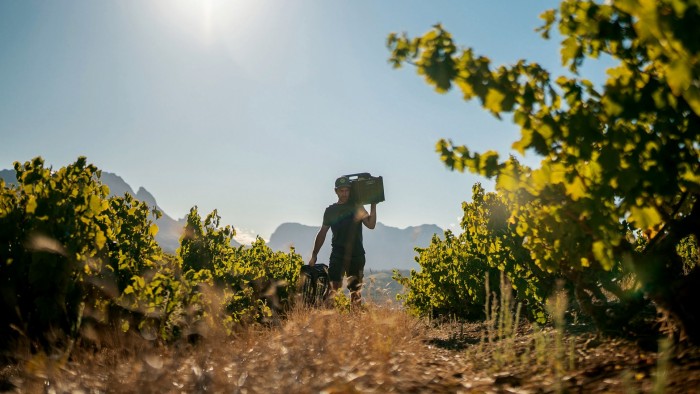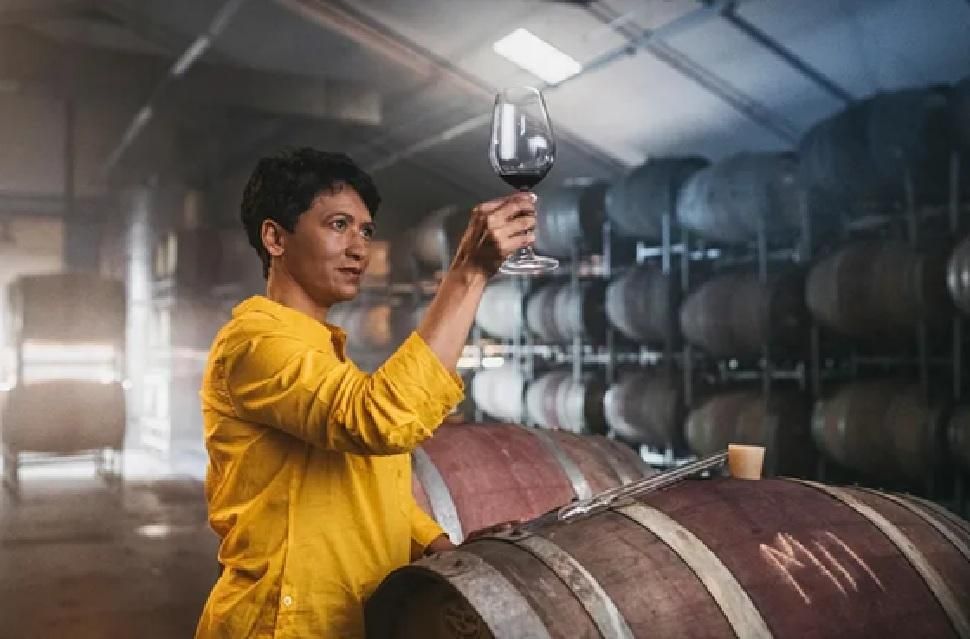
Visit almost any vineyard or winery in Southern Africa and you will find women throughout the value chain. Women cultivate vines, manage harvests, oversee quality control, and contribute significantly to production. Yet ownership remains concentrated elsewhere.
SOUTHERN Africa’s wine industry is one of the region’s most celebrated economic and cultural success stories. Yet behind its global accolades lies an uncomfortable truth: While women are central to the industry’s success, they remain largely excluded from its ownership, leadership, and wealth creation.
That imbalance is not only unjust — it is bad economics, especially for a region that urgently needs broader participation, stronger household incomes, and more inclusive engines of growth.
South Africa produces more than 960 million litres of wine annually, contributing between R55 billion and R60bn to the economy and supporting more than 270 000 jobs across agriculture, logistics, tourism, hospitality, exports, and retail. Across the broader Southern African region, the industry drives trade, jobs, and rural development.
Despite this immense value, women — particularly Black women — remain significantly under-represented in the boardrooms, ownership structures, and decision-making spaces that determine the industry’s future.