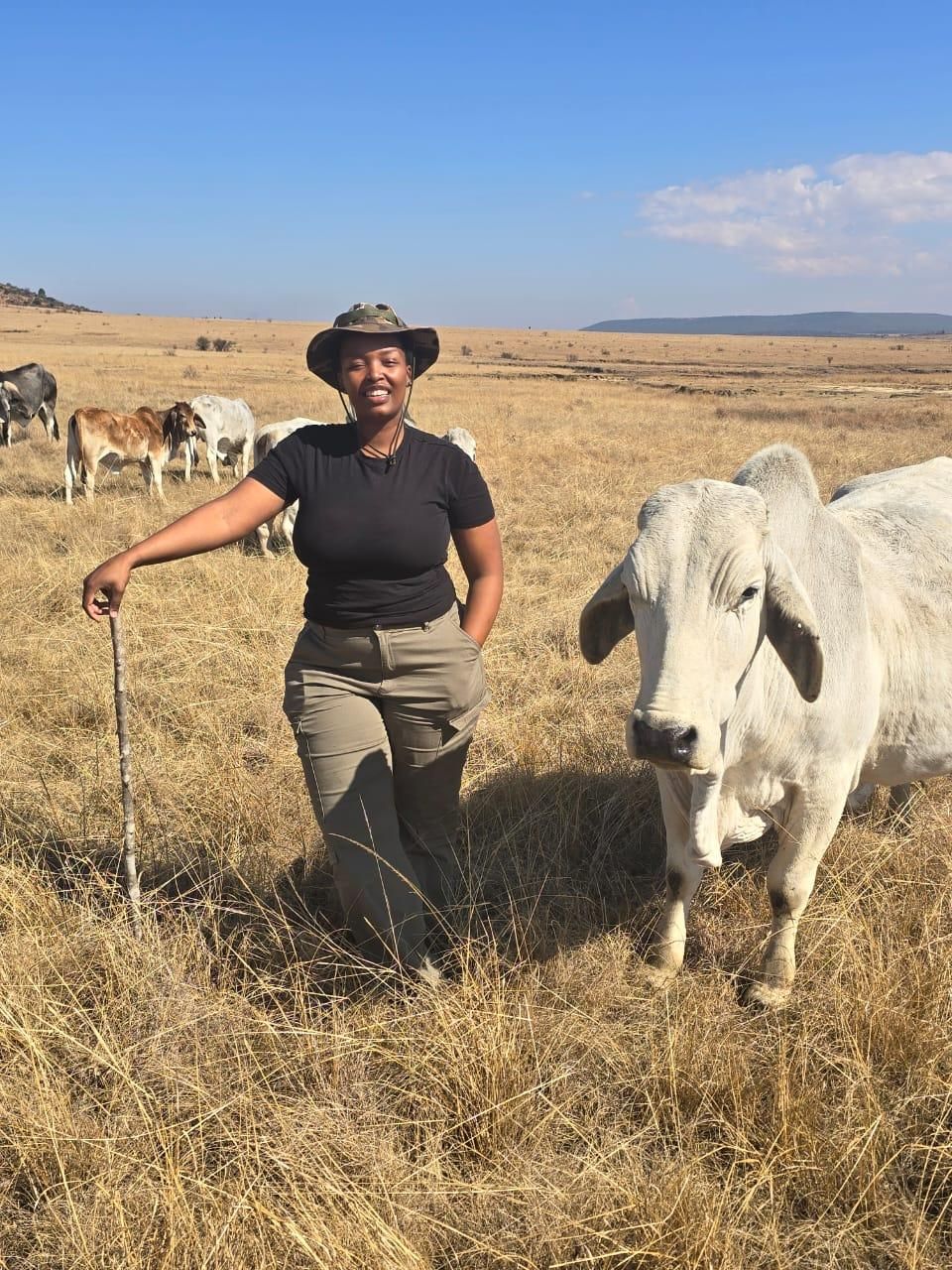
Linda Mthalane turned her unexpected unemployment during the COVID-19 pandemic into a thriving cattle farming business in KwaZulu-Natal.
For years, conversations in South African agriculture, and indeed corporate South Africa, have centred on the deep racial inequalities that define the sector and the economy, and rightly so. Yet the latest labour statistics remind us that transformation is far from complete.
Beneath the dominant transformation narrative sits a persistent, long-overlooked imbalance: the gender disparities that continue to influence labour dynamics, limit economic participation, and constrain the sector and economy’s full potential.
While women make up a significant share of the overall labour pool, they remain underrepresented across most sectors, including agriculture, a reality that undermines the objectives of the Employment Equity Amendment Act 4 of 2022, which sets five-year gender targets for multiple sectors.
Ignoring this gap is no longer an option; it is time that this conversation is brought to the forefront.