This article was produced with the support of INMED South Africa
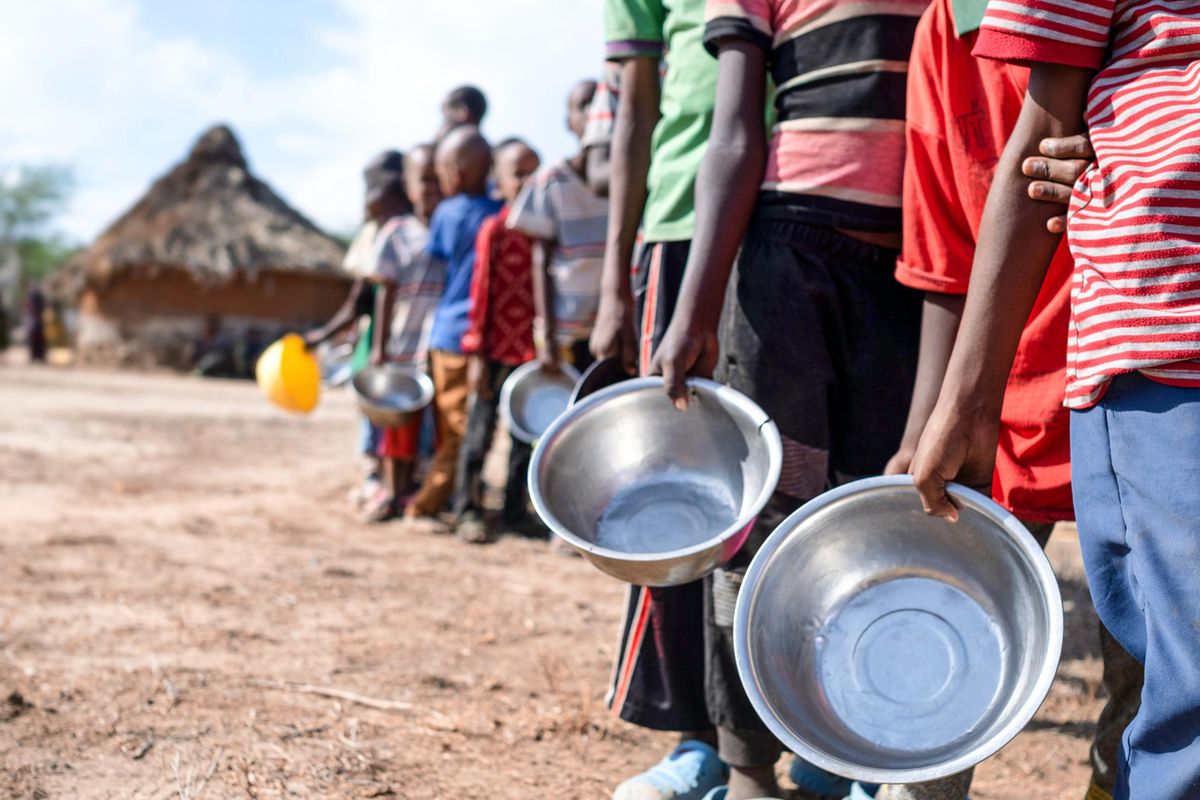
Many communities across South Africa continue to experience limited access to affordable, nutritious food, while droughts, floods and extreme weather place additional strain on local agriculture and food production. In this environment, we can no longer afford to think about agriculture only in terms of large-scale commercial farming. We must invest in resilient and climate-smart systems that enable communities to produce food closer to where it is needed most.
At INMED South Africa, aquaponics offers one practical and scalable solution. For more than a decade, we have worked in schools, townships and rural communities to refine low-cost aquaponics systems designed specifically for resource-constrained environments. These durable installations can fit into schoolyards, community centres and even household plots, making climate-smart food production more accessible at community level.
Aquaponics combines fish farming with soilless vegetable production in a closed-loop, recirculating system. Fish waste provides nutrients for crops, while the plants naturally filter and clean the water for the fish, with a small pump keeping the cycle moving continuously. The result is an efficient system capable of producing both vegetables and protein year-round while using significantly less water than conventional farming.