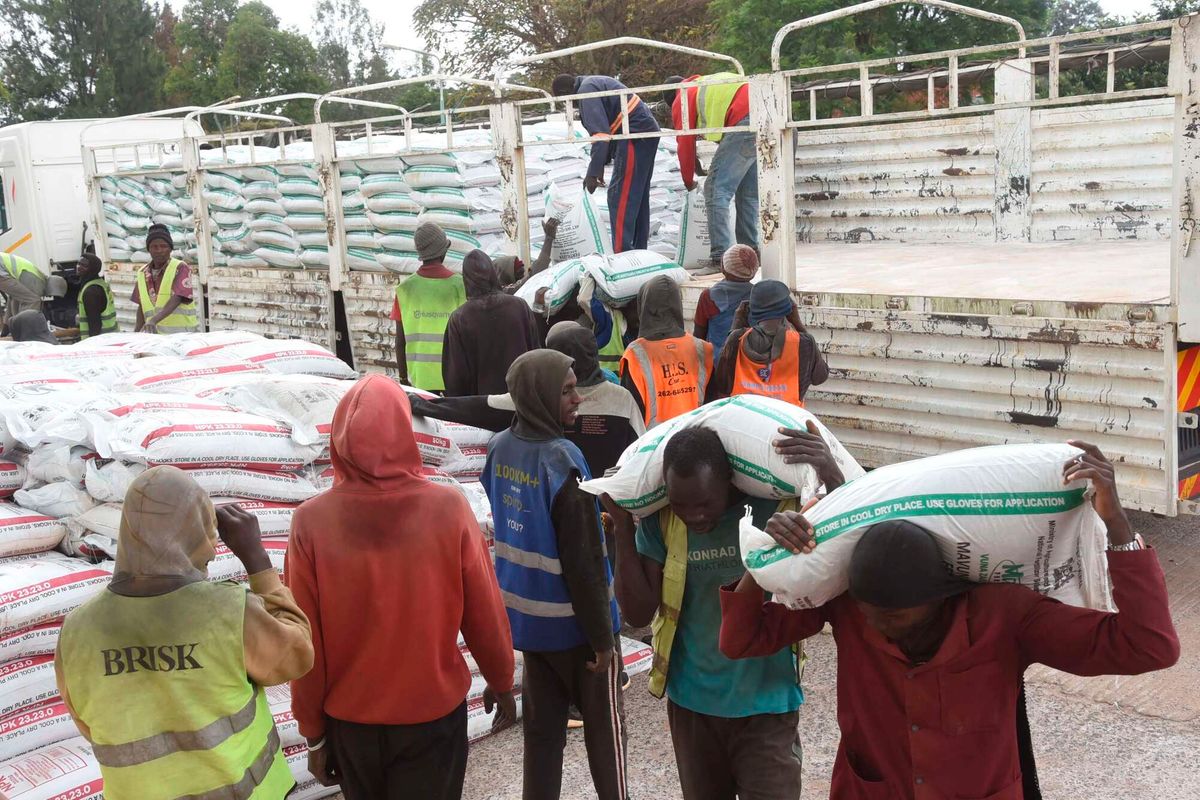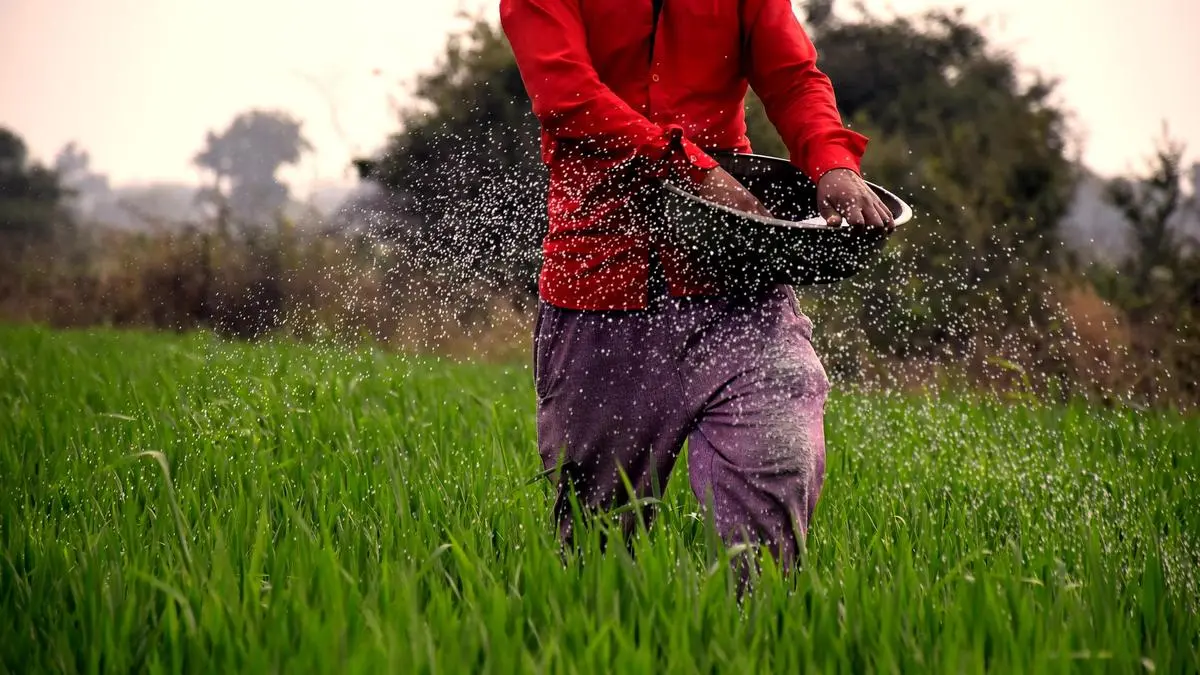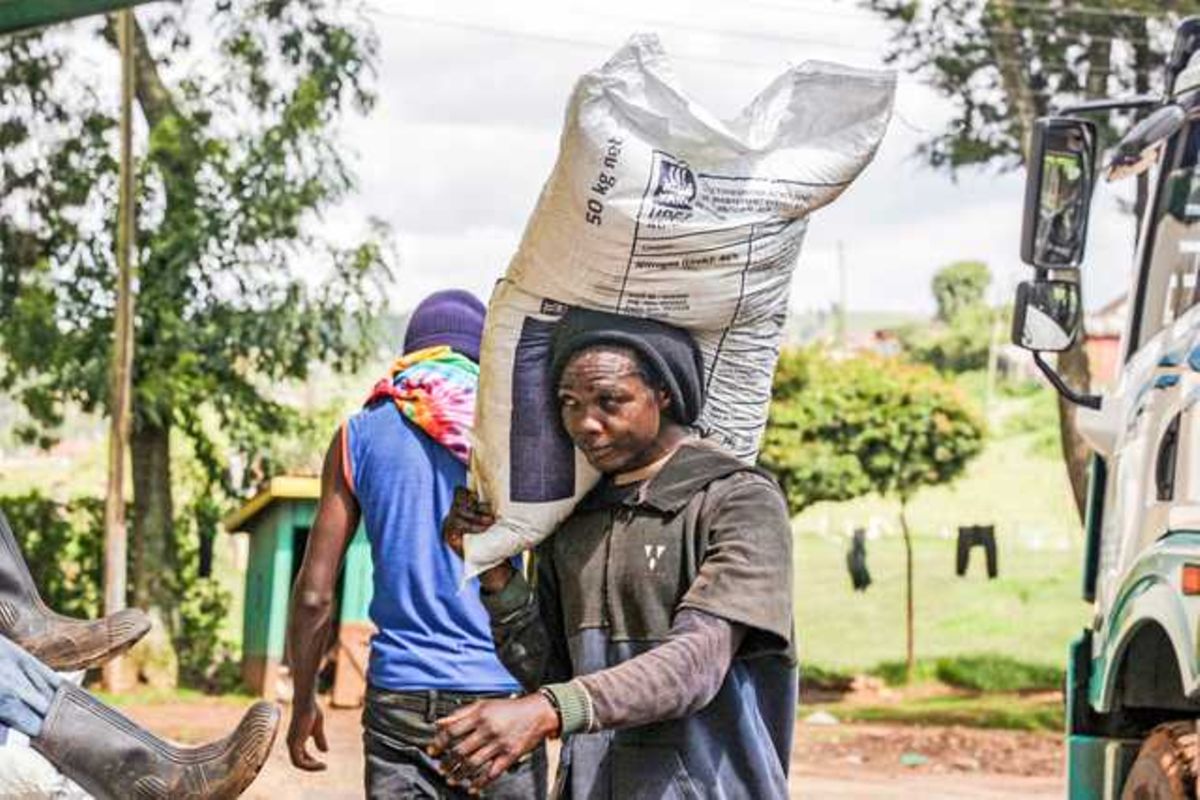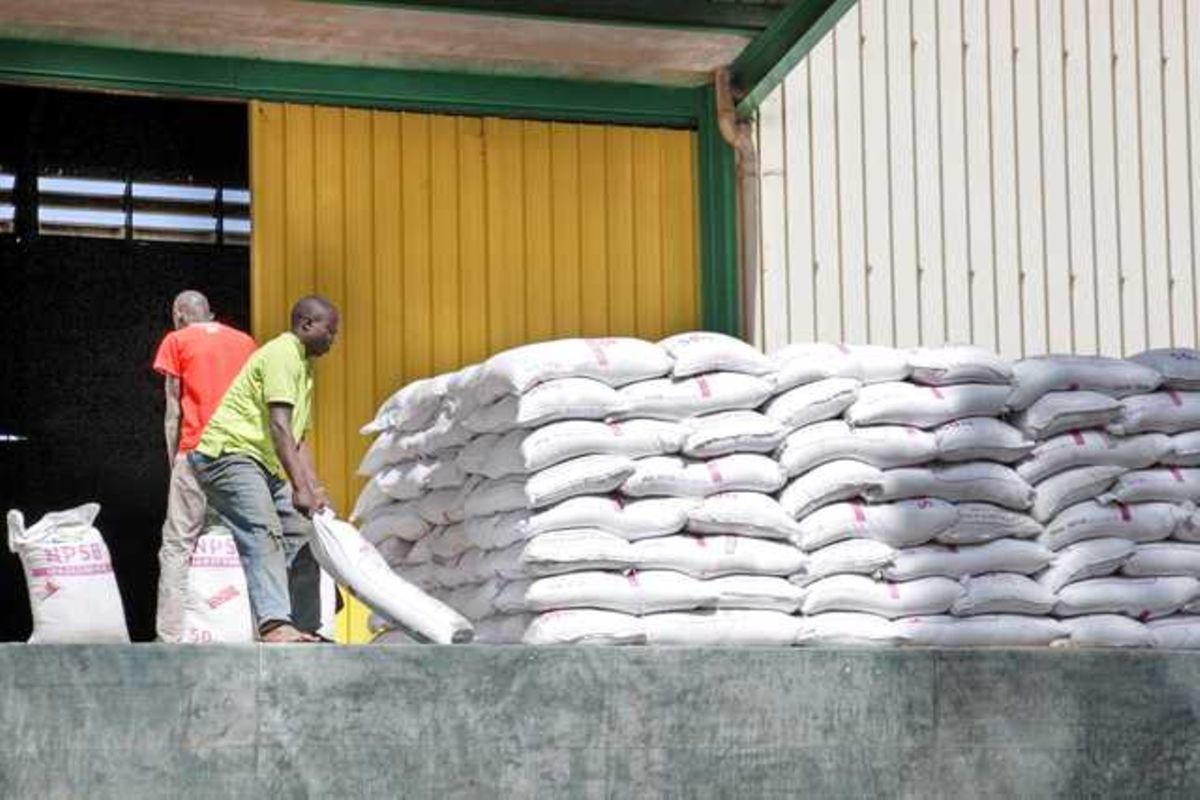
Until now, African farmers navigating fertiliser shortages have mostly been dealing with logistics and procurement failures – frustrating, but manageable. What is coming for the 2026–2027 planting seasons is neither logistical nor manageable. It is structural, and it is of a different order entirely.
Global urea production is down 11%, with a further 4% at immediate risk. Africa, running on 4% of global supply, is not facing a more expensive import season – it is facing no import season.
The standard framing – fertiliser prices up, food prices follow – described the 2022 crisis accurately. It is dangerously misleading this time. An industry running at 80–85% utilisation globally has no surge capacity. When 12 MT of annual production capacity is destroyed – taking months if not years to rebuild – and another 10 MT is curtailed by input shortages, the shortfall persists across the affected seasons – it cannot simply be recovered when inputs return.
When supply falls, demand is forced to fall with it. The price goes up to the point where it excludes buyers who cannot afford the clearing price. Africa’s smallholder farmers are always last in the queue – and in a market this tight, that means no supply at all. They will not simply pay more. they will be shut out of the market entirely. Expanding African urea production will not solve this immediate supply shortage. Building new African urea capacity is a reasonable long-term ambition – but it will not help a single farmer in 2026 or 2027.