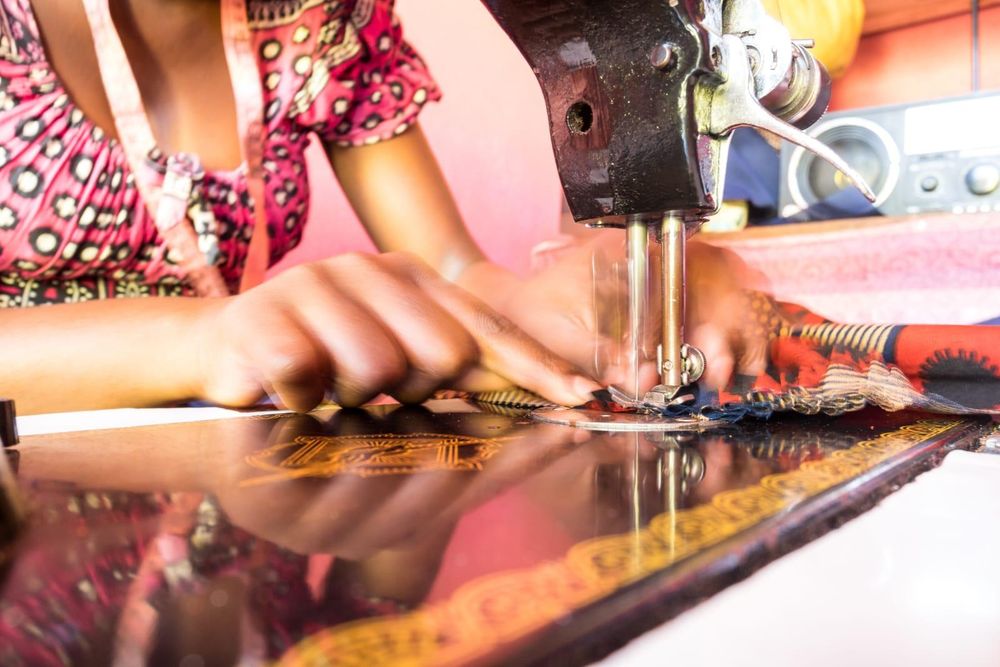
Recent studies indicate that women own about 60% of Eswatini’s SMMEs, placing them at the centre of employment creation, household income generation and economic resilience.
NO economy in Southern Africa will grow to its full potential while it continues, in practice if not in law, to sideline women from decision-making.
This is not a moral aside to the region’s growth agenda; it is the growth agenda. Where women participate fully in labour markets, in enterprise, and in leadership, economies diversify faster, households absorb shocks better, and the next generation is better educated, and better fed.
Of the Southern African Development Community (SADC) recognises this. The evidence across the continent bears it out. And yet the conversation in too many of our countries still treats women's advancement as a matter of fairness to be weighed against growth, rather than as one of the clearest levers available for achieving it.
History has proven that the involvement of women in economic development is not a charity case, their intellect is the necessary catalyst in economic development, and their inclusion is a must.