Eswatini has signed a $300 million agreement with Taiwan to build a massive strategic oil reserve but the project is raising difficult questions in a country battling deepening poverty, soaring unemployment and allegations of elite enrichment
Eswatini is a country standing at a crossroads — and increasingly, at the edge of a cliff. The latest World Bank data paints a stark picture: one in three citizens is unemployed and nearly half the population lives in poverty, surviving on less than $3 (about R50) a day.
Youth unemployment hovers near catastrophic levels and the economy, though showing flickers of growth, remains too small, too fragile and too undiversified to absorb the thousands of young people entering the labour market each year.
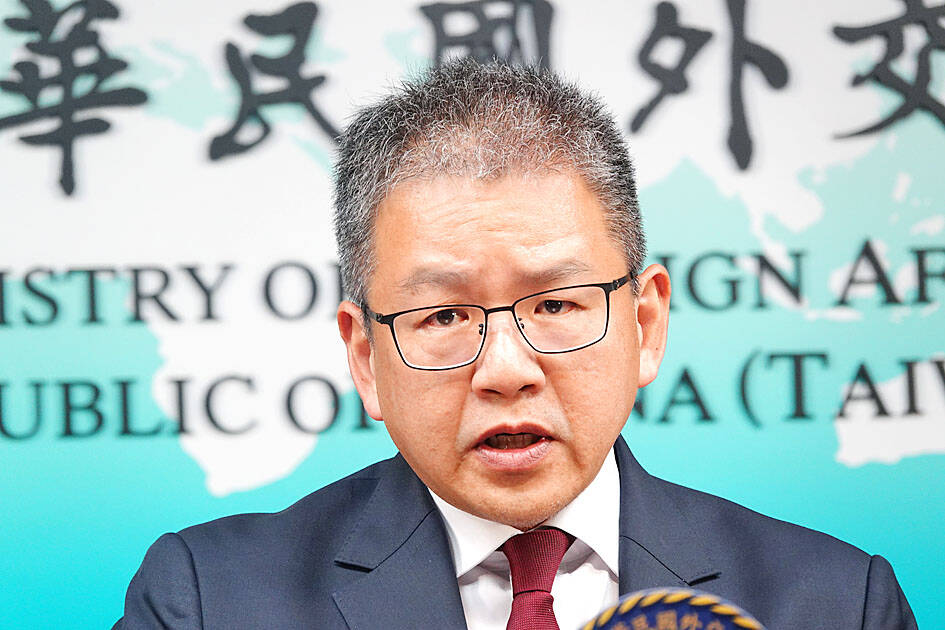
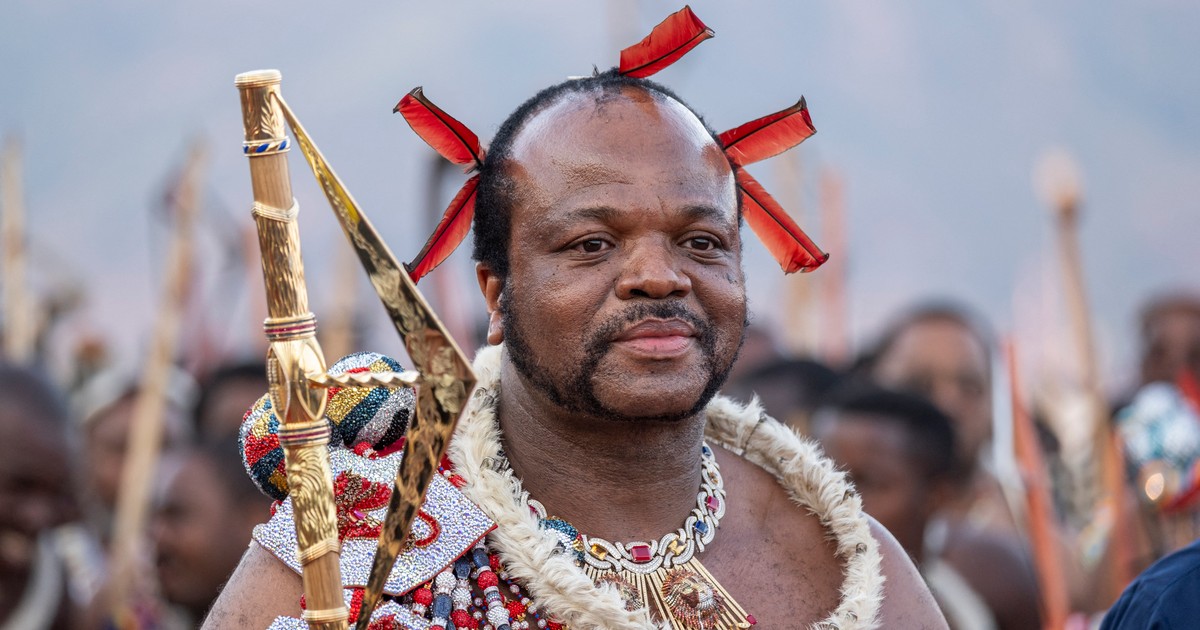
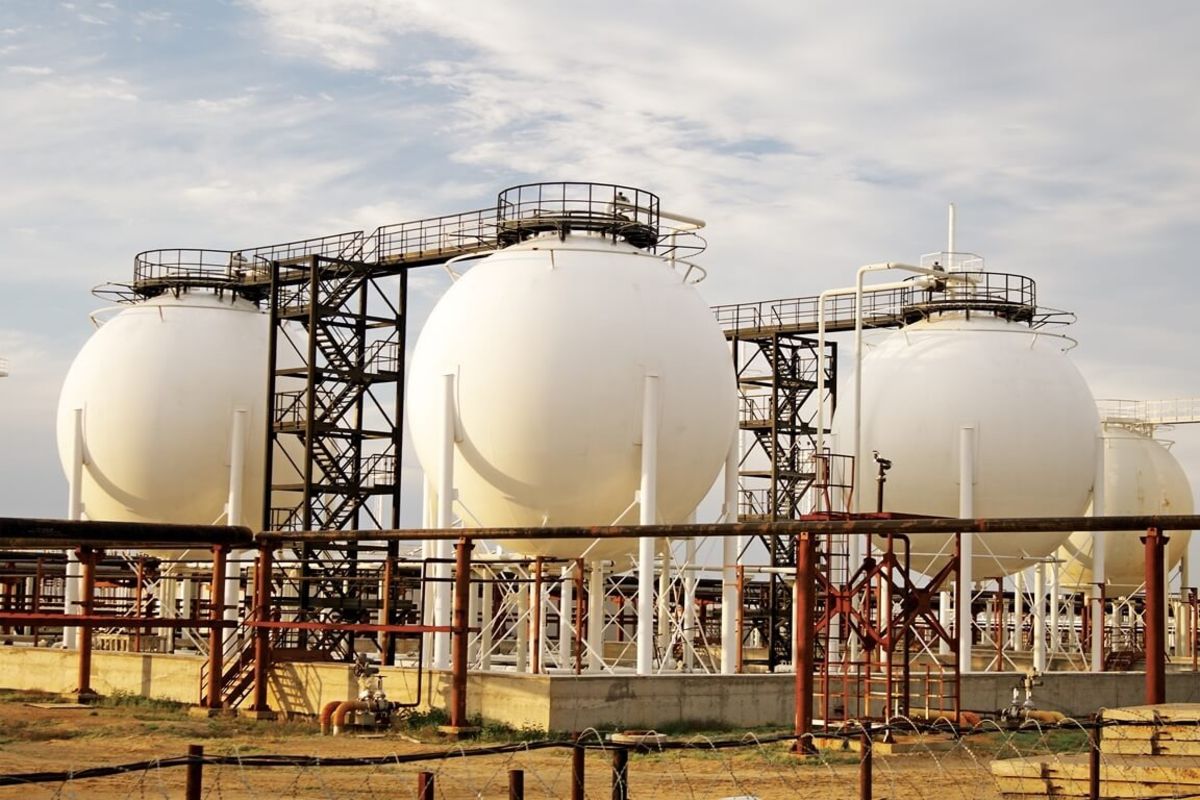
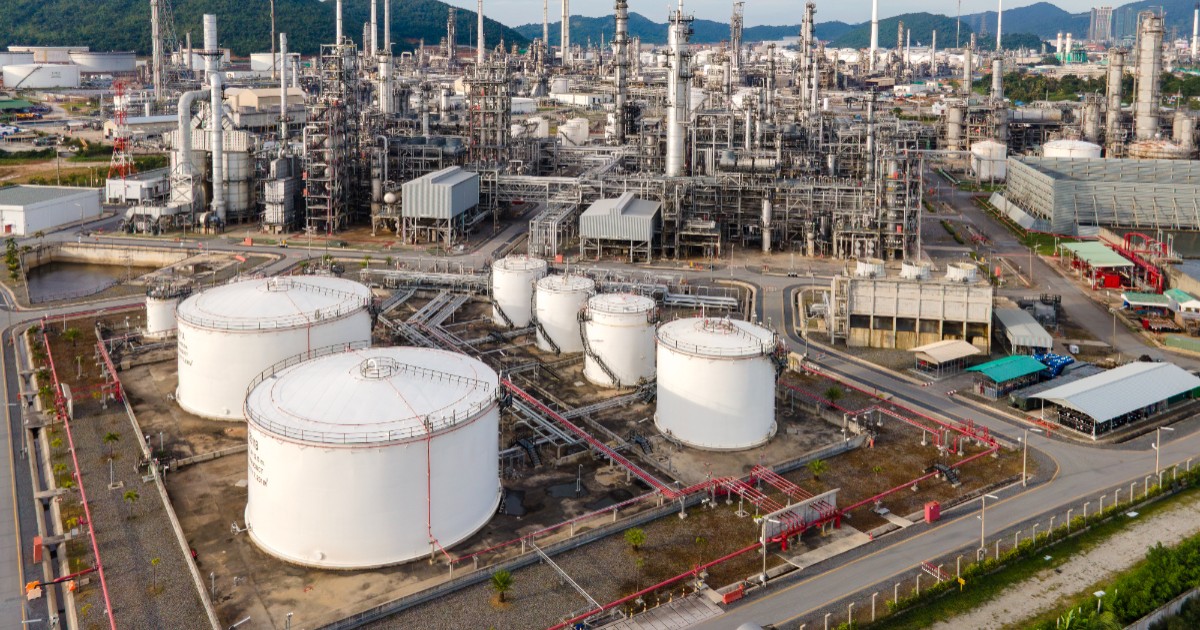
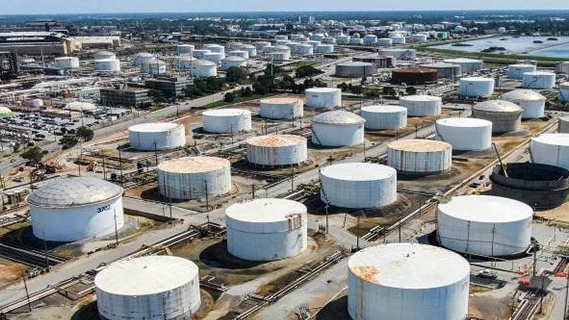
Against this bleak backdrop, under the absolute leadership of King Mswati III since 1986, eSwatini government officials have signed a $300 million (12 billion Emalangeni) financing agreement with Taiwan for the construction of the Phuzumoya Strategic Oil Reserve — a project pitched as a cornerstone of national energy security.
The deal, formalised in Taipei, commits eSwatini to a 36-month build of an 80 million litre fuel reserve, split evenly between petrol and diesel. It is the largest infrastructure financing agreement eSwatini has entered in years.