Upon learning United States President Donald Trump was looking for African nations to take in deported third-country migrants, Eswatini was among the first to volunteer. Now lawyers in the southern African kingdom are challenging the legality of the deal, as deportees speak out about the conditions of their detention.
Issued on: 23/05/2026 - 09:00
3 min Reading time
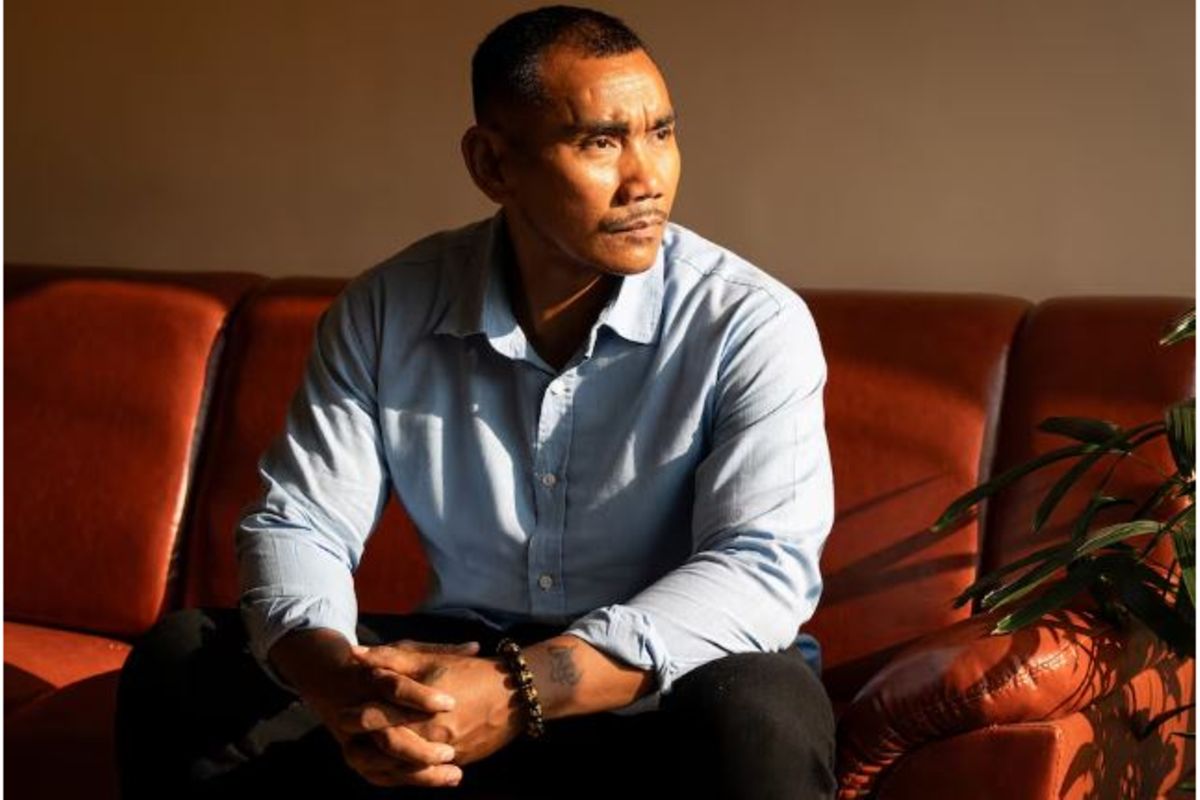
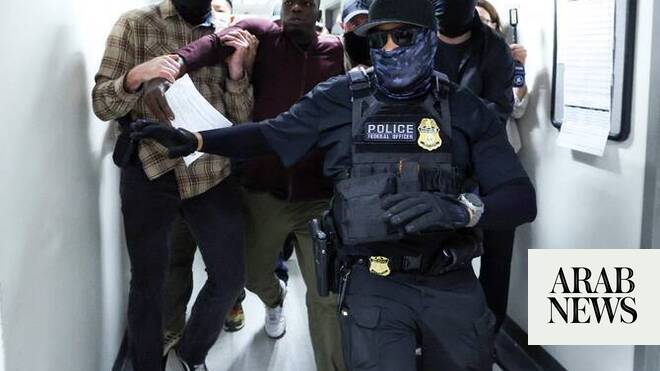
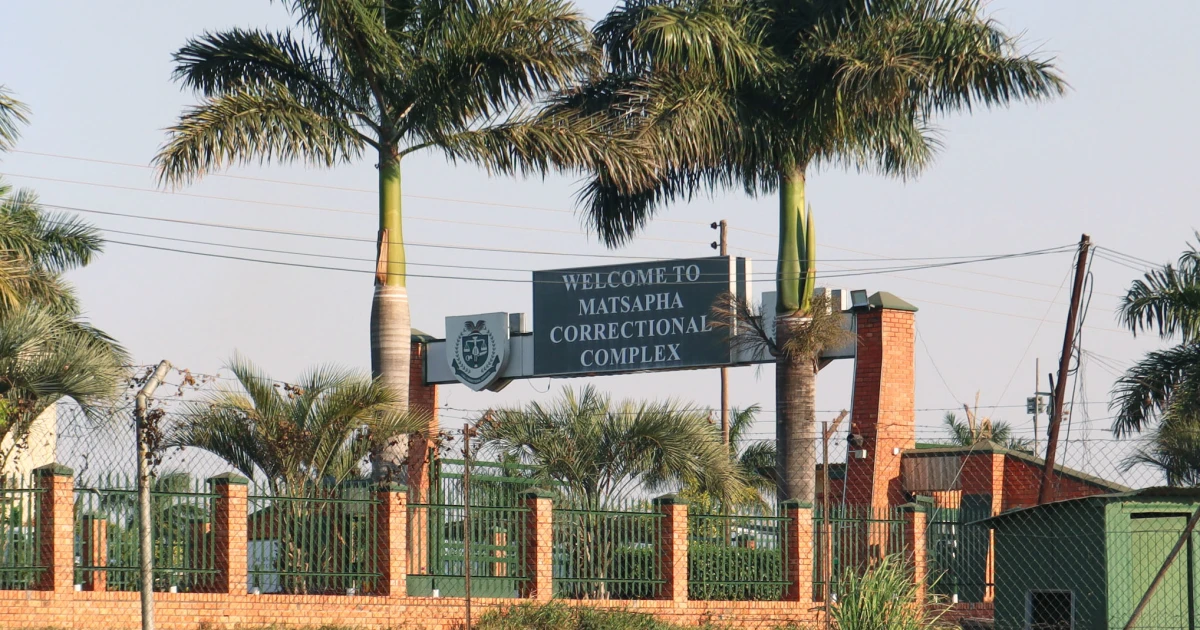
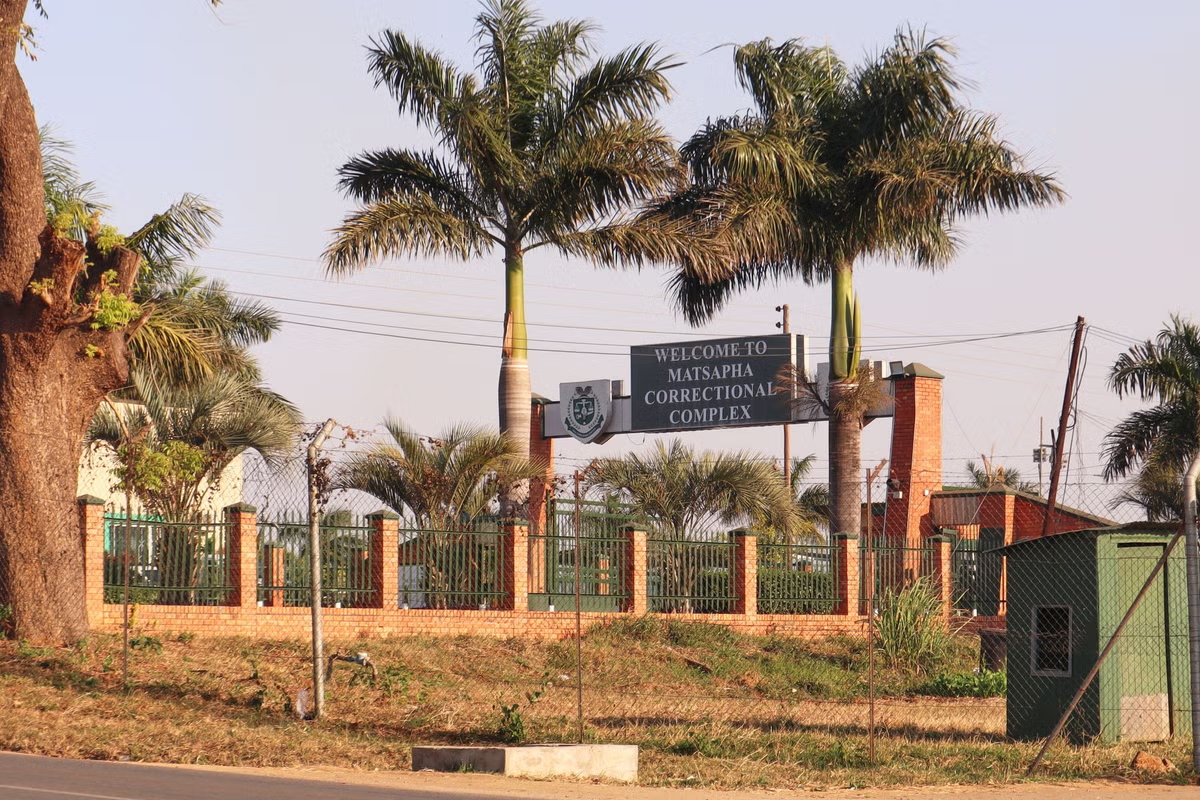
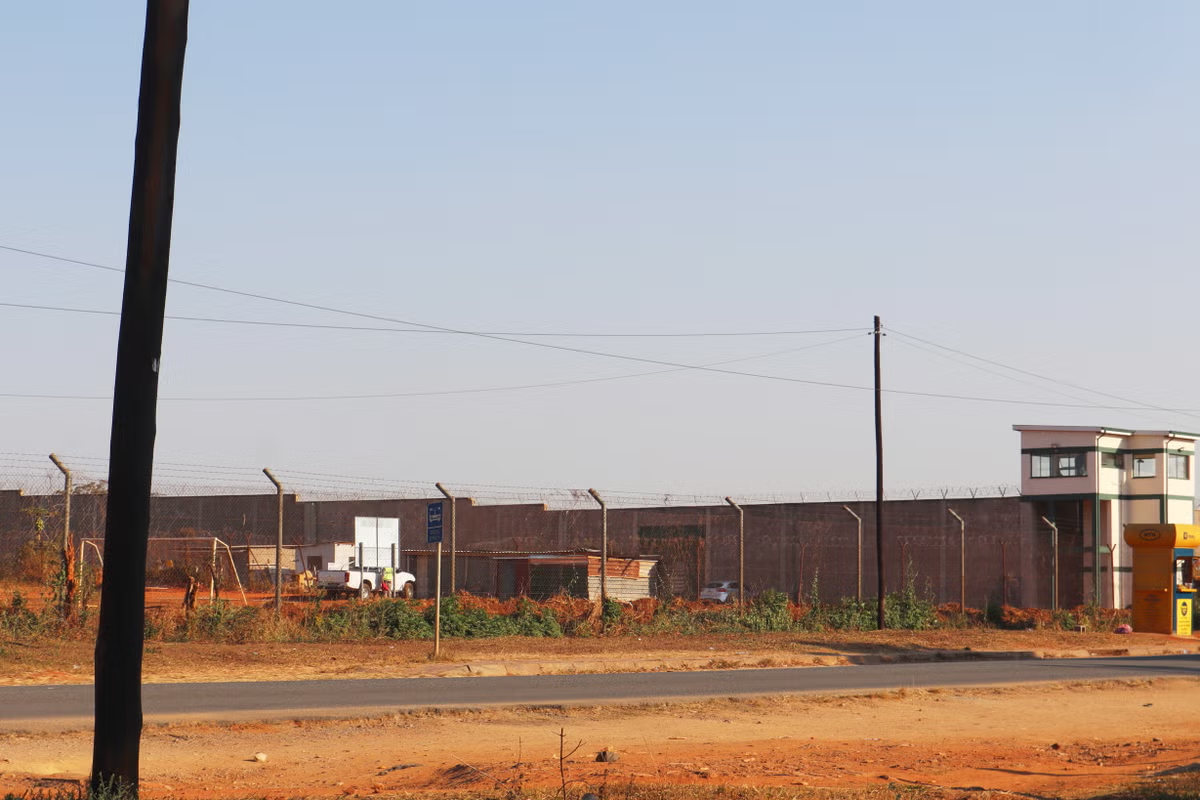
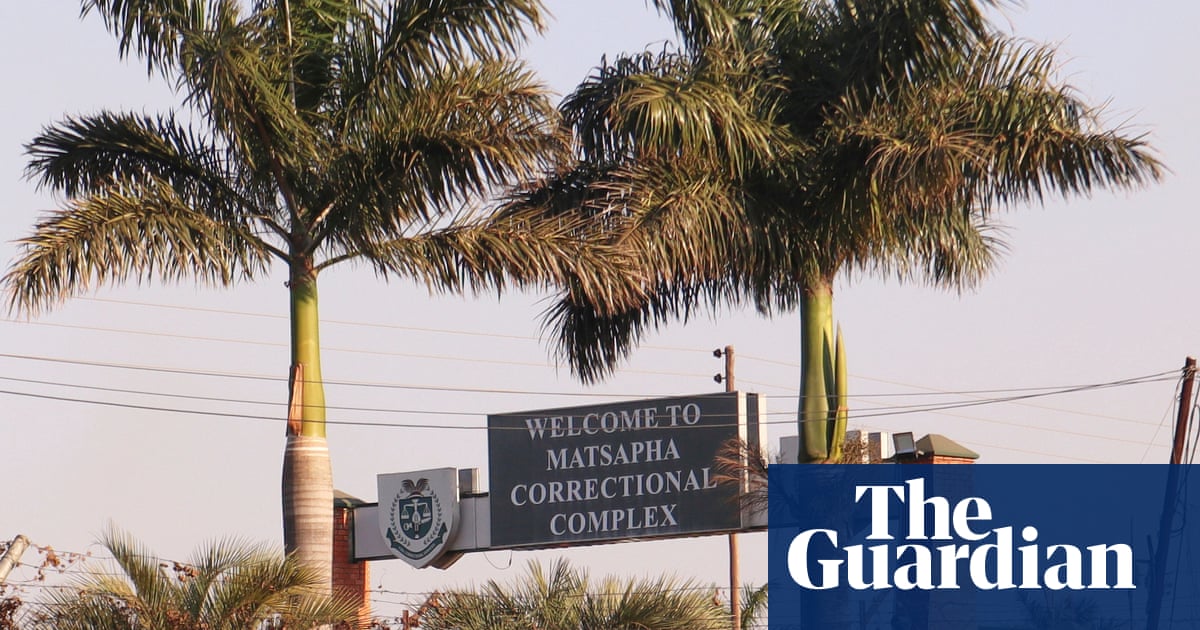
So far, 19 migrants deported from the US have been detained in a prison south of the capital Mbabane. Two of the 19 have so far been released and repatriated. Cameroon, the Democratic Republic of Congo, Equatorial Guinea, Ghana, Rwanda and South Sudan have also agreed to accept deportees, with Sierra Leone the latest African country to follow suit. More than 40 deportees in total have been sent from the US to Africa as part of these agreements. The US was Eswatini's largest single external donor in 2024, according to US Official Development Assistance figures, with a large share of aid going towards HIV/AIDS programmes. The landlocked kingdom of 1.2 million people has one of the highest rates of HIV in the world. In return for hosting up to 160 deportees, Eswatini, where a third of the population live below the World Bank poverty line, was to be paid $5.1 million, according to a leaked copy of the deal seen by news agency Reuters. Ghana becomes fifth African nation to take in US deportees 'I cry daily' Some detainees and their relatives have reported that they are being detained under poor conditions. Pheap Rom from Cambodia, one of the two detainees to have been released, says he panicked when he realised he was going to an African country rather than to another US Immigration and Customs Enforcement (ICE) facility. "I was so scared, my knees were shaking," he told Reuters last month in Phnom Penh. The conditions in the prison in Eswatini were crowded, he said, with four people to a small cell. The partner of another deportee who remains in Eswatini, Felix Perez, 64, said most of their phone conversations were about fears he could die in detention owing to poor health. "It's a thought I can't shake," the woman, who gave her name as Phyllis, told Reuters in a text message from her Louisiana home town. "To know he has to fight mosquitoes all night and can't get proper care. I cry daily."