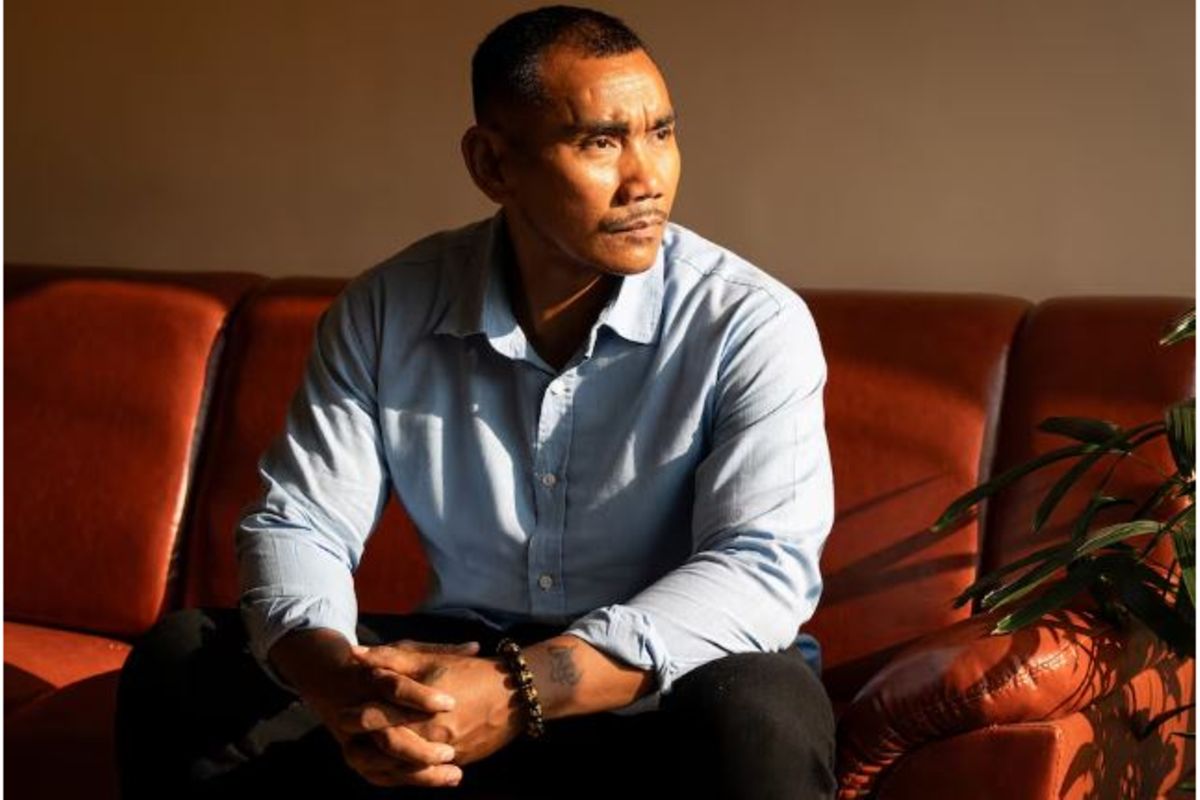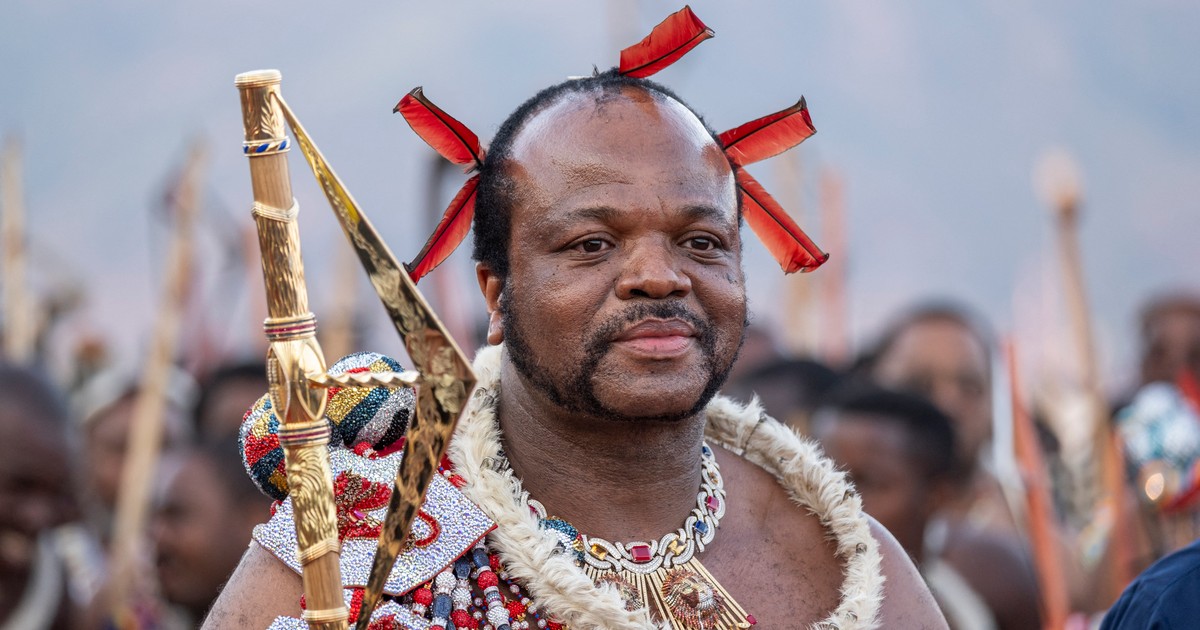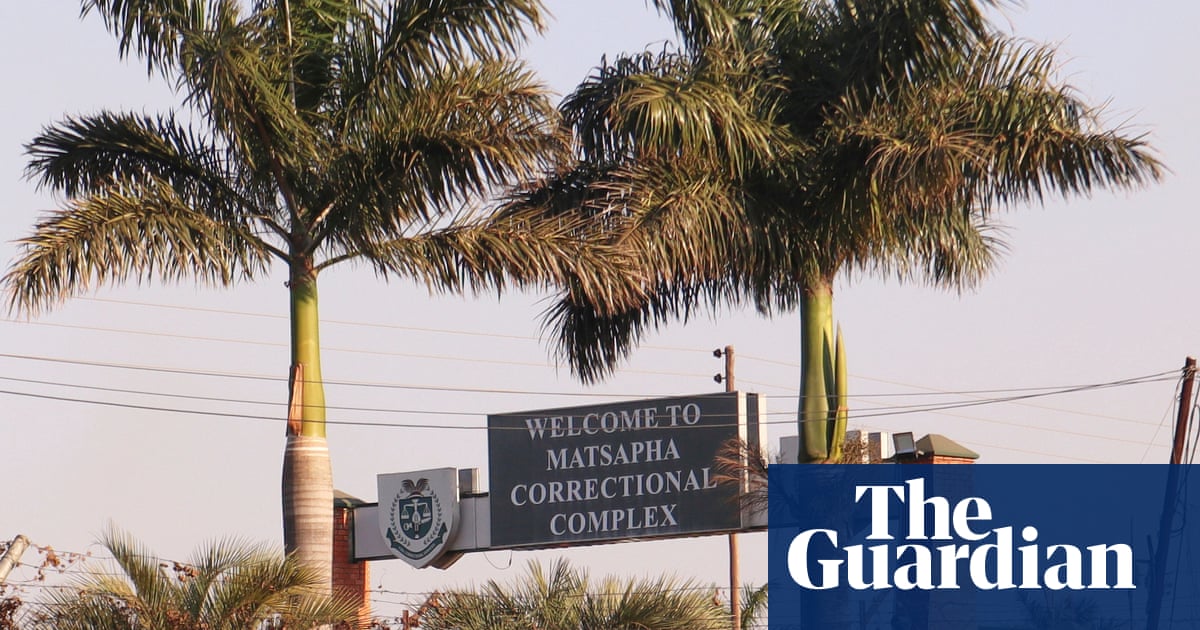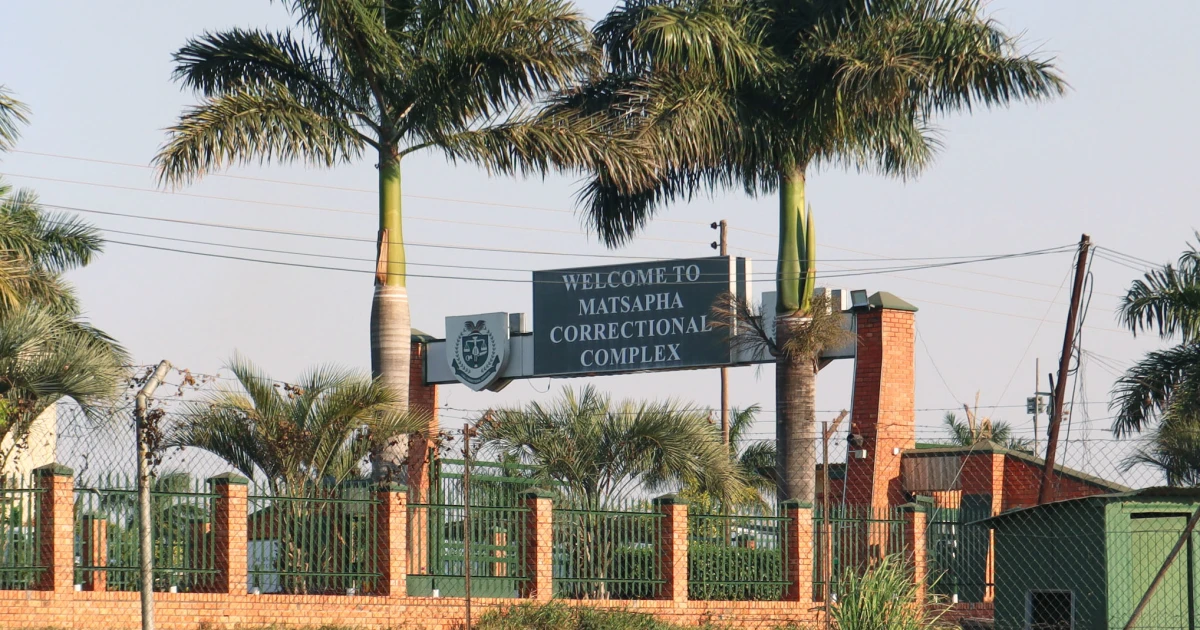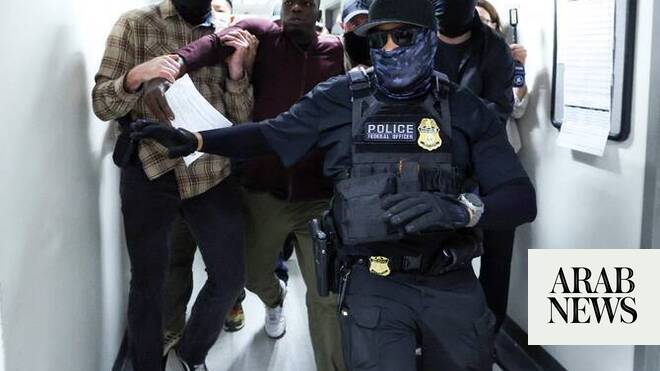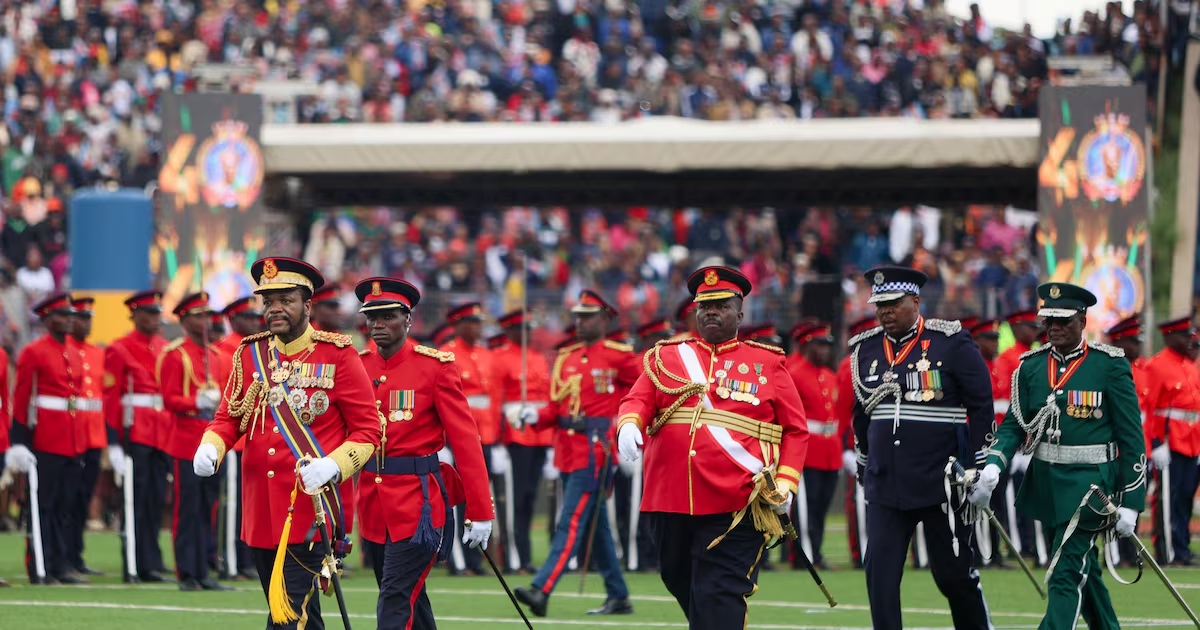
By Tim CocksMbabane — Upon learning through the US embassy that President Donald Trump was looking for African nations to take in deported third-country migrants, Eswatini was one of the first to volunteer despite questions over the legality of the programme.According to three senior government sources briefed on the matter, Prime Minister Russell Dlamini met then-acting US charge d’affaires Caitlin Piper in mid-February last year to discuss the matter in private.Dlamini took the proposal to King Mswati III, who marked 40 years on the throne of the mountainous southern African nation in April. Mswati listened and immediately agreed to host the deportees, two of the sources said, describing previously unreported closed-door talks.The speed of the agreement, under which 19 migrants have been detained in a prison south of the capital Mbabane so far, reflects how keen Eswatini was to keep its US partner happy.“The king embraced the deal as Eswatini’s contribution to world order,” King Mswati’s spokesperson Percy Simelane said.The US was Eswatini’s largest single external donor in 2024, according to US Official Development Assistance figures, with a large share of aid going towards HIV/Aids programmes. The landlocked kingdom of 1.2-million people has one of the highest rates of HIV in the world.In return for hosting up to 160 deportees, Eswatini ― where a third of the population live below the $2.15-a-day World Bank poverty line ― was to be paid $5.1m, according to a leaked copy of the deal seen by Reuters. ConstitutionHowever, the accord to take in the deportees from nations ranging from Cuba and Jamaica to Cambodia and Laos has proved controversial, despite the extensive powers of the king, sparking unusual public protest. There were small yet rare protests in July outside the prison where the deportees reside. Two lawyers are challenging the deal’s legality in local courts, saying it violates Eswatini’s constitution in several ways.These include bypassing parliament and holding the deportees without charge ― the constitution says they must be released after 48 hours ― refusing to grant them access to a lawyer and the fact they have committed no crime on Swazi soil.“The government of Swaziland (Eswatini) have put themselves in a mess that they don’t know how to take themselves out of,” Sibusiso Nhlabatsi, lawyer for the deportees, said.“Swaziland (Eswatini) is regarded as a golden boy in Africa,” by the US, Nhlabatsi said. “I think we found ourselves in the good books ... (and) wanted to stay there.” After months of trying, Nhlabatsi won a court case on April 10 giving the detainees the right to counsel, but the prison authorities have yet to grant access, he said.Eswatini’s correctional services head did not respond to a request for comment. ’Border security’A US state department spokesperson declined to answer specific questions but said, “We remain unwavering in our commitment to end illegal and mass immigration and bolster America’s border security.”In July last year, the first five deportees arrived. Successive waves have brought 19 so far, two of whom have been released and repatriated. According to the three government and three diplomatic sources, only the king, Queen Mother Ntfombi and Dlamini knew about the deal until the migrants touched down.“Bringing US deportees to Eswatini (concerned) security. It had to start where it started and the rest of the system structures were to learn of the decision later,” said Simelane.Two diplomatic and one government source said when the $5.1m arrived in state coffers, no-one, including the finance minister, knew what it was for.Simelane declined to comment. Healthcare systemUnlike neighbouring South Africa, Eswatini has maintained good relations with the US and the country received relatively generous terms under a health agreement signed with Washington in December, helping prop up a creaking healthcare system.Of 14 African countries that signed bilateral US health deals in December to replace dismantled USAID, Eswatini got the highest per capita spend of $205m. It also got tariffs of 10%, a third of those imposed on South Africa.“The memorandum of understanding had a significant impact,” health portfolio committee head Nxumalo Somntongo, referring to the December health deals. He said they had made financing more sustainable and supply chains more reliable.However, three sources and Nxumalo said they knew of no evidence that reinstating aid or offering Eswatini favourable trade tariffs was discussed as part of the deportee deal.“To the best of our knowledge, no carrot, in the form of tariffs was dangled. Health aid was going on long before the deal and could not have been bait,” Simelane said. CambodiaFor some detainees and relatives, it’s been a nightmare. Pheap Rom from Cambodia, one of the two detainees to be released, panicked when he realised he was going to an African country rather than another US ICE (Immigration and Customs Enforcement) facility.“I was (so) scared, my knees were shaking,” he said last month in Phnom Penh.The conditions in the prison in Eswatini were crowded, he said, with four people to a small cell.The long-term partner of another deportee still in Eswatini, Felix Perez, 64, described most of their phone conversations as being about fears he might die in jail owing to poor health.“It’s a thought I can’t shake,” the woman, who gave her name as Phyllis, said in a text message from her Louisiana home town. “To know he has to fight mosquitoes all night and can’t get proper care. I cry daily.”
Eswatini snapped up Trump’s deportee programme despite doubts over legality
King Mswati embraced the deal as a contribution to world order, says spokesperson
887 words~4 min read