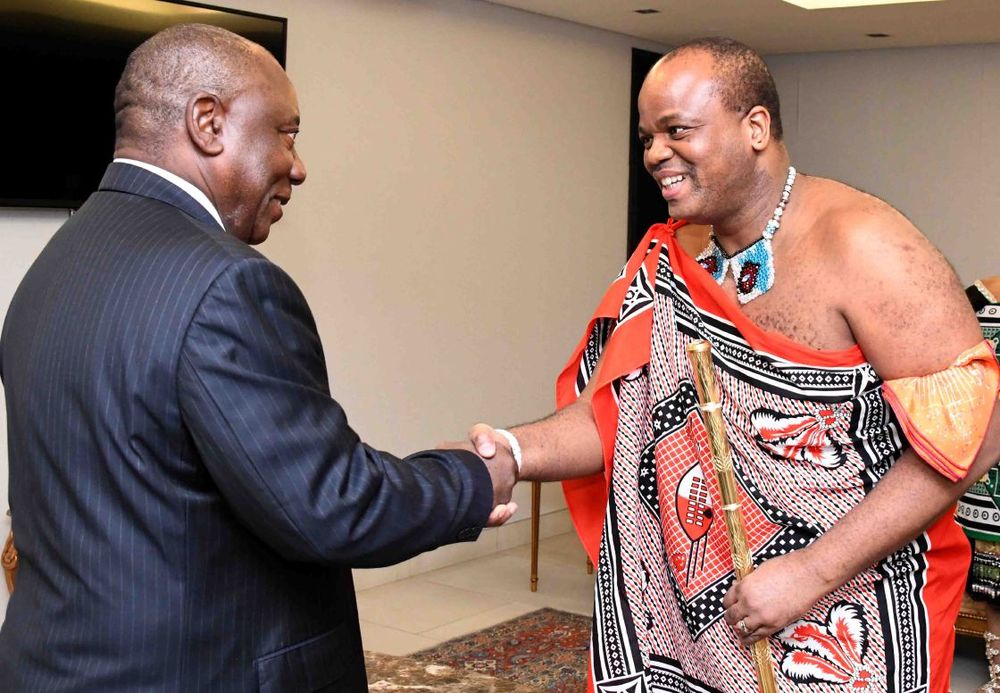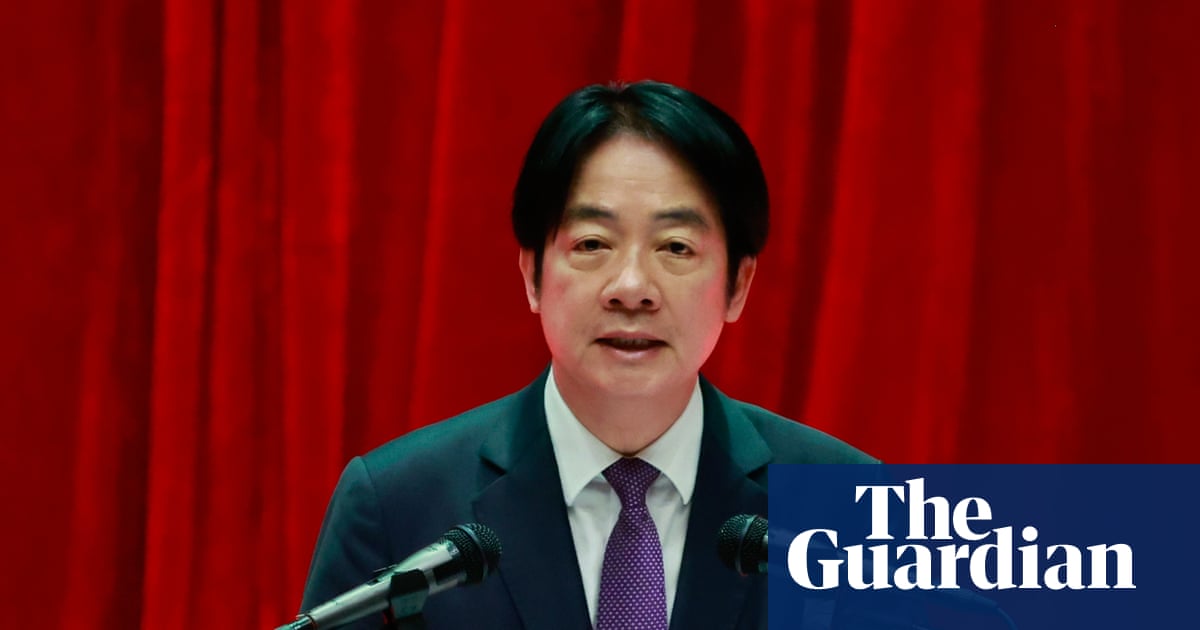
The Kingdom of Eswatini's ties with Taiwan raise questions about the fundamentals of diplomacy and foreign relations with regard to Eswatini's national interest and respect for the national sovereignty of other states, says the writer.
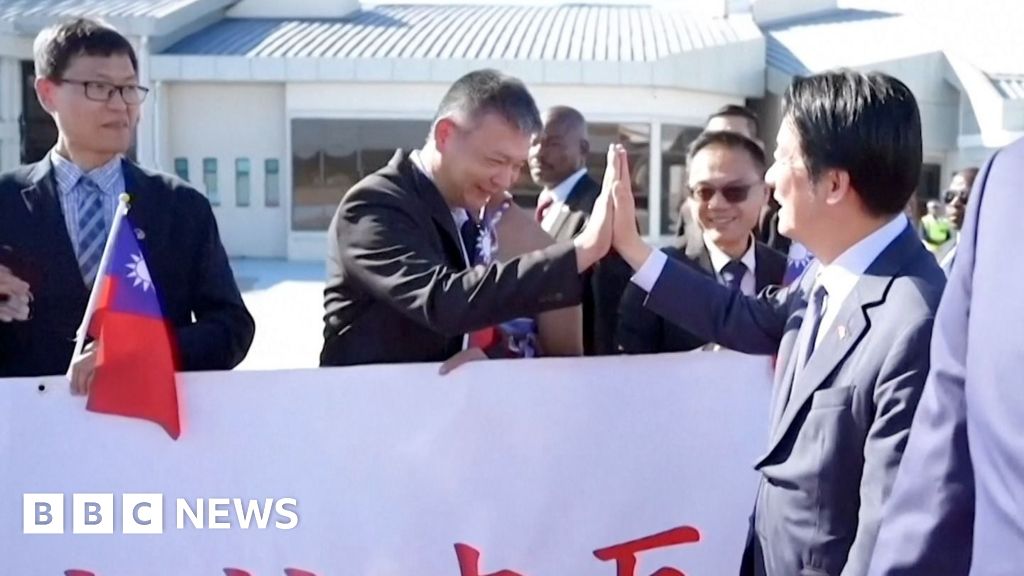
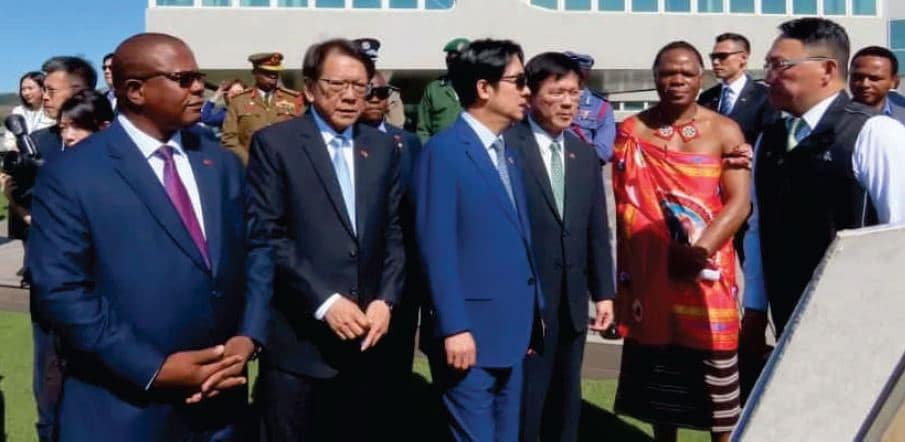
In May 2026, the leader of the separatist Democratic Progressive Party (DPP) and president of Taiwan, Mr Lai Ching-te, paid a controversial visit to Eswatini, triggering high-level diplomatic tensions and condemnation from mainland China. Eswatini, the only absolute monarchy in Africa, is Taiwan’s sole remaining diplomatic ally on the African continent, in violation of the One-China policy.
Eswatini has a population of approximately 1.27 million people, largely characterised by a young, predominantly rural demographic, with real GDP growth of 3.9%–4.0%. The country is prone to persistent structural challenges, including high unemployment, corruption, severe poverty and inequality, and heavy reliance on the volatile Southern African Customs Union (SACU). Eswatini faces the highest HIV prevalence in the world, which disproportionately impacts young women and girls.
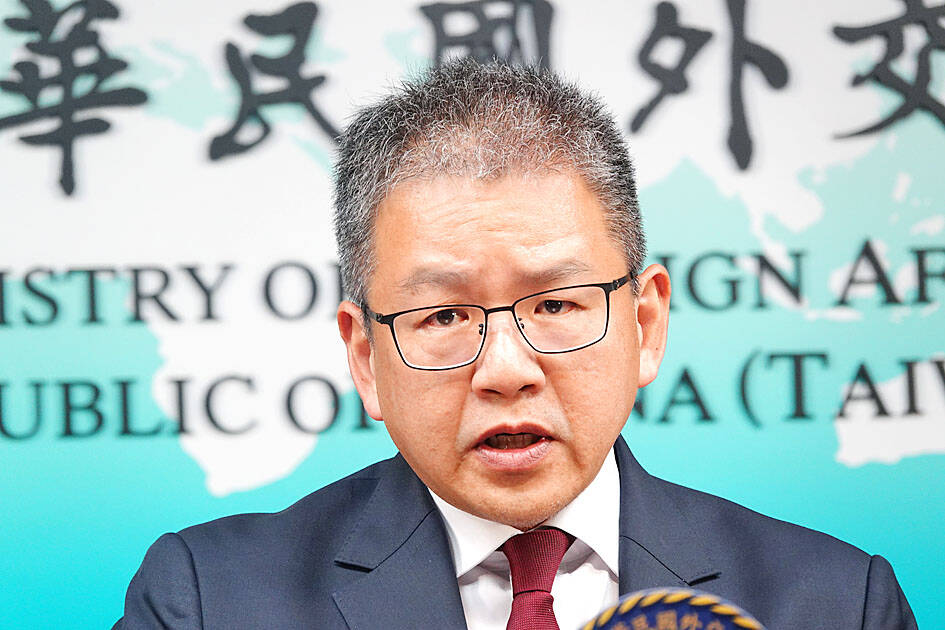
Following Mr Ching-te's visit, China urged Eswatini "to see clearly the general trend of history" and not "pull chestnuts out of the fire for a handful of 'Taiwan independence' separatists."