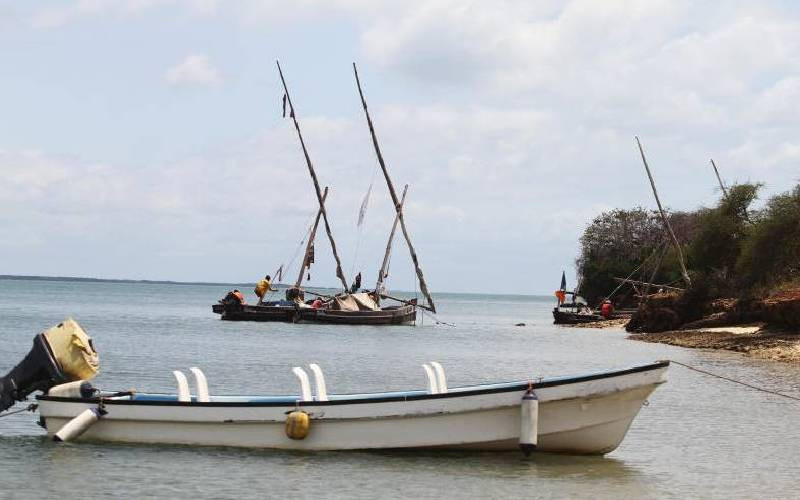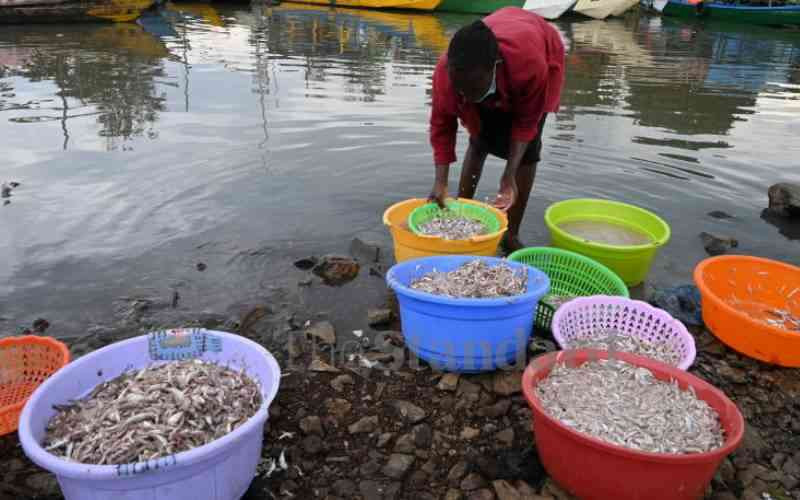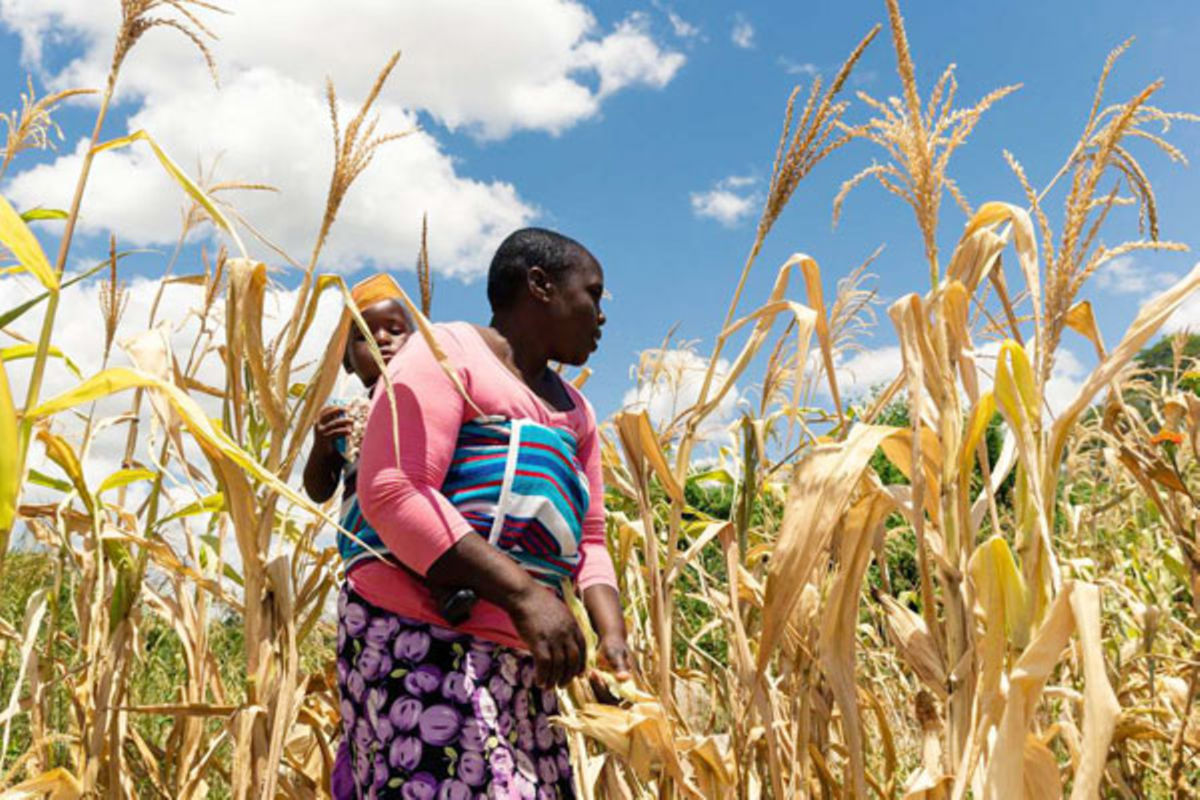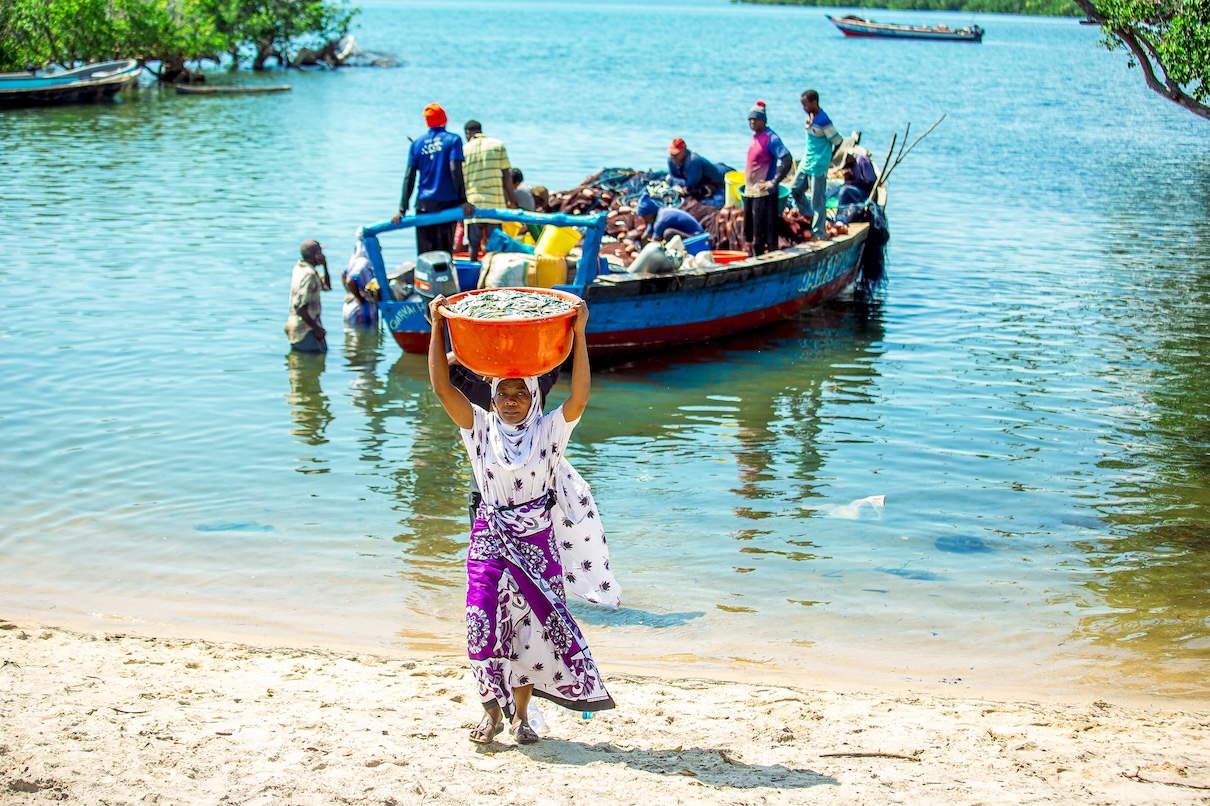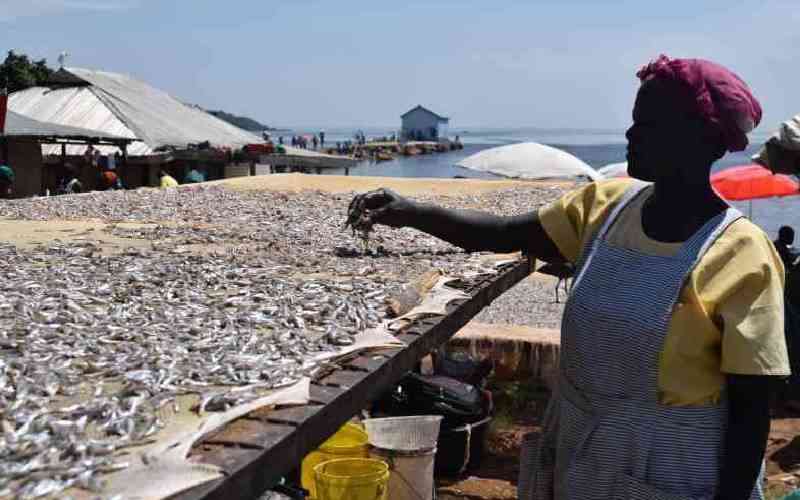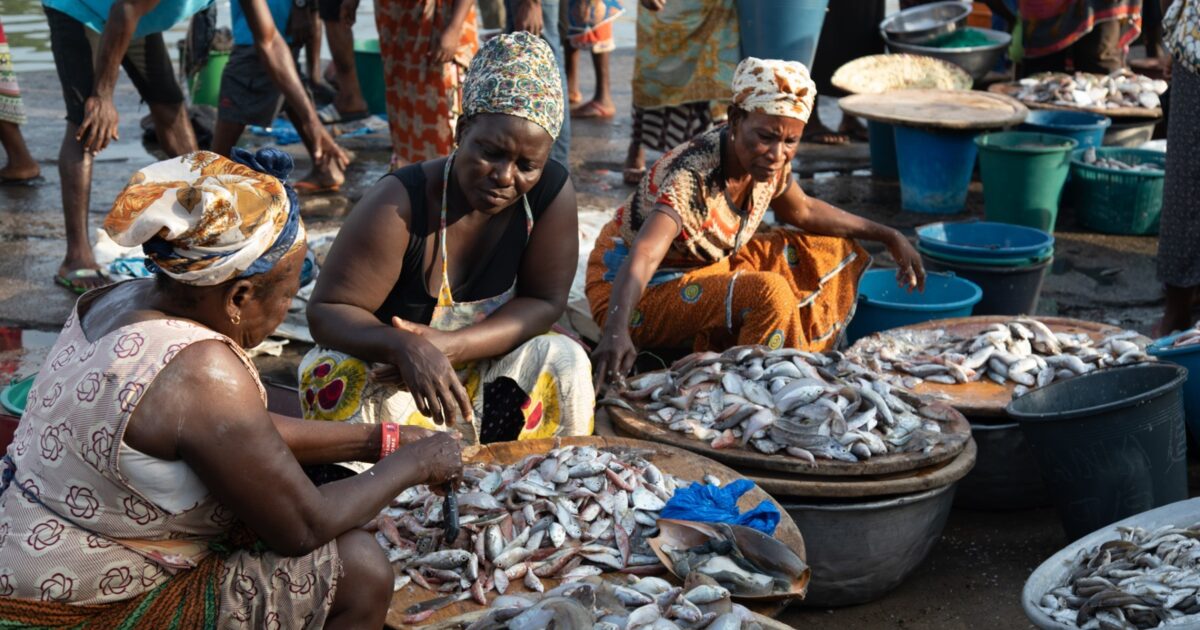
In fishing communities along Africa’s coast, women are often the backbone of household economies. They process and sell fish, support households and pay school fees, often while facing significant economic and social challenges.Hotels, ports and other developments are reshaping many African coastlines. While they can bring jobs and investment, some women working in fisheries say they are also being pushed away from traditional landing sites and areas they have depended on for generations.At a recent gathering of marine organizations in Kenya, one woman stood before the audience to share the realities faced by women fishers, fish traders and others working across the fisheries value chain.Uganda’s Lovin Kobusingye knows those realities well. Having overcome numerous obstacles of her own to become a successful entrepreneur, she now advocates on behalf of millions of women working across Africa’s fisheries value chain, many of them women whose contributions to fisheries remain largely unseen and undervalued.
Speaking at a gathering of ocean conservation groups and development practitioners in Watamu, Kenya, Lovin Kobusingye had a simple message: The women who catch, process and sell fish are still largely missing from conversations about Africa’s growing blue economy.