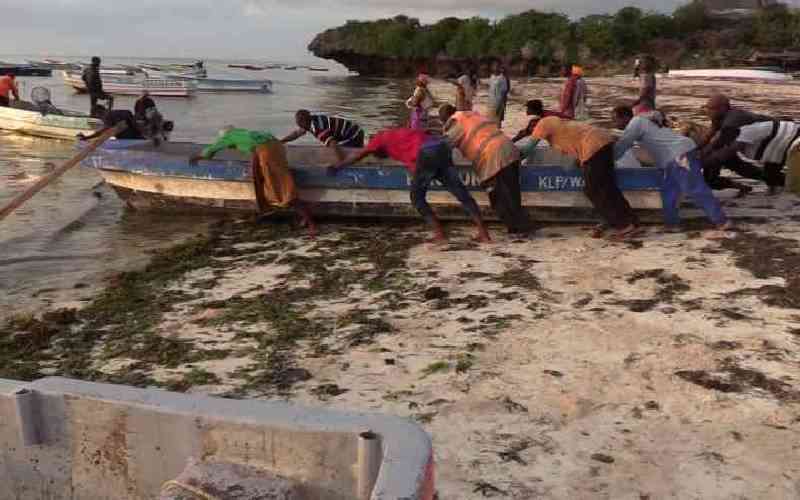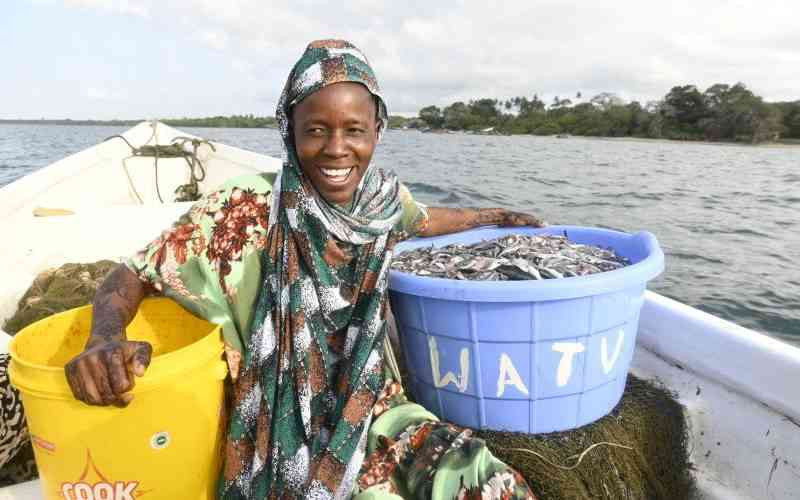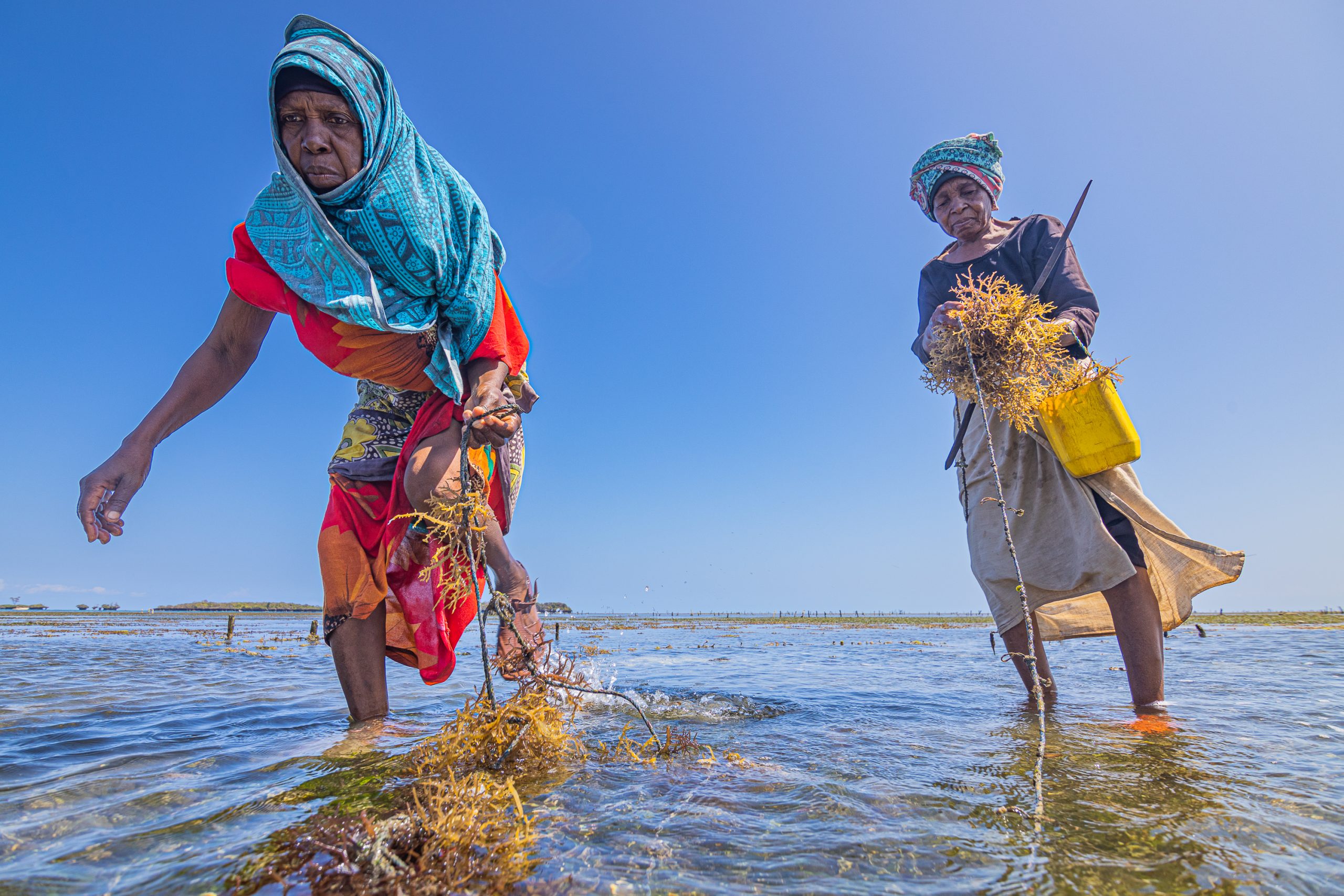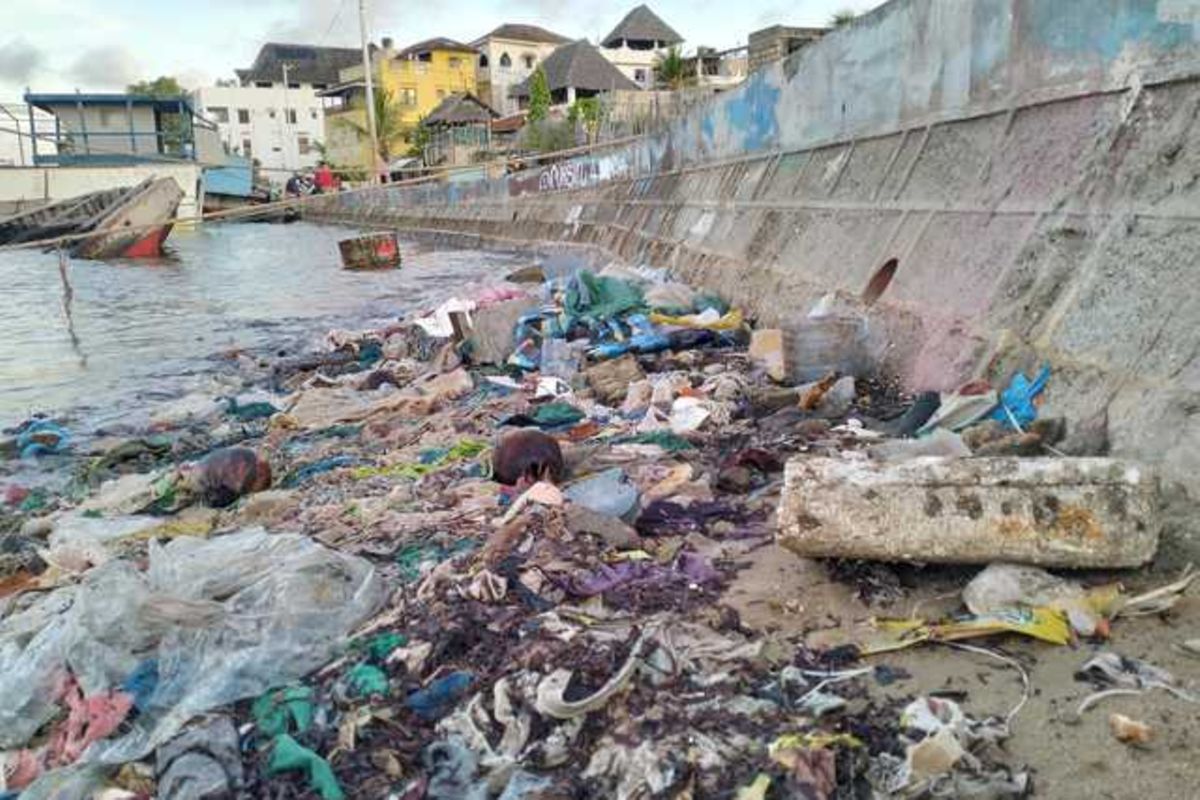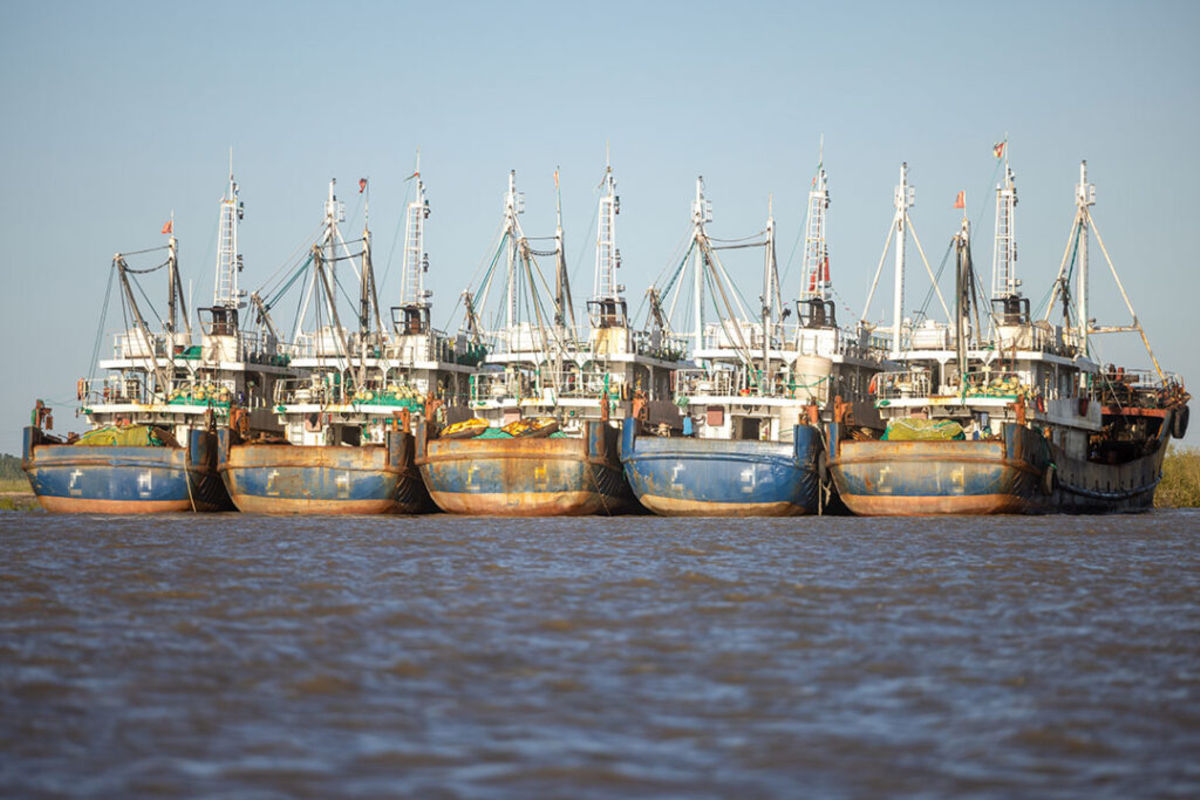
Along Kenya’s coast from Lamu up to the border with Somalia to the North, and Shimoni and the border with Tanzania to the South, the diverse communities that have called this land home for centuries have been the custodians of this stretch of the Indian Ocean, which supports marine life, and is a source of sustenance and livelihoods for men and women of all ages.
The communities, including the Bajuni and the nine groups of the Mijikenda, were holders of indigenous knowledge built and nurtured over centuries, governing a reciprocal relationship with the vibrant waters of the Indian Ocean and all they hold.
The ocean was sacred and life-giving; it fed them and offered an identity, holding sociocultural and economic significance for the communities.
They would take guidance from the council of elders regarding where to fish and where not to fish to allow stocks to regenerate.
The system was taken seriously, and the rules were strictly adhered to so as to avoid bringing curses to the community. Resource management was held as a moral obligation to the ancestors and to future generations.