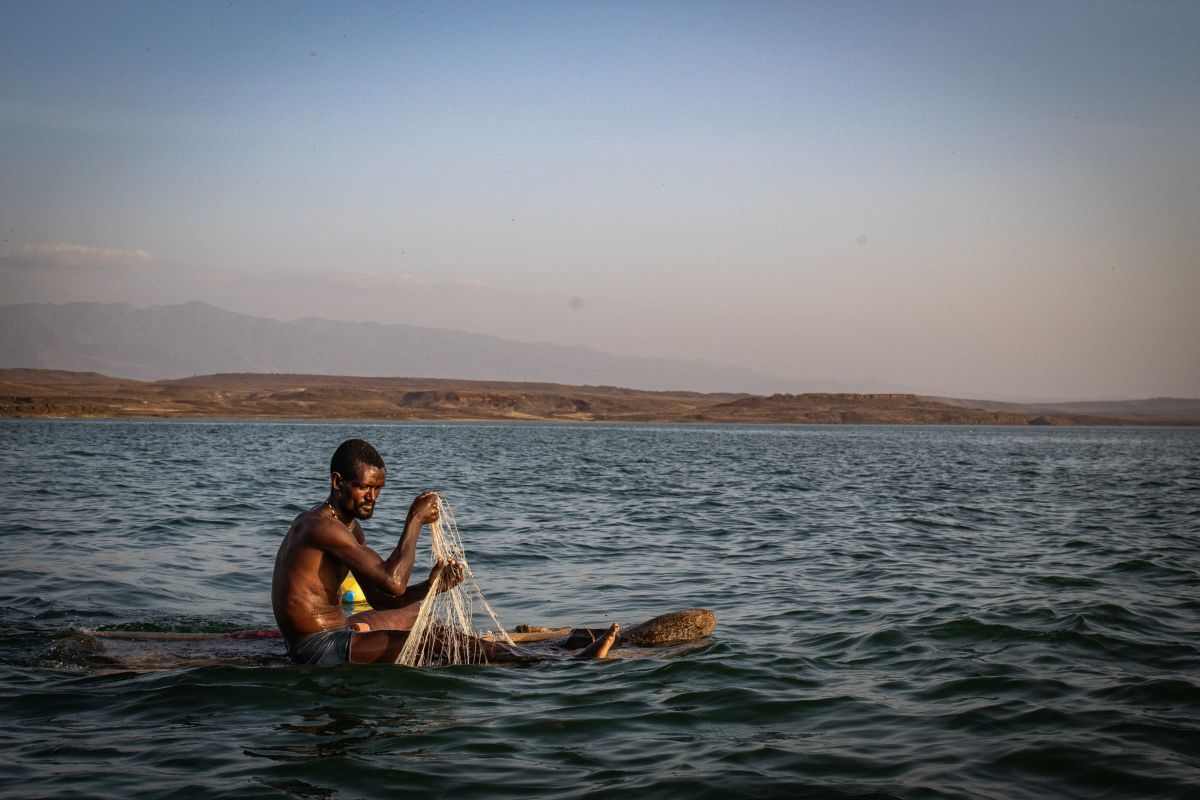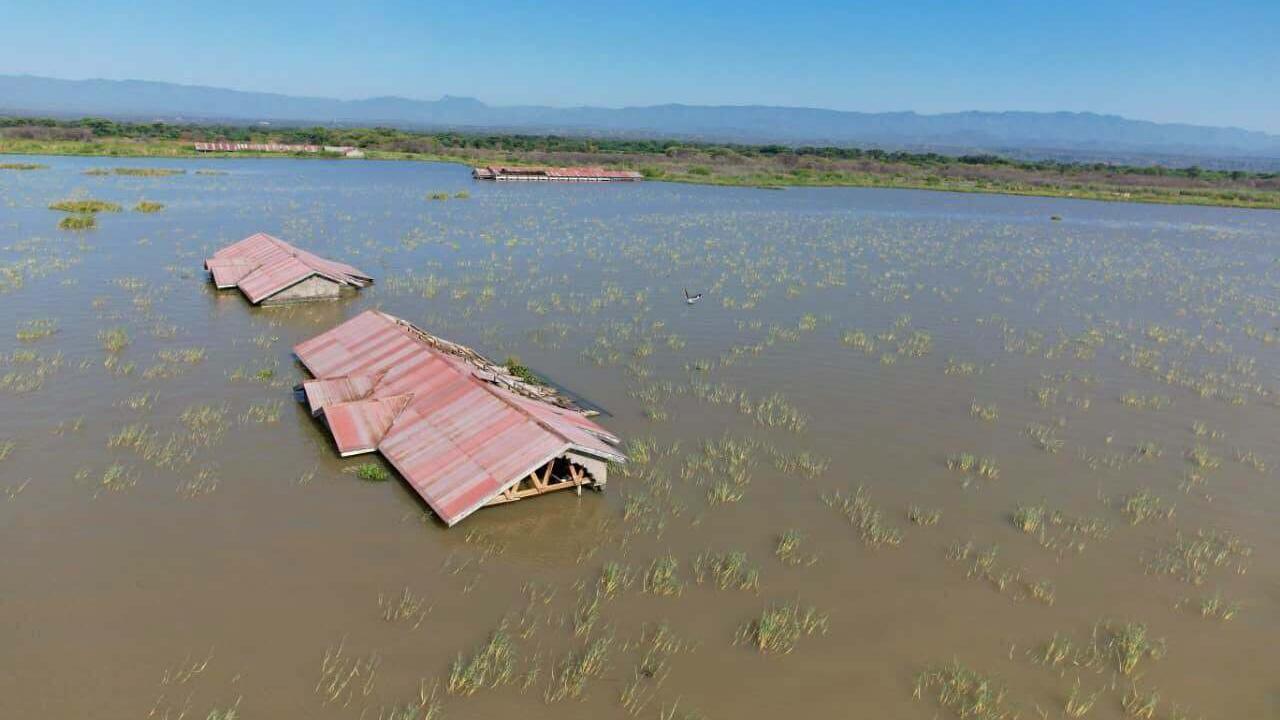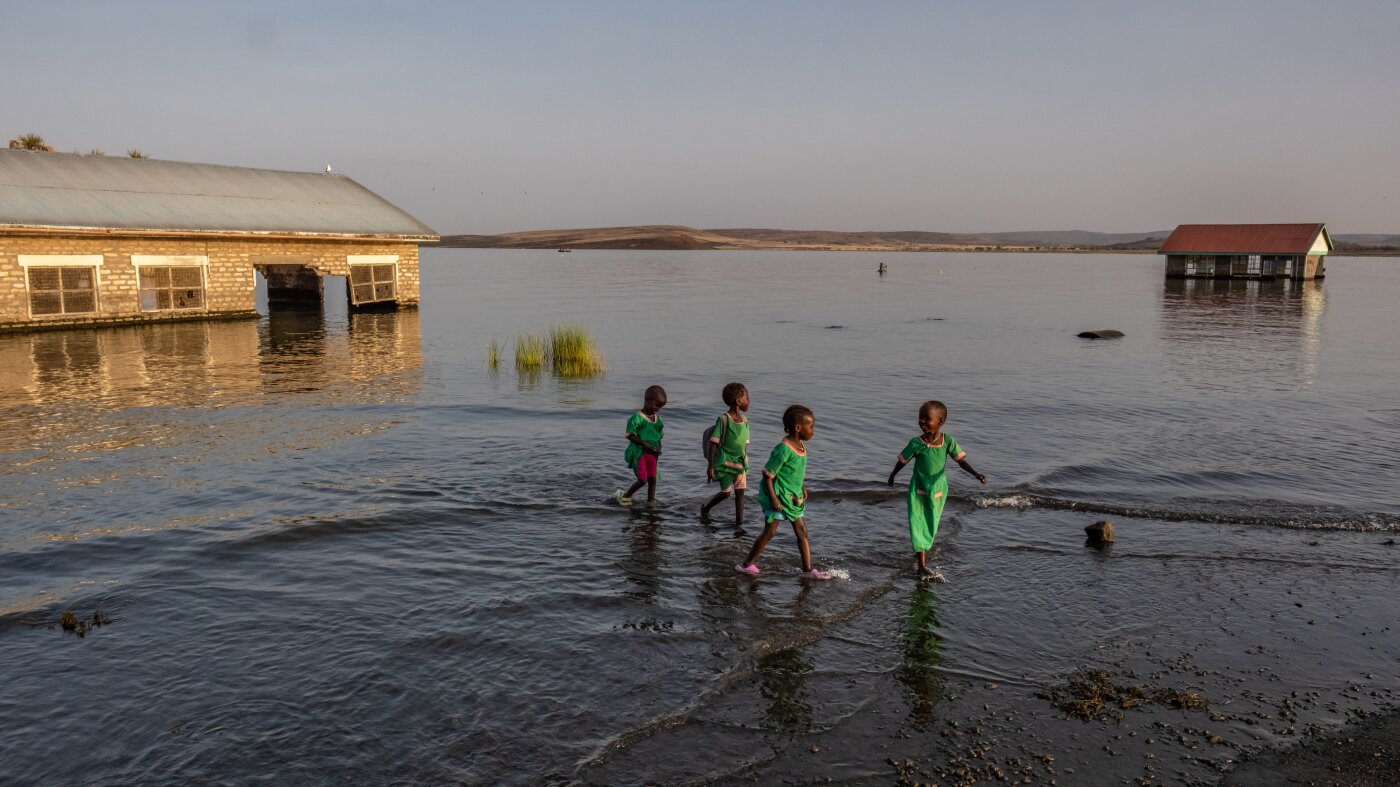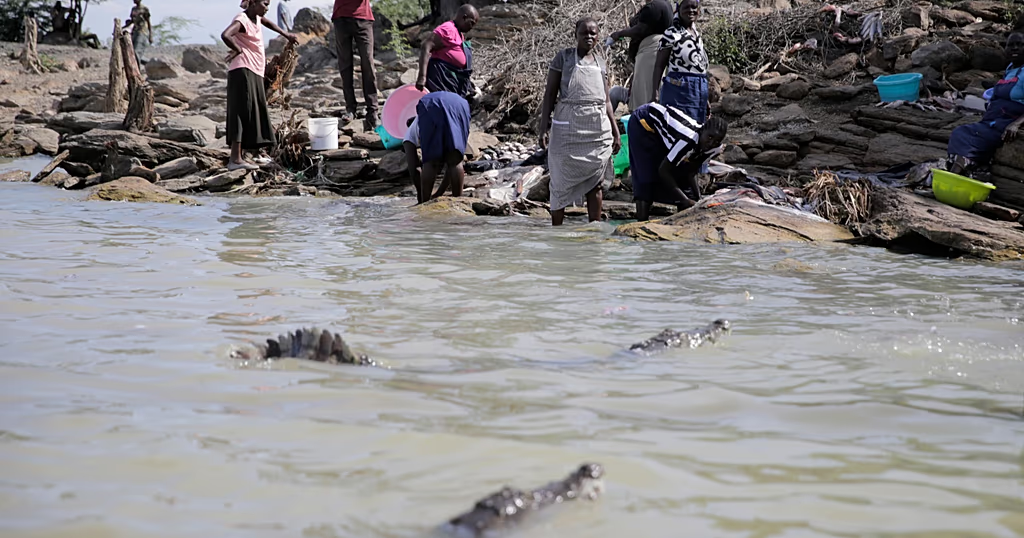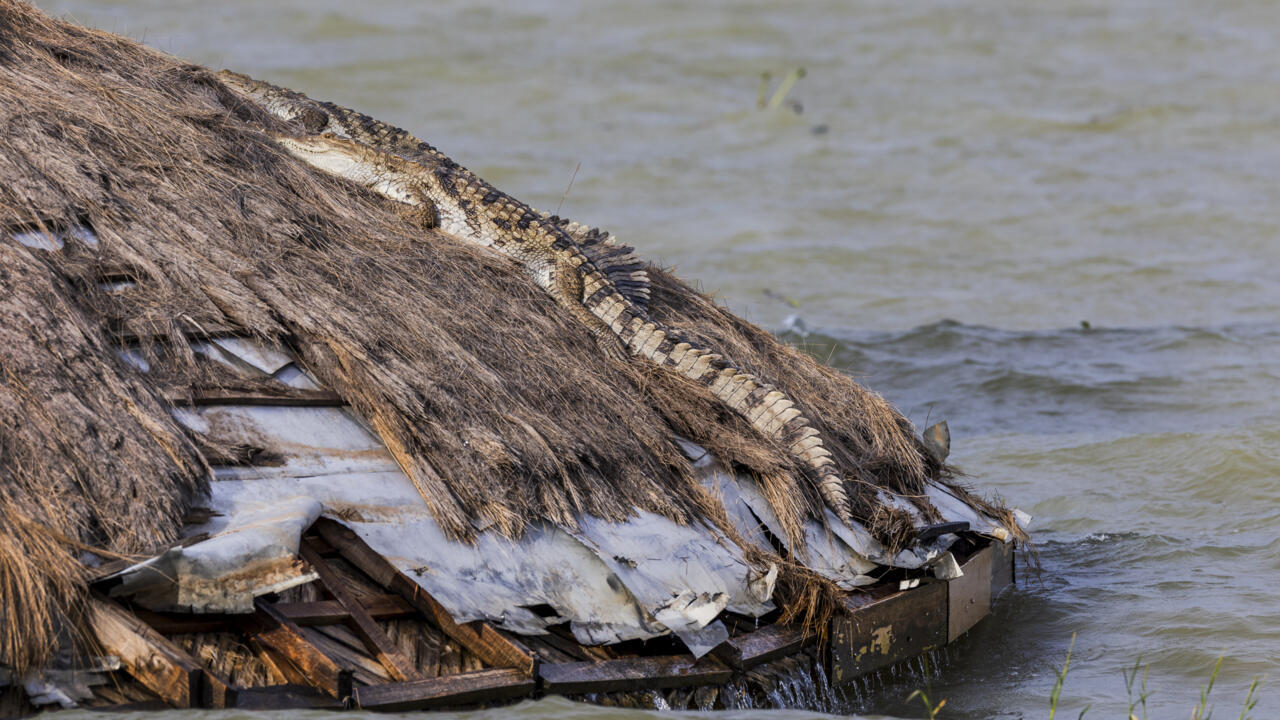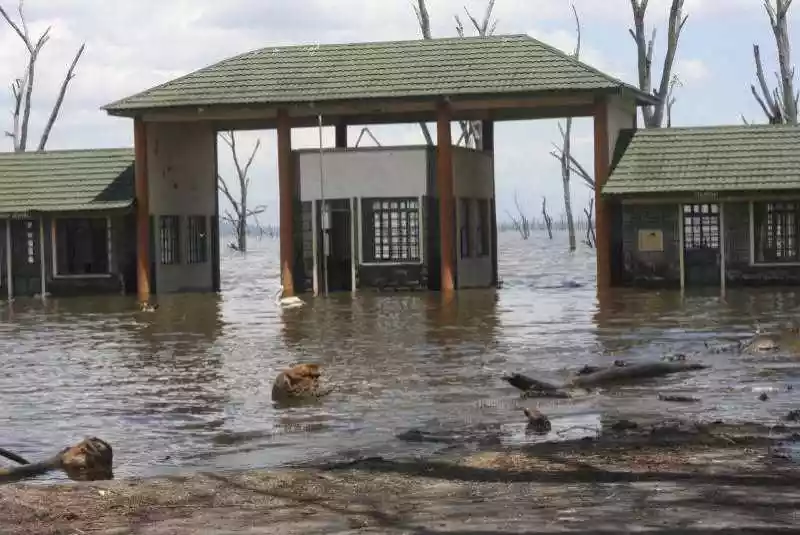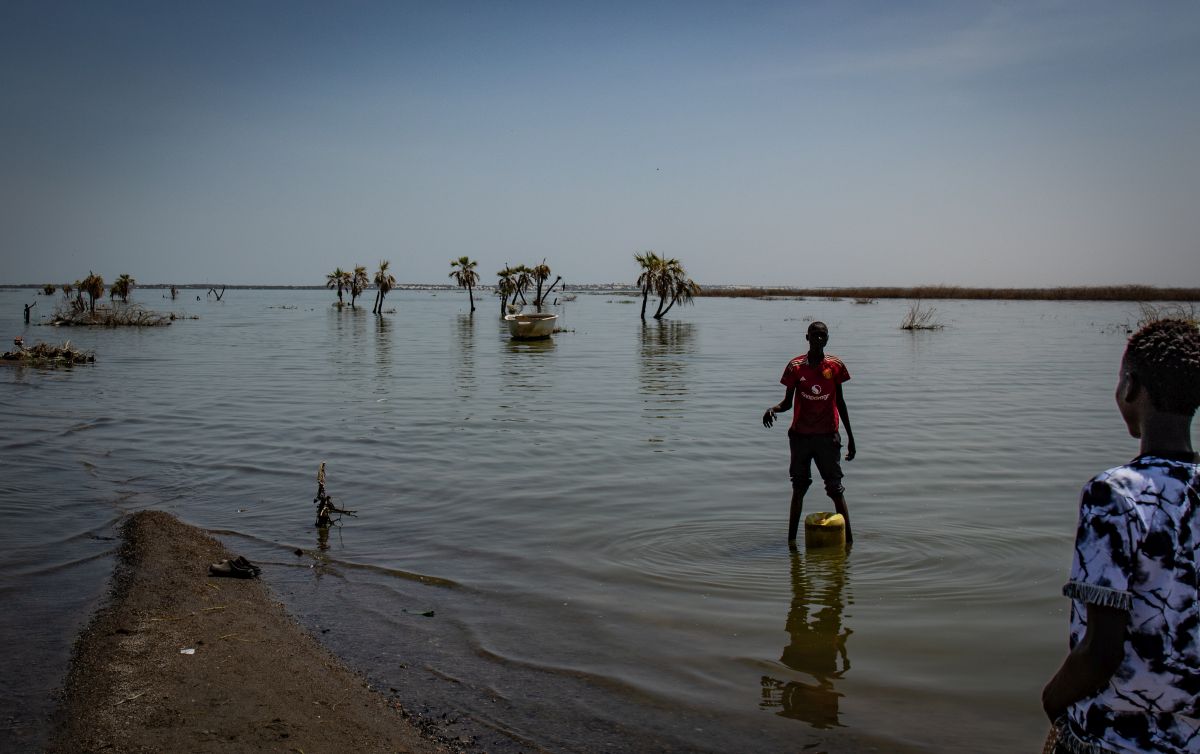
Lake Turkana in northern Kenya has risen by as much as 10 meters (33 feet) over the past 15 years, displacing communities, flooding infrastructure and reshaping fisheries in one of the country’s most climate-vulnerable regions.Scientists and local residents are still debating the causes of the lake’s expansion, with theories ranging from heavier rainfall linked to climate change, to tectonic and groundwater shifts, while researchers say Ethiopia’s Gibe III Dam upstream has also altered the lake’s ecological dynamics.Fishers around the lake say catches have declined sharply in recent years as changing water levels alter breeding grounds and fish distribution, while drought drives more pastoralists to rely on fishing for survival.Researchers and local advocates say Lake Turkana suffers from decades of poorly planned development and limited scientific monitoring, though new efforts are underway to improve data collection and guide more sustainable management of the lake and its fisheries.
KALOKOL, Kenya — Rake-thin with teeth stained a deep brown from decades of drinking untreated lake water high in fluoride, 62-year-old John Esirite sits in the shade outside the small office of Kalokol’s Beach Management Unit, or BMU, the community-run body that oversees local fisheries.