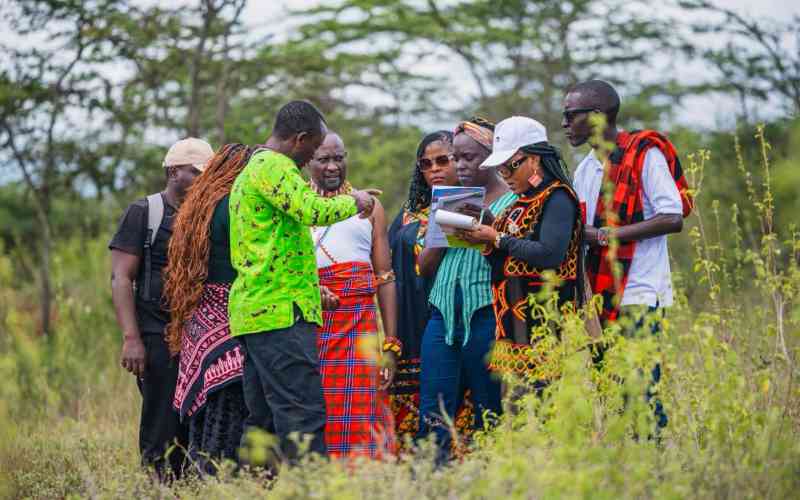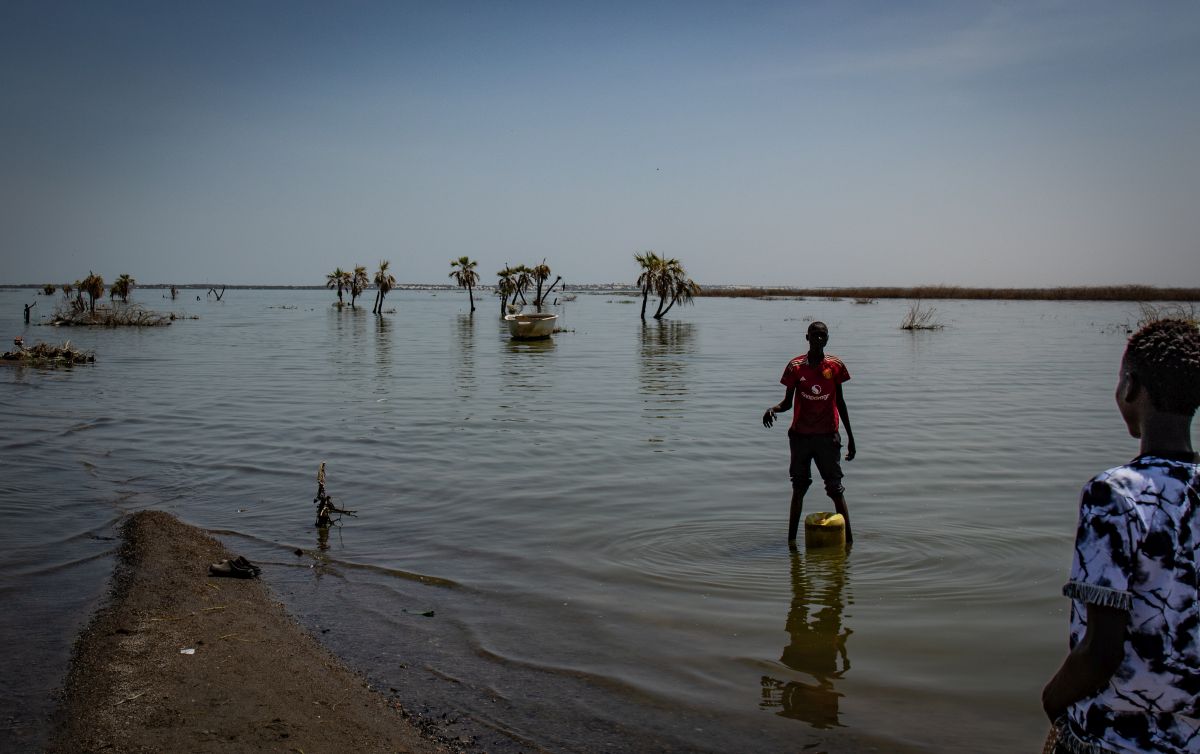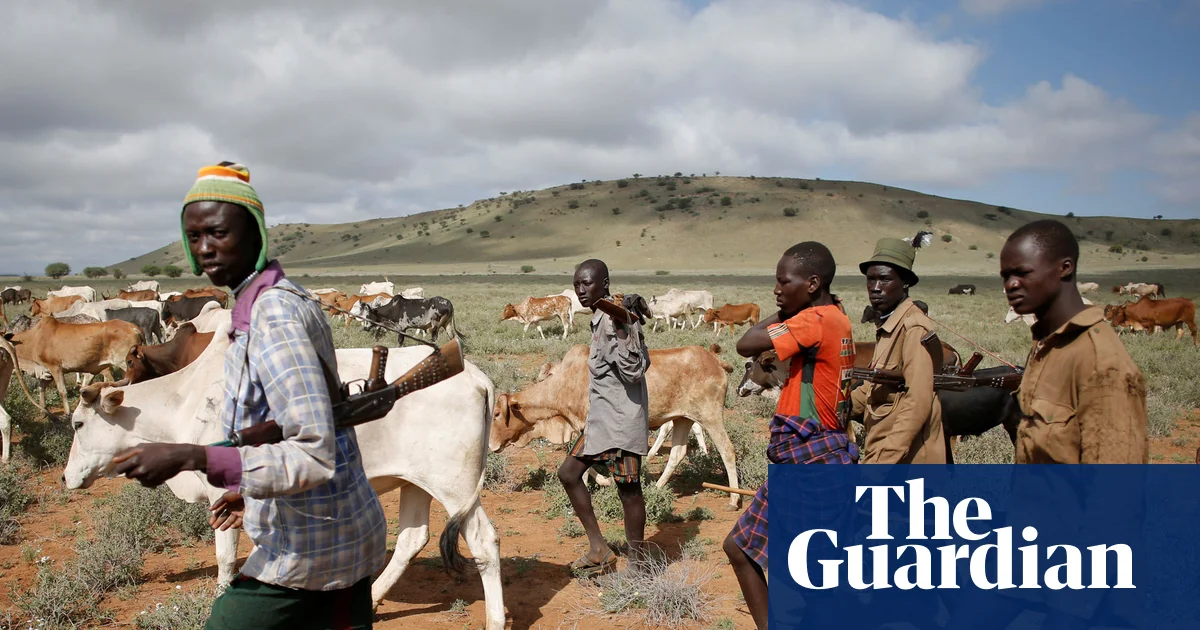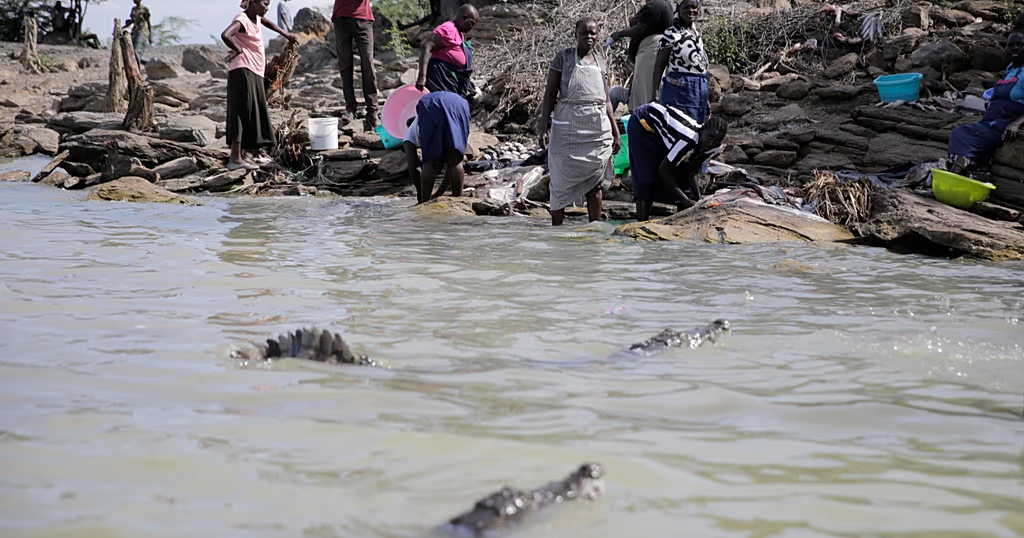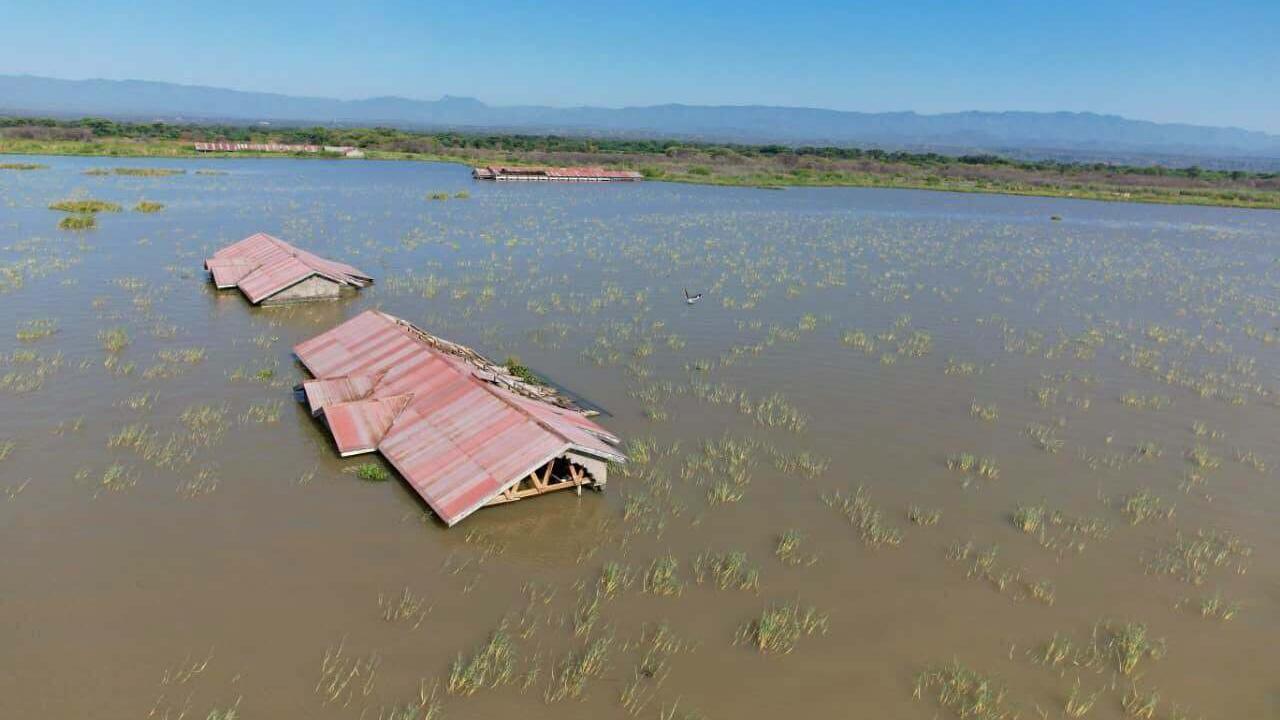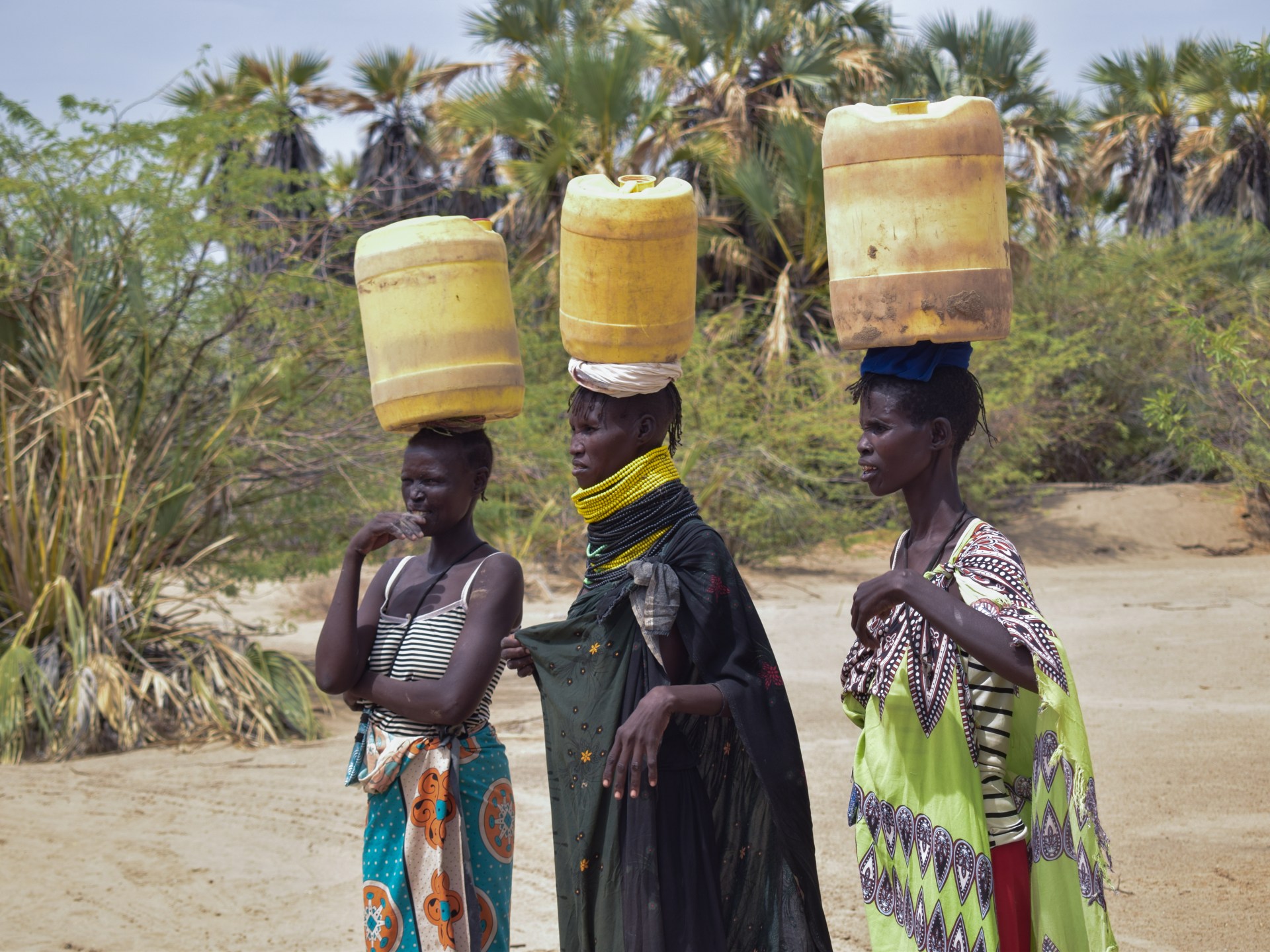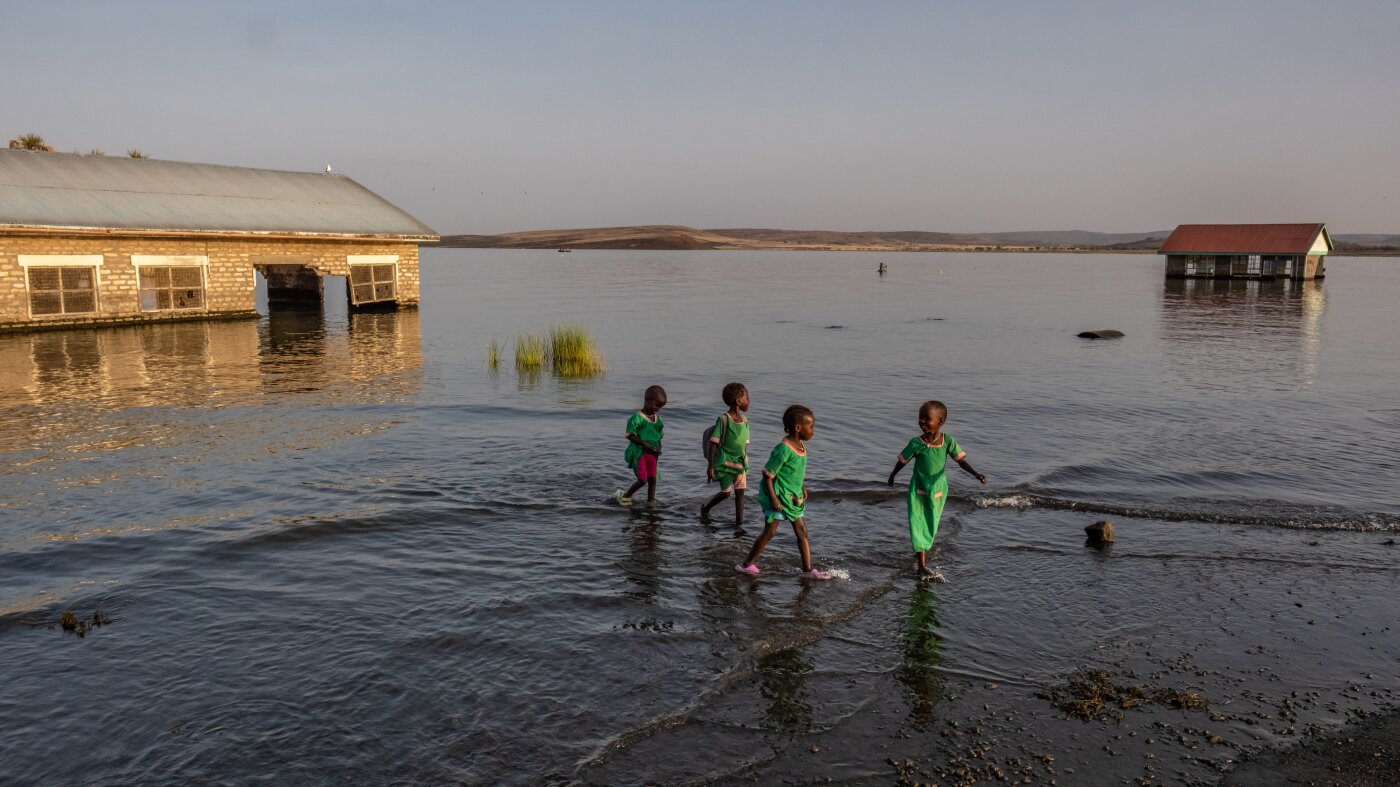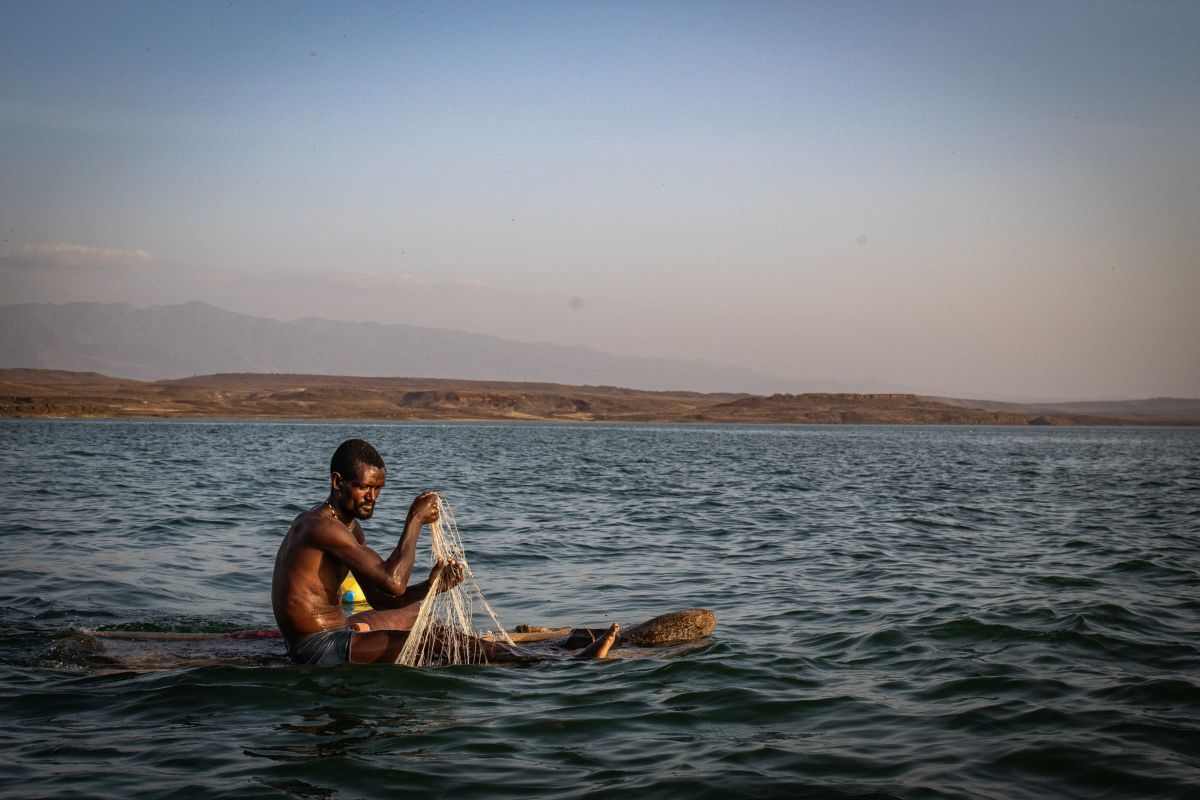
Local livelihoods around Kenya’s Lake Turkana have long shifted between pastoralism, fishing, farming and trade as people adapted to a landscape defined by fluctuation.But as the scale and intensity of erratic climate patterns, mounting pressure on its fisheries, and conflict over resources has increased, their space has shrunk.The lake has long been a place where the poorest could make a living, but as the economic value of resources here increases, there is a risk that they will be pushed out by those better placed to access infrastructure and opportunities.
Lake Turkana in northern Kenya is often portrayed as a region in perpetual crisis due to climate change. But for the Indigenous groups who have lived here for centuries, environmental change is not new. Local livelihoods have long shifted between pastoralism, fishing, farming and trade as people adapt to a landscape defined by fluctuation.
What has changed is the scale and intensity of pressures now converging on and around the lake — from increasingly erratic climate patterns and mounting strain on fisheries, to oil development, resource conflict, and the political decisions now shaping the lake’s future.
In 2008, Ikal Angelei was working as a program coordinator at the Turkana Basin Institute, a pioneering research center focused on human origins and the environment, when she first heard from visiting scientists about a huge hydroelectric dam being built across the border in Ethiopia.