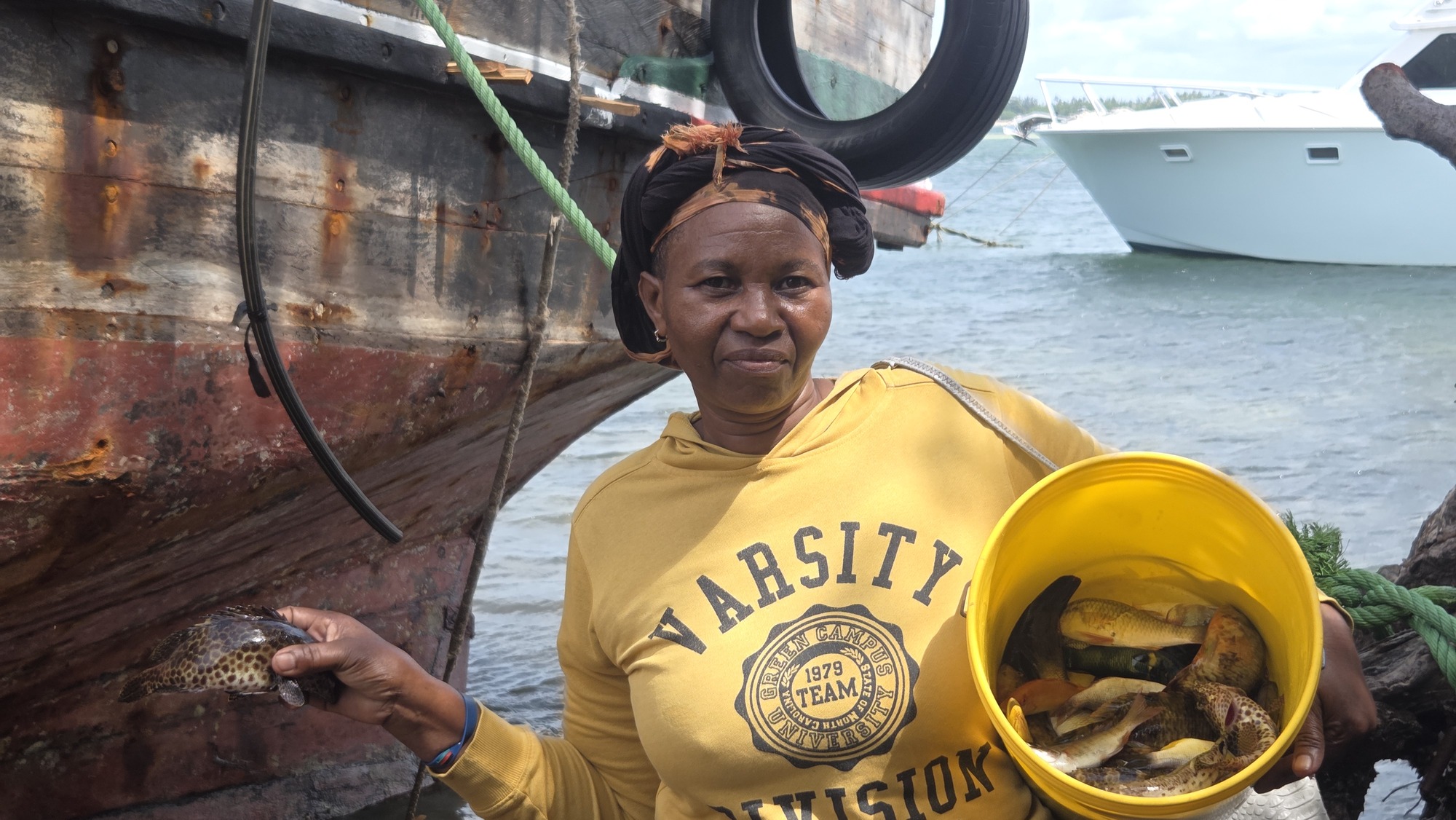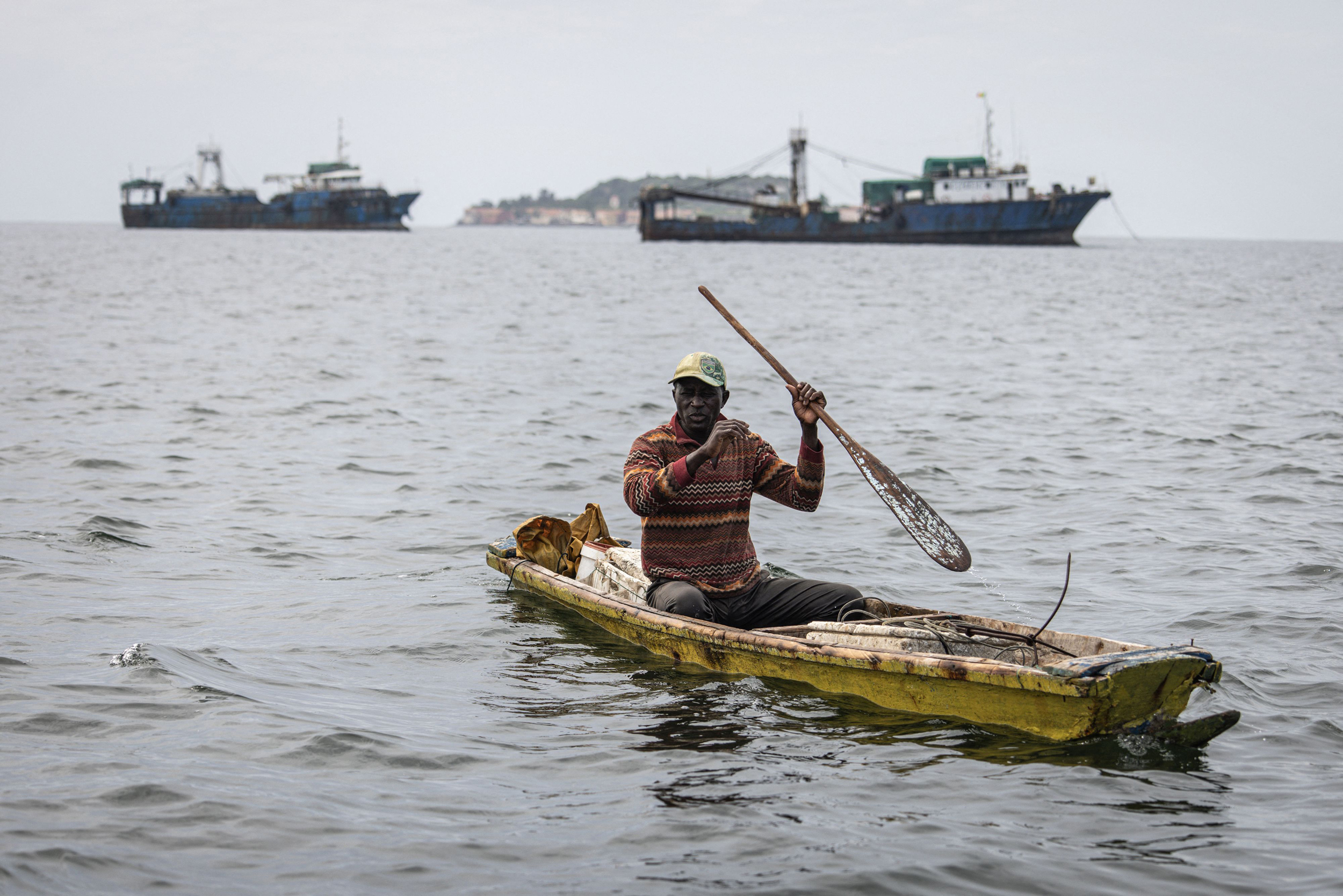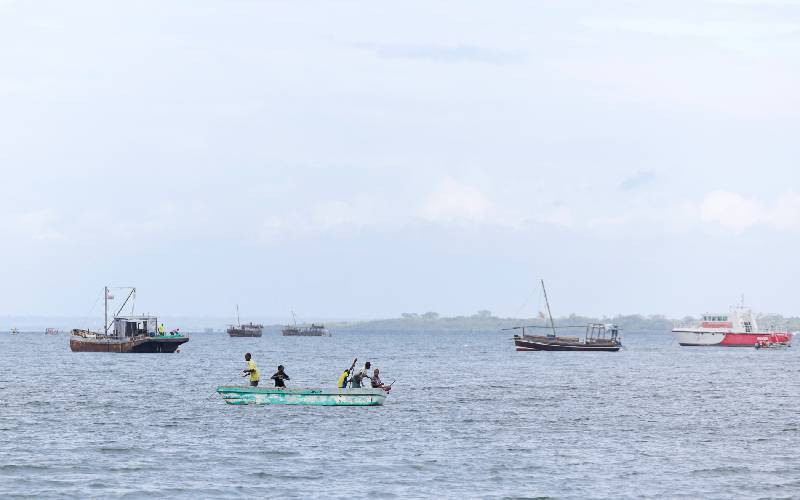
In Kenya, fishers are experiencing increased competition for dwindling catches. A lack of data is stymying their decision-making about where and when to fish as well as the governments’ decision-making about how to manage fishing in the country, experts say.A new project aims to improve the collection of fisheries data, harmonize them and make them accessible to fishers and the government alike.It involves beefed-up data collection methods, the installation of trackers on fishing vessels and a centralized database and digital platform.The initiative is modeled around a program in Timor-Leste that began in 2016 and now serves as the country’s national fisheries monitoring system.
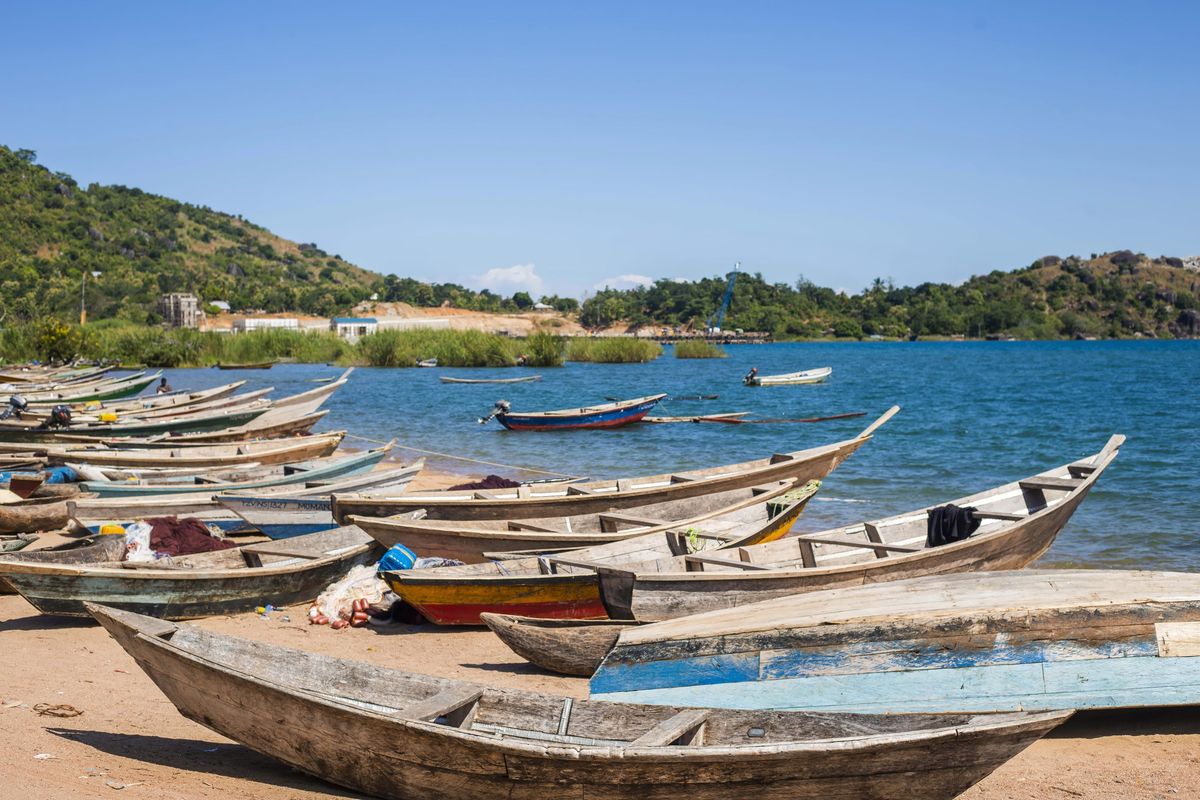
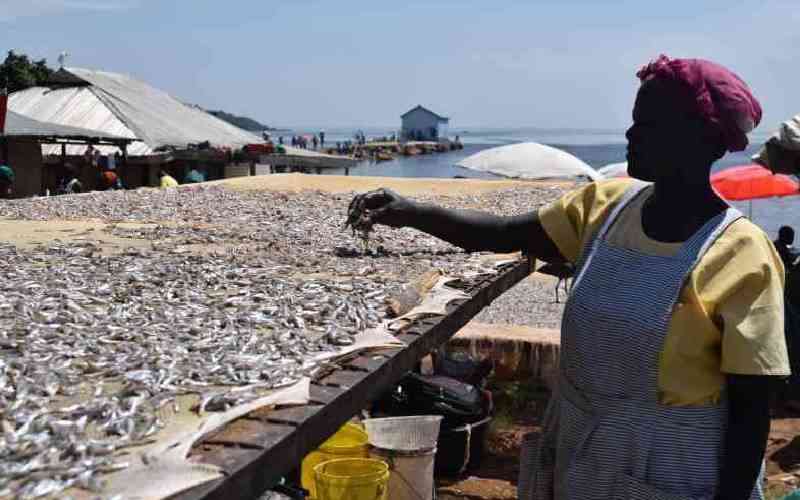
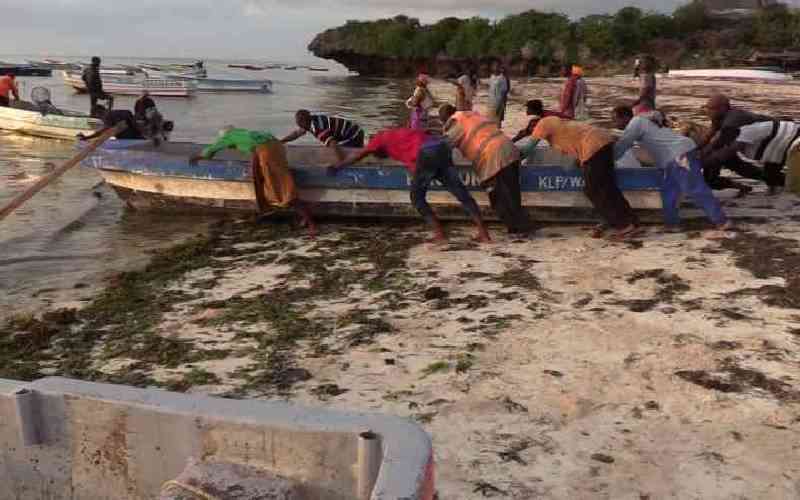
MTWAPA, Kenya — On a mid-morning in March, Mohamed Mwazigona, 58, had just landed a measly catch on the town beach in Mtwapa on Kenya’s north coast. His crew was preparing the boat for a second trip into the sea with hopes of better luck.
As traders started trickling in to buy fish, Mwazigona sat on a broken upturned boat staring at the horizon beyond the sea. His morning trip had netted only 2 kilograms (4.4 pounds) of fish. He worried that his catches had decreased a lot in recent years.
“The number of fishermen has gone up; we have become too many,” he said. That’s the reason he left his village of Shariani, 40 kilometers (25 miles) to the north, to base his fishing in Mtwapa, which he felt had fewer fishers and better access to markets.