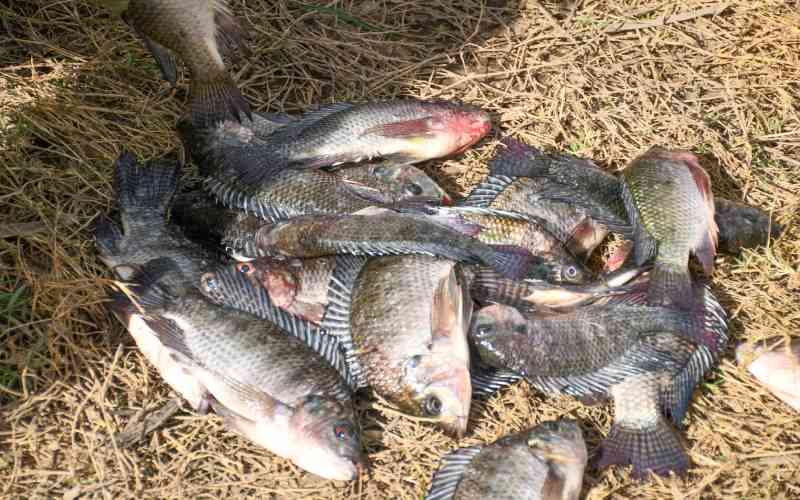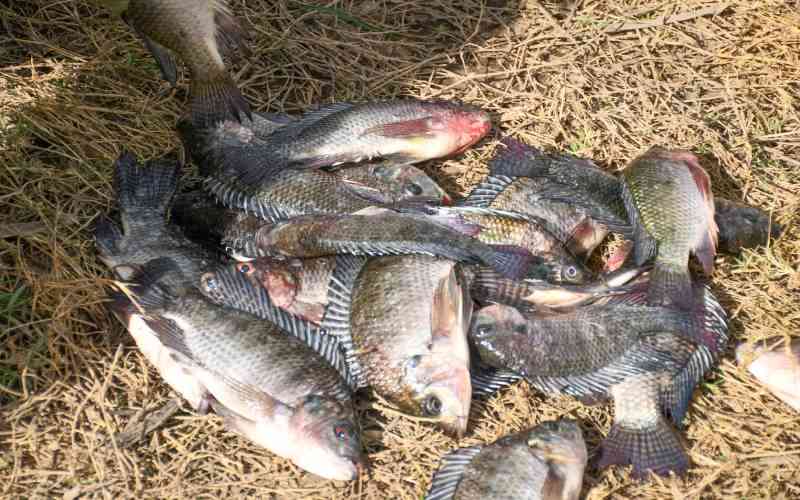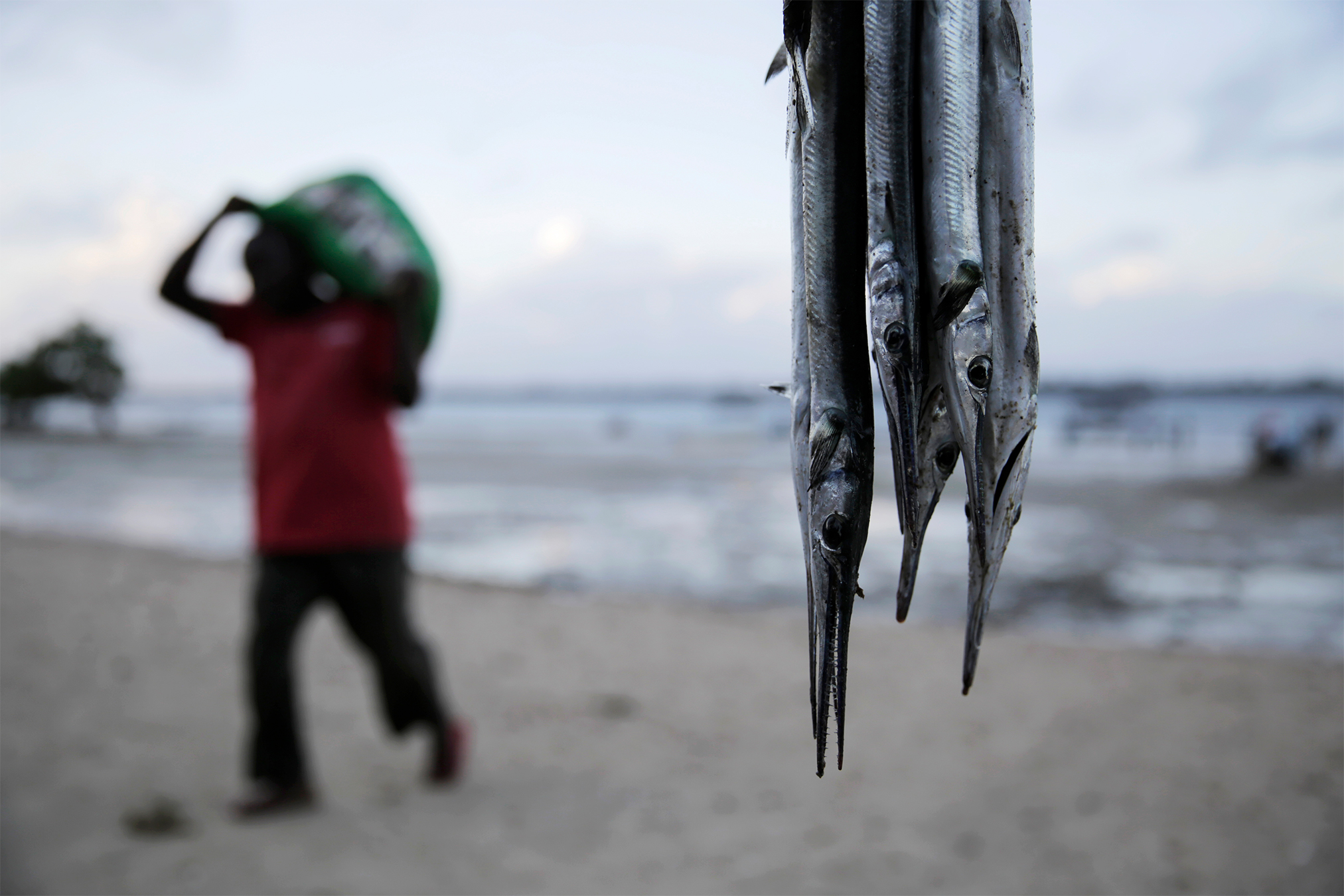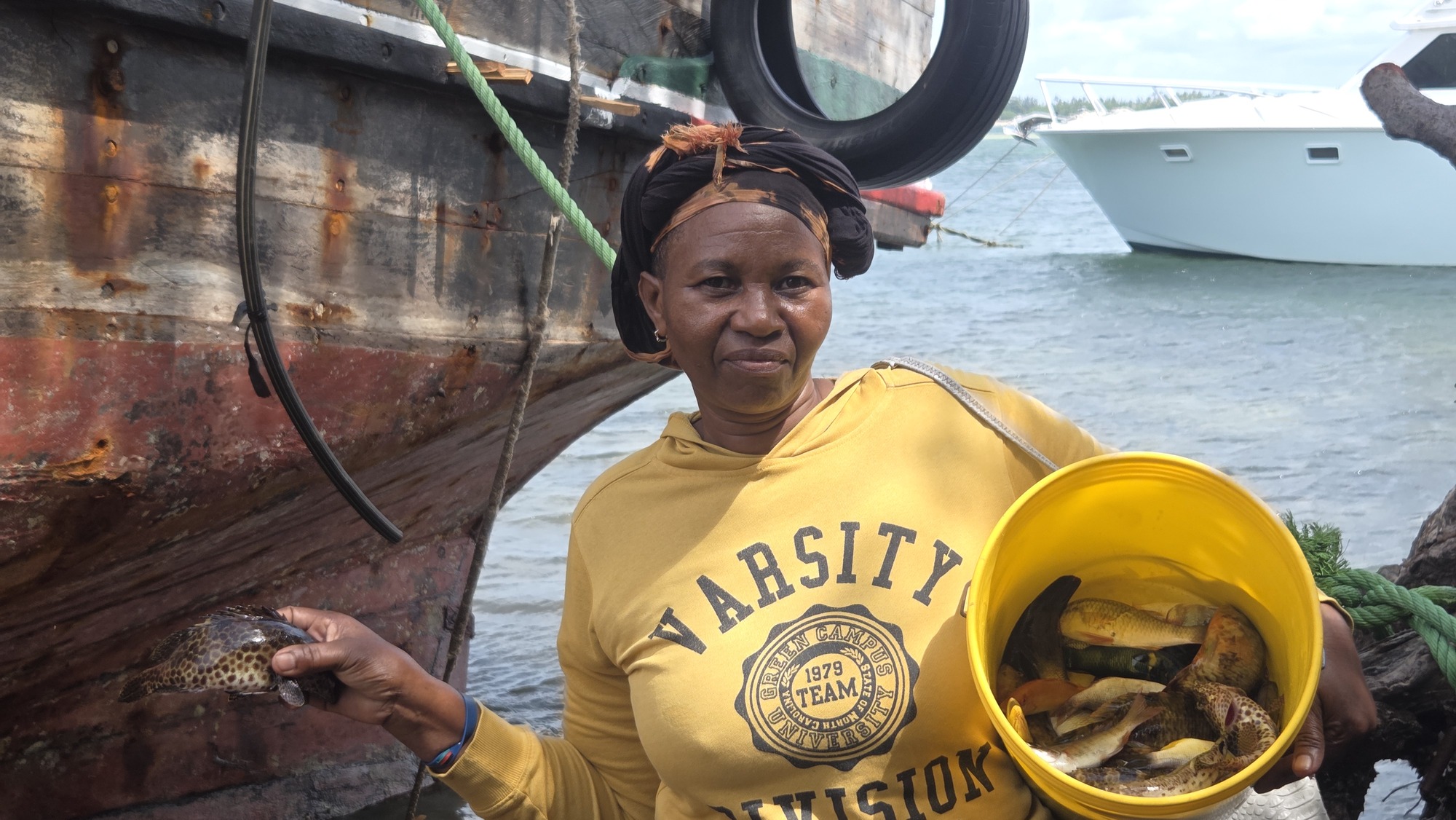
Scientists say that the oceans are warming and absorbing more than 90% of the excess heat trapped by greenhouse gases in the atmosphere. These rising temperatures are placing growing stress on marine ecosystems, fueling coral bleaching, disrupting breeding cycles of marine organisms, and reshaping fish habitats.In the Western Indian Ocean – including along Kenya’s coast – warming is occurring faster than the global average in some places, raising fresh concerns for communities whose food security and livelihoods depend on the sea.Along the shores of Mida Creek in Watamu, one of Kenya’s best-known coastal destinations on Kenya’s Indian Ocean coast, fishers say they are already feeling the effects. Many report traveling farther offshore in search of fish and returning with smaller catches than they did a generation ago.During a recent reporting trip, Mongabay met fishers and women involved in the fish value chain who spoke about declining catches and fears for the future. At the same time, they pointed to local efforts to restore mangroves, protect fish breeding grounds, and clean beaches as reasons to hold on to hope for Mida Creek’s future.
WATAMU, Kenya — By midday, the fish still hadn’t arrived. Since 8 a.m., Alice Kazungu had been sitting at the Mida Creek landing site on Kenya’s Indian Ocean coast, waiting for fishers to return from the water. Hours later, she was still waiting.