Audio By Vocalize
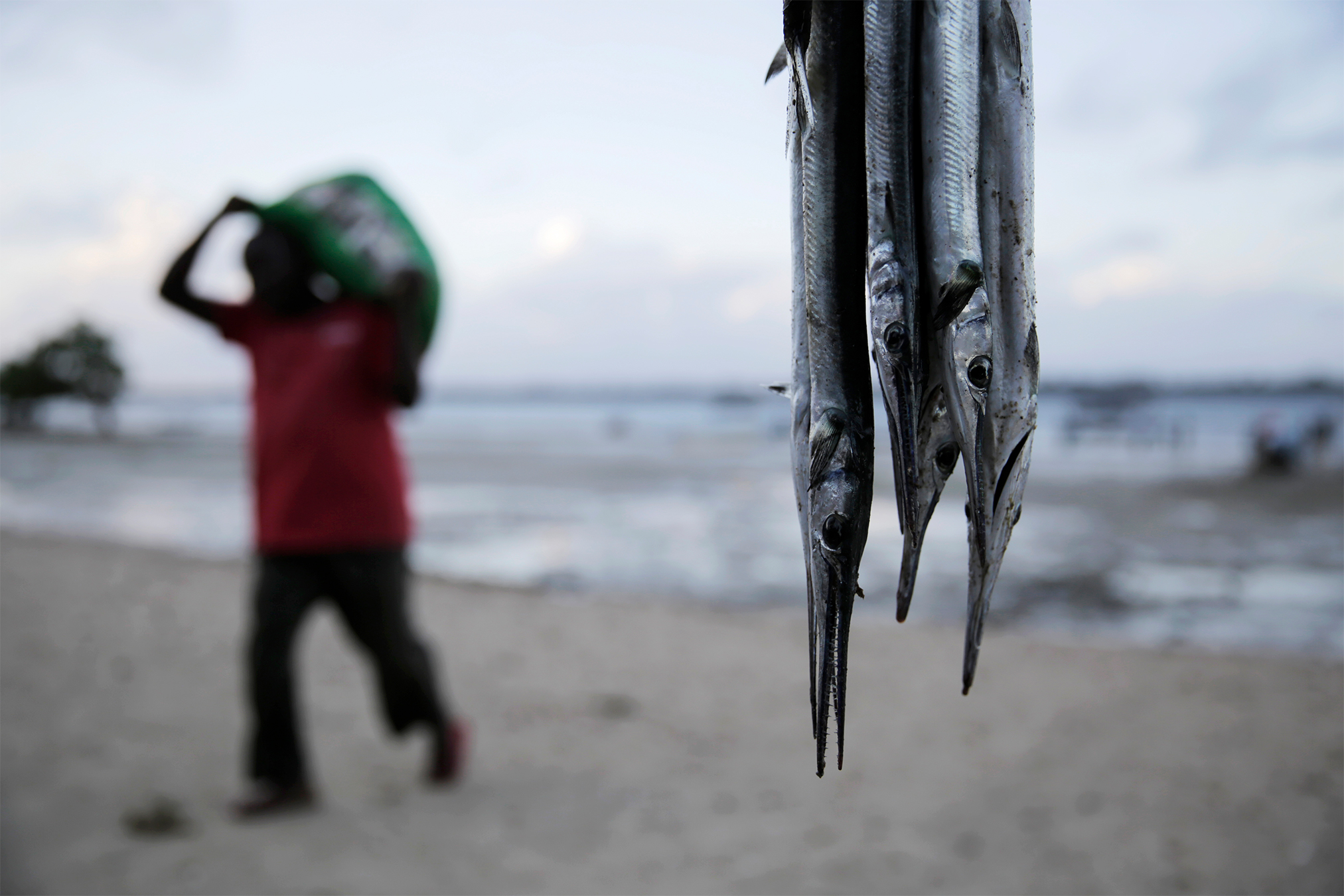
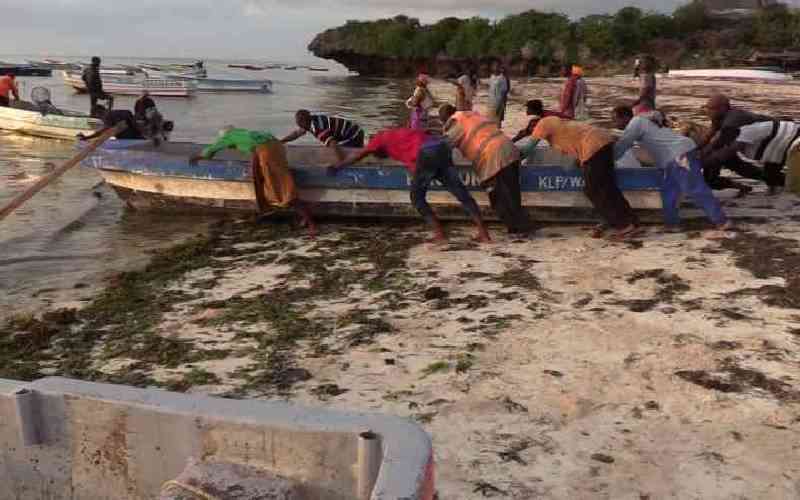
Fishermen prepare their boats to go fishing in the Indian Ocean at Mayungu beach in Kilifi North Sub County. [File, Standard]
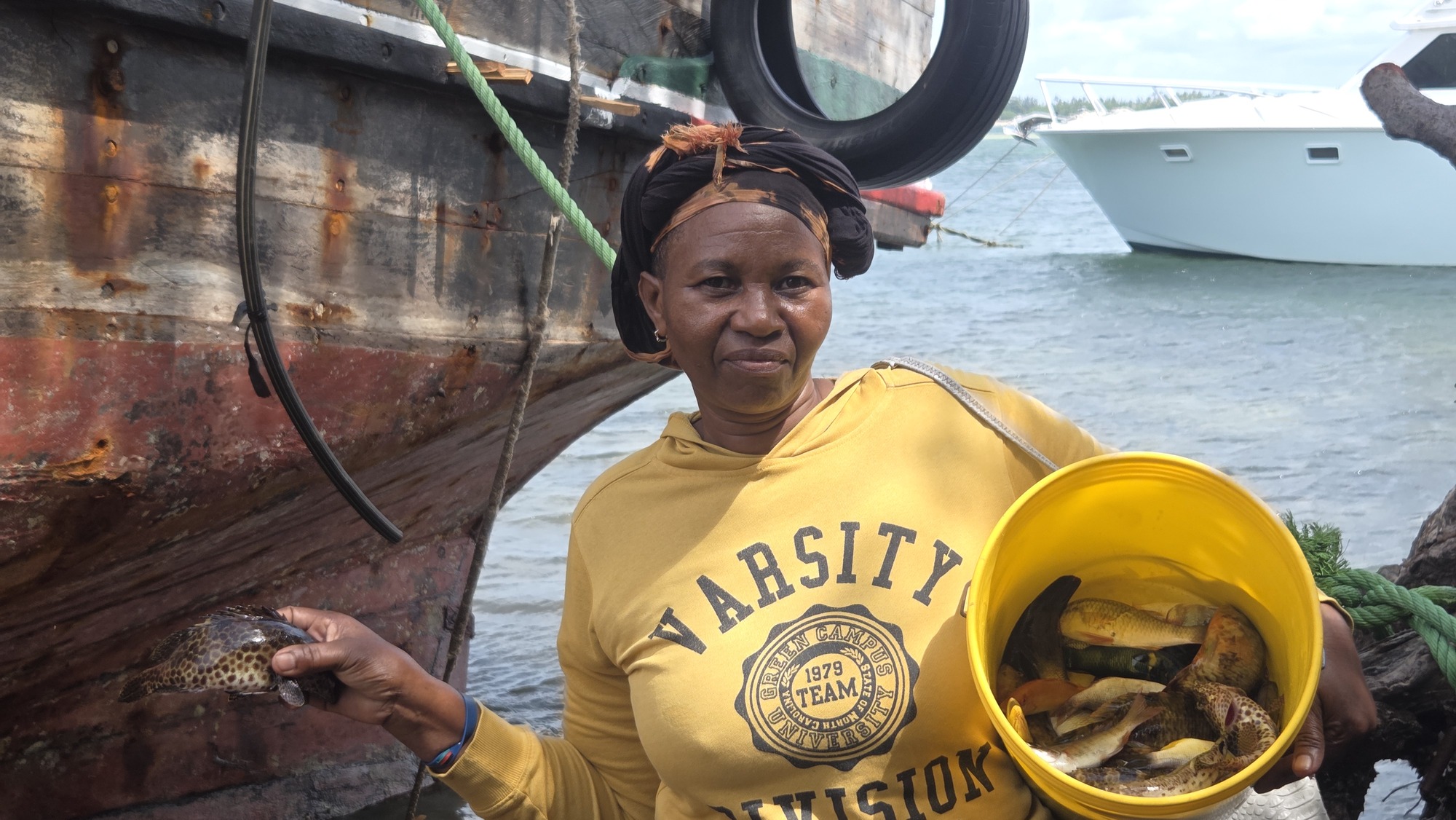
Whenever I stand at the edge of the Indian Ocean — at Vanga, at Shimoni, at Lamu, at any of the villages along Kenya’s 536 kilometres of coastline — I am reminded of something the late Prof Wangari Maathai understood deeply about forests: that people who depend on something for their lives understand it far better than people who only study it. She was right about forests. I believe the same truth holds at sea. The fishermen at Watamu who know the reef by name, who can read the colour of water the way others read weather forecasts —this is knowledge that took generations to build. It does not appear in policy briefs.
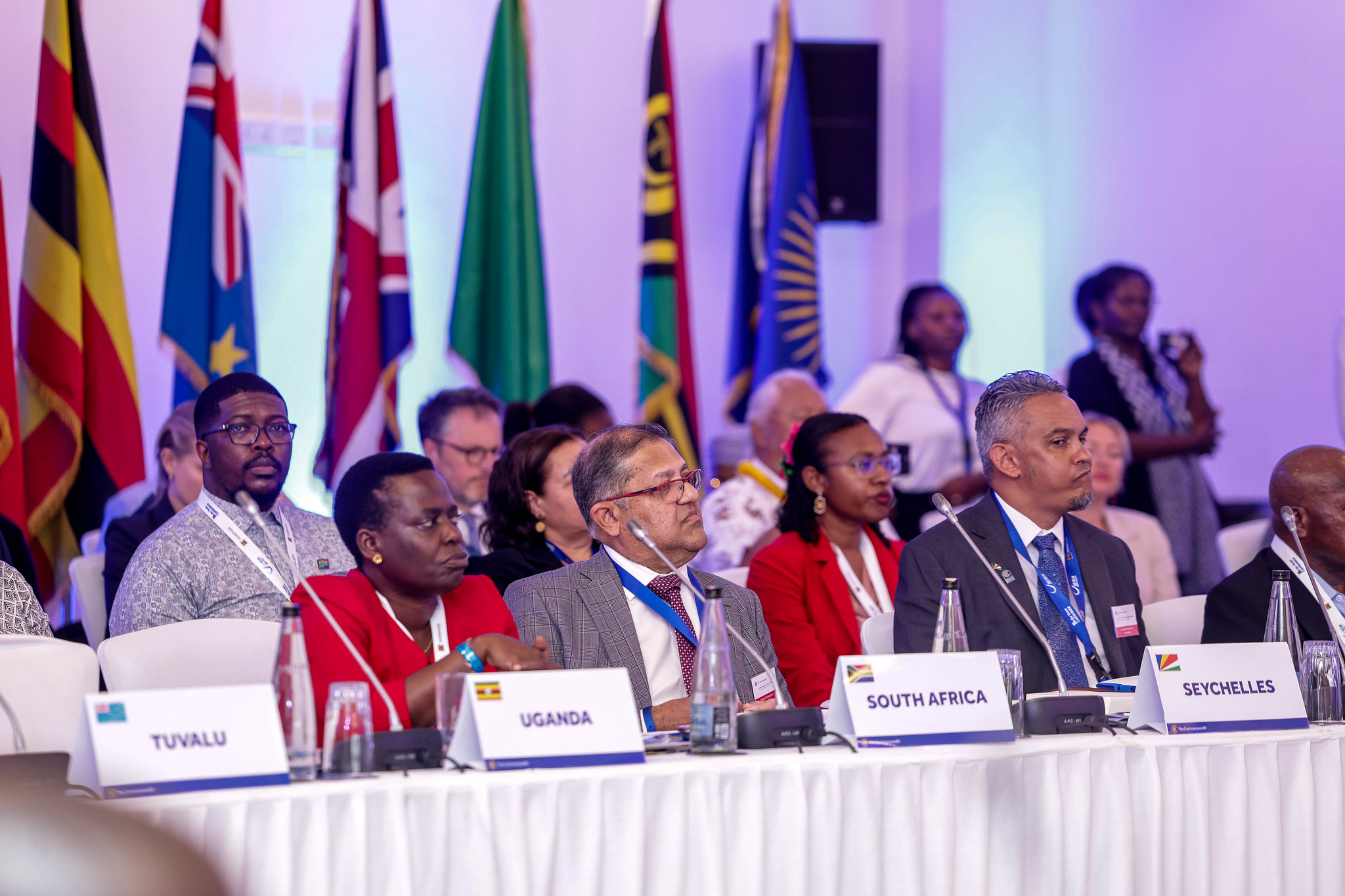
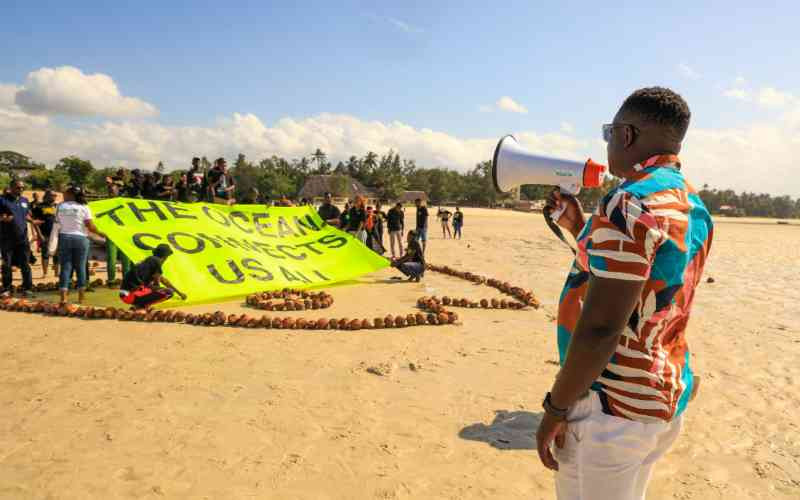
Next week, Mombasa hosts the 11th Our Ocean Conference. Those of us who work with coastal communities on this continent know that this is not an ordinary conferencing circuit occasion. It carries a pressing question: will the people who have managed these waters for centuries be at the table as decision-makers, or will they again be brought in at the end to validate decisions already made? We have been here before. We know how this usually goes.