Audio By Vocalize
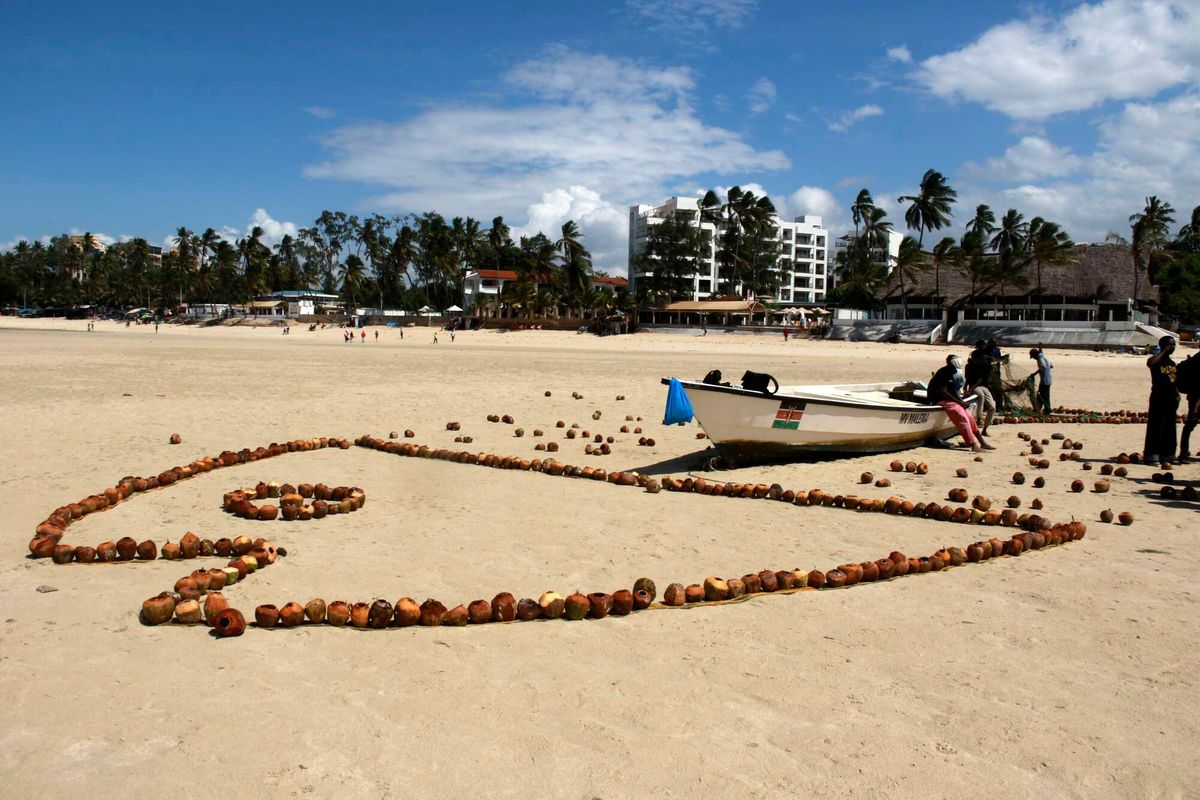
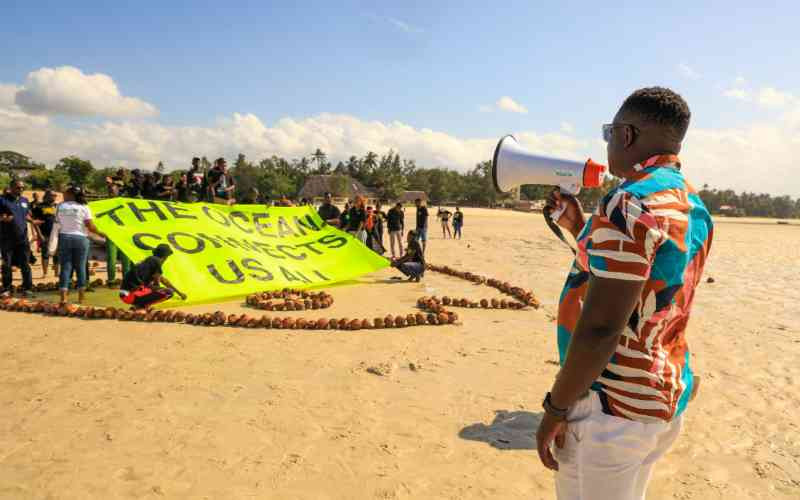
Local residents, activists, members of Greenpeace Africa, and advocates for ocean justice gather on the beach as part of the 11th Ocean Conference in Mombasa, Kenya on June 15, 2026. [AFP]
For centuries, communities along Africa’s eastern coast have understood what today’s global policymakers are only now beginning to grasp: the ocean is more than just a vast space; it is the veritable lifeblood of economies, livelihoods and cultures.
So many African nations are built around the movement of people, goods and ideas across the Indian Ocean. If that was true then, it is even truer today.
Indeed, today, Africa’s ocean economy is at a turning point. Fisheries and aquaculture already contribute an estimated $24 billion annually to the continent’s economy with demand for fish expected to rise sharply in the lead up to 2030. More broadly, Africa’s blue economy is estimated to be worth some $300 billion.