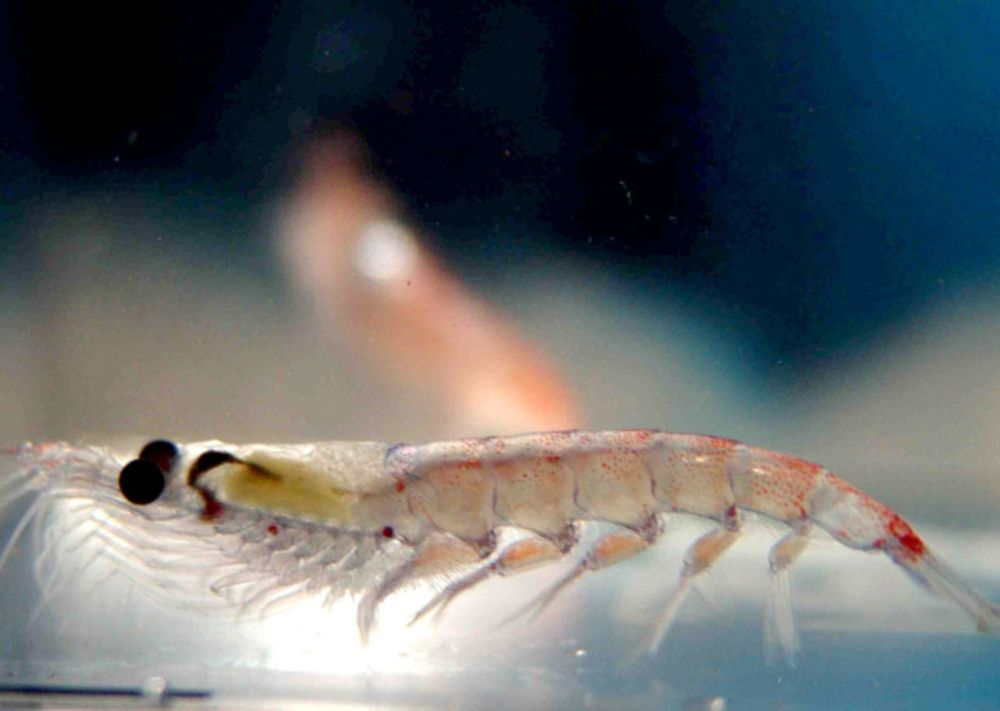
The Antarctic krill is one of the most abundant creatures on Earth, but industrial fishing threatens both the krill population and the broader marine environment.
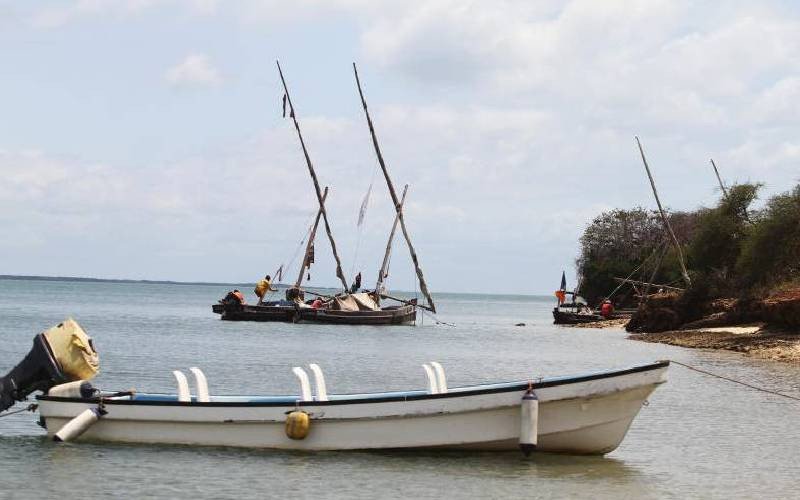
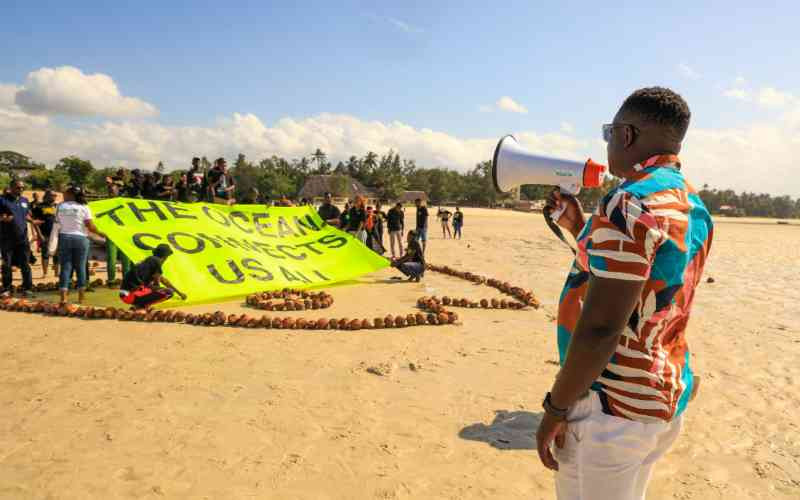
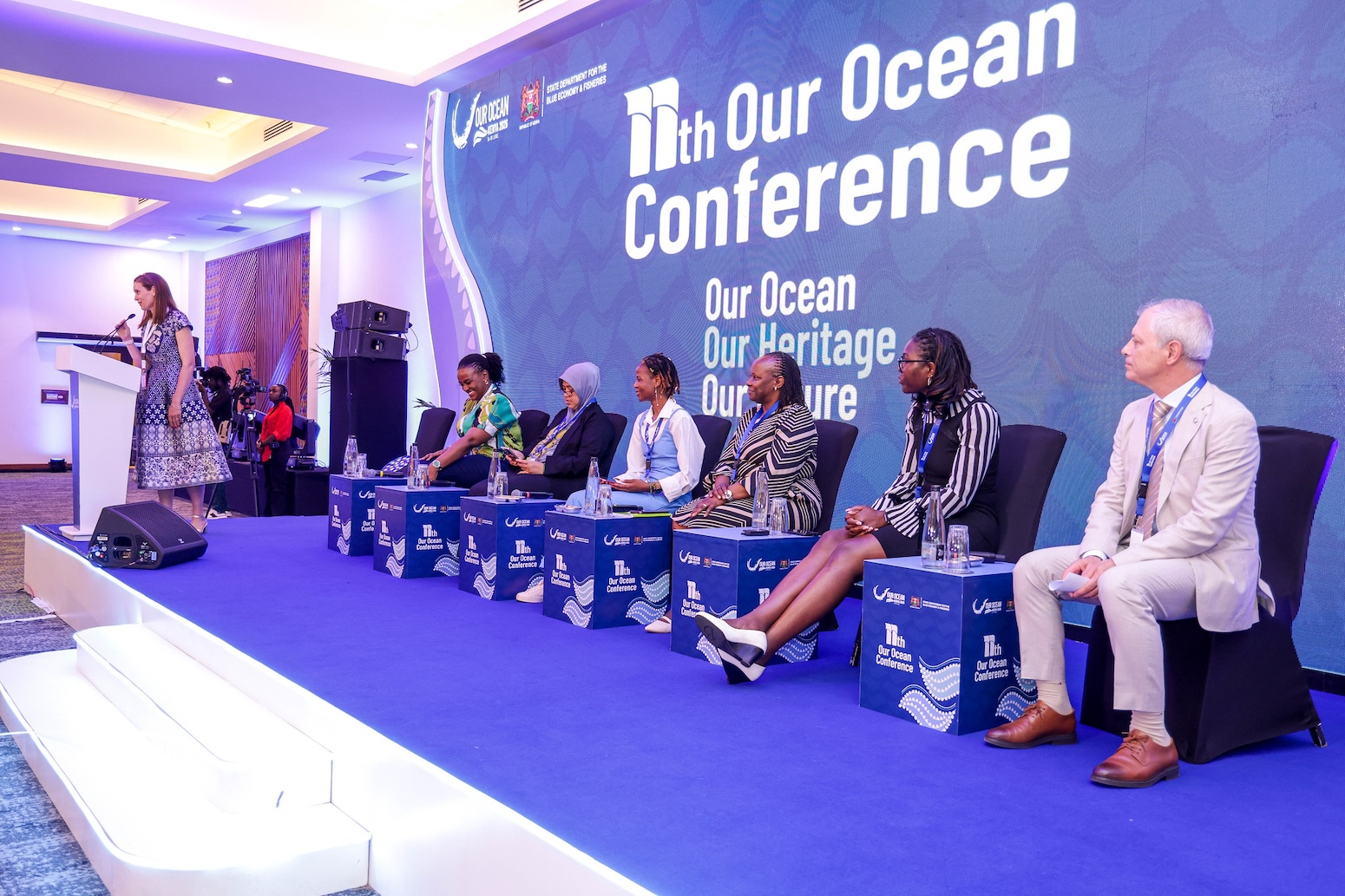
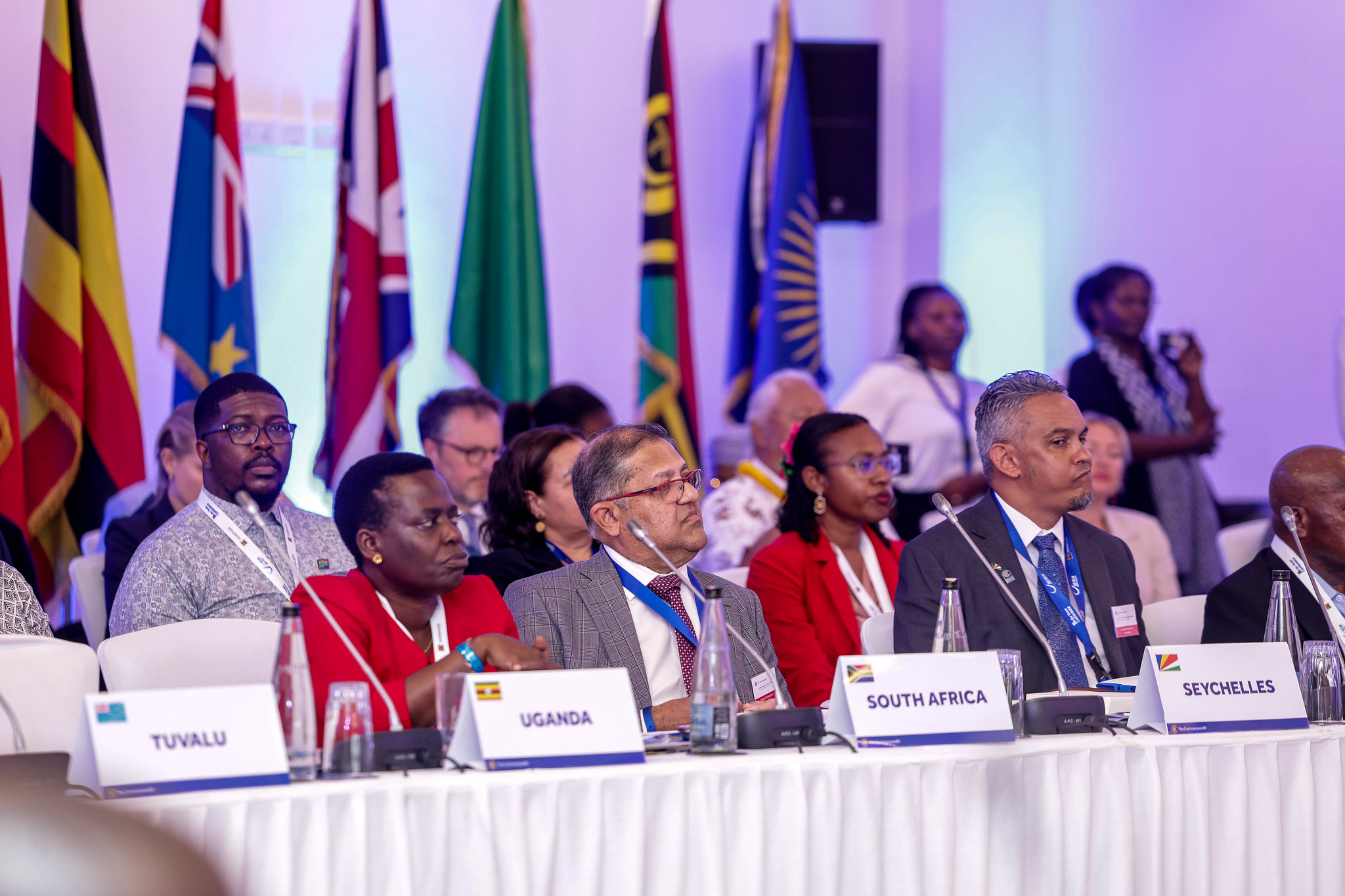
This week, as governments of various Coastal States gather in Mombasa for the Our Ocean Conference 2026, Africa must demand an end to industrial krill fishing in the Southern Ocean before irreversible damage is done to Antarctica and the ocean systems upon which our continent depends. A clear call from Africa would bolster international calls for a ban on industrial krill fishing and support positive leadership developments like the European Parliament’s recent call for a moratorium on krill fishing.
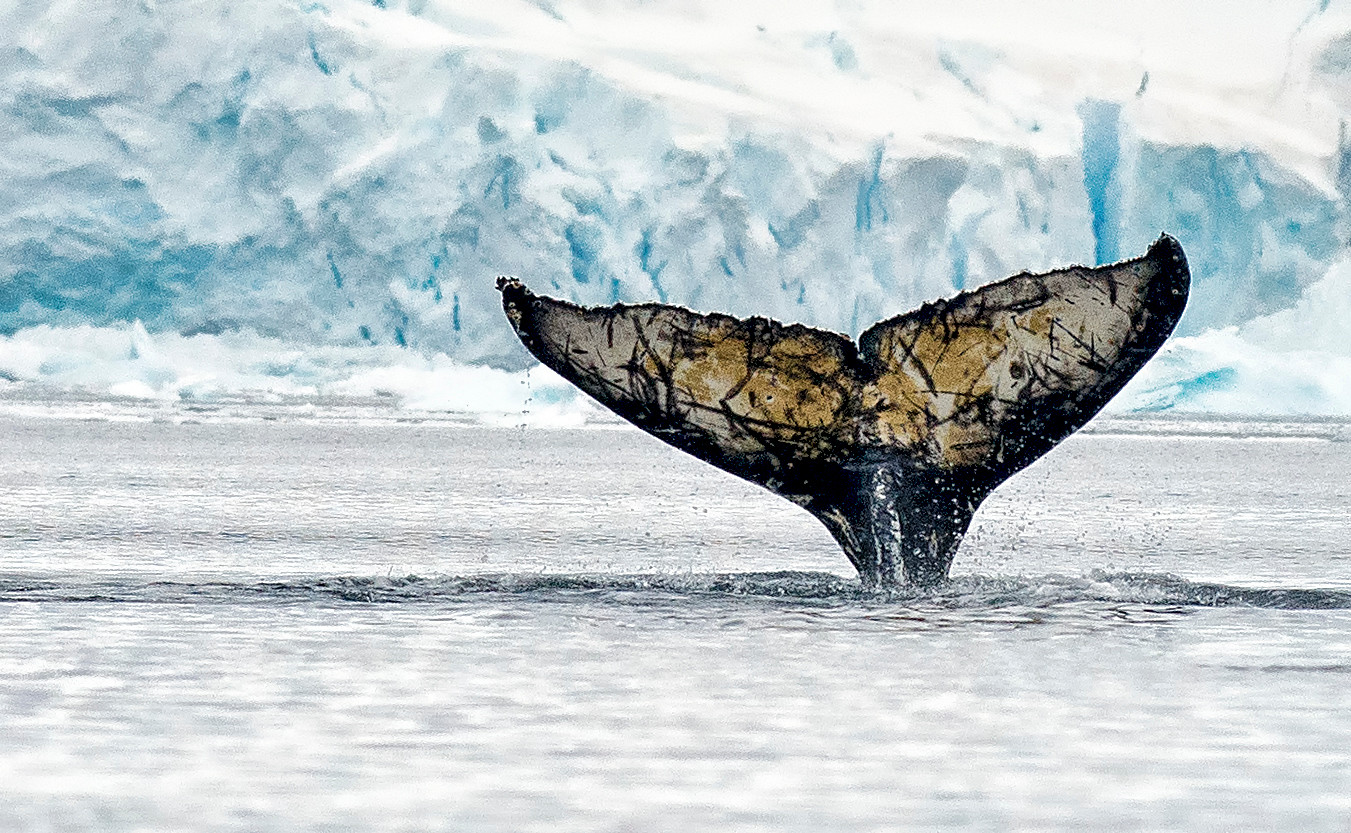
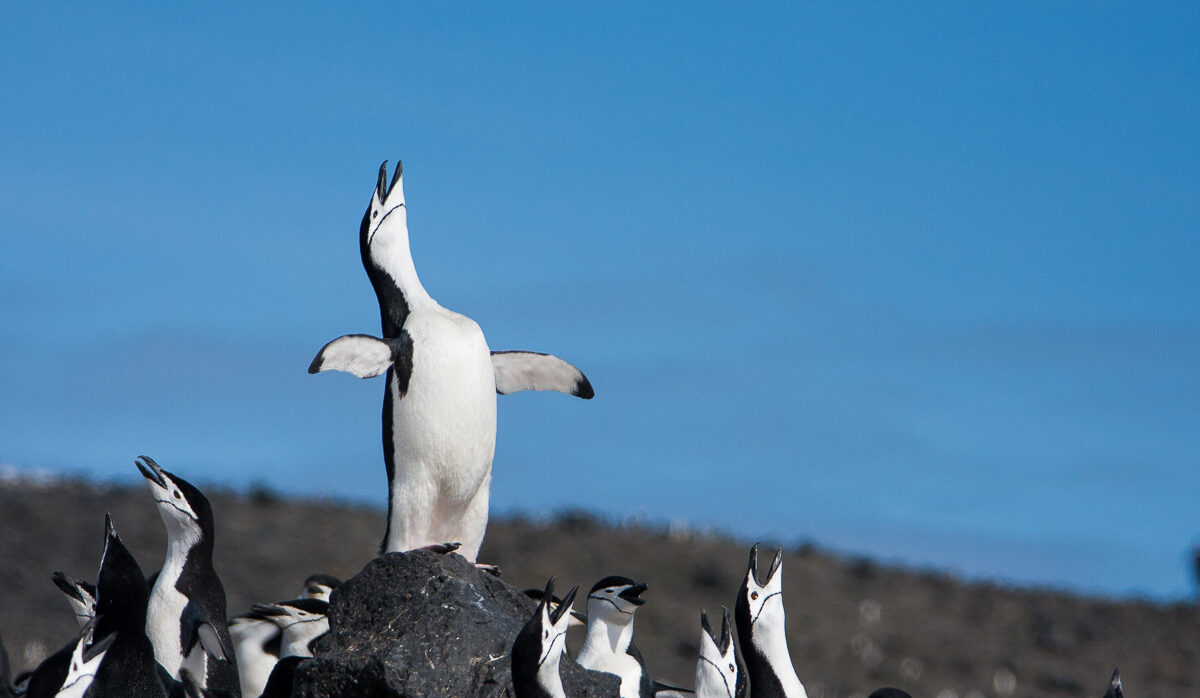
The Southern Ocean regulates global ocean circulation, absorbs enormous quantities of heat and carbon dioxide, and sustains marine life across the planet. At the center of this system is Antarctic krill, the tiny crustacean that feeds whales, penguins, seals and seabirds while helping lock carbon into the deep ocean.
Industrial krill fishing has expanded rapidly over the last few years, with the largest share of this extraction controlled by fleets linked to certain European and Asian countries. Most concerningly, fishing is intensifying precisely where Antarctic wildlife is most vulnerable.